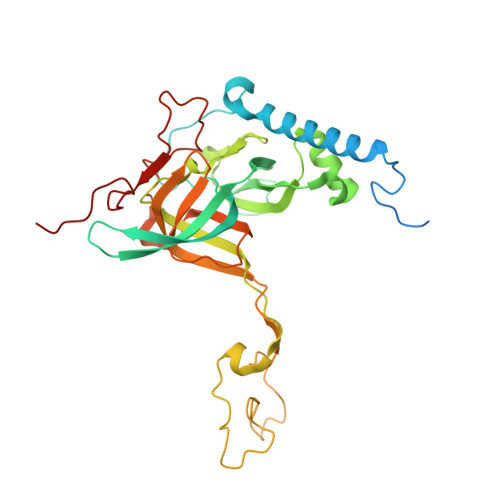
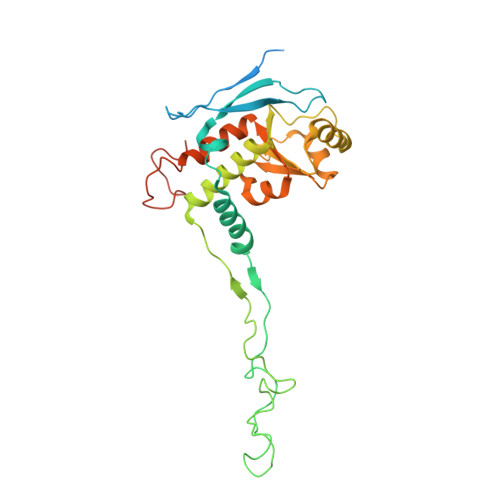
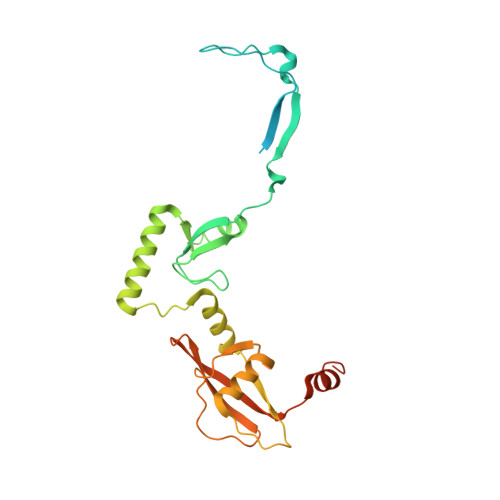
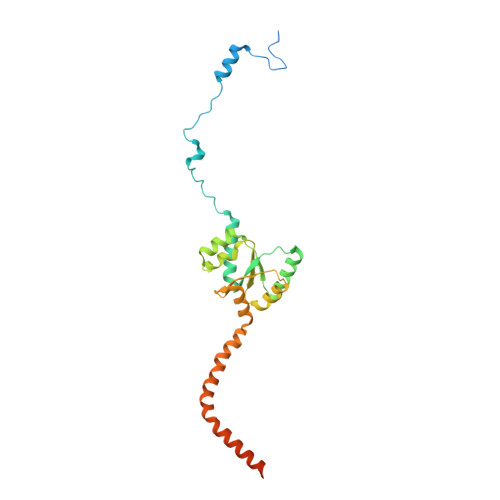
Find PDB structures and Computed Structure Models (CSM) by combining queries from tools in this suite: Attribute Search, Sequence Similarity, Sequence Motif, 3D Similarity, and 3D Motif with 'AND' logic.
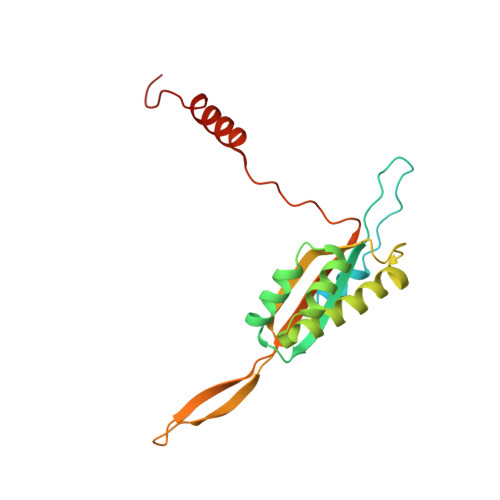
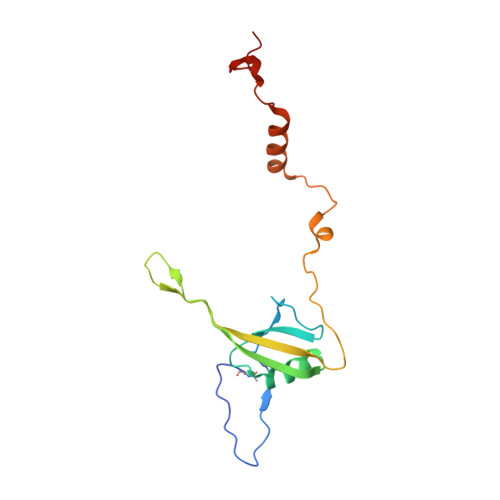
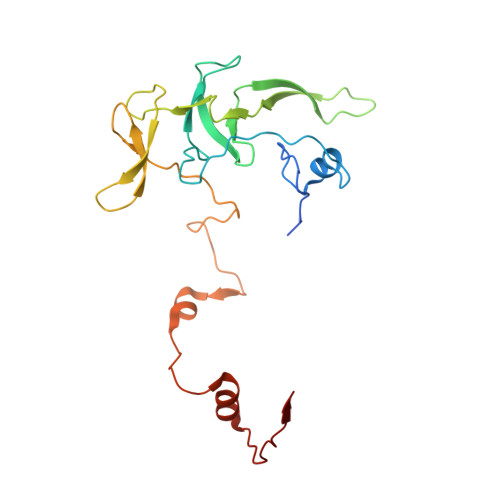
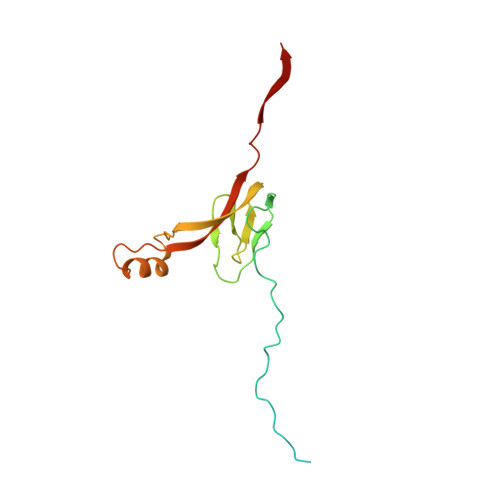
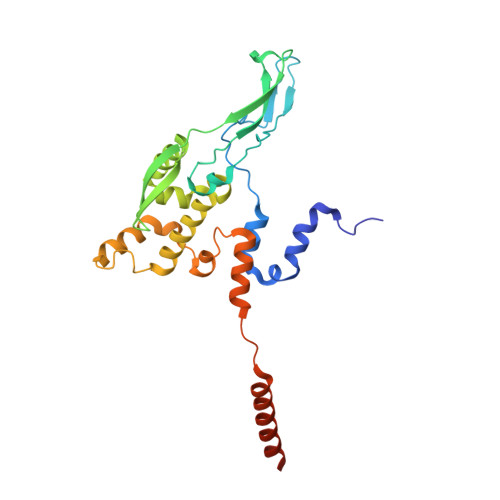
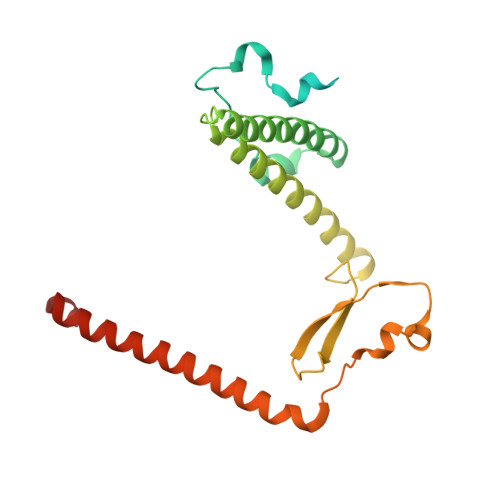
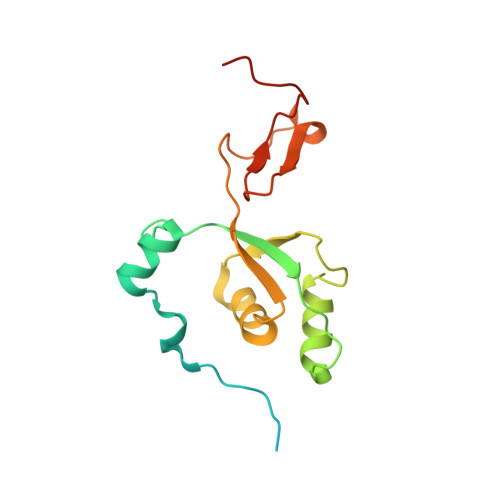
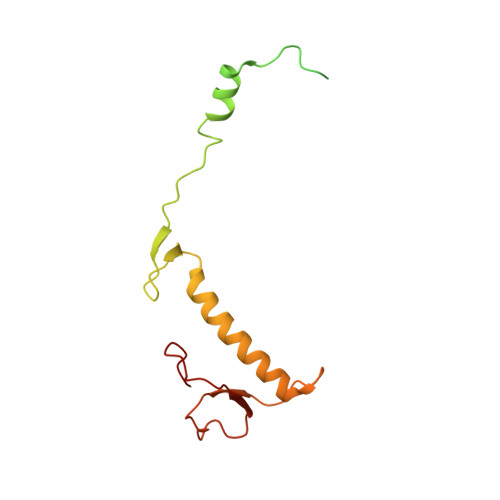
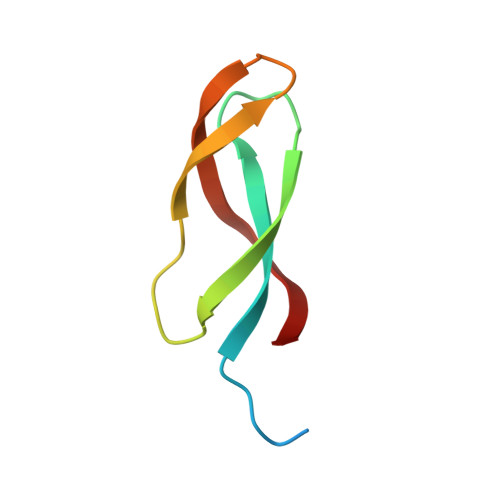
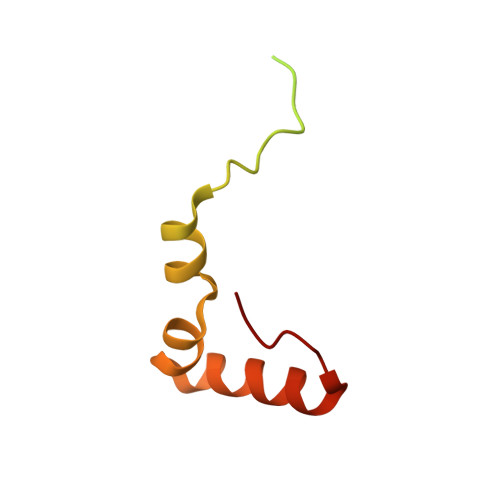
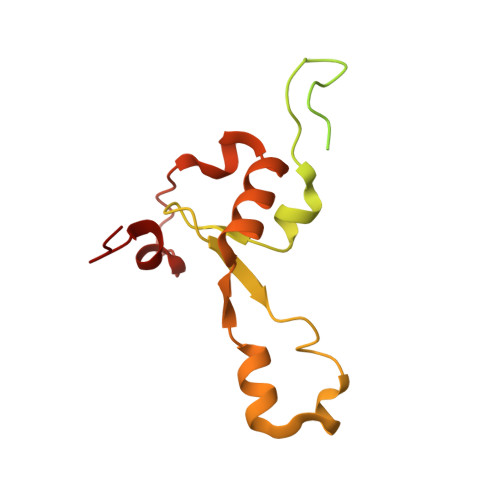
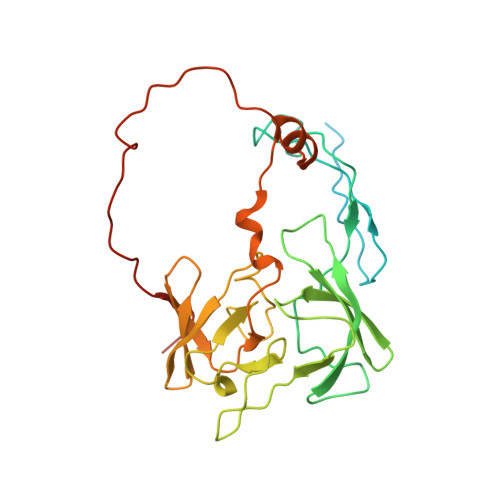
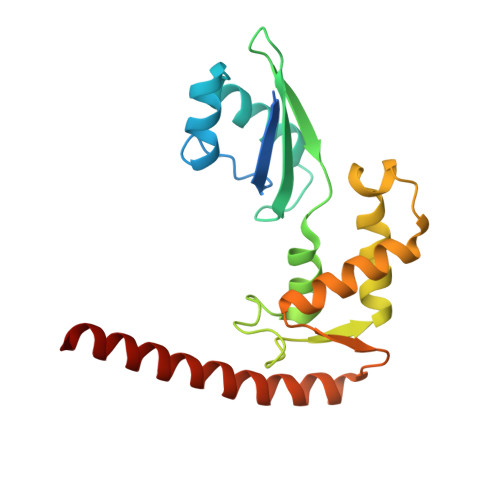
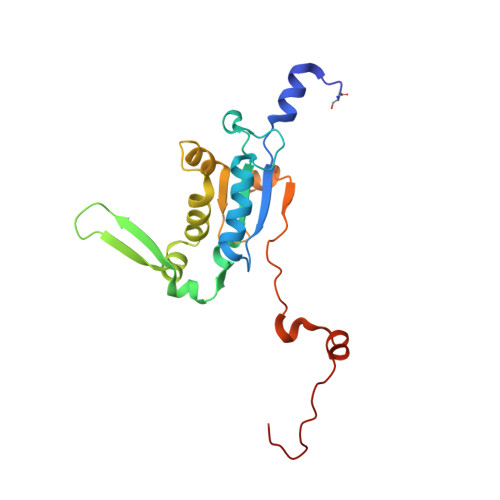
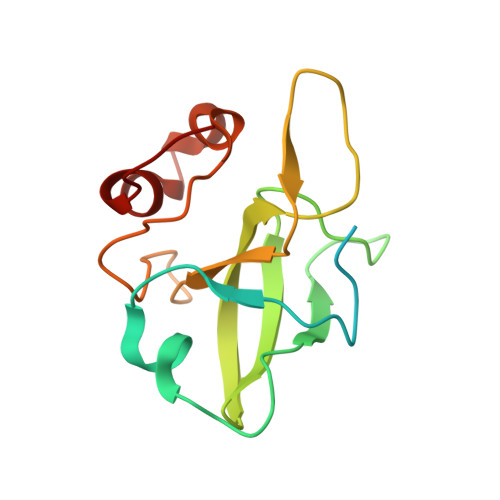
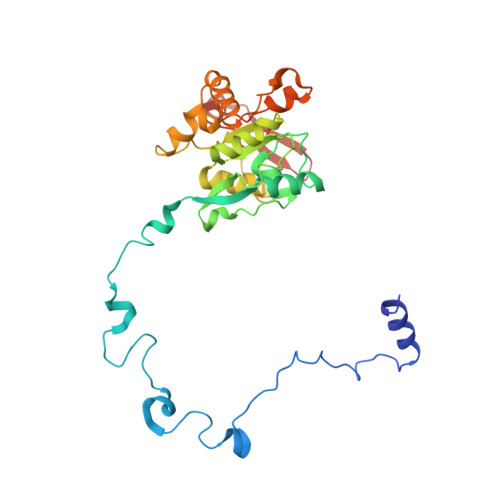
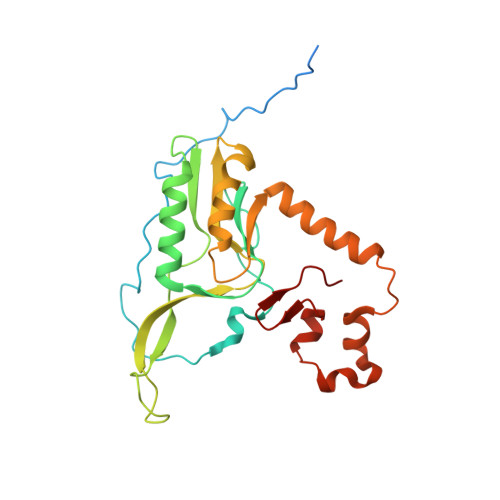
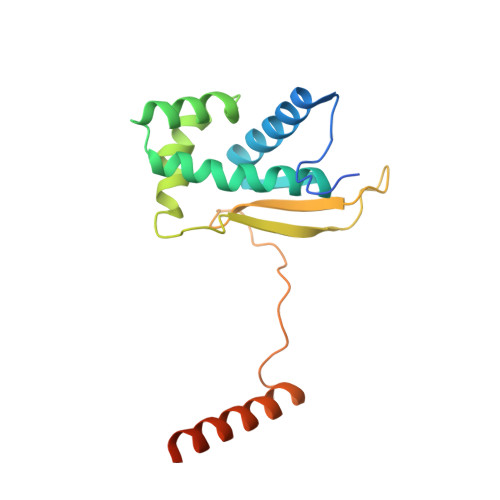
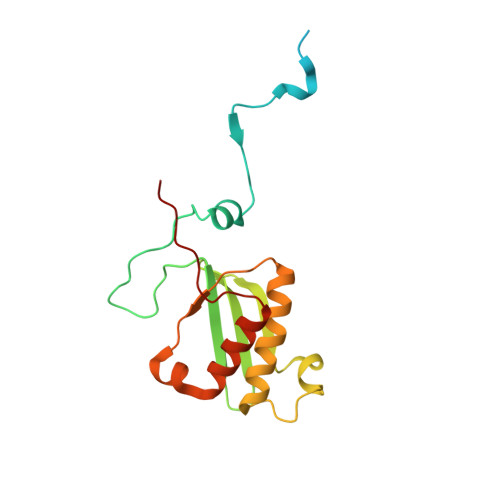
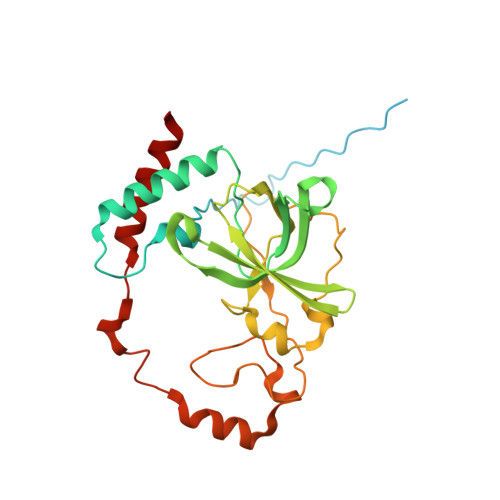
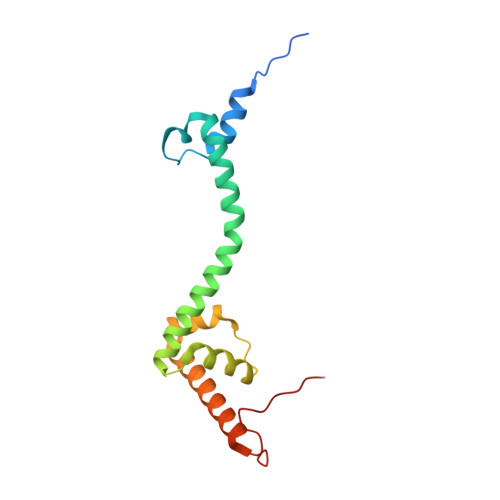
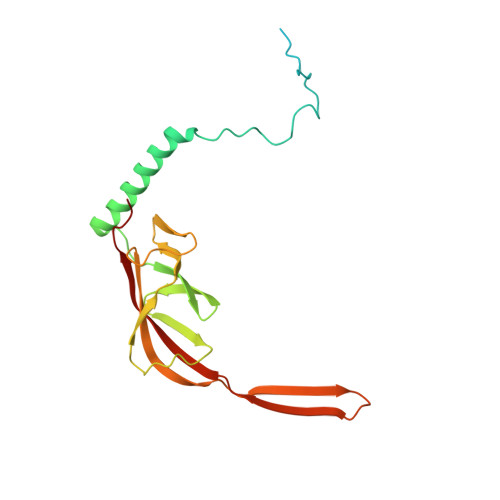
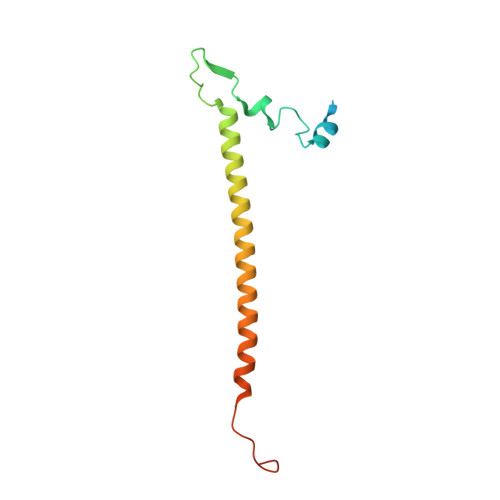
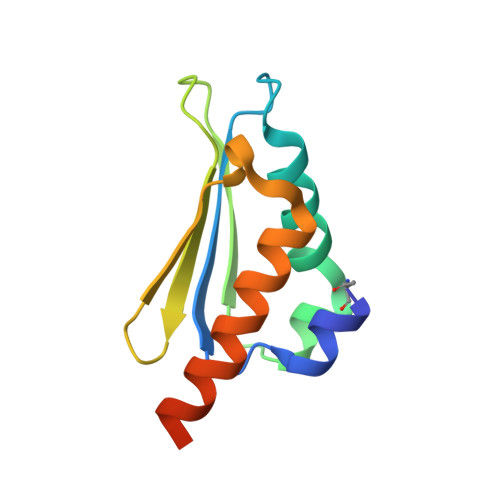
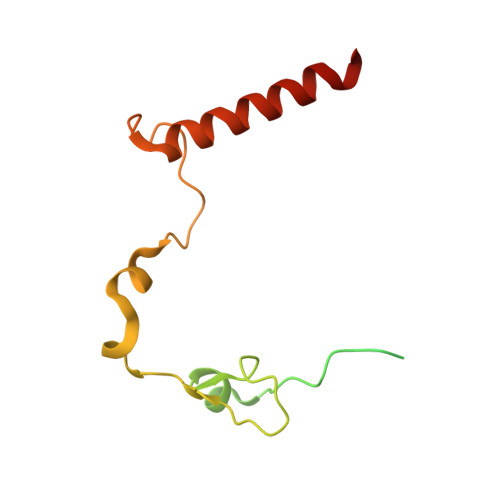
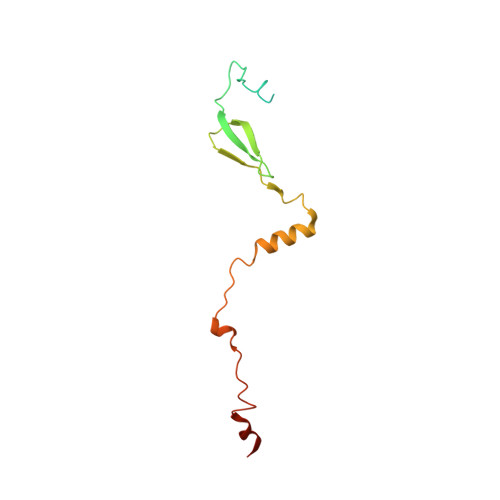
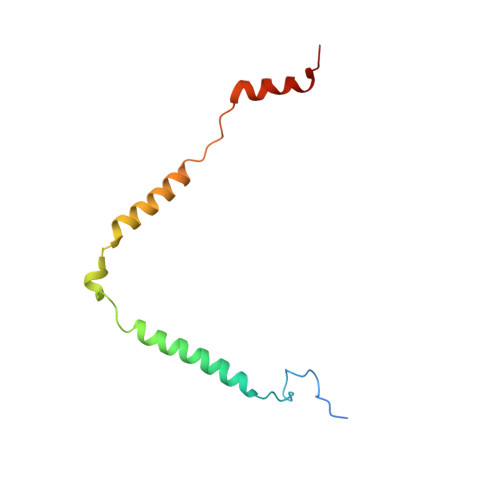
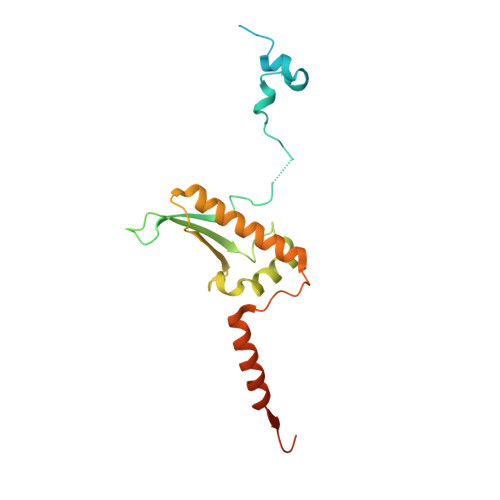
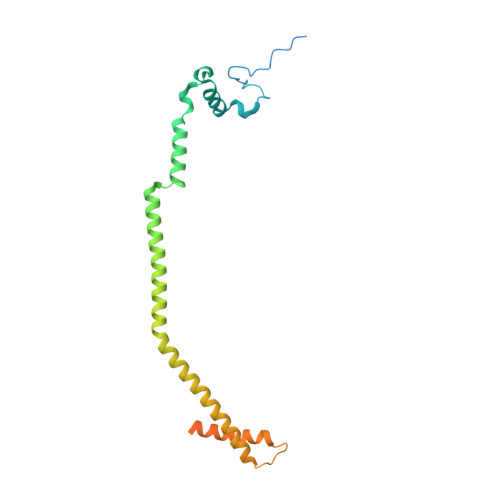
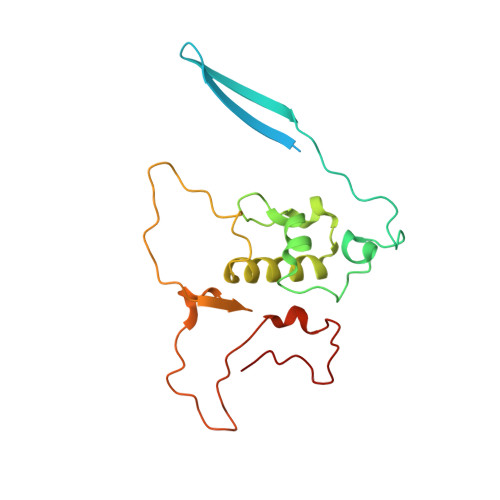
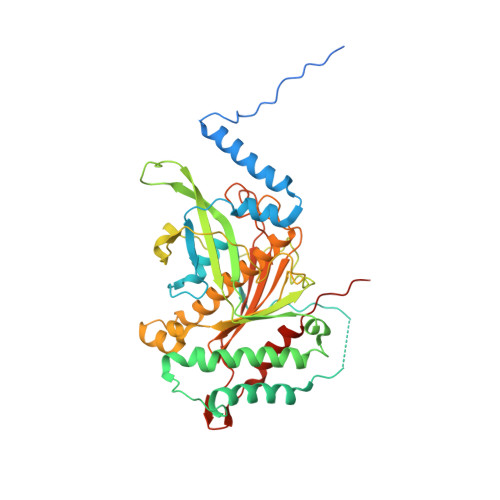
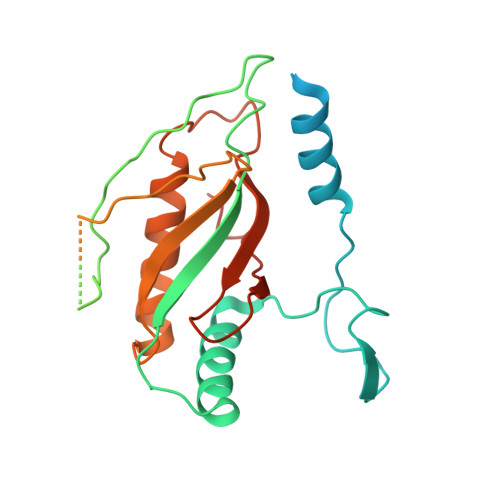
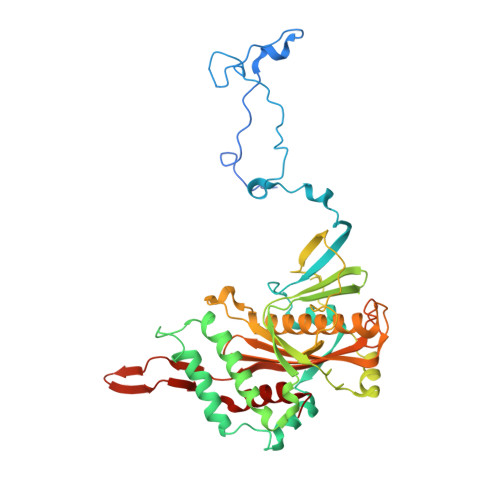
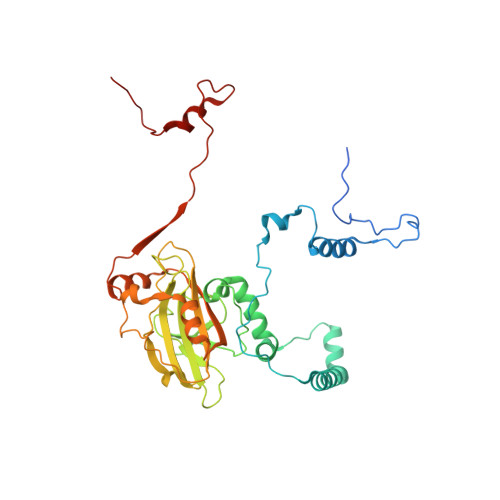
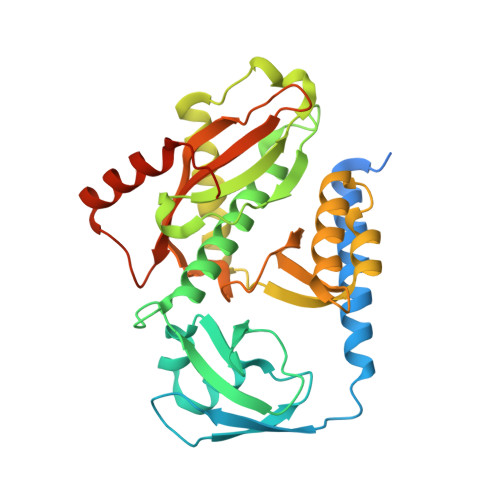
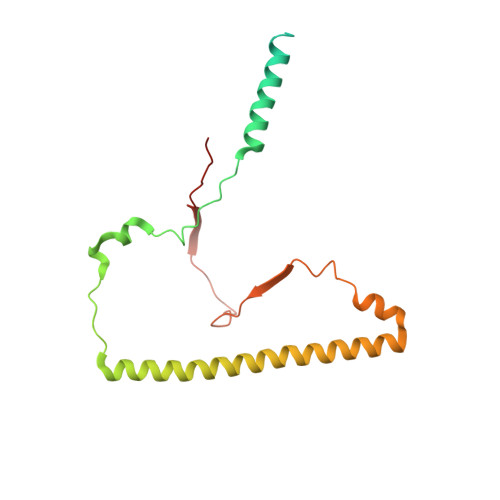
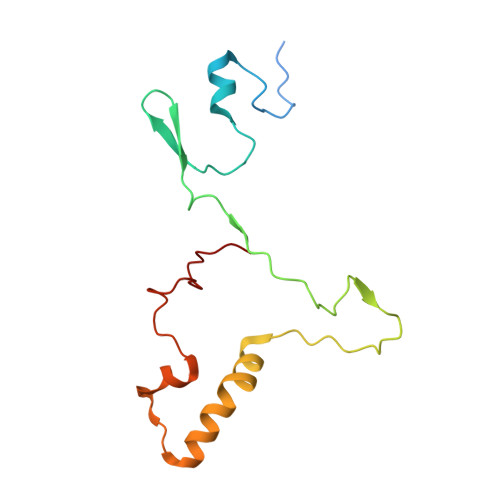
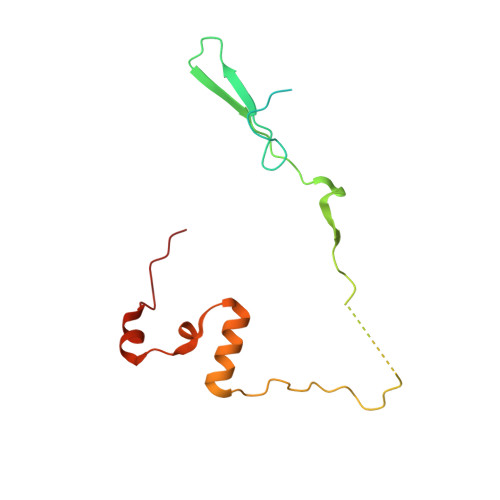
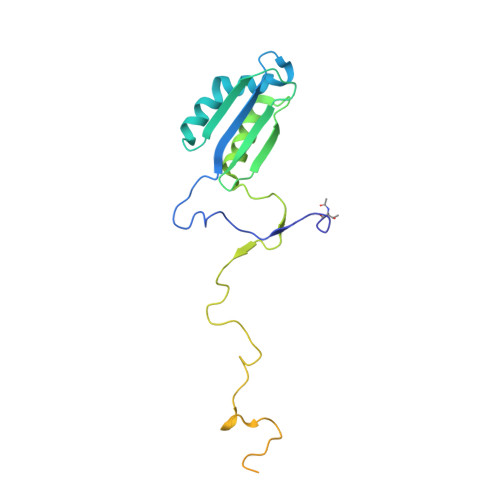
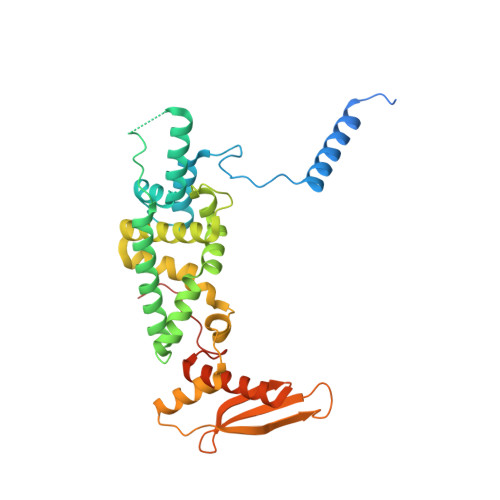
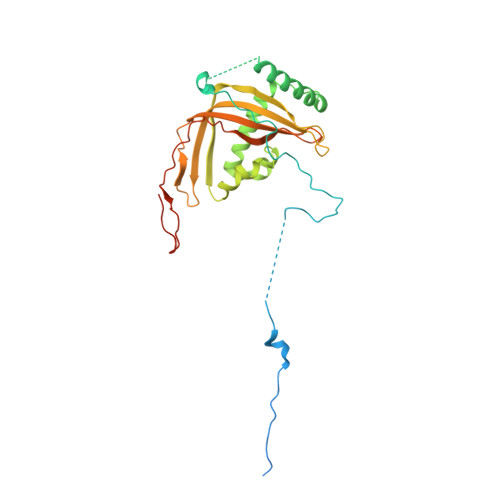
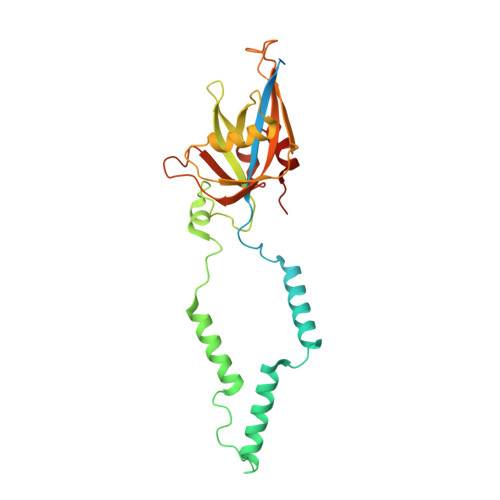
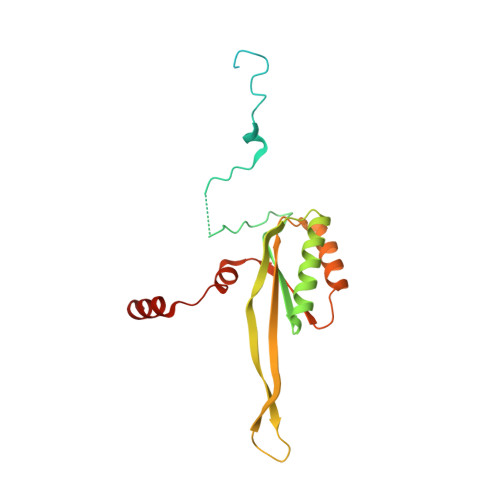
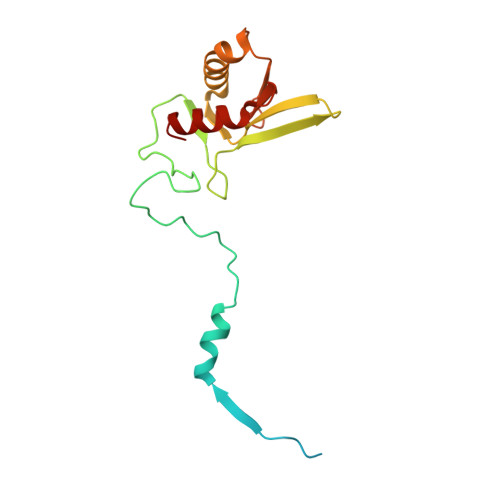
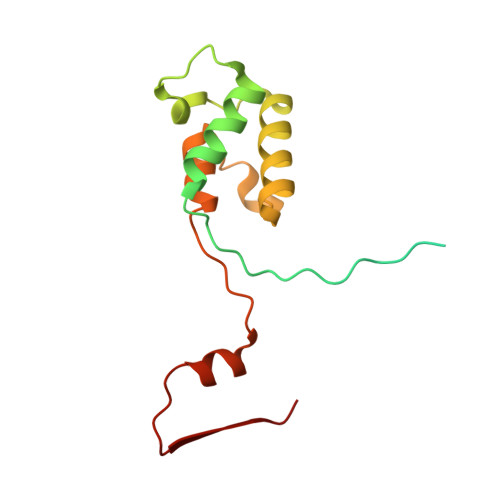
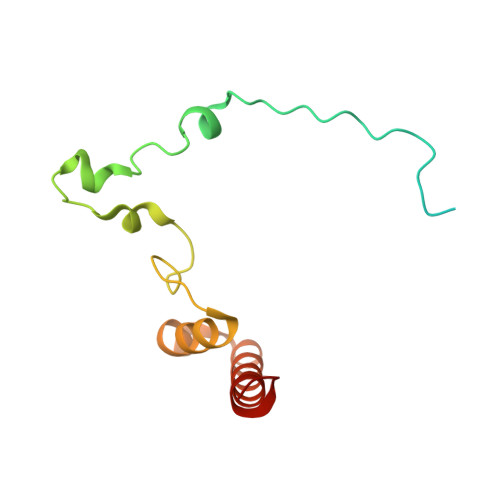
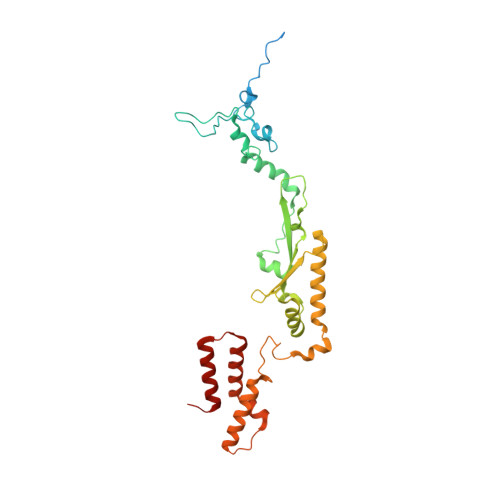
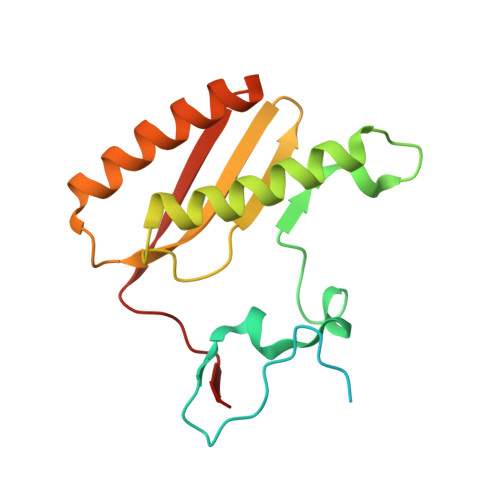
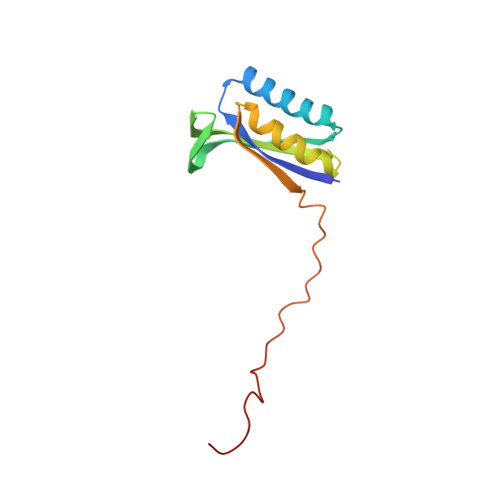
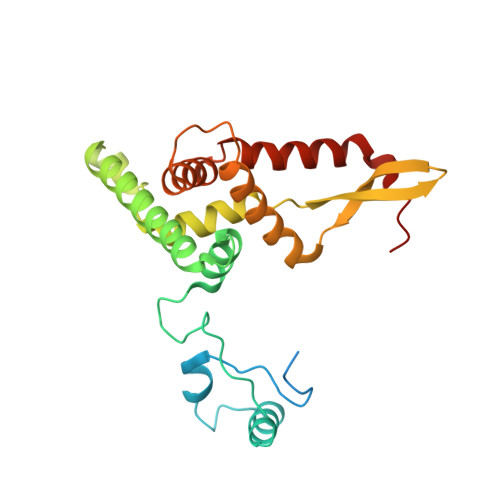
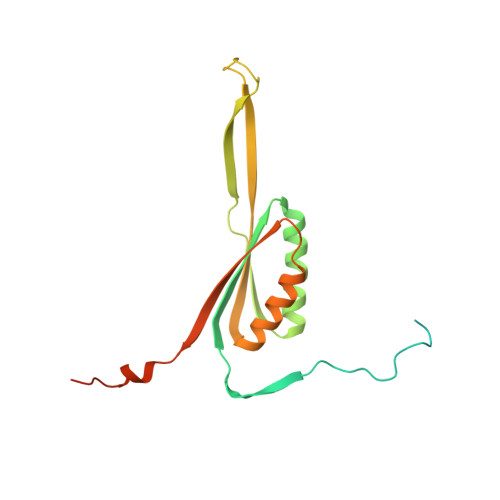
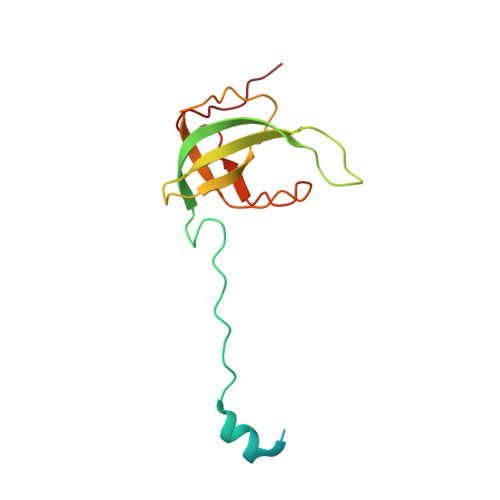
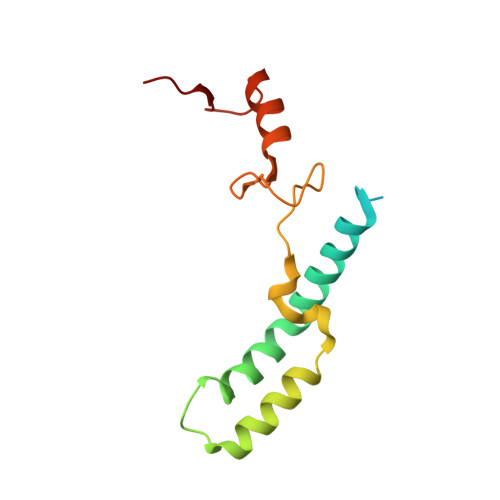
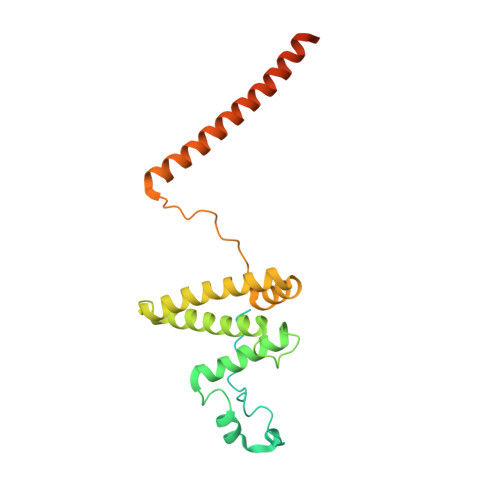
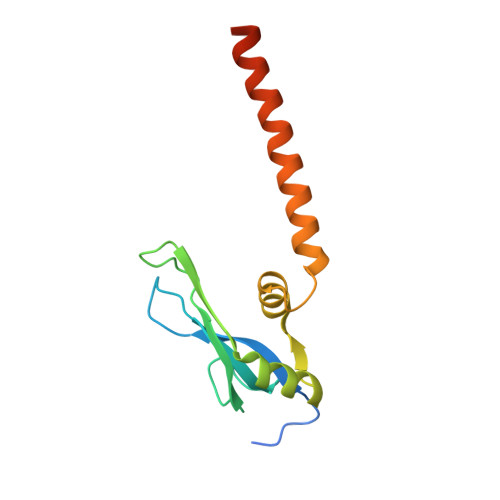
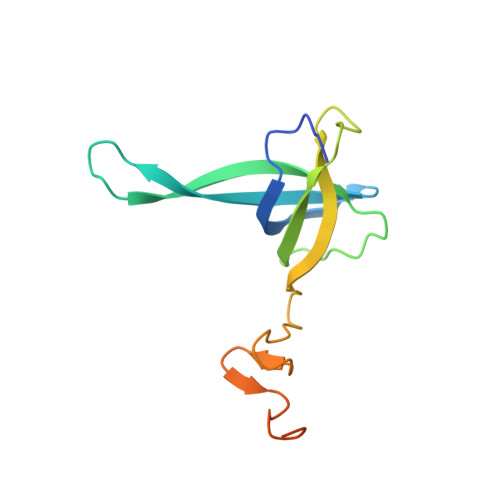
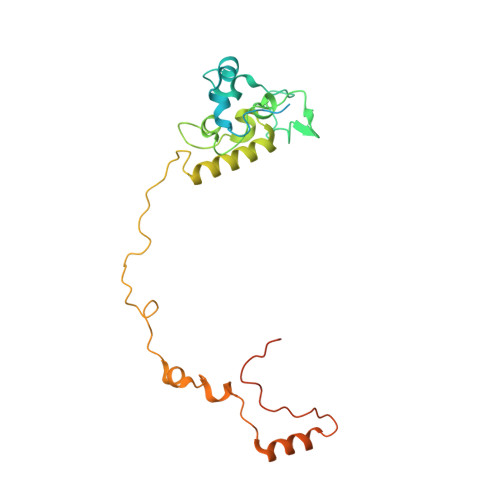
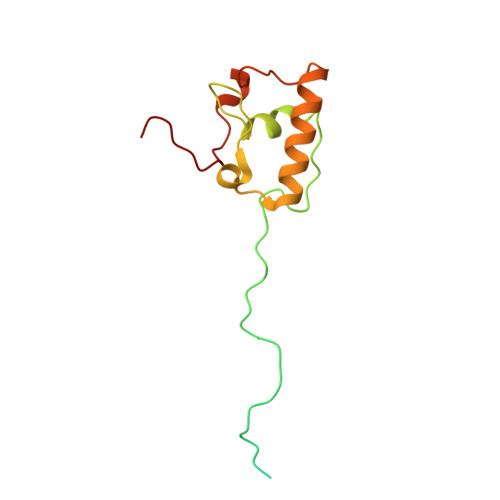
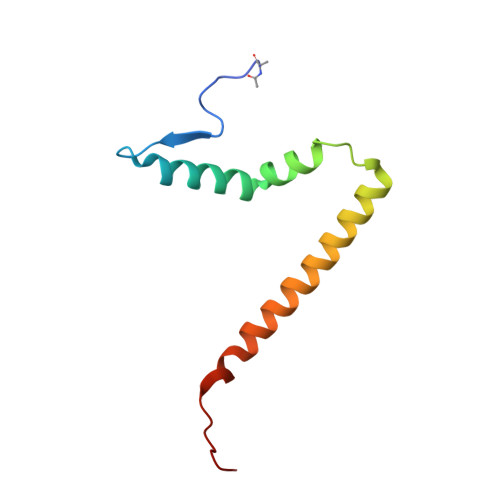
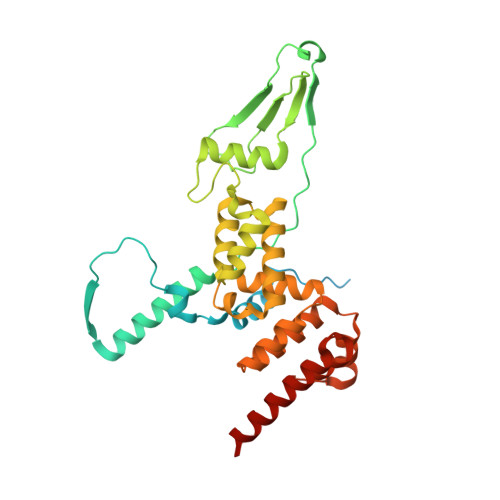
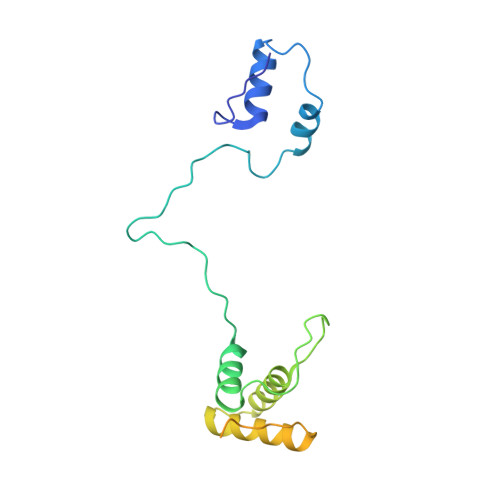
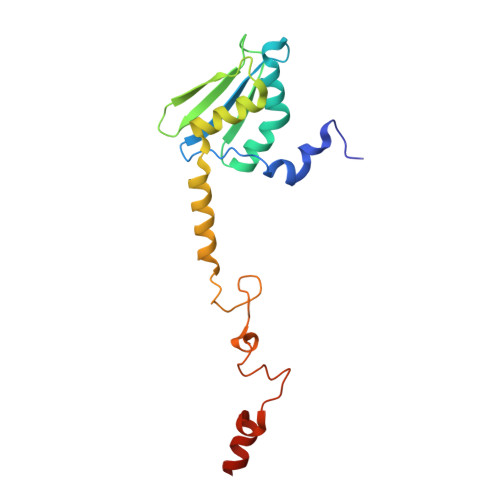
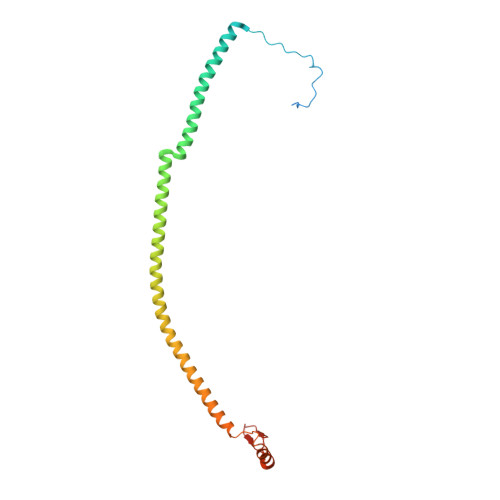
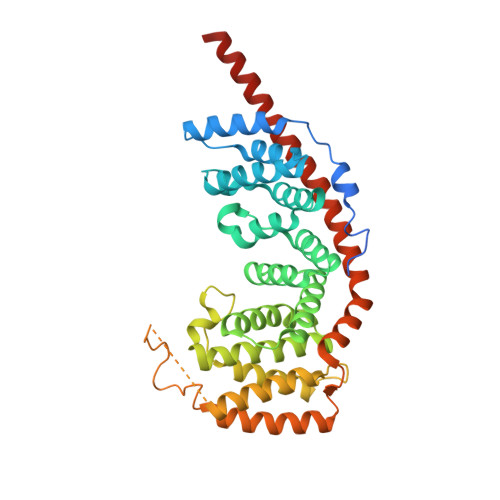
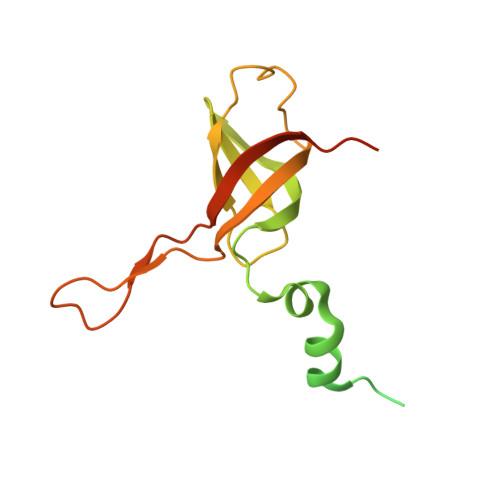
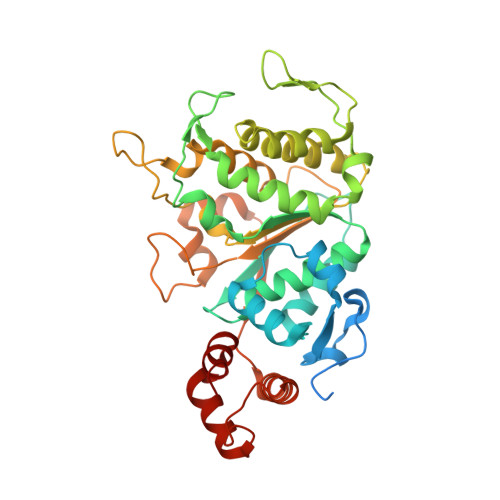
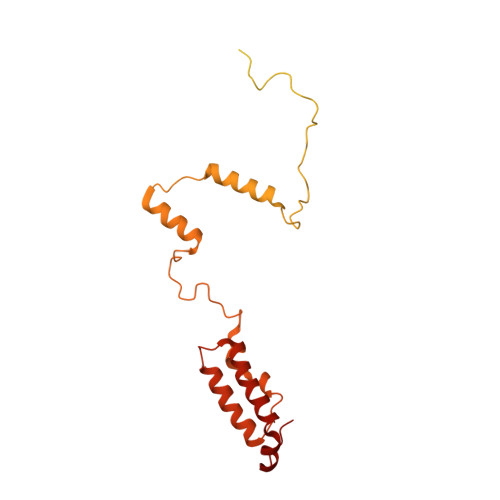
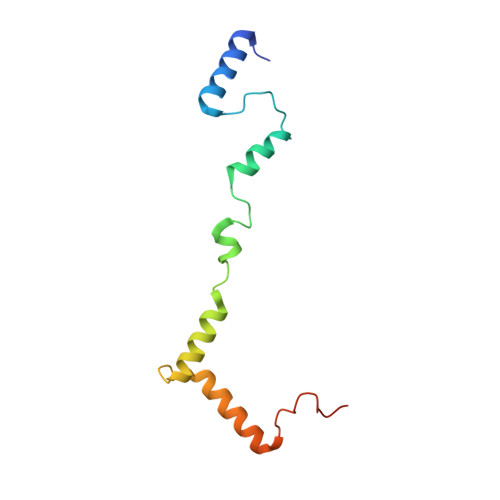
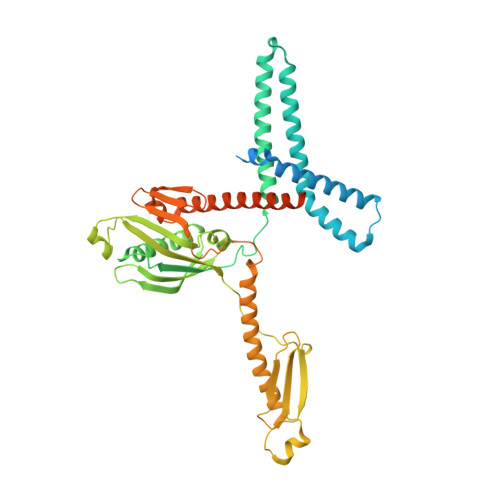
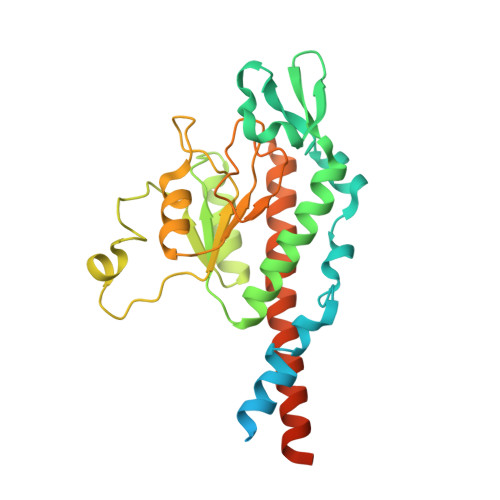
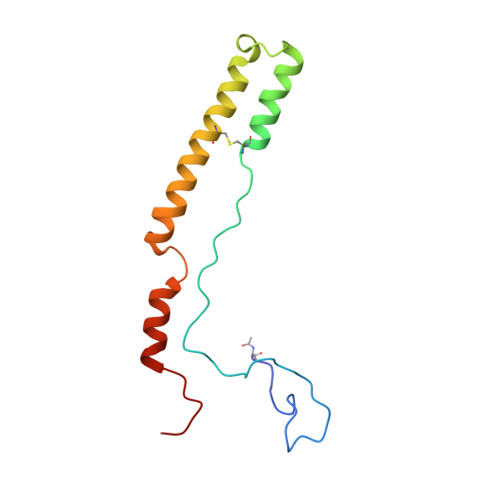
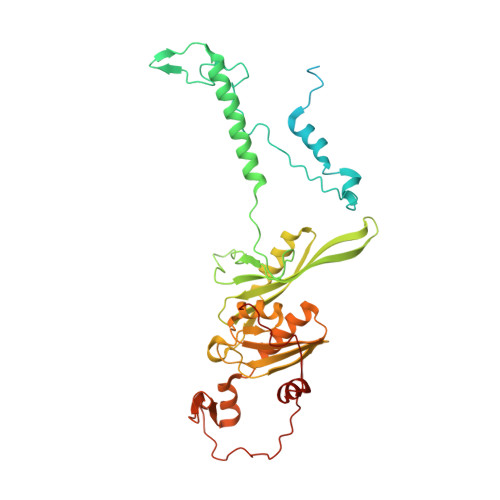
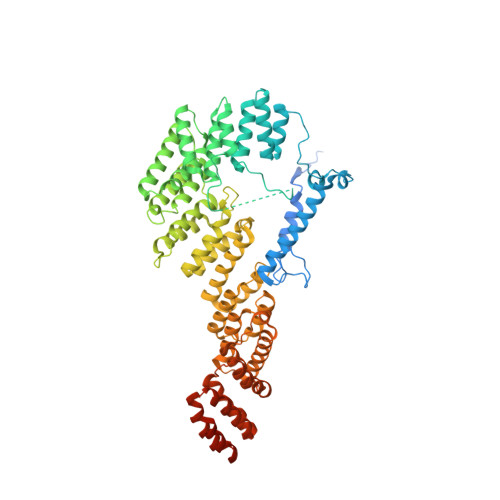
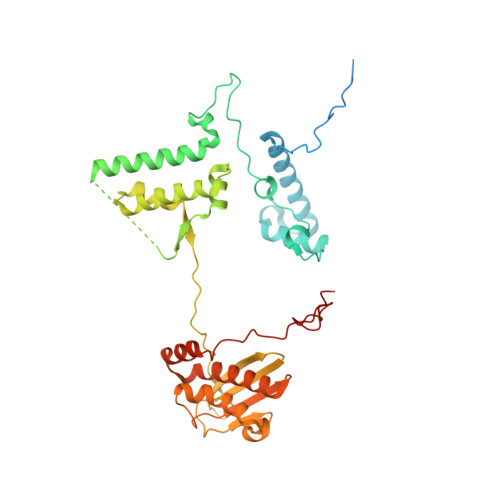
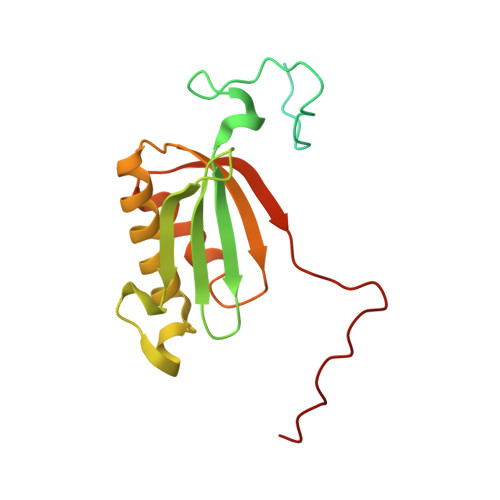
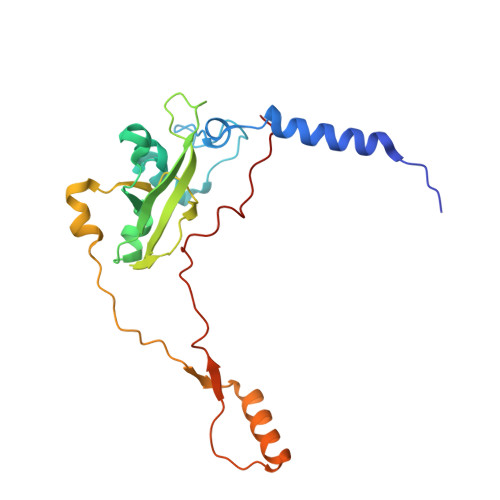
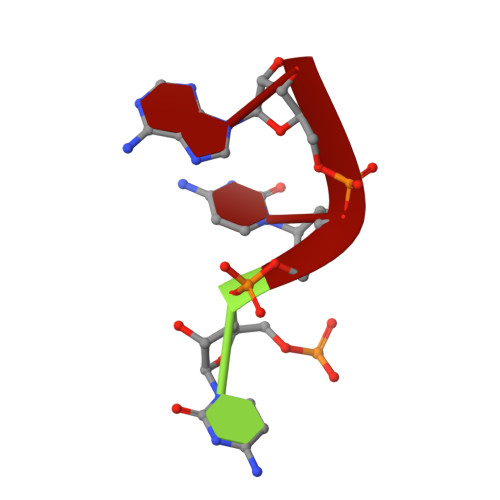
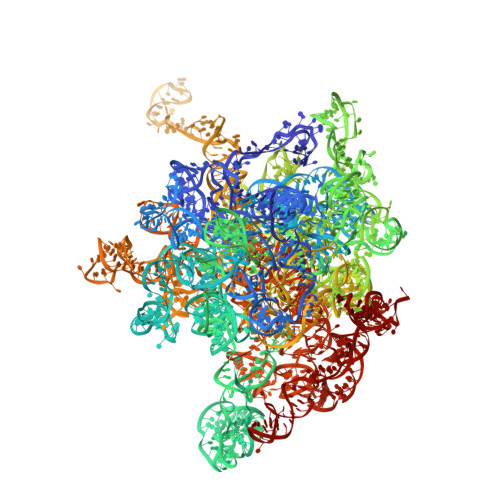
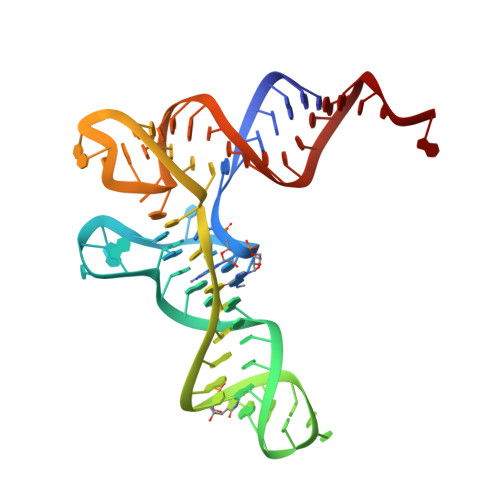
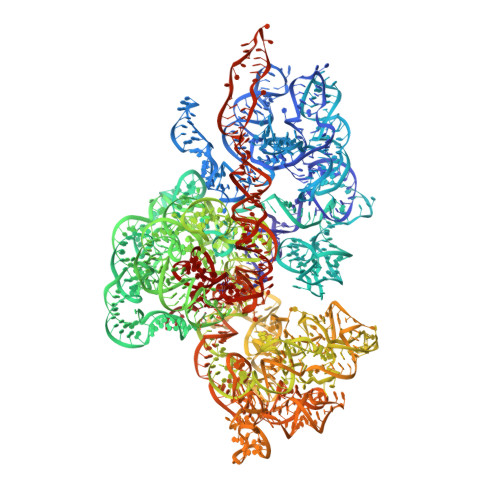
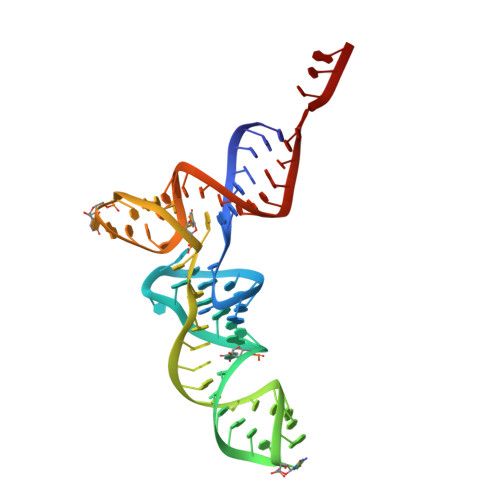
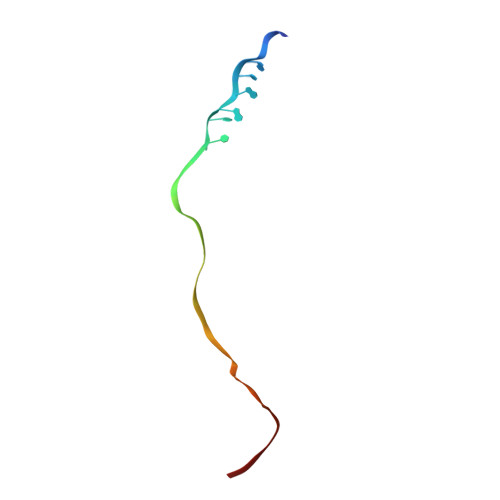
The genetic code that specifies the identity of amino acids incorporated into proteins during protein synthesis is almost universally conserved. Mitochondrial genomes feature deviations from the standard genetic code, including the reassignment of two arginine codons to stop codons. The protein required for translation termination at these noncanonical stop codons to release the newly synthesized polypeptides is not currently known. In this study, we used gene editing and ribosomal profiling in combination with cryo-electron microscopy to establish that mitochondrial release factor 1 (mtRF1) detects noncanonical stop codons in human mitochondria by a previously unknown mechanism of codon recognition. We discovered that binding of mtRF1 to the decoding center of the ribosome stabilizes a highly unusual conformation in the messenger RNA in which the ribosomal RNA participates in specific recognition of the noncanonical stop codons.
Organizational Affiliation:
Department of Biology, Institute of Molecular Biology and Biophysics, ETH Zürich, 8093 Zürich, Switzerland.
Center for Integrative Genomics, University of Lausanne, 1015 Lausanne, Switzerland.
Harry Perkins Institute of Medical Research, The University of Western Australia, Nedlands, Western Australia 6009, Australia.
ARC Centre of Excellence in Synthetic Biology, QEII Medical Centre, The University of Western Australia, Nedlands, Western Australia 6009, Australia.
Telethon Kids Institute, Northern Entrance, Perth Children's Hospital, 15 Hospital Avenue, Nedlands, Western Australia, Australia.
Curtin Medical School and Curtin Health Innovation Research Institute, Curtin University, Bentley, Western Australia 6102, Australia.
Novo Nordisk Foundation Center for Protein Research, Protein Structure and Function Program, Blegdamsvej 3B, 2200 København N, Denmark.

 Download Mendeley