Find PDB structures and Computed Structure Models (CSM) by combining queries from tools in this suite: Attribute Search, Sequence Similarity, Sequence Motif, 3D Similarity, and 3D Motif with 'AND' logic.
Funding Organization(s): Department of Energy (DOE, United States), National Institutes of Health/National Institute of General Medical Sciences (NIH/NIGMS)
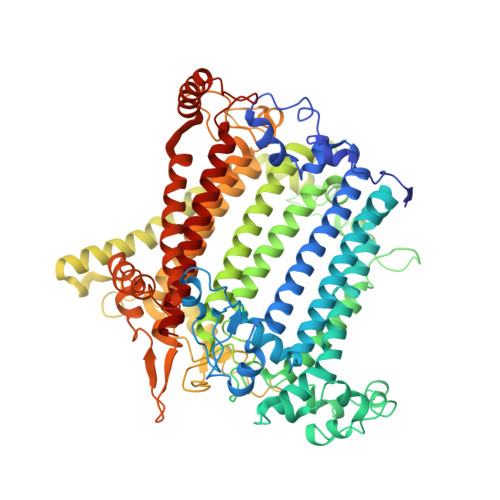
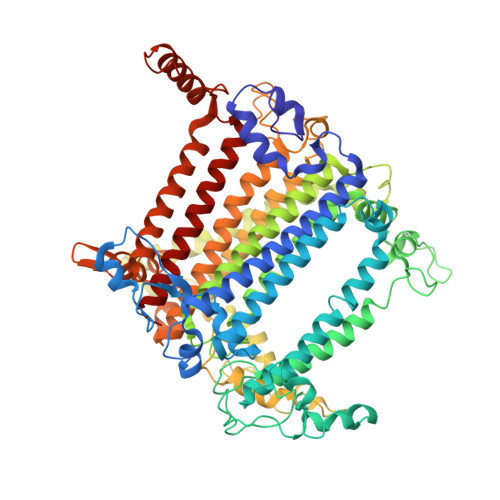
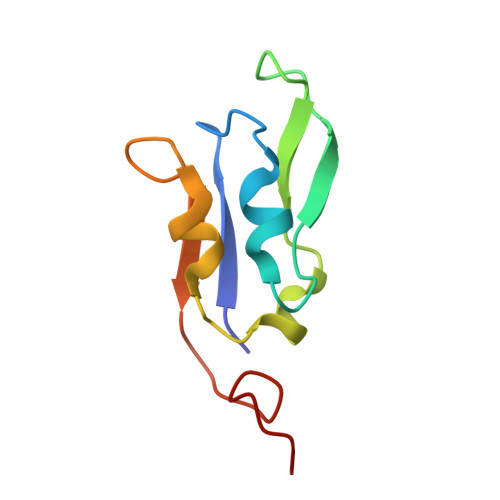
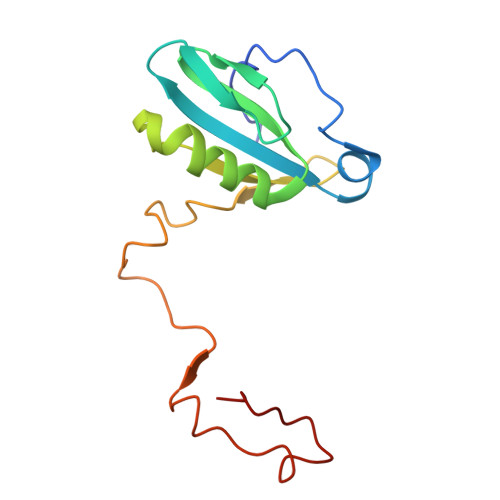
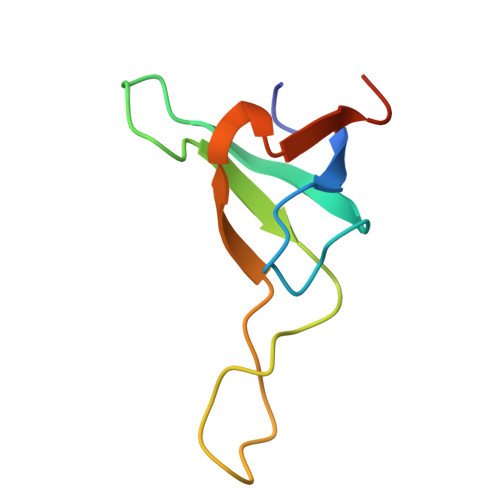
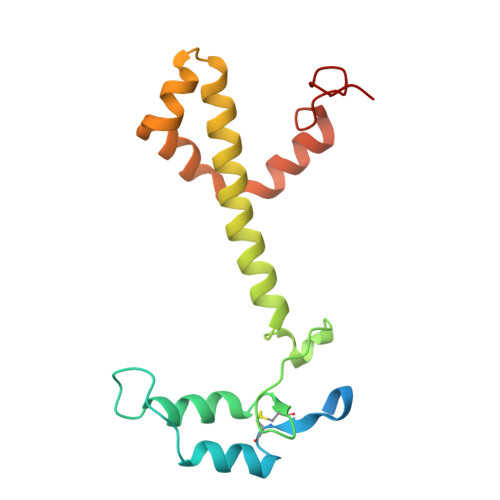
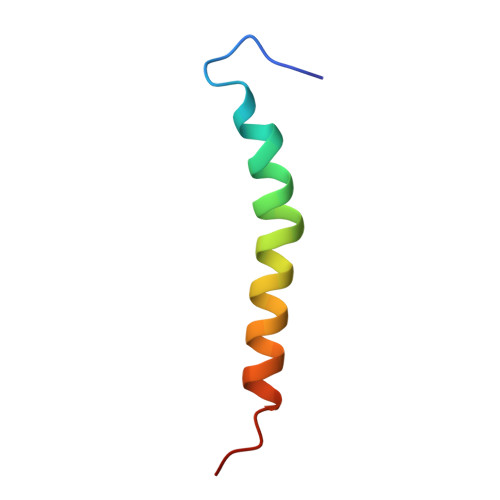
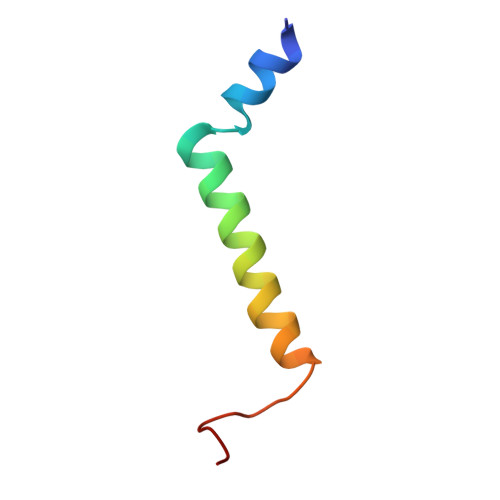
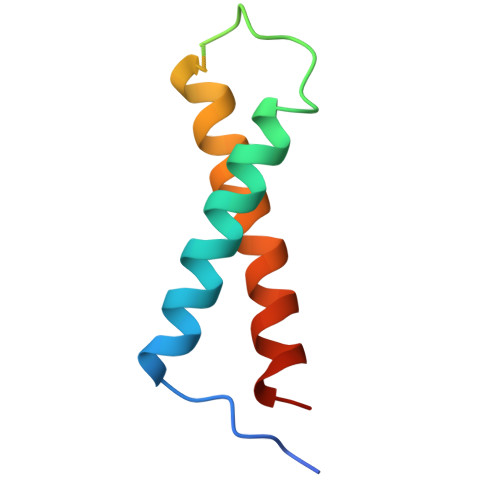
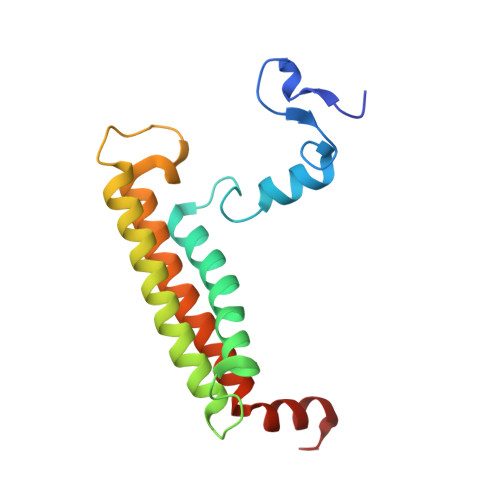
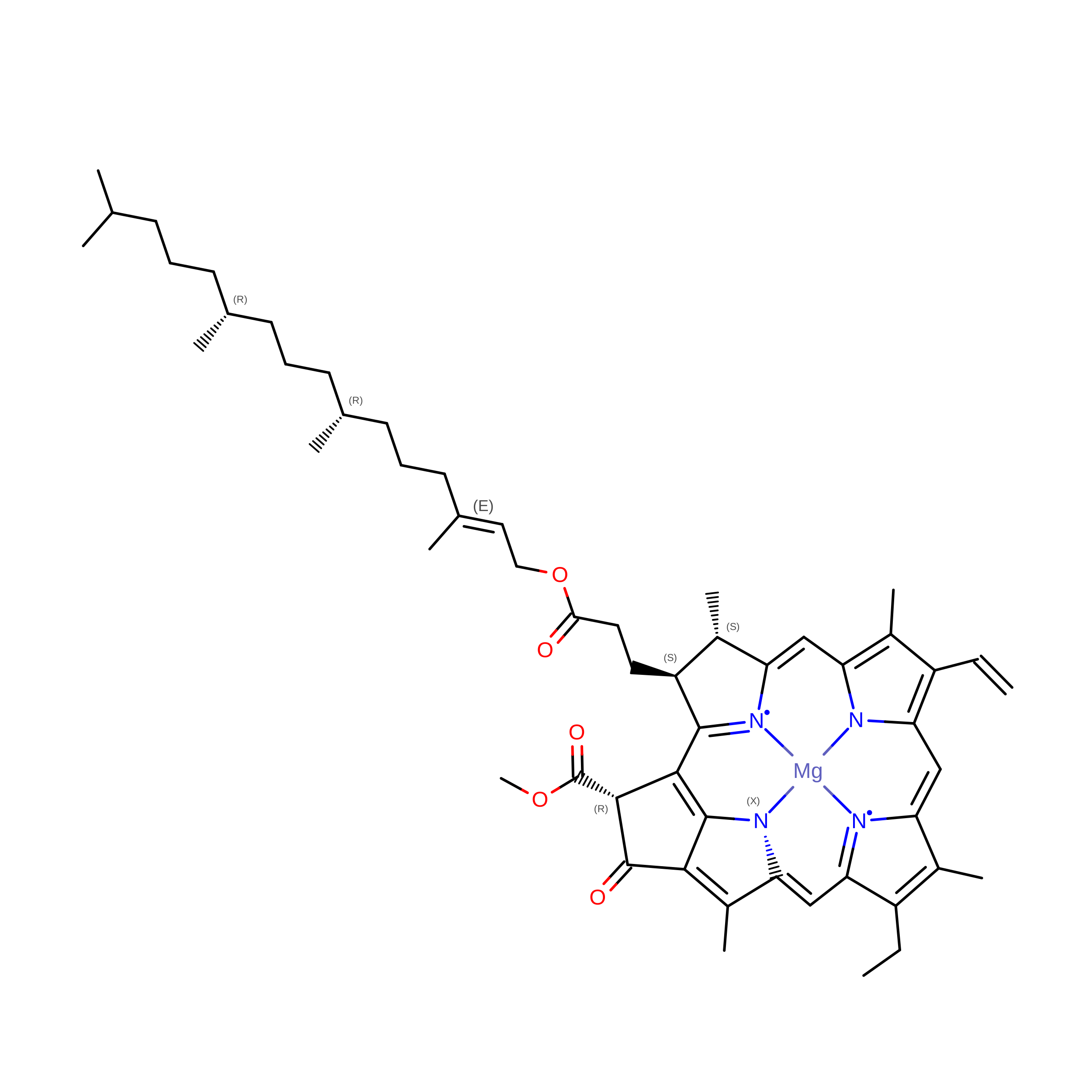
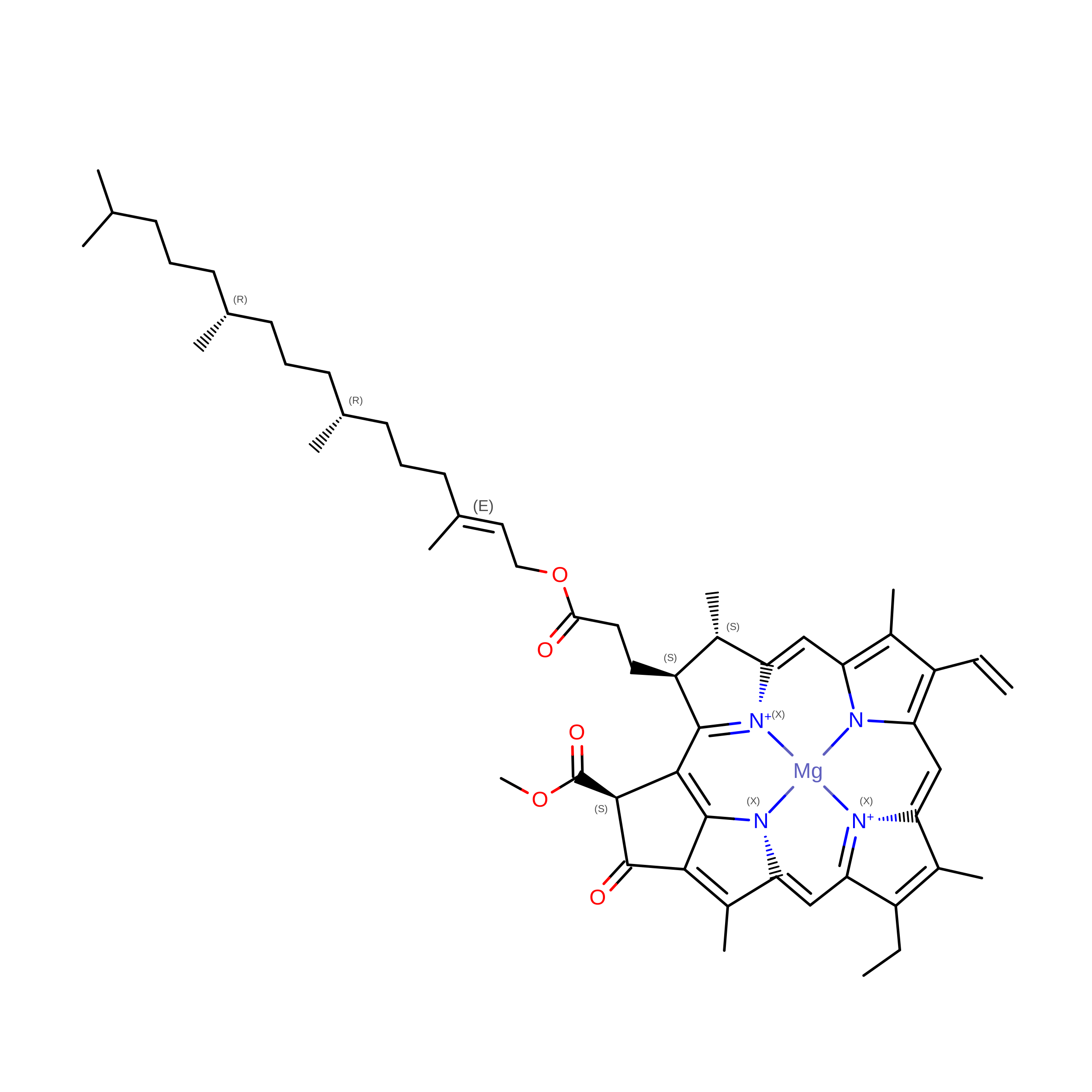
Biohybrid solar fuel catalysts leverage natural light-driven enzymes to produce valuable fuel products. One useful biological platform for such a system is photosystem I, a pigment-protein complex that captures sunlight and converts it into chemical energy with near unity quantum efficiency, which generates low potential reducing equivalents for metabolism. Realizing and understanding the molecular basis for an approach that utilizes those electrons and stores solar energy as a fuel is therefore appealing. Here, we report the 2.27-Å global resolution cryo-EM structure of a photosystem I complex with bound platinum nanoparticles that catalyzes light-driven H 2 production. The platinum nanoparticle binding sites and possible stabilizing interactions are described. Overall, the investigation reveals a direct structural look at a photon-to-fuels photosynthetic biohybrid system.
Organizational Affiliation:
Department of Chemistry, Yale University, New Haven, CT, 06520, USA.
Department of Biochemistry, University of Wisconsin-Madison, Madison, WI, 53706, USA.
Chemical Sciences and Engineering Division, Argonne National Laboratory, Lemont, IL, 60439, USA.
Department of Chemistry, Yale University, New Haven, CT, 06520, USA. gary.brudvig@yale.edu.
Department of Molecular Biophysics and Biochemistry, Yale University, New Haven, CT, 06520, USA. gary.brudvig@yale.edu.
Chemical Sciences and Engineering Division, Argonne National Laboratory, Lemont, IL, 60439, USA. utschig@anl.gov.

 Download Mendeley