Find PDB structures and Computed Structure Models (CSM) by combining queries from tools in this suite: Attribute Search, Sequence Similarity, Sequence Motif, 3D Similarity, and 3D Motif with 'AND' logic.
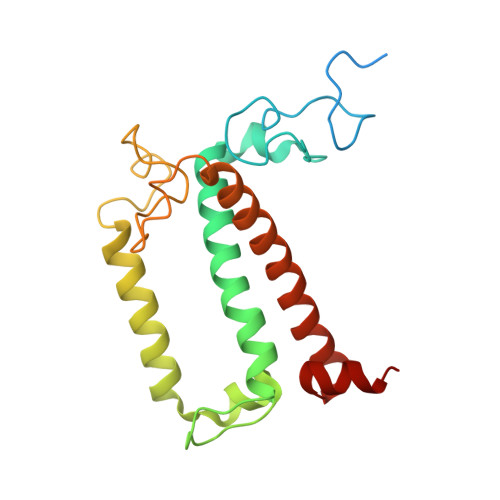
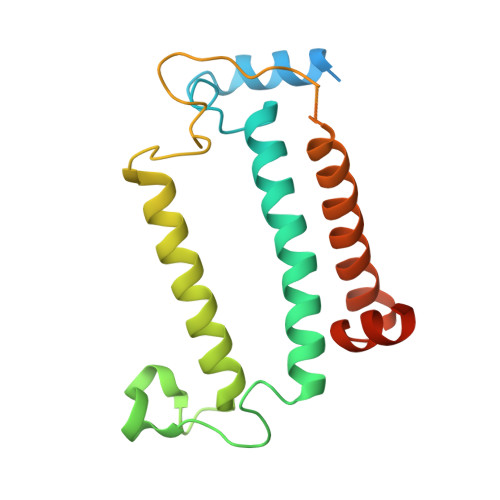
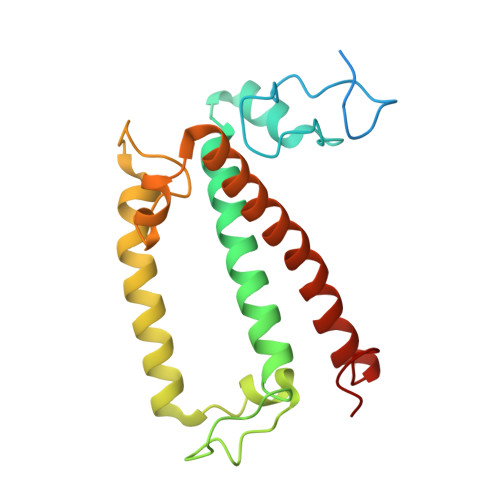
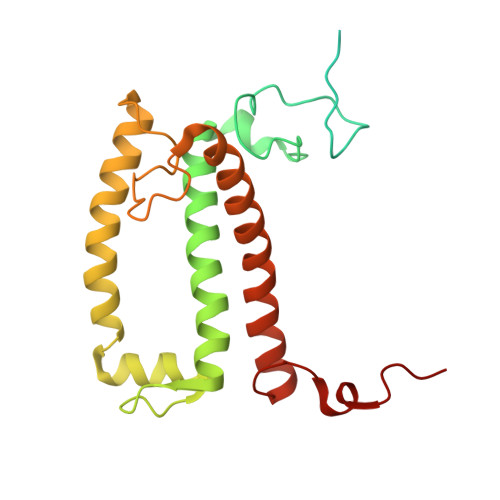
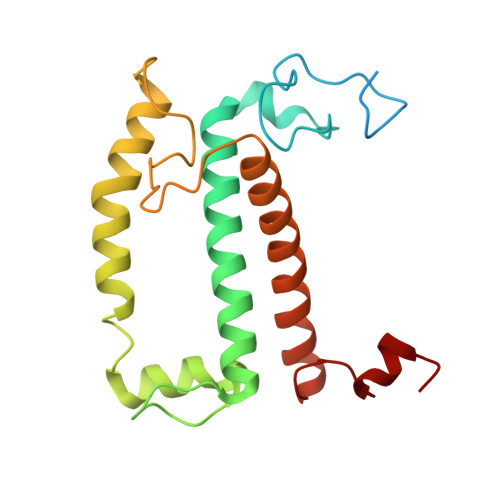
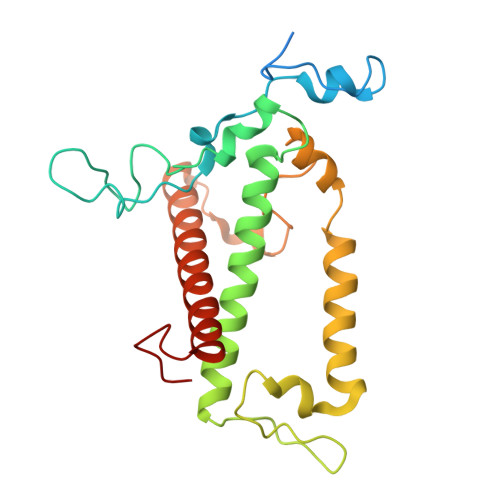
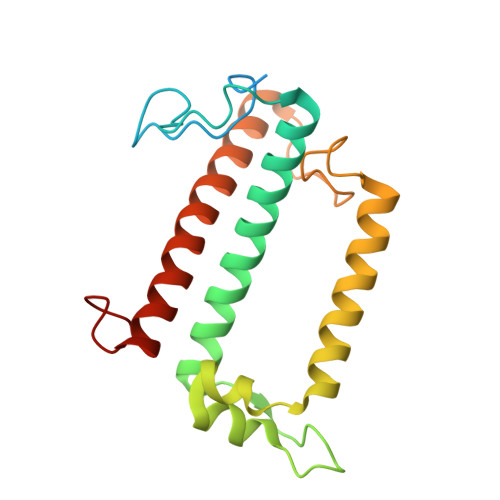
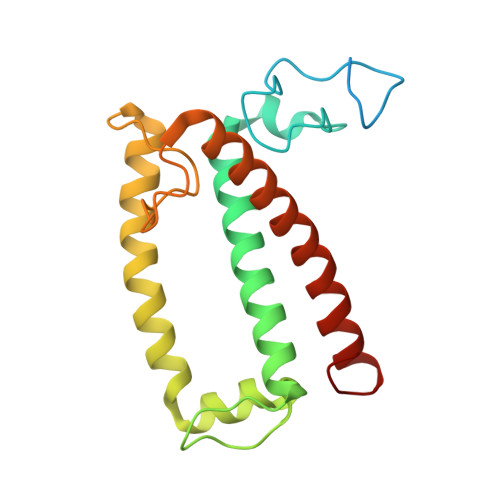
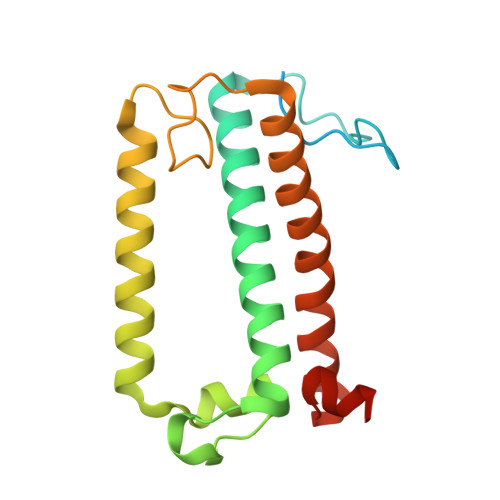
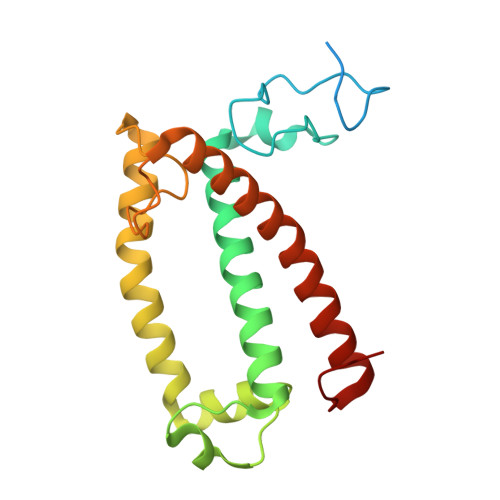
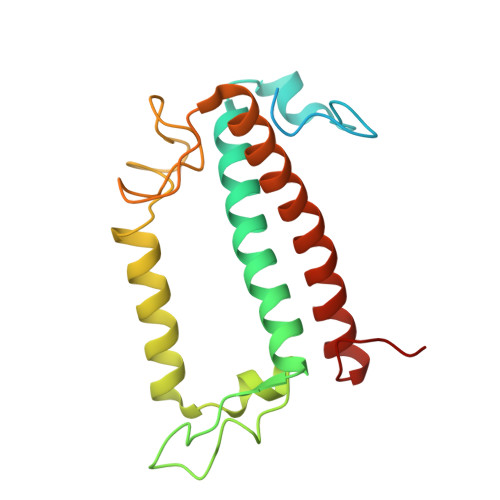
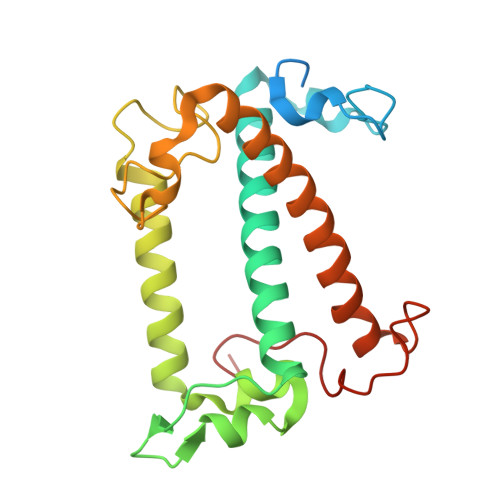
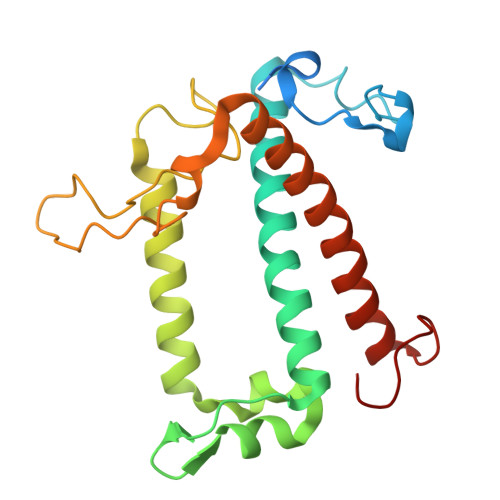
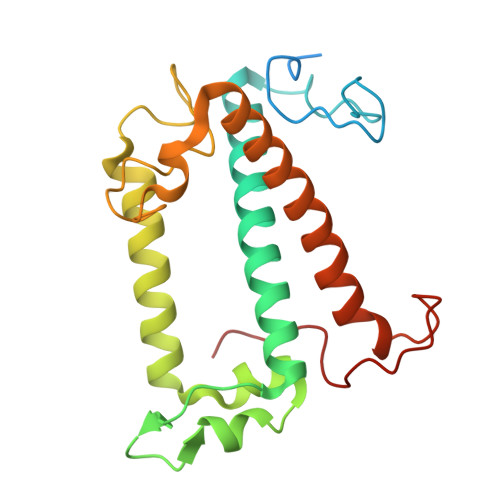
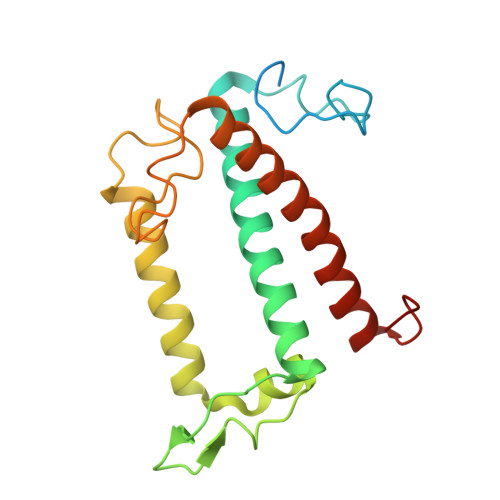
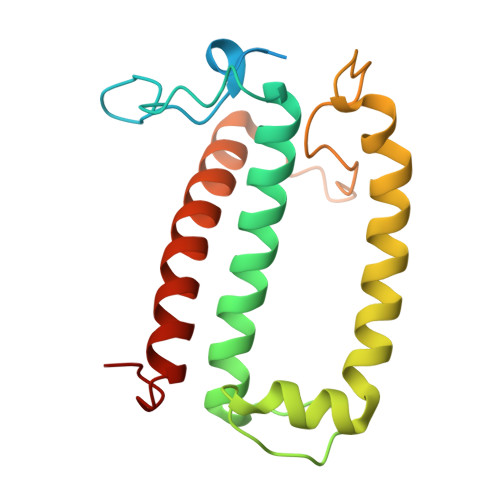
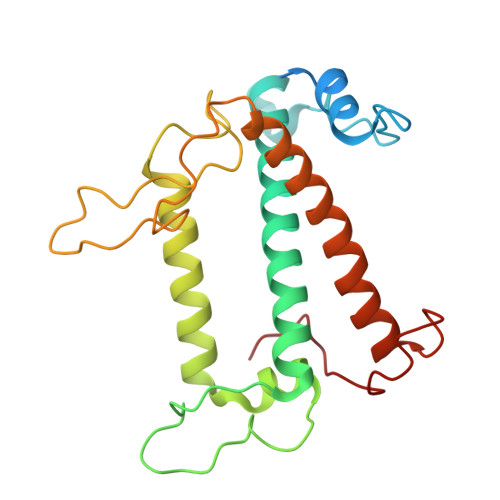
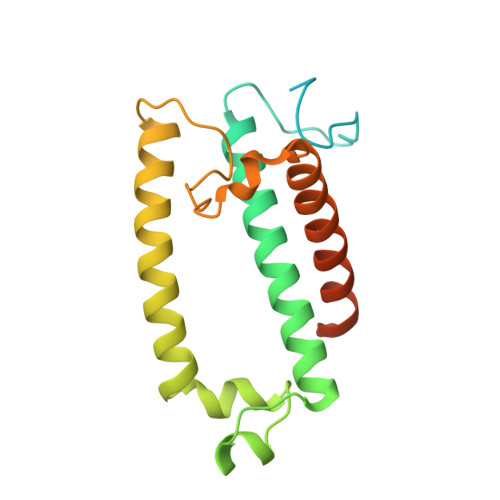
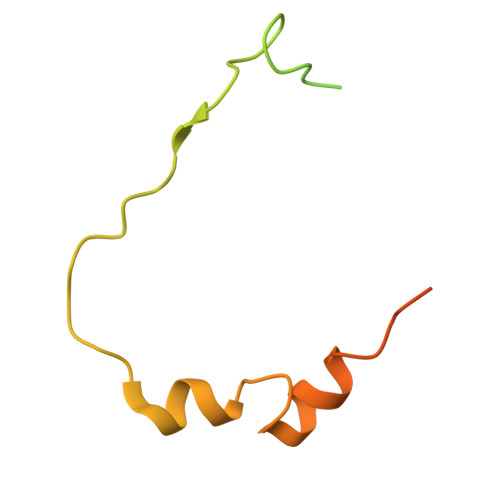
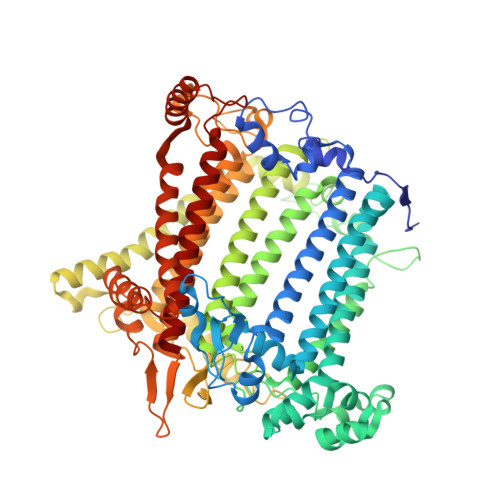
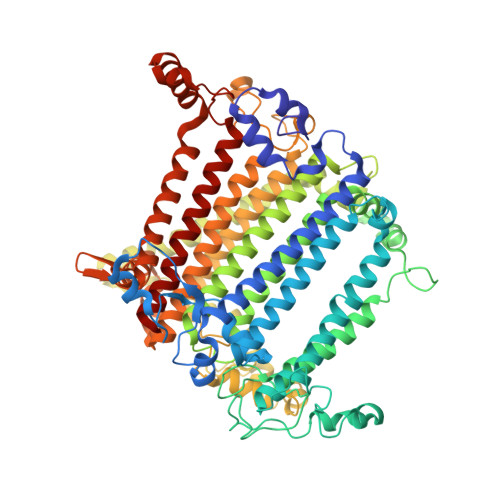
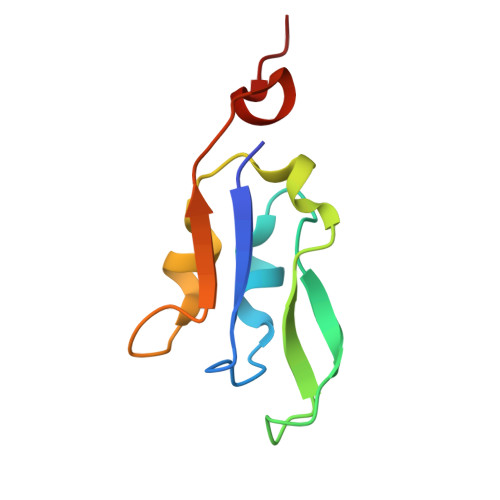
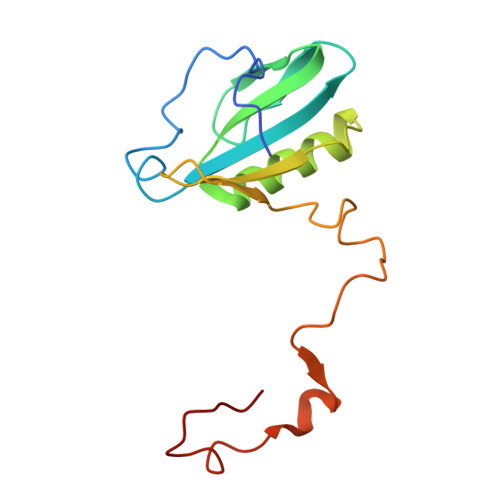
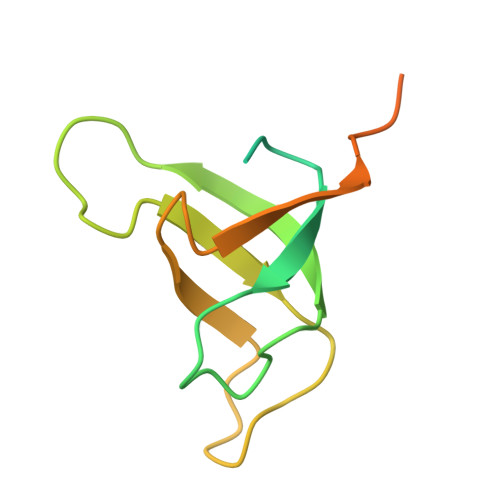
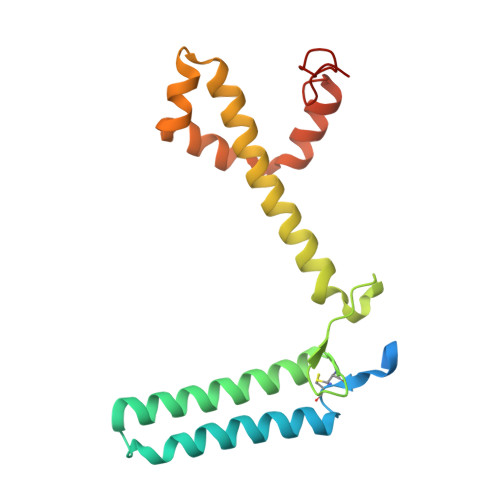
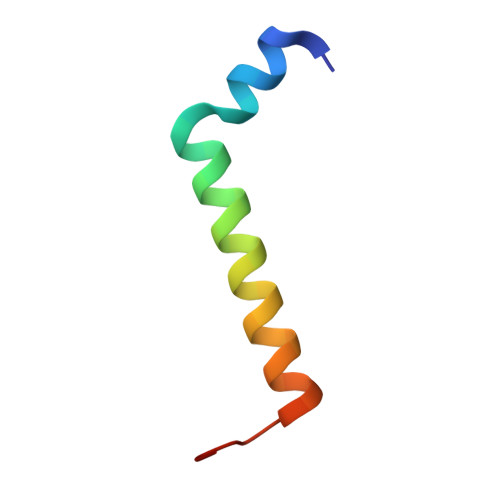
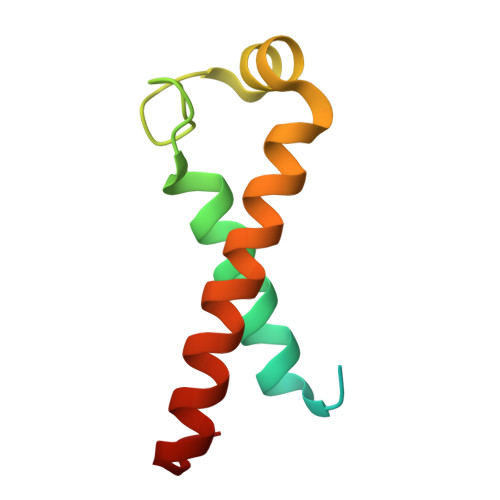
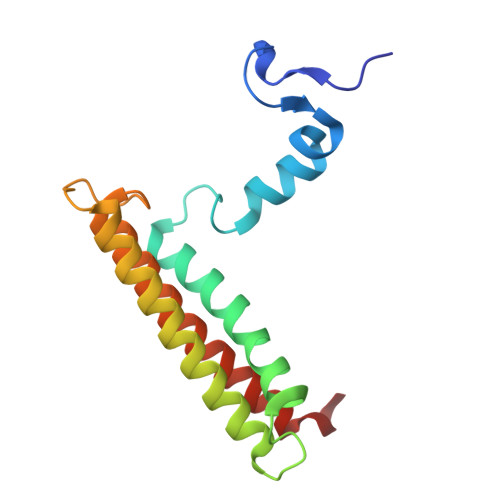
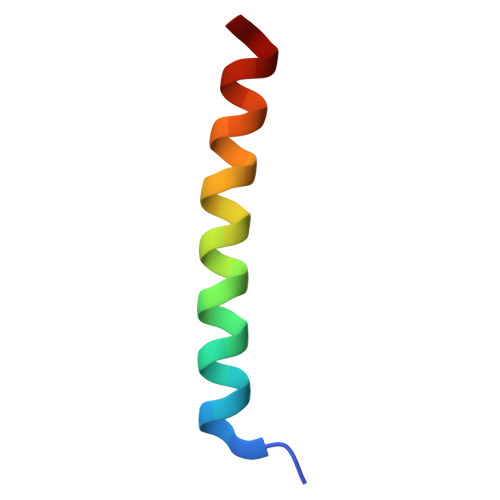
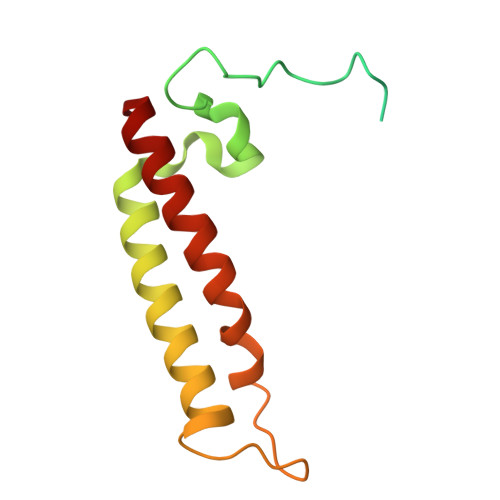
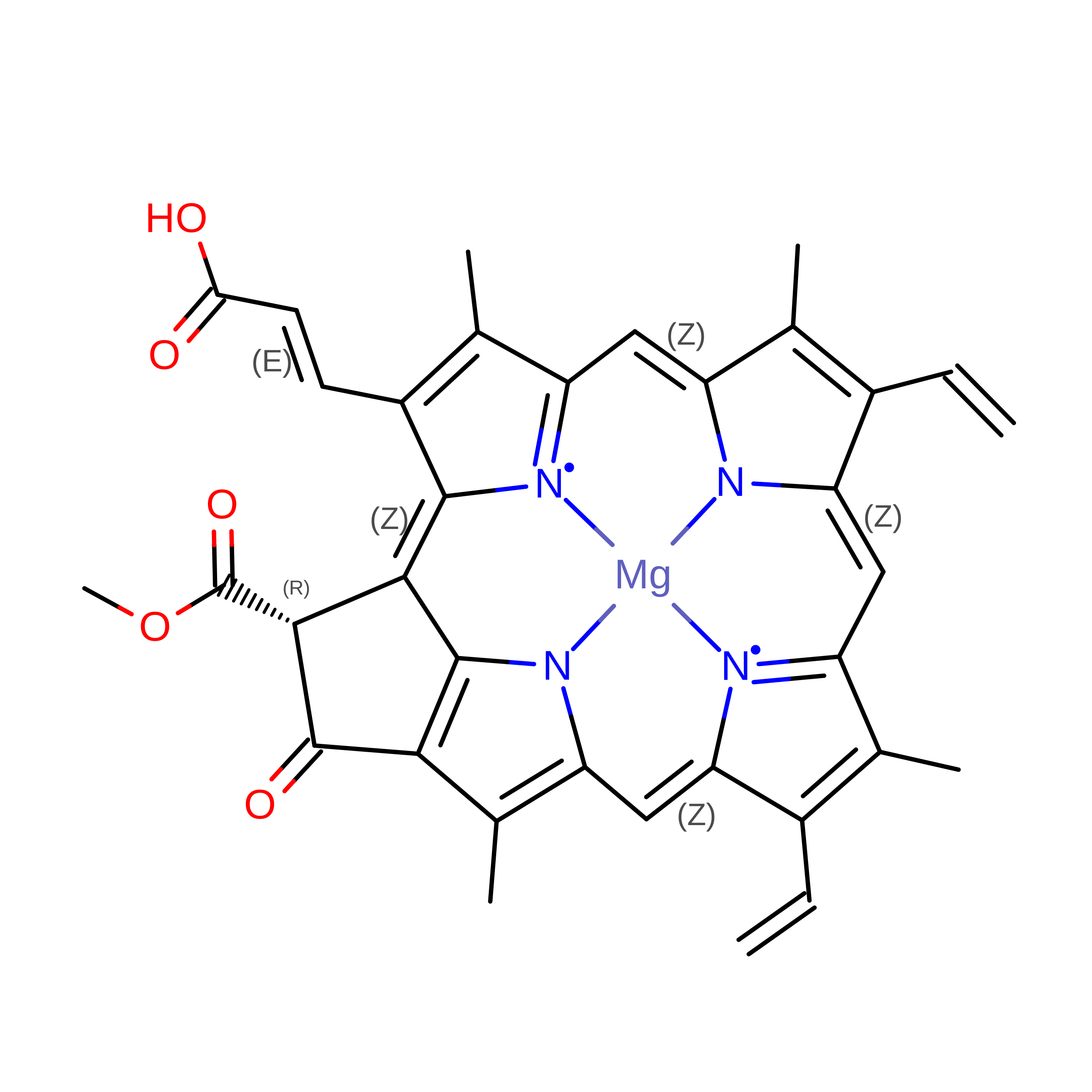
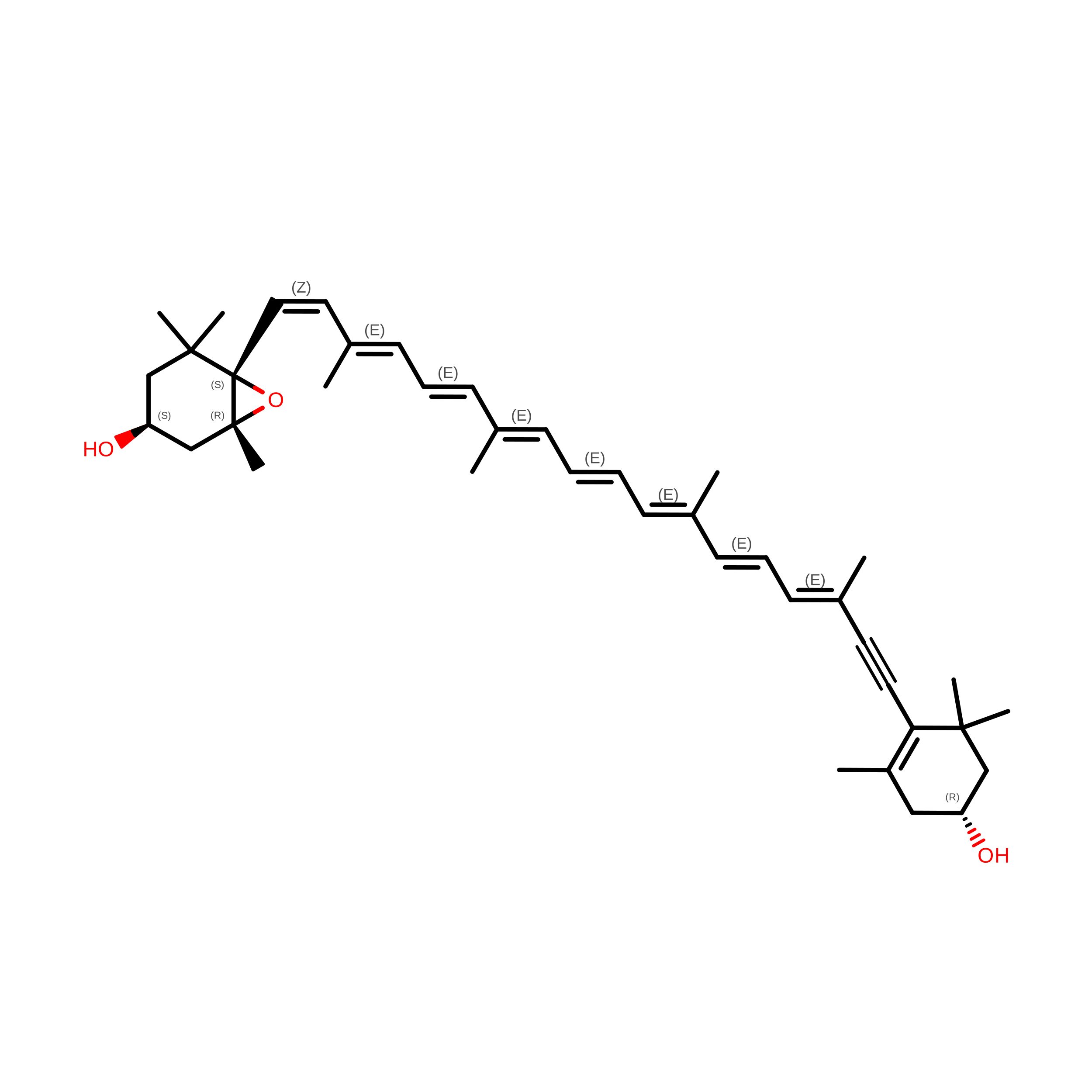
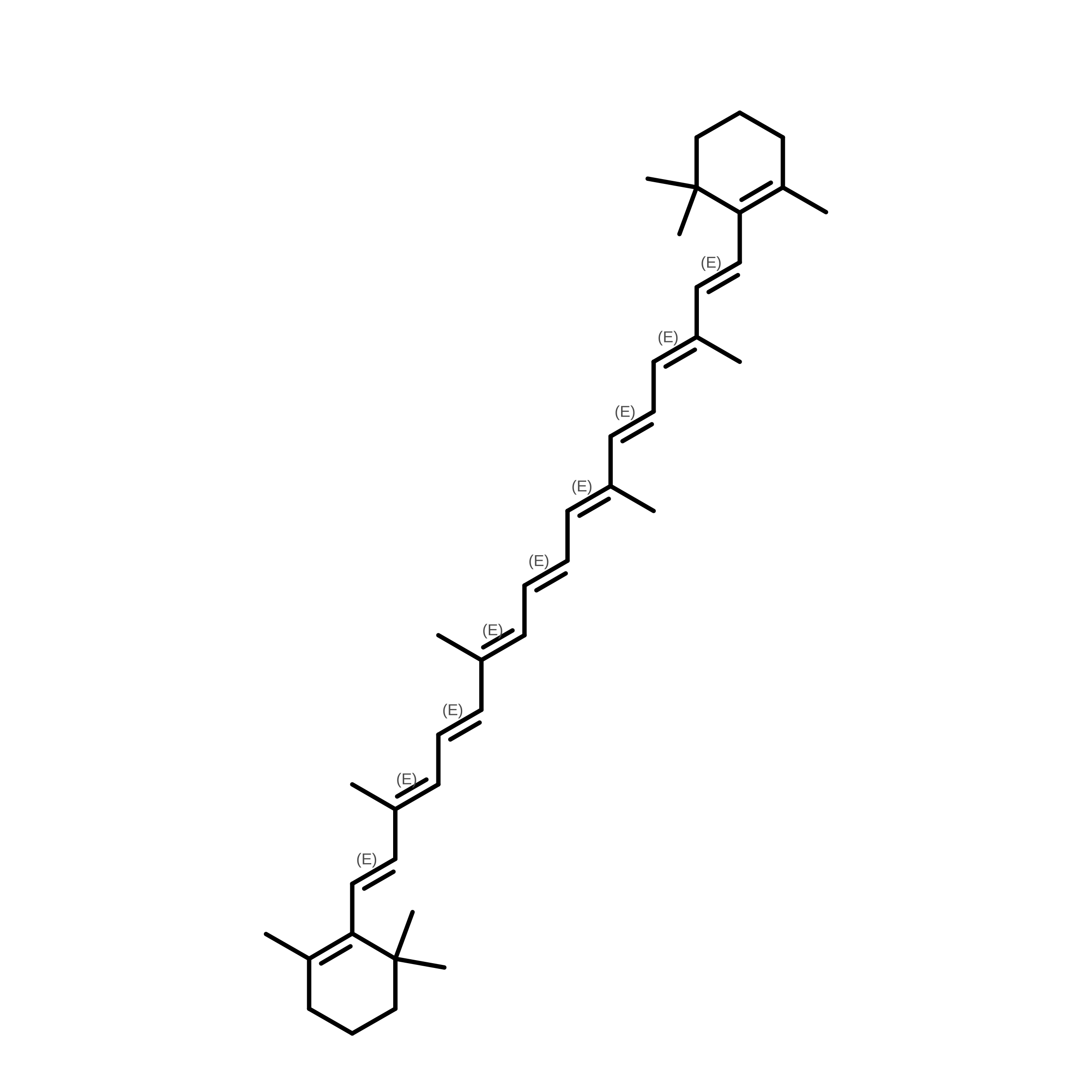
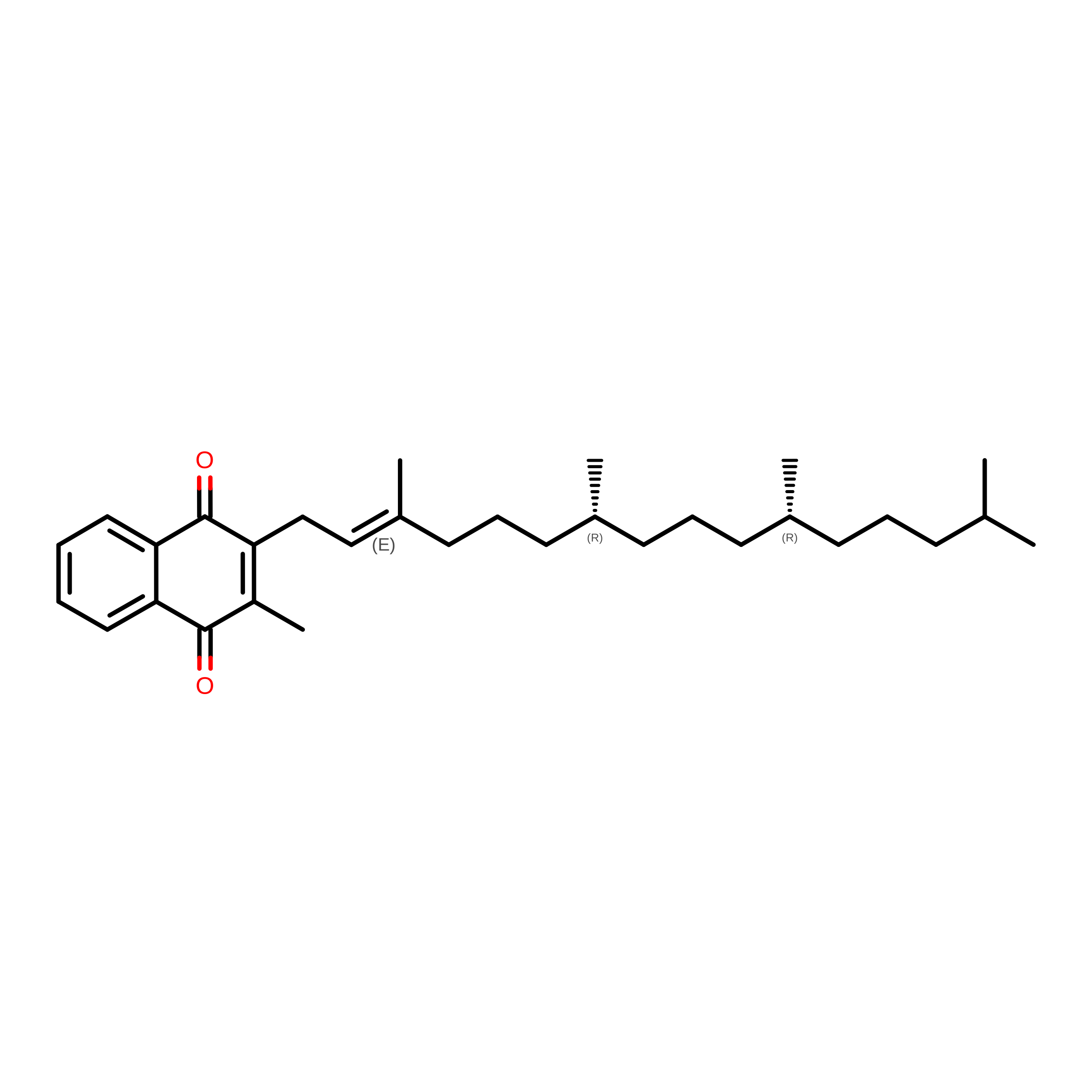
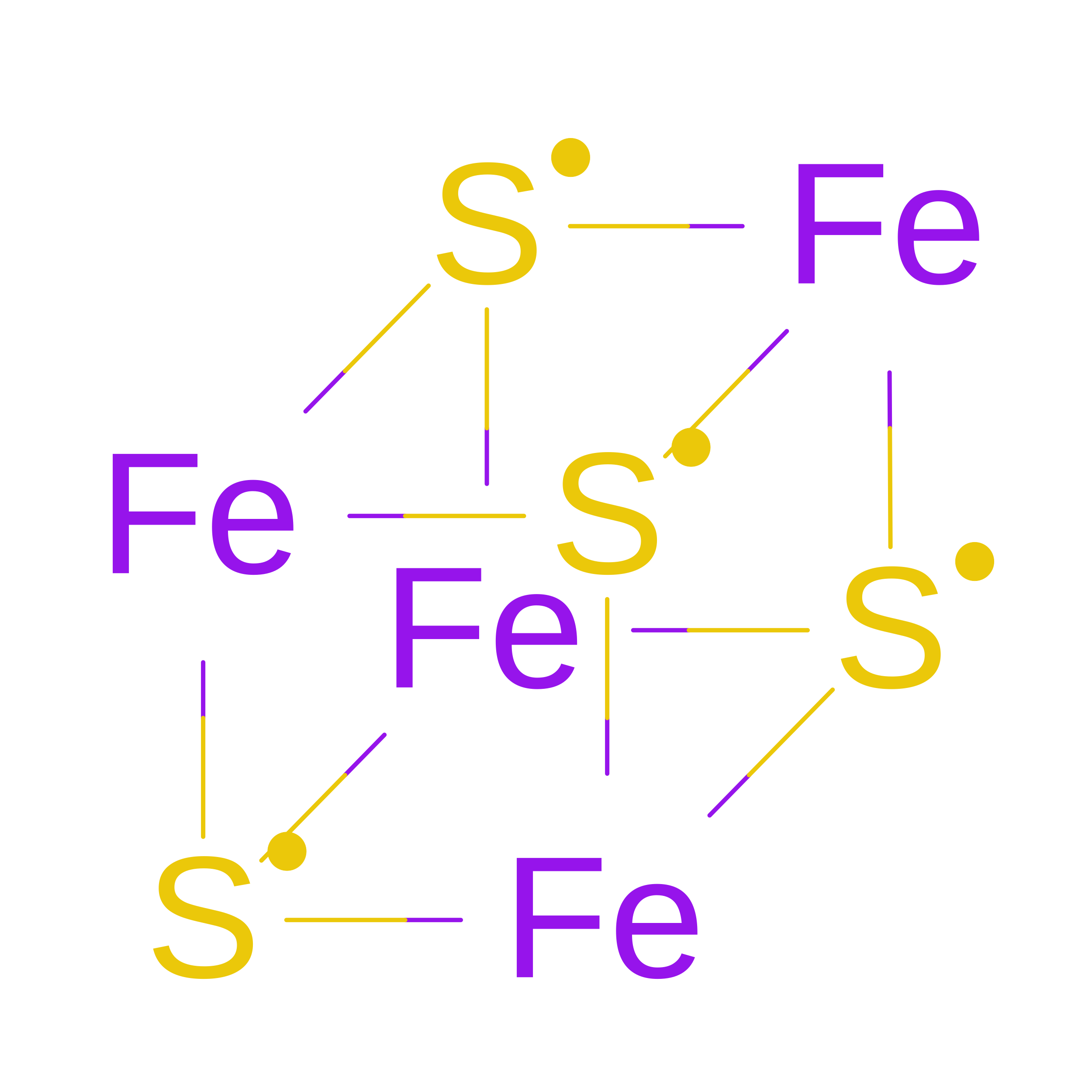
Haptophyta represents a major taxonomic group, with plastids derived from the primary plastids of red algae. Here, we elucidated the cryoelectron microscopy structure of the photosystem I-light-harvesting complex I (PSI-LHCI) supercomplex from the haptophyte Isochrysis galbana . The PSI core comprises 12 subunits, which have evolved differently from red algae and cryptophytes by losing the PsaO subunit while incorporating the PsaK subunit, which is absent in diatoms and dinoflagellates. The PSI core is encircled by 22 fucoxanthin-chlorophyll a / c -binding light-harvesting antenna proteins (iFCPIs) that form a trilayered antenna arrangement. Moreover, a pigment-binding subunit, L iFP , which has not been identified in any other previously characterized PSI-LHCI supercomplexes, was determined in I. galbana PSI-iFCPI, presumably facilitating the interactions and energy transfer between peripheral iFCPIs and the PSI core. Calculation of excitation energy transfer rates by computational simulations revealed that the intricate pigment network formed within PSI-iFCPI ensures efficient transfer of excitation energy. Overall, our study provides a solid structural foundation for understanding the light-harvesting and energy transfer mechanisms in haptophyte PSI-iFCPI and provides insights into the evolution and structural variations of red-lineage PSI-LHCIs.
Organizational Affiliation:
Marine Biotechnology Research Center, State Key Laboratory of Microbial Technology, Shandong University, Qingdao 266237, China.
Ministry of Education Key Laboratory of Evolution and Marine Biodiversity, Frontiers Science Center for Deep Ocean Multispheres and Earth System & College of Marine Life Sciences, Ocean University of China, Qingdao 266003, China.
Laboratory for Marine Biology and Biotechnology, Qingdao Marine Science and Technology Center, Qingdao 266237, China.
Hubei Key Laboratory of Agricultural Bioinformatics, College of Informatics, Huazhong Agricultural University, Wuhan 430070, China.
Institute of Systems, Molecular and Integrative Biology, University of Liverpool, Liverpool L69 7ZB, United Kingdom.

 Download Mendeley