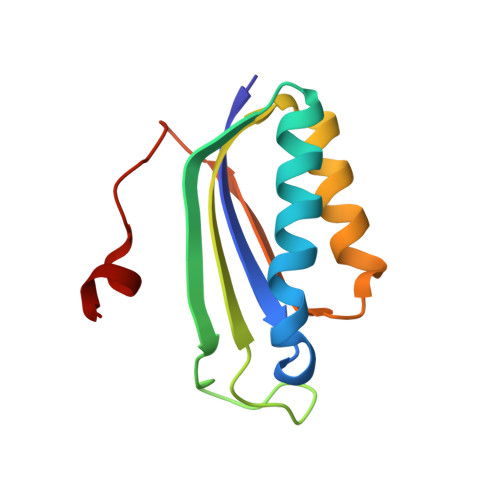
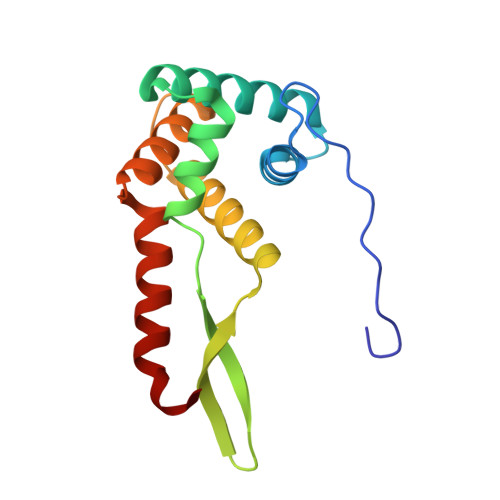
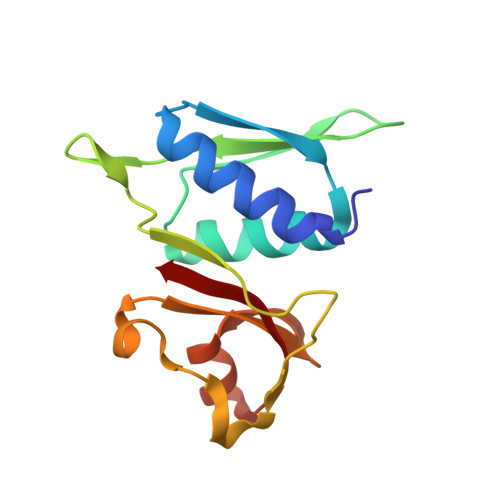
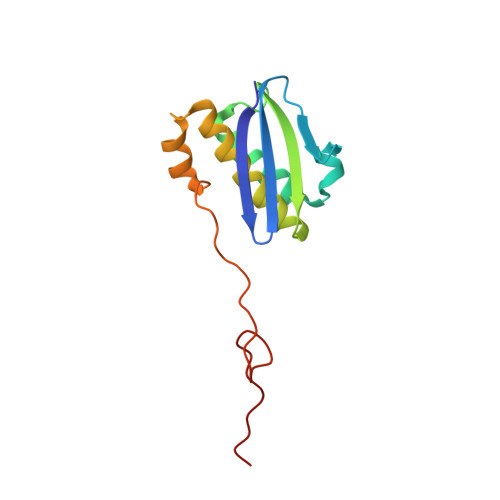
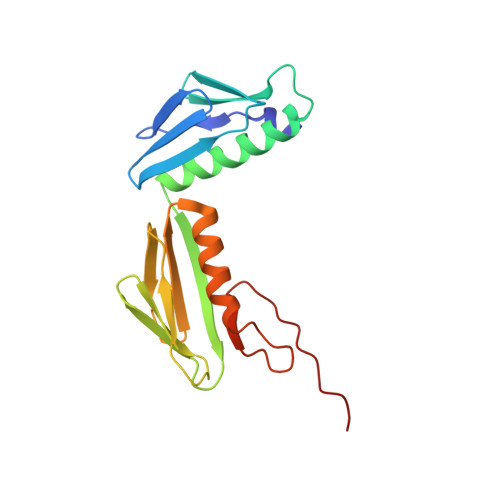
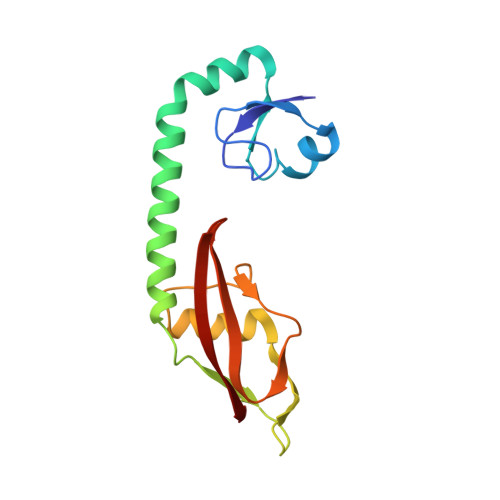
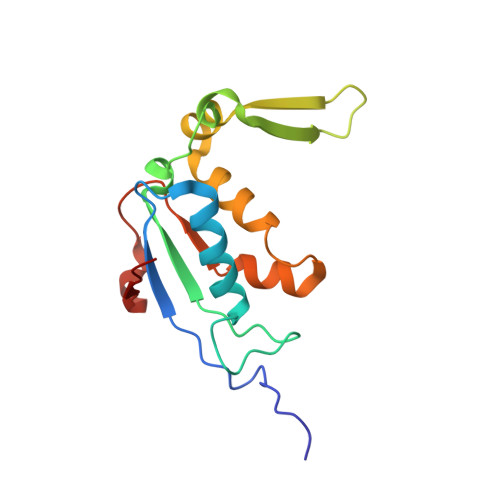
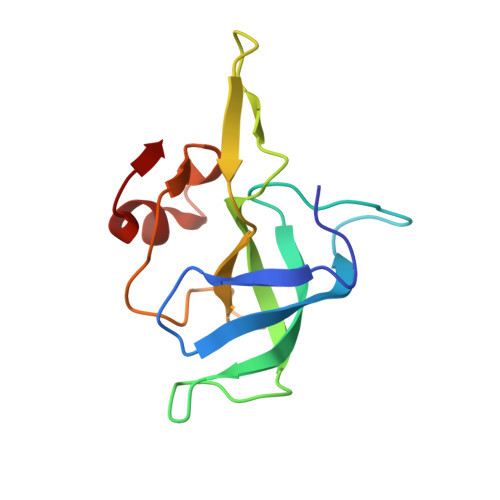
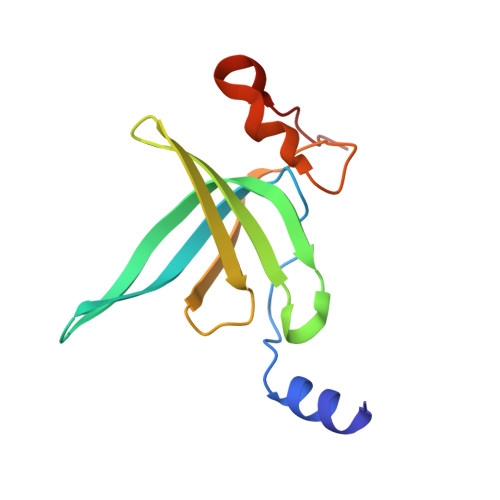
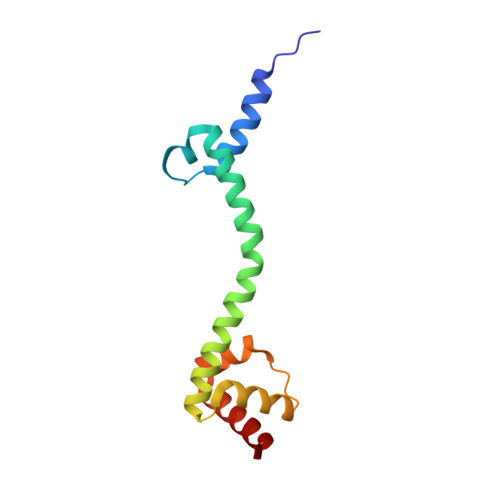
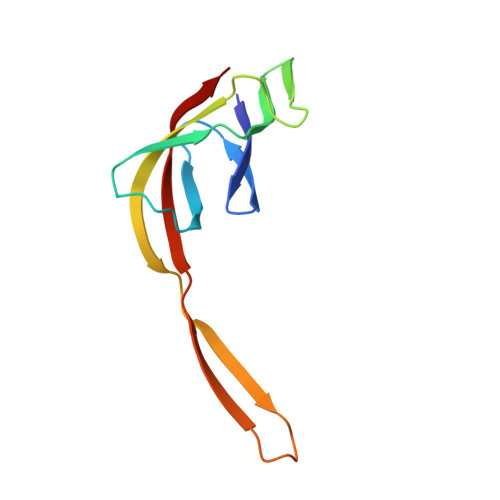
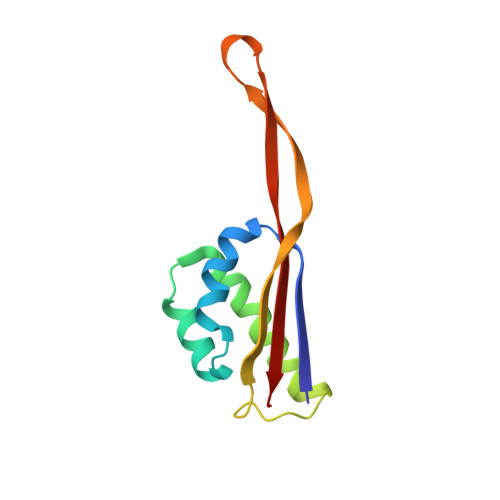
Find PDB structures and Computed Structure Models (CSM) by combining queries from tools in this suite: Attribute Search, Sequence Similarity, Sequence Motif, 3D Similarity, and 3D Motif with 'AND' logic.
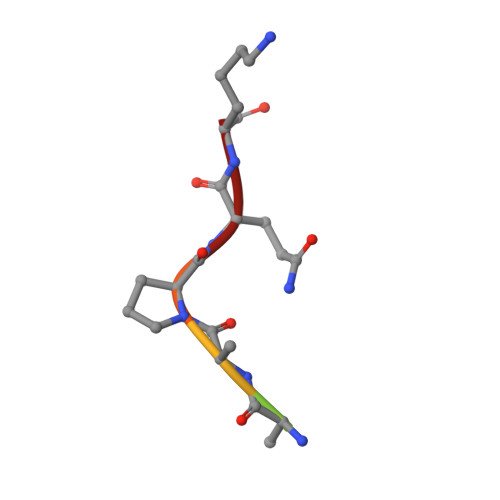
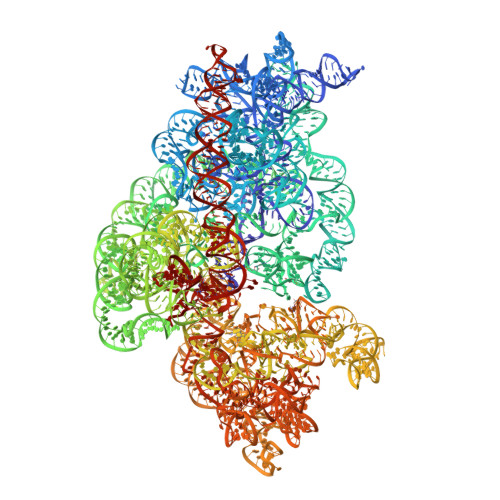
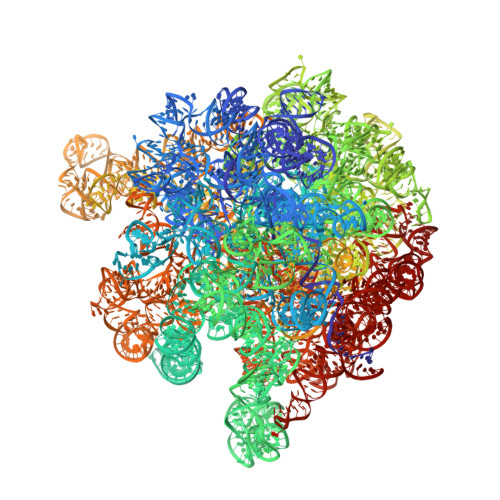
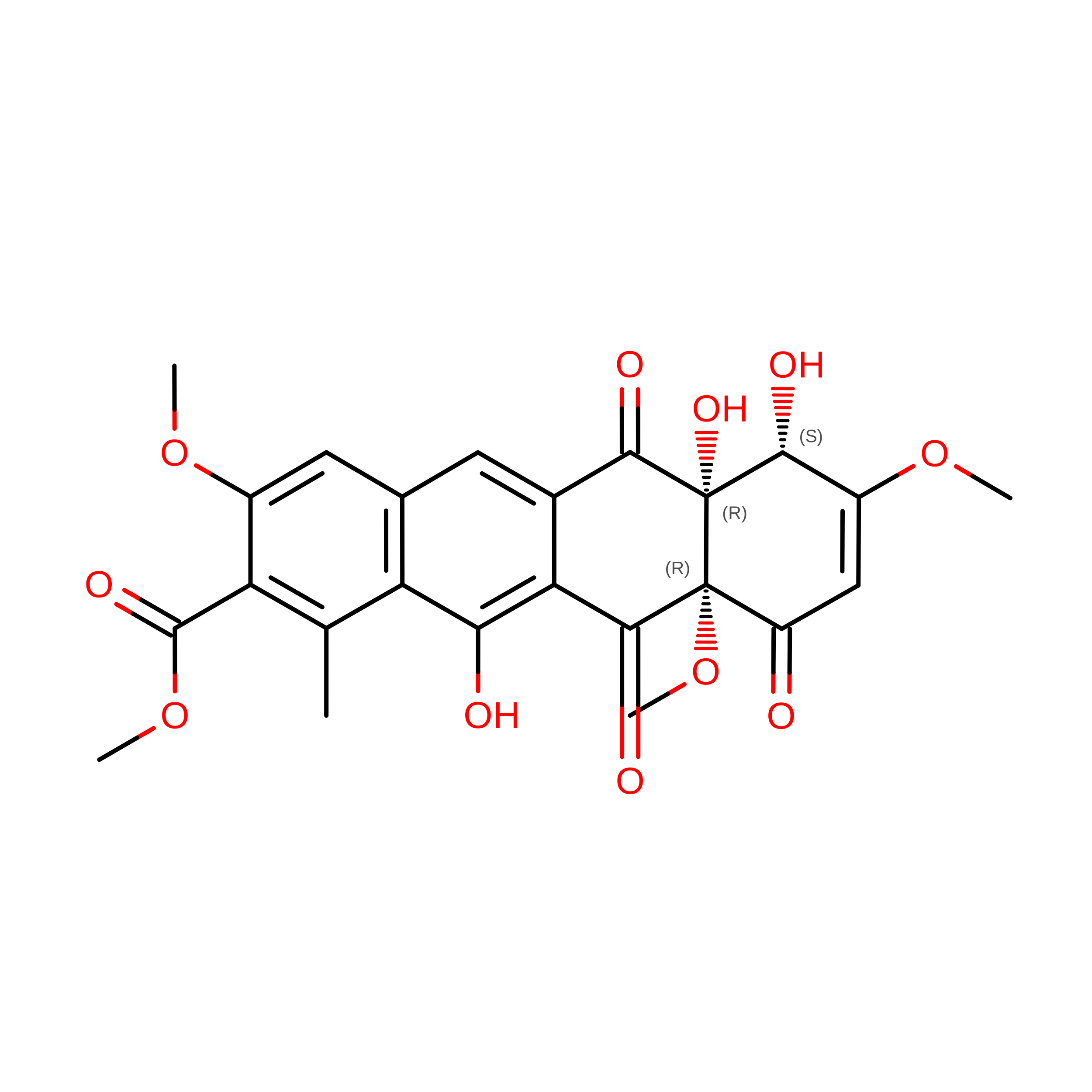
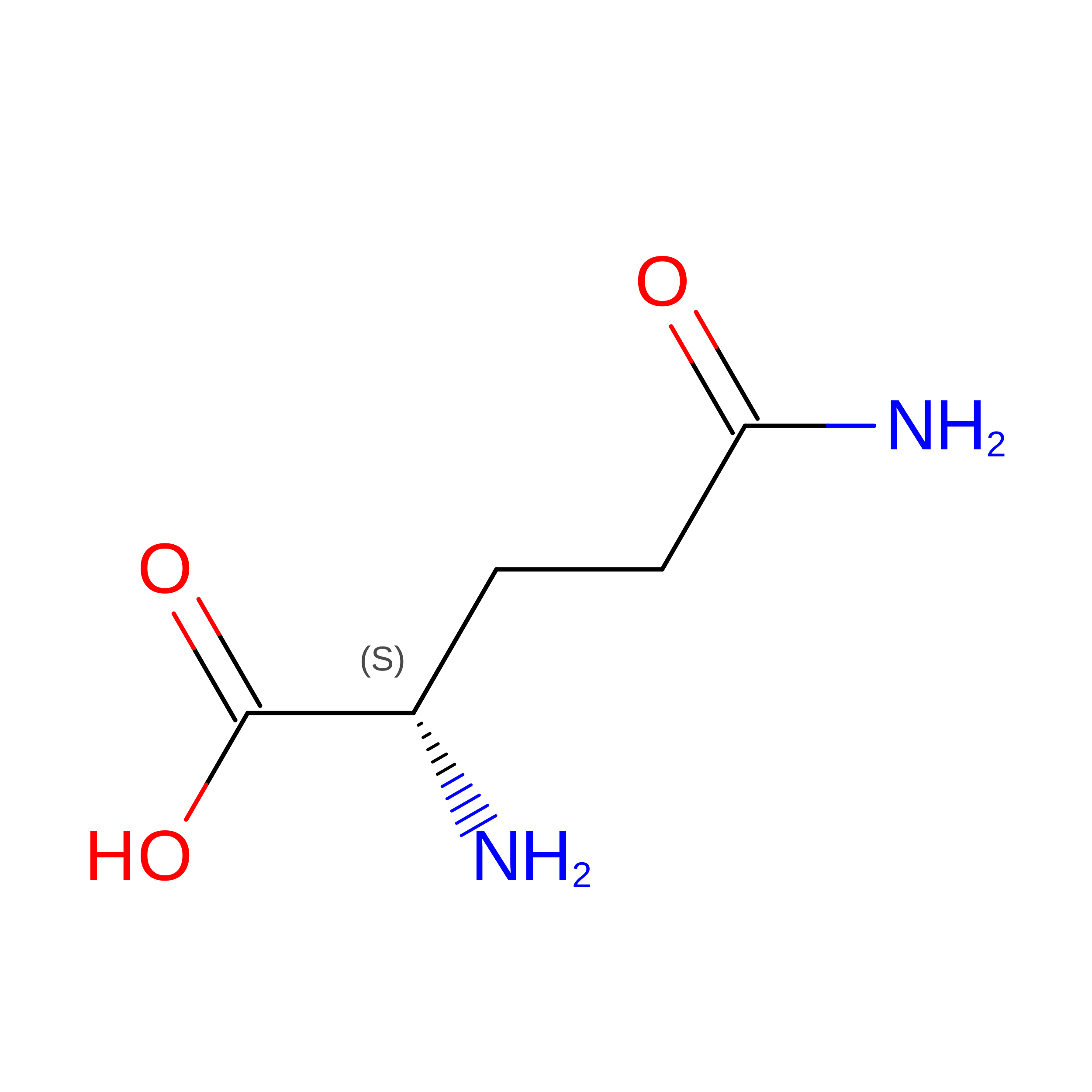
As antimicrobial resistance threatens our ability to treat common bacterial infections, new antibiotics with limited cross-resistance are urgently needed. In this regard, natural products that target the bacterial ribosome have the potential to be developed into potent drugs through structure-guided design, provided their mechanisms of action are well understood. Here we use inverse toeprinting coupled to next-generation sequencing to show that the aromatic polyketide tetracenomycin X primarily inhibits peptide bond formation between an incoming aminoacyl-tRNA and a terminal Gln-Lys (QK) motif in the nascent polypeptide. Using cryogenic electron microscopy, we reveal that translation inhibition at QK motifs occurs via an unusual mechanism involving sequestration of the 3' adenosine of peptidyl-tRNA Lys in the drug-occupied nascent polypeptide exit tunnel of the ribosome. Our study provides mechanistic insights into the mode of action of tetracenomycin X on the bacterial ribosome and suggests a path forward for the development of novel aromatic polyketide antibiotics.
Organizational Affiliation:
ARNA Laboratory, UMR 5320, U1212, Institut Européen de Chimie et Biologie, Univ. Bordeaux, Centre National de la Recherche Scientifique, Institut National de la Santé et de la Recherche Médicale, Pessac, France.
Human Technopole, Milan, Italy.
ARNA Laboratory, UMR 5320, U1212, Institut Européen de Chimie et Biologie, Univ. Bordeaux, Centre National de la Recherche Scientifique, Institut National de la Santé et de la Recherche Médicale, Pessac, France. thibaud.renault@cnrs.fr.
ARNA Laboratory, UMR 5320, U1212, Institut Européen de Chimie et Biologie, Univ. Bordeaux, Centre National de la Recherche Scientifique, Institut National de la Santé et de la Recherche Médicale, Pessac, France. axel.innis@inserm.fr.

 Download Mendeley