Find PDB structures and Computed Structure Models (CSM) by combining queries from tools in this suite: Attribute Search, Sequence Similarity, Sequence Motif, 3D Similarity, and 3D Motif with 'AND' logic.
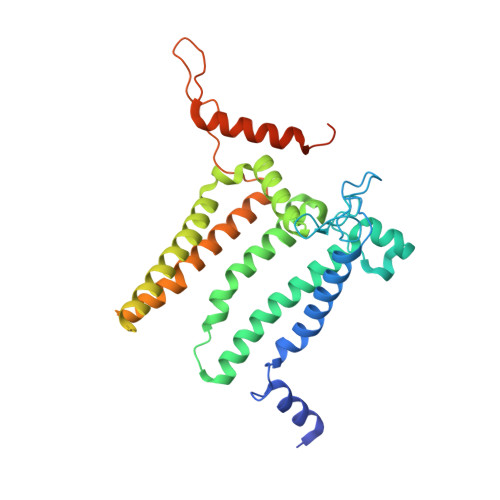
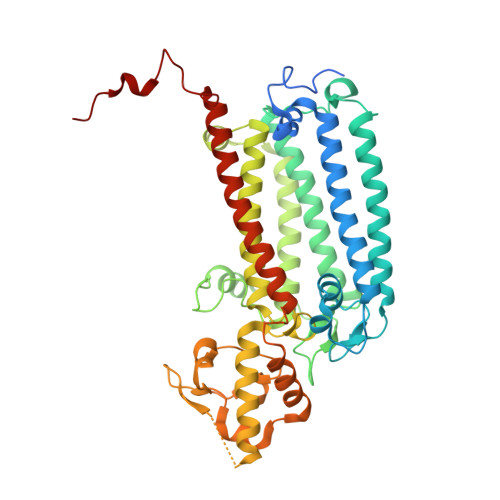
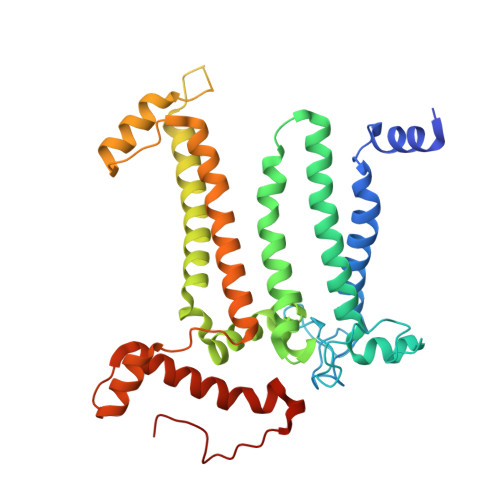
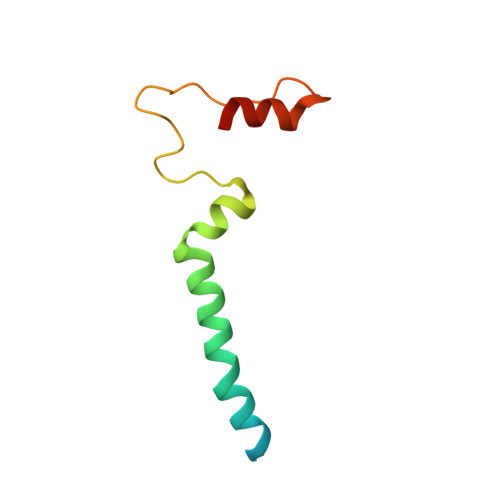
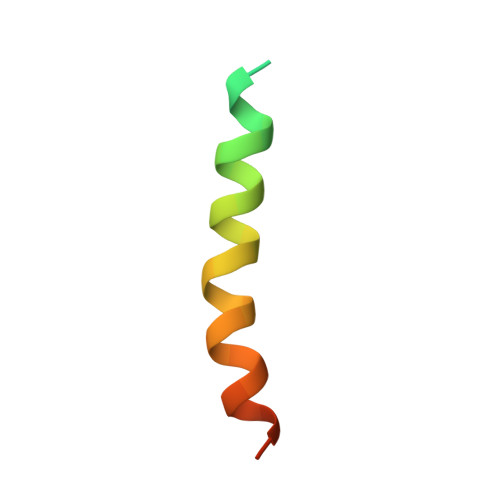
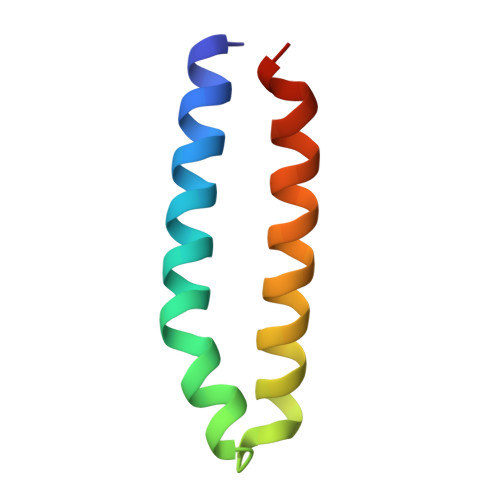
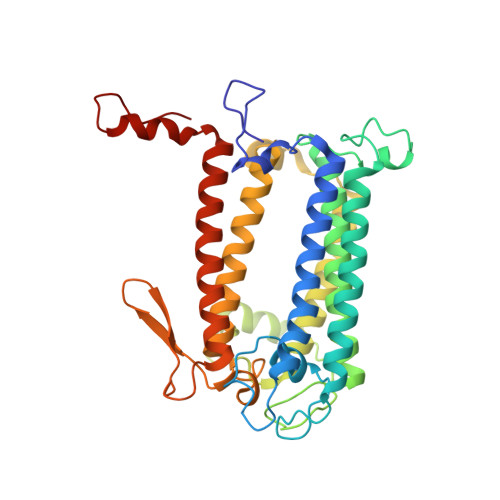
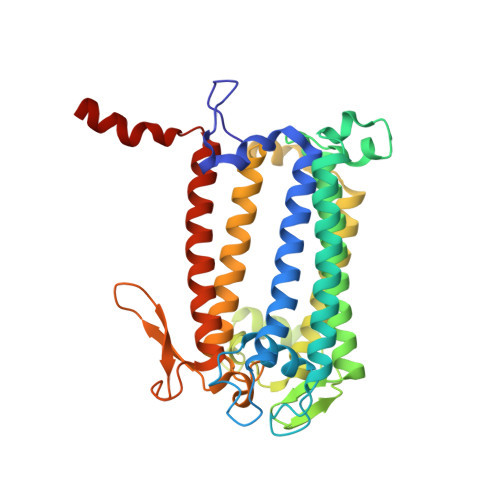
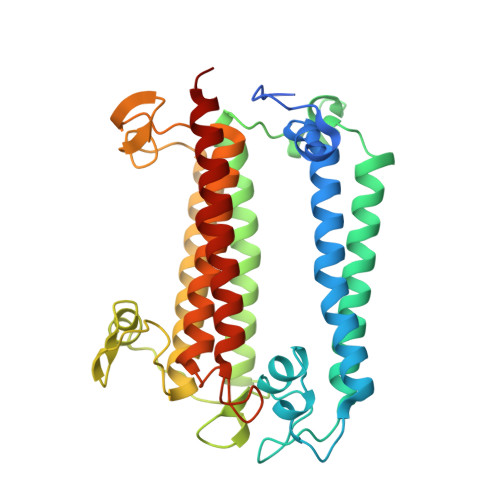
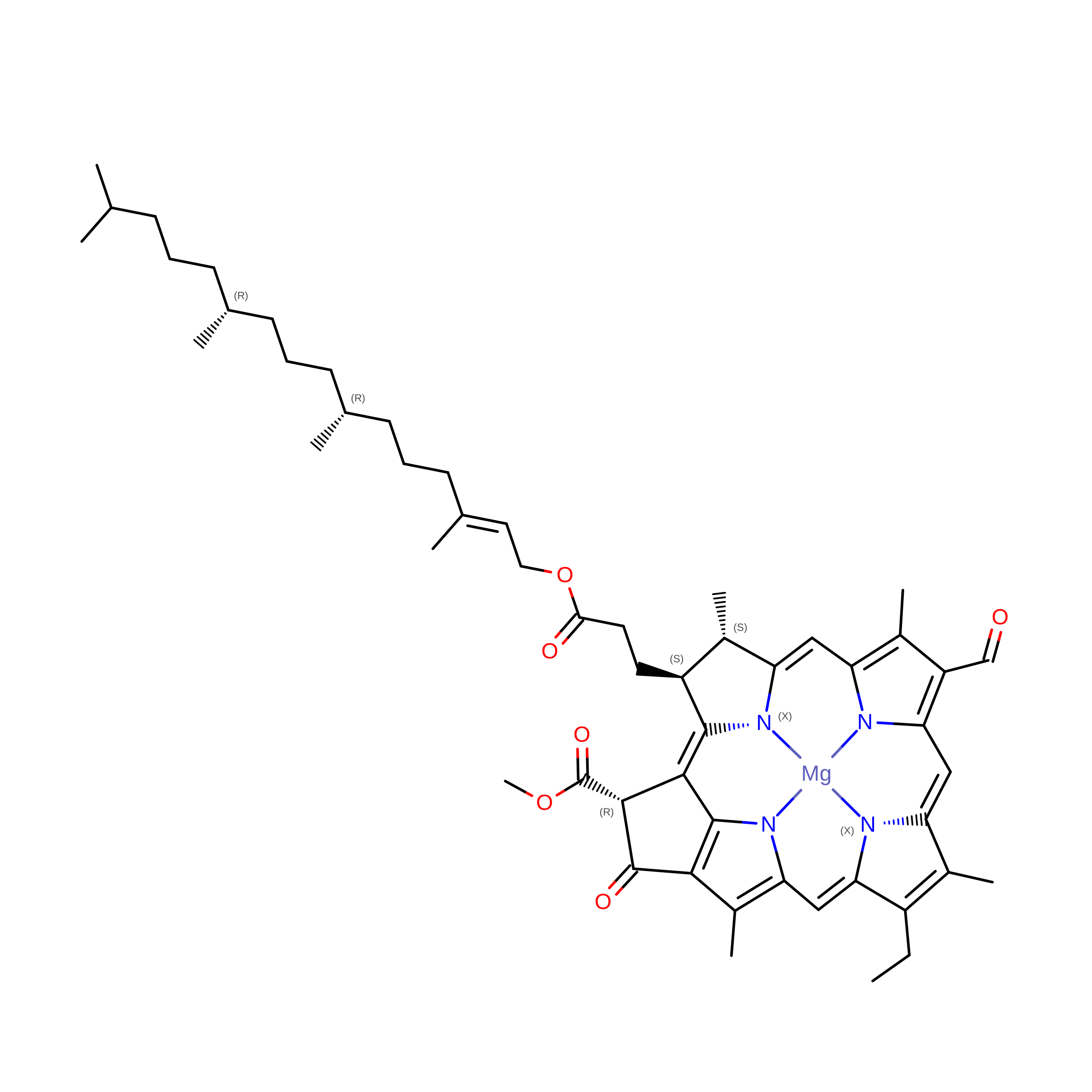
Acaryochloris marina is a unique cyanobacterium using chlorophyll d (Chl d ) as its major pigment and thus can use far-red light for photosynthesis. Photosystem II (PSII) of A. marina associates with a number of prochlorophyte Chl-binding (Pcb) proteins to act as the light-harvesting system. We report here the cryo-electron microscopic structure of a PSII-Pcb megacomplex from A. marina at a 3.6-angstrom overall resolution and a 3.3-angstrom local resolution. The megacomplex is organized as a tetramer consisting of two PSII core dimers flanked by sixteen symmetrically related Pcb proteins, with a total molecular weight of 1.9 megadaltons. The structure reveals the detailed organization of PSII core consisting of 15 known protein subunits and an unknown subunit, the assembly of 4 Pcb antennas within each PSII monomer, and possible pathways of energy transfer within the megacomplex, providing deep insights into energy transfer and dissipation mechanisms within the PSII-Pcb megacomplex involved in far-red light utilization.
Organizational Affiliation:
Cryo-EM Centre, Southern University of Science and Technology, Shenzhen 518055, China.
Photosynthesis Research Center, Key Laboratory of Photobiology, Institute of Botany, Chinese Academy of Sciences, Beijing 100093, China.
China National Botanical Garden, Beijing 100093, China.
Department of Biophysics, and Department of Pathology of Sir Run Run Shaw Hospital, Zhejiang University School of Medicine, Hangzhou 310058, China.
College of Life Sciences, Zhejiang University, Hangzhou 310058, China.
School of Life and Environmental Science, Faculty of Science, University of Sydney, Sydney NSW 2006, Australia.
Center of Cryo-Electron Microscopy, Zhejiang University School of Medicine, Hangzhou 310058, China.
Zhejiang Laboratory for System and Precision Medicine, Zhejiang University Medical Center, 1369 West Wenyi Road, Hangzhou 311121, China.
Institute for Interdisciplinary Science, and Graduate School of Natural Science and Technology, Okayama University, Okayama 700-8530, Japan.

 Download Mendeley