7LTB | pdb_00007ltb

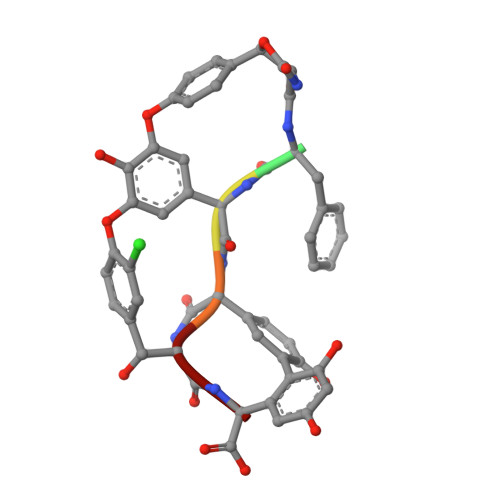
Crystal Structure of Keratinicyclin B


Experimental Data Snapshot

  • Method: X-RAY DIFFRACTION
  • Resolution: 0.95 Å
  • R-Value Free: 
    0.151 (Depositor), 0.152 (DCC) 
  • R-Value Work: 
    0.146 (Depositor), 0.147 (DCC) 
  • R-Value Observed: 
    0.146 (Depositor) 

Starting Model: experimental
View more details

wwPDB Validation 3D Report Full Report

Validation slider image for 7LTB

Ligand Structure Quality Assessment 


This is version 2.1 of the entry. See complete history

Literature

Potent and specific antibiotic combination therapy against Clostridioides difficile.

Chioti, V.T.McWhorter, K.L.Blue, T.C.Li, Y.Xu, F.Jeffrey, P.D.Davis, K.M.Seyedsayamdost, M.R.

(2024) Nat Chem Biol 20: 924-933

  • DOI: https://doi.org/10.1038/s41589-024-01651-z
  • Primary Citation Related Structures: 
    7LKC, 7LTB

  • PubMed Abstract: 

    Keratinicyclins and keratinimicins are recently discovered glycopeptide antibiotics. Keratinimicins show broad-spectrum activity against Gram-positive bacteria, while keratinicyclins form a new chemotype by virtue of an unusual oxazolidinone moiety and exhibit specific antibiosis against Clostridioides difficile. Here we report the mechanism of action of keratinicyclin B (KCB). We find that steric constraints preclude KCB from binding peptidoglycan termini. Instead, KCB inhibits C. difficile growth by binding wall teichoic acids (WTAs) and interfering with cell wall remodeling. A computational model, guided by biochemical studies, provides an image of the interaction of KCB with C. difficile WTAs and shows that the same H-bonding framework used by glycopeptide antibiotics to bind peptidoglycan termini is used by KCB for interacting with WTAs. Analysis of KCB in combination with vancomycin (VAN) shows highly synergistic and specific antimicrobial activity, and that nanomolar combinations of the two drugs are sufficient for complete growth inhibition of C. difficile, while leaving common commensal strains unaffected.


  • Organizational Affiliation
    • Department of Chemistry, Princeton University, Princeton, NJ, USA.

Macromolecule Content 

  • Total Structure Weight: 3.44 kDa 
  • Atom Count: 277 
  • Modeled Residue Count: 12 
  • Deposited Residue Count: 12 
  • Unique protein chains: 1

Macromolecules

Find similar proteins by:  Sequence   |   3D Structure  
Entity ID: 1
MoleculeChains  Sequence LengthOrganismDetailsImage
Keratinicyclin B peptide moiety
A, B
6Amycolatopsis keratiniphilaMutation(s): 0 

Oligosaccharides

Help  
Entity ID: 2
MoleculeChains Length2D Diagram GlycosylationD Interactions
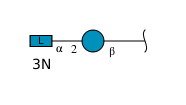
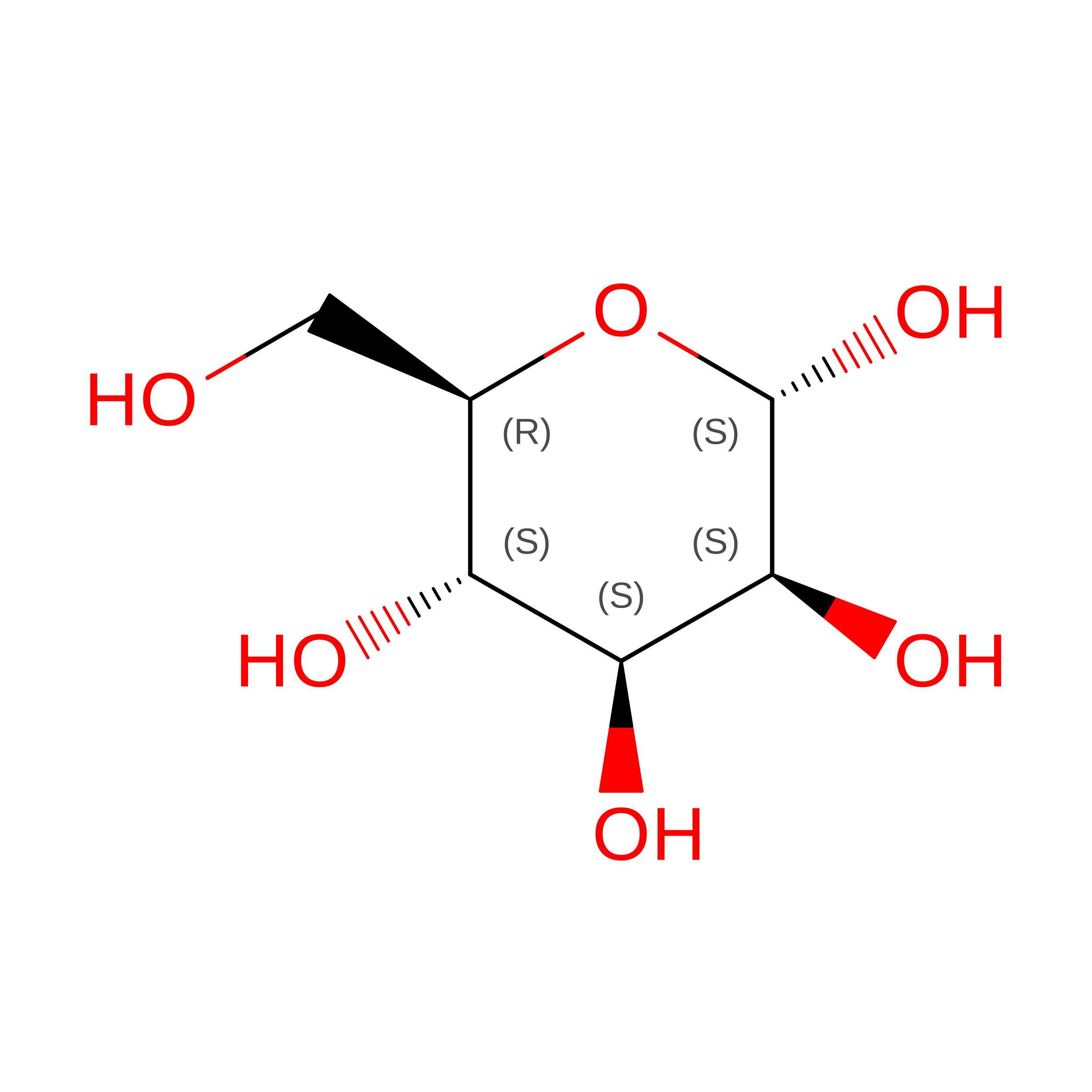
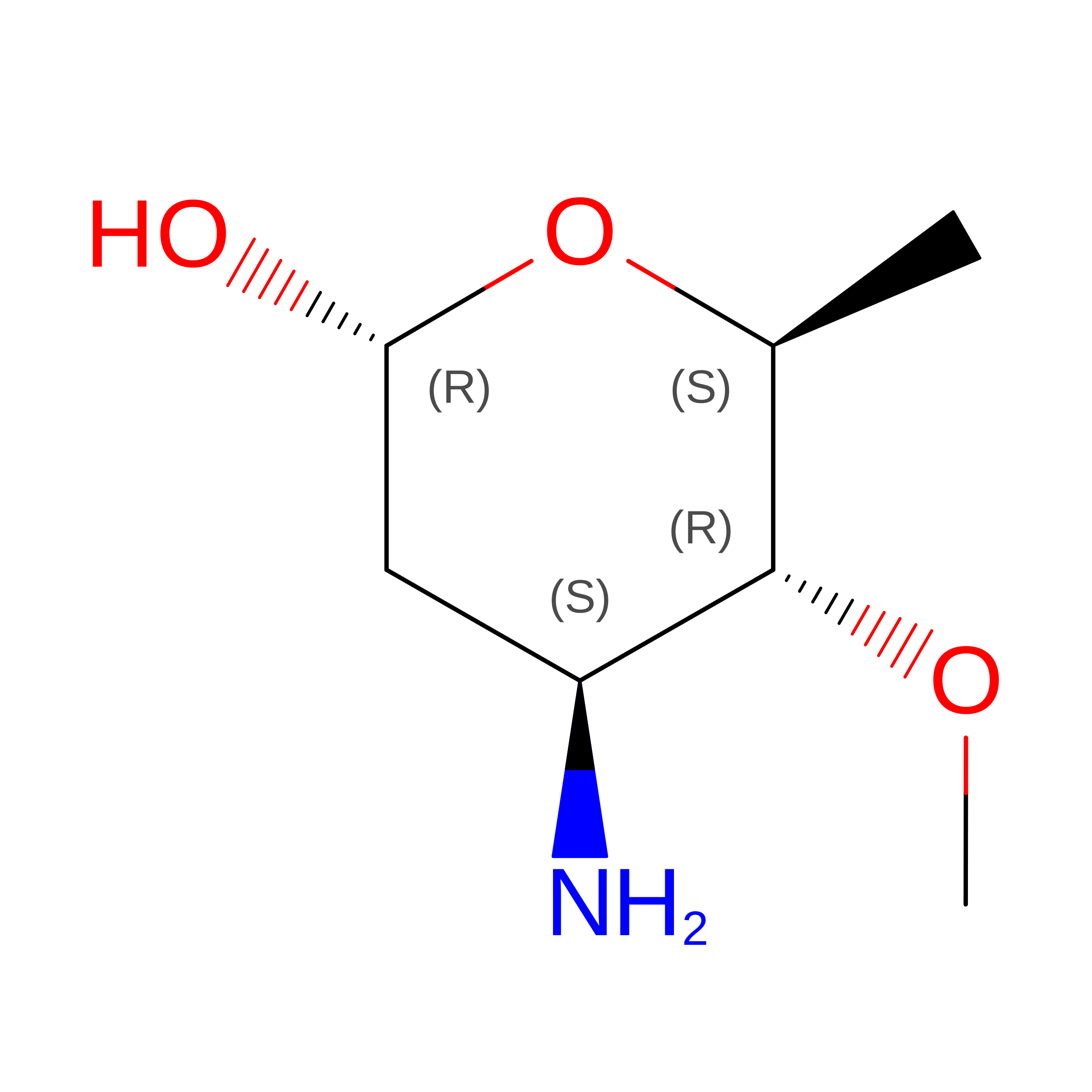
3-ammonio-2,3,6-trideoxy-alpha-L-arabino-hexopyranose-(1-2)-beta-D-glucopyranoseC [auth F],
D [auth J]
2N/A

Small Molecules

Modified Residues  1 Unique
IDChains TypeFormula2D DiagramParent
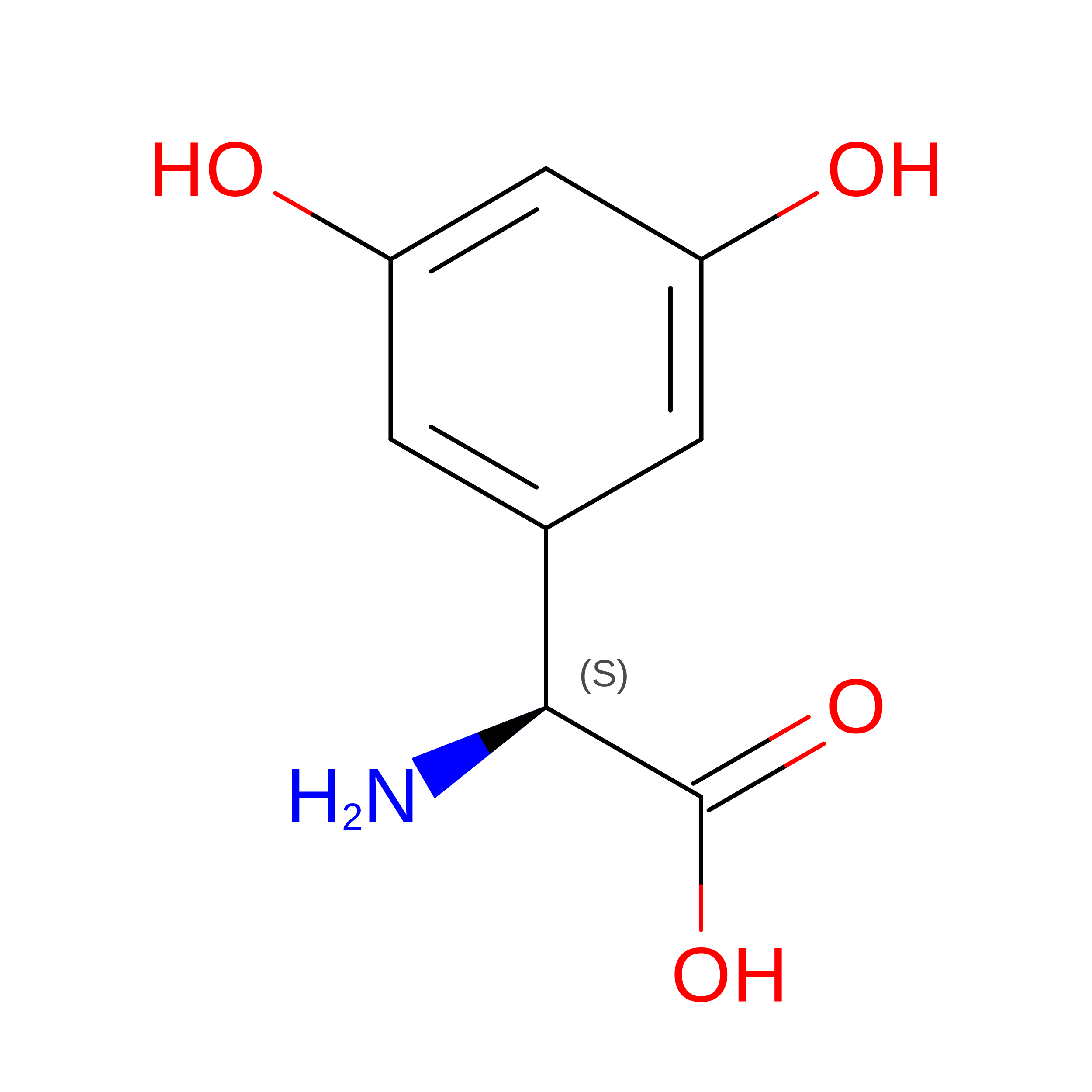
3FG
Query on 3FG
A, B
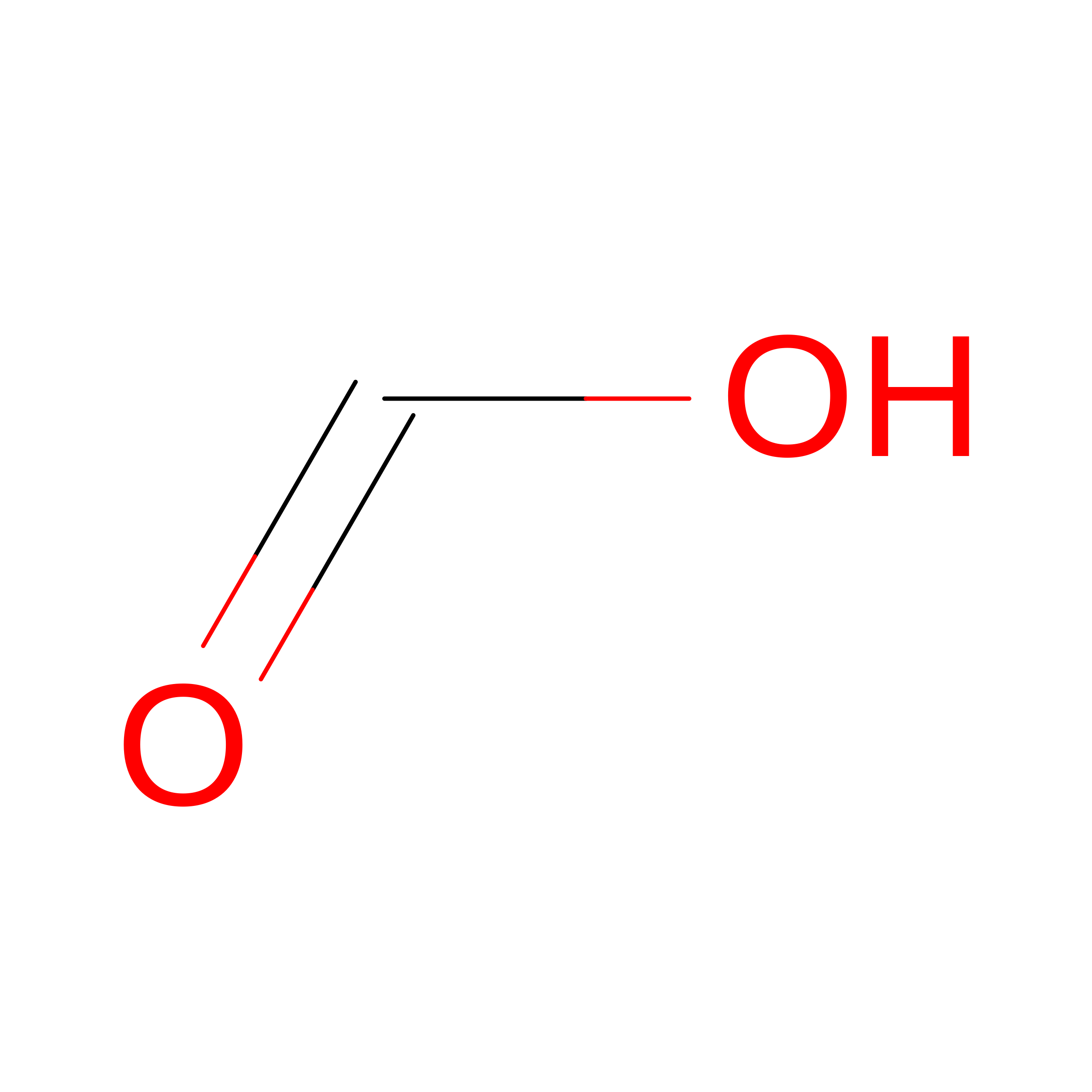
L-PEPTIDE LINKINGC8 H9 N O4

--

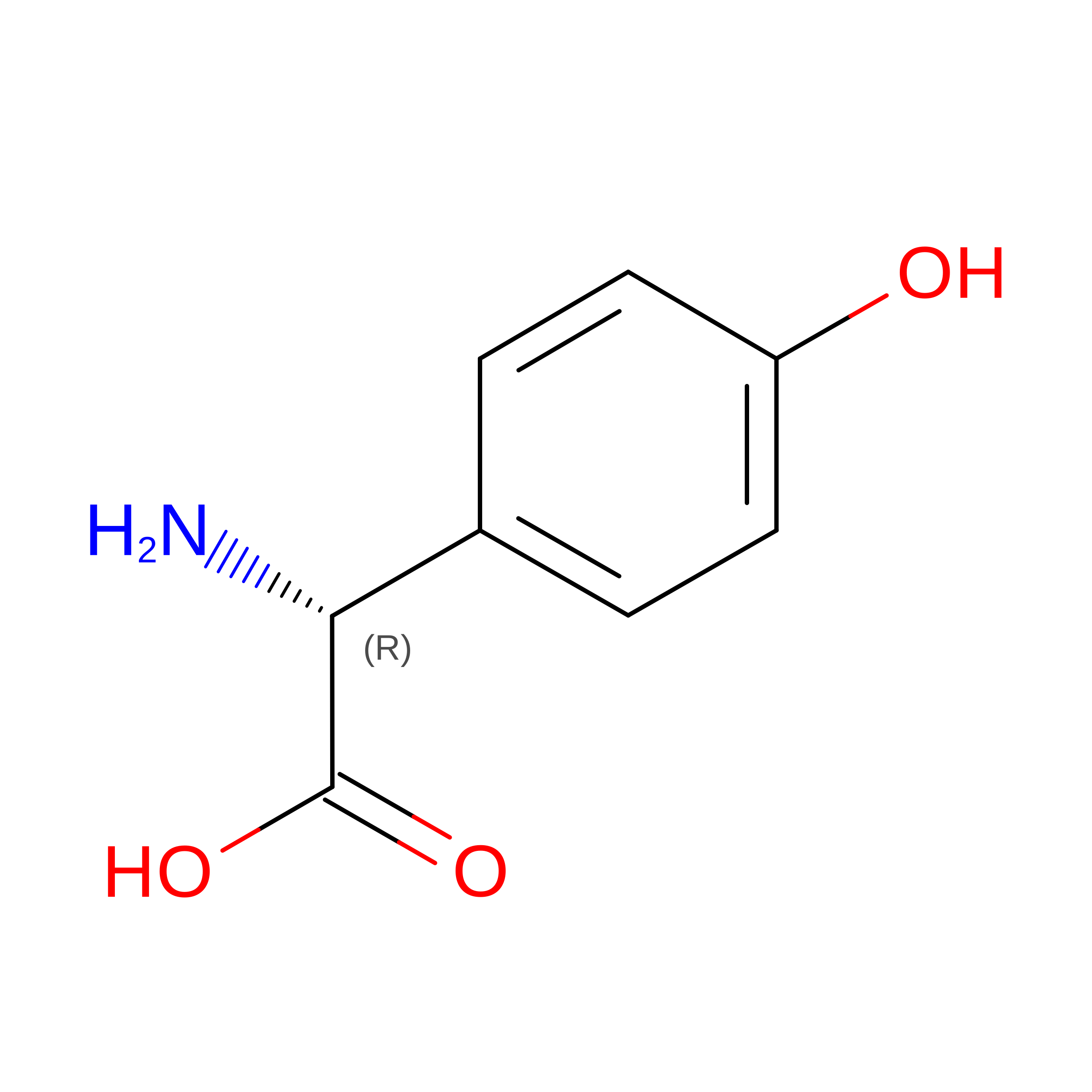
GHP
Query on GHP
A, B
D-PEPTIDE LINKINGC8 H9 N O3

--

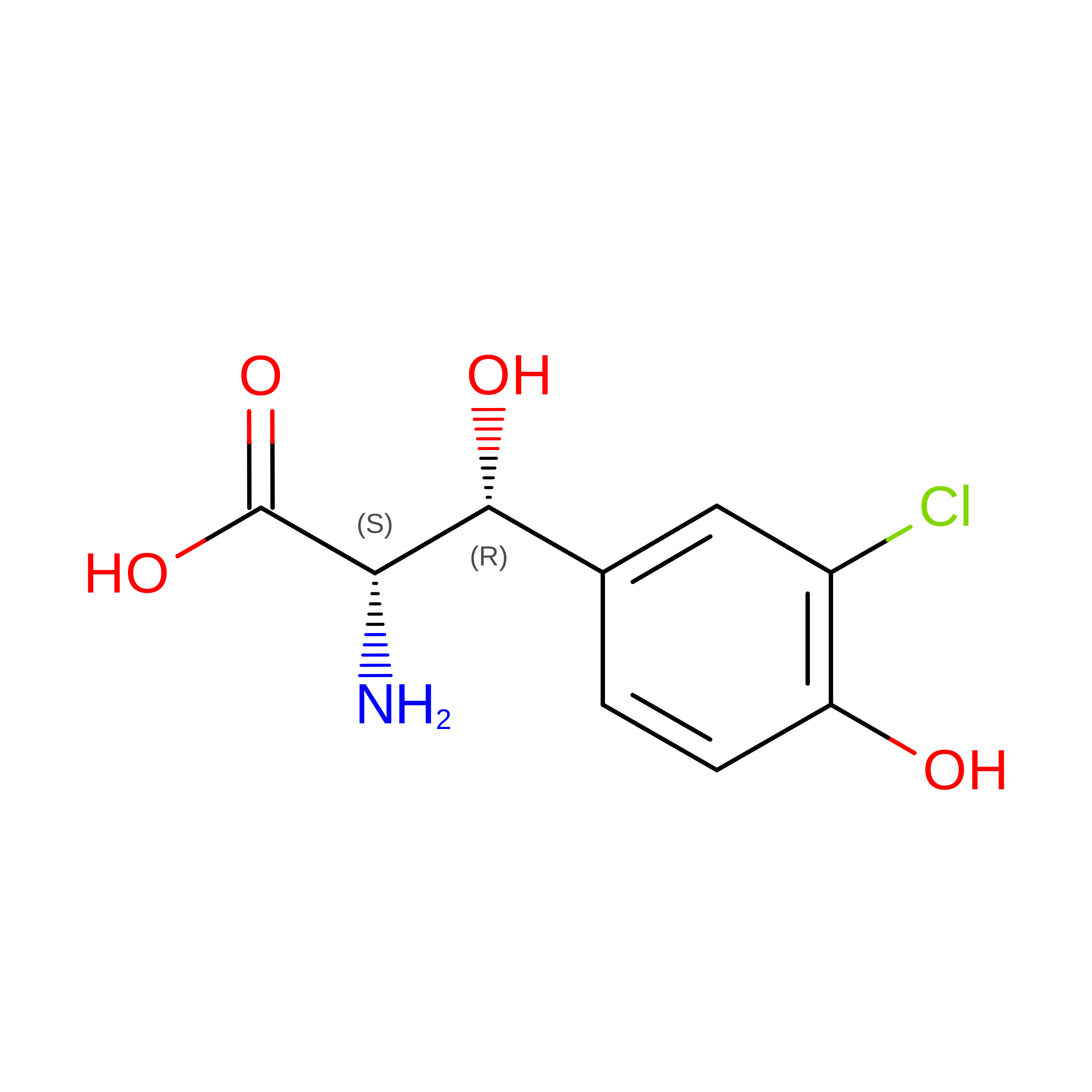
OMY
Query on OMY
A, B
L-PEPTIDE LINKINGC9 H10 Cl N O4TYR

Experimental Data & Validation

Experimental Data

  • Method: X-RAY DIFFRACTION
  • Resolution: 0.95 Å
  • R-Value Free:  0.151 (Depositor), 0.152 (DCC) 
  • R-Value Work:  0.146 (Depositor), 0.147 (DCC) 
  • R-Value Observed: 0.146 (Depositor) 
Space Group: P 21 21 21
Unit Cell:
Length ( Å )Angle ( ˚ )
a = 24.316α = 90
b = 29.667β = 90
c = 32.209γ = 90
Software Package:
Software NamePurpose
Aimlessdata scaling
PHASERphasing
PHENIXrefinement
PDB_EXTRACTdata extraction
XDSdata reduction

Structure Validation

View Full Validation Report


Ligand Structure Quality Assessment 


Entry History 

& Funding Information

Deposition Data


Funding OrganizationLocationGrant Number
National Institutes of Health/National Institute of General Medical Sciences (NIH/NIGMS)United StatesR01GM129496
National Institutes of Health/National Institute of General Medical Sciences (NIH/NIGMS)United States4R00GM129460

Revision History  (Full details and data files)

  • Version 1.0: 2022-12-07
    Type: Initial release
  • Version 1.1: 2023-10-25
    Changes: Data collection, Refinement description
  • Version 2.0: 2023-11-15
    Changes: Atomic model, Data collection, Derived calculations
  • Version 2.1: 2024-07-24
    Changes: Database references