Download Mendeley
Cryo-EM structural analyses of chlorophyll b-enriched PSI-LHC and PSII-LHC supercomplexes of the siphonous green alga Bryopsis corticulans.
Liu, X., Li, Z., Shen, L., Shen, L., Wu, B., Li, X., Yang, Y., Gao, S., Han, G., Kuang, T., Liu, C., Shen, J.R., Wang, W.(2026) Plant Commun 7: 101738-101738
- PubMed: 41578646 Search on PubMedSearch on PubMed Central
- DOI: https://doi.org/10.1016/j.xplc.2026.101738
- Primary Citation Related Structures:
9K1E - PubMed Abstract:
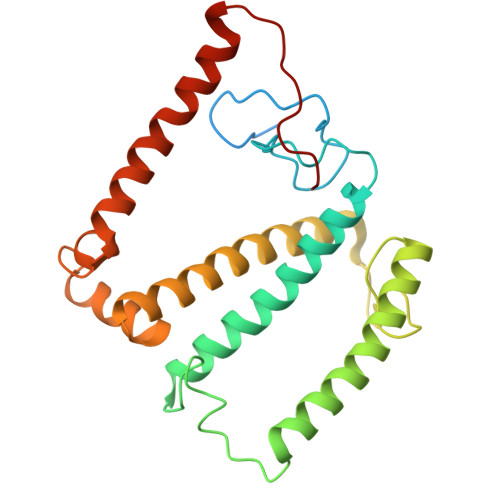
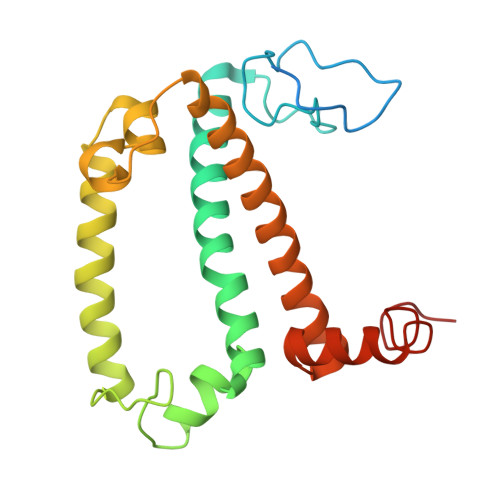
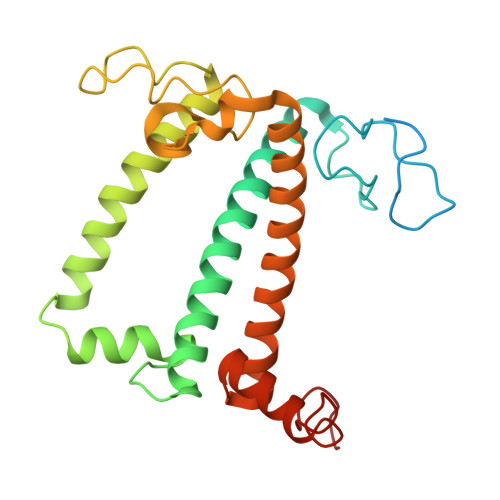
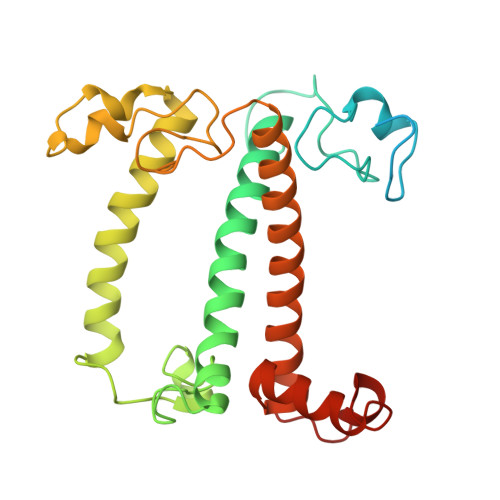
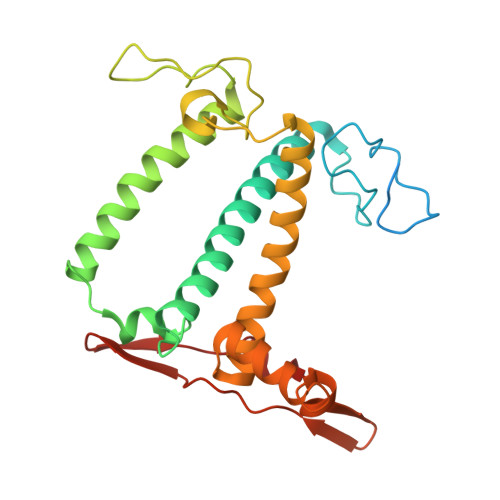
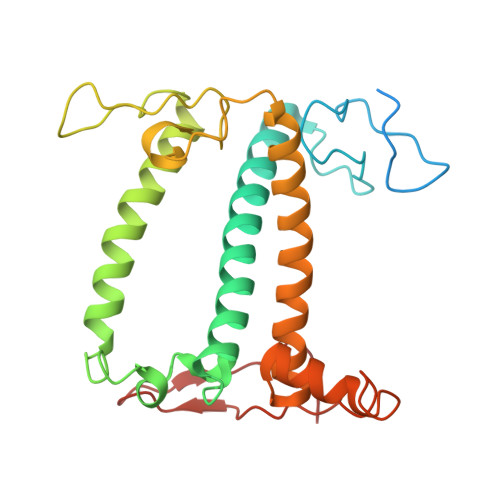
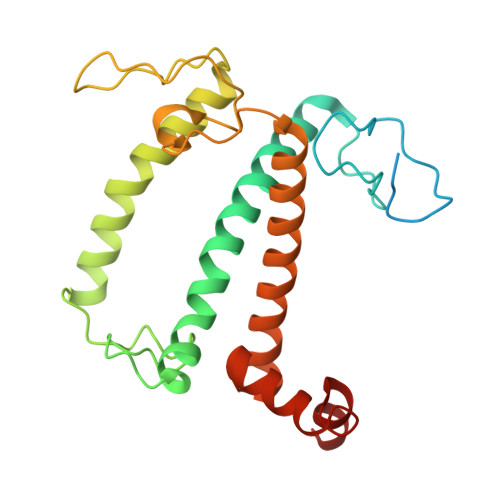
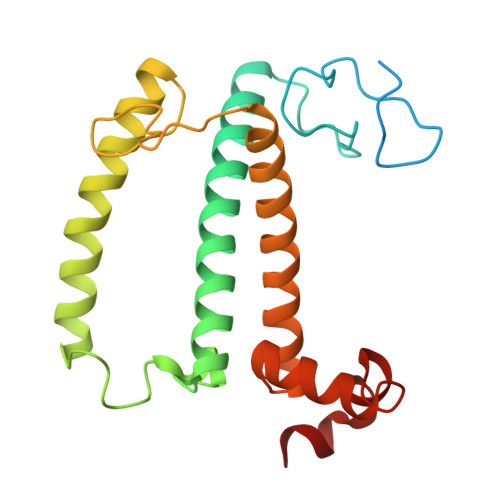
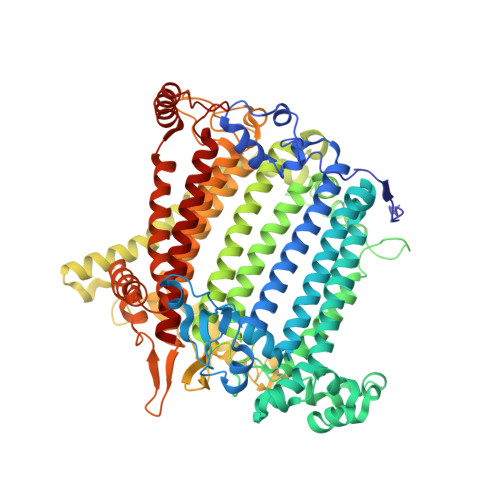
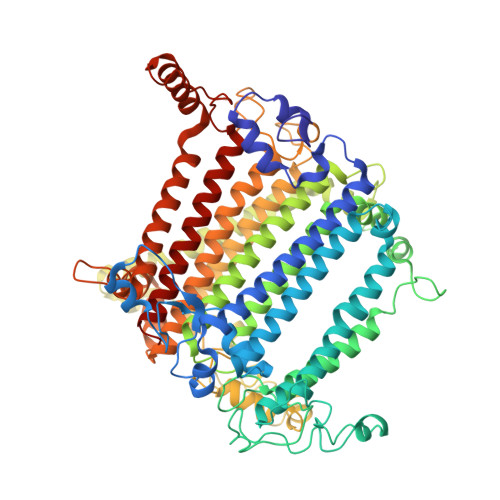
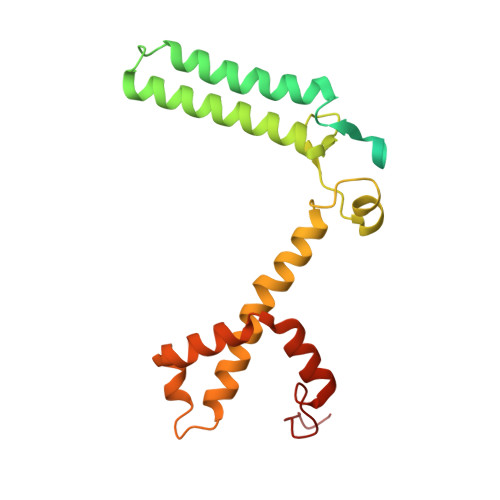
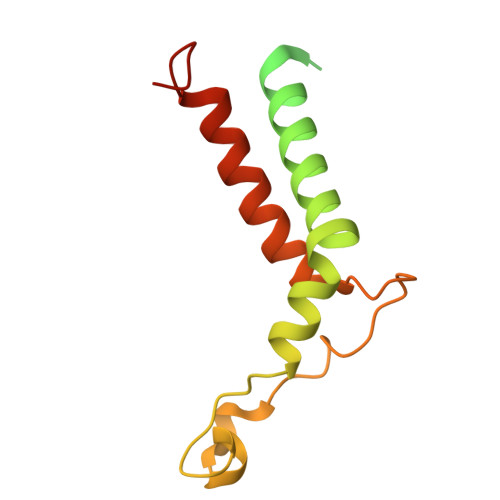
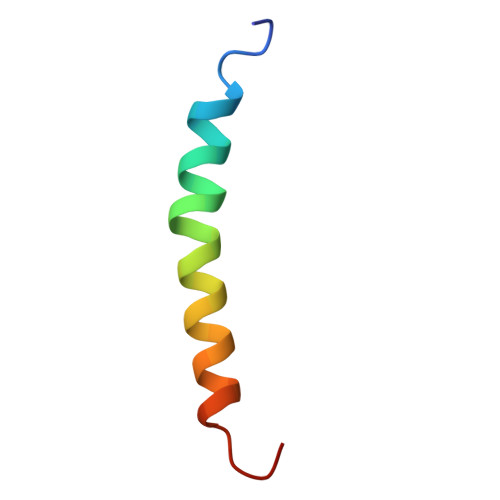
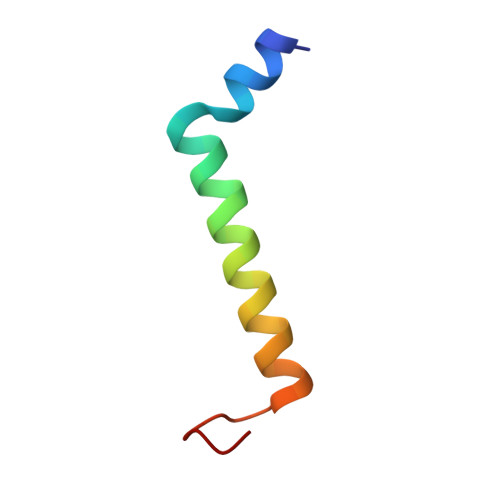
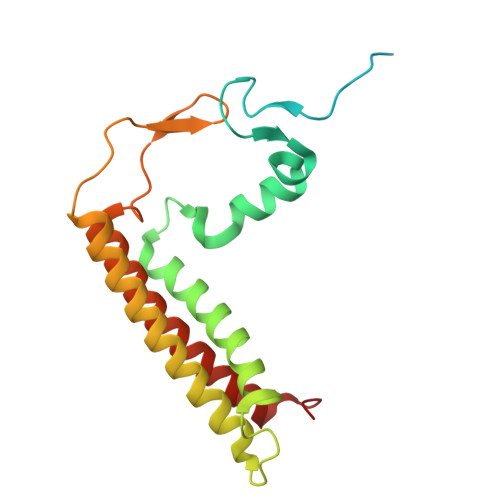
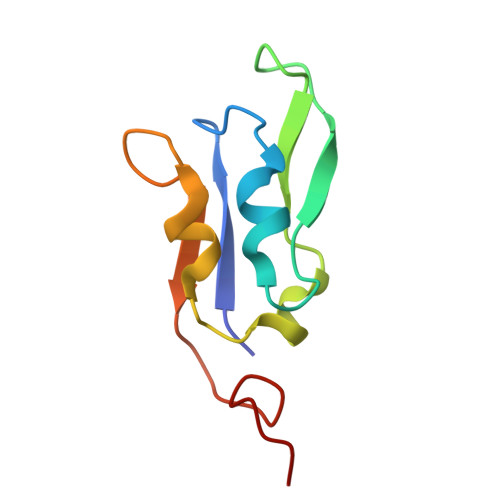
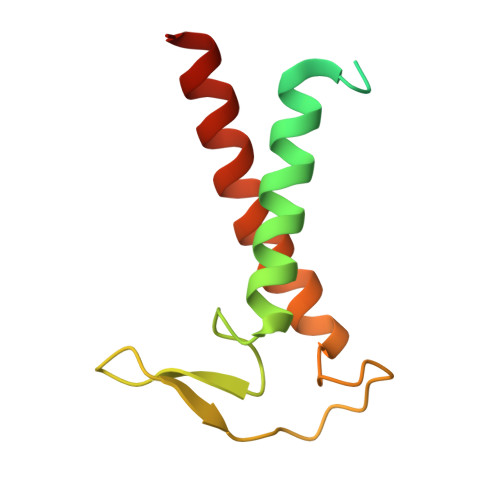
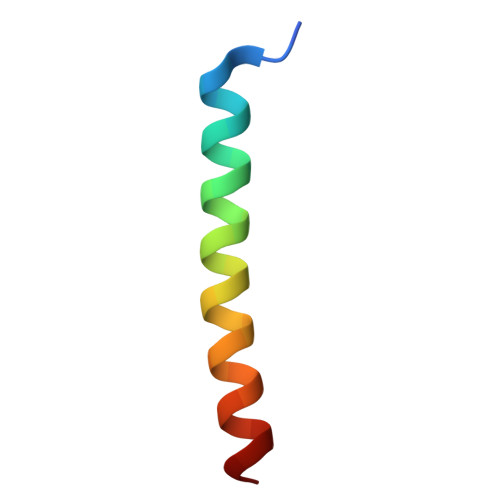
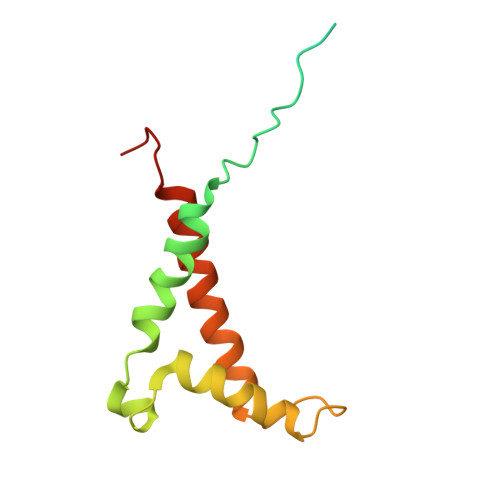
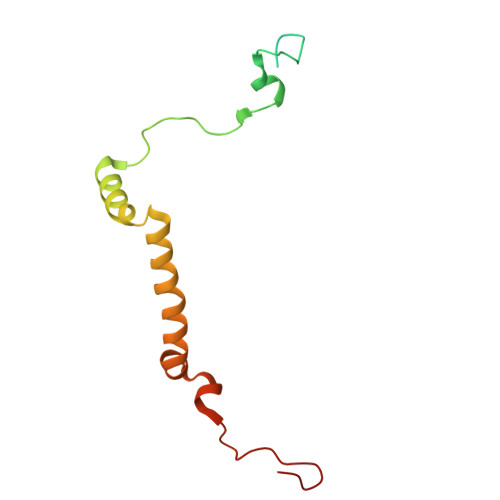
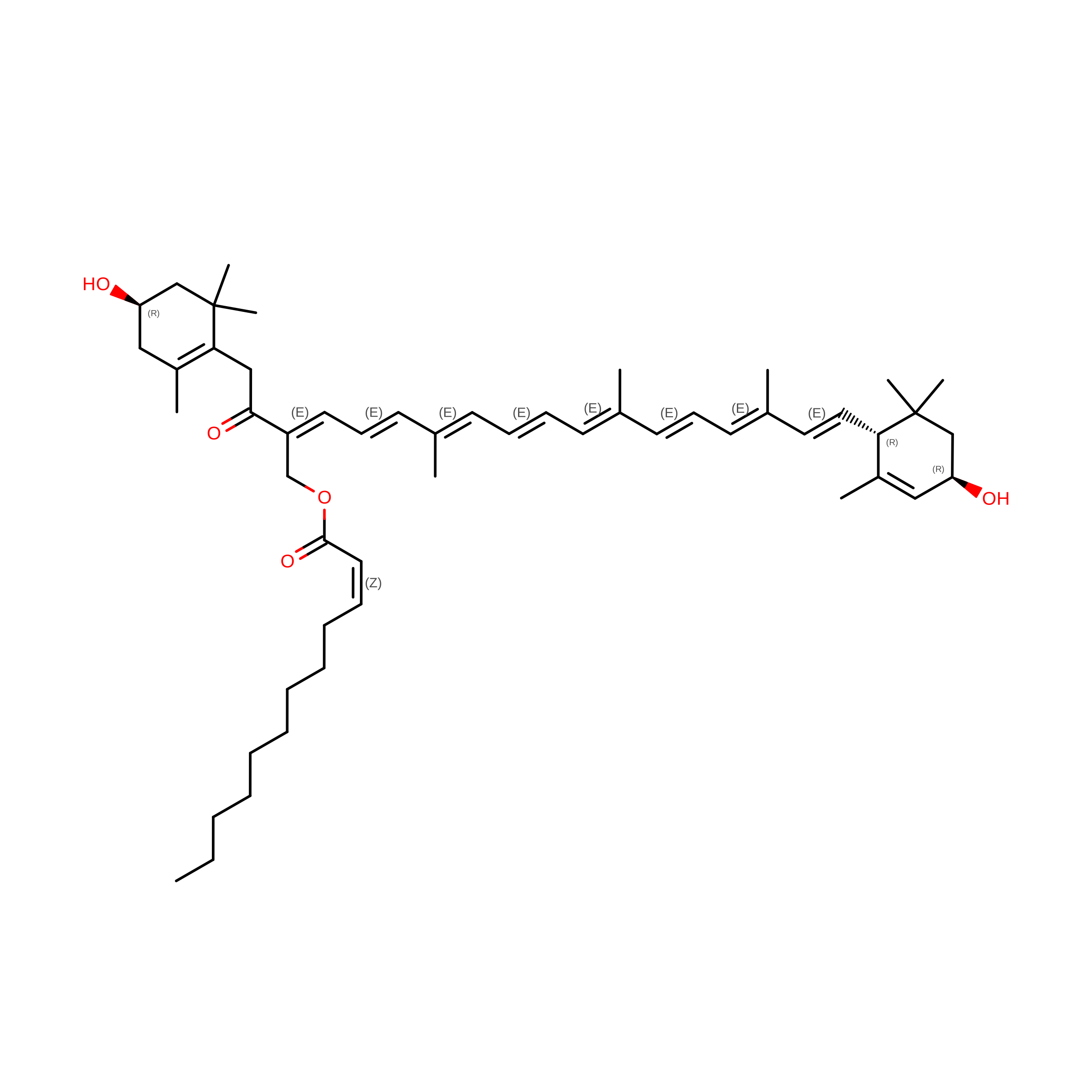
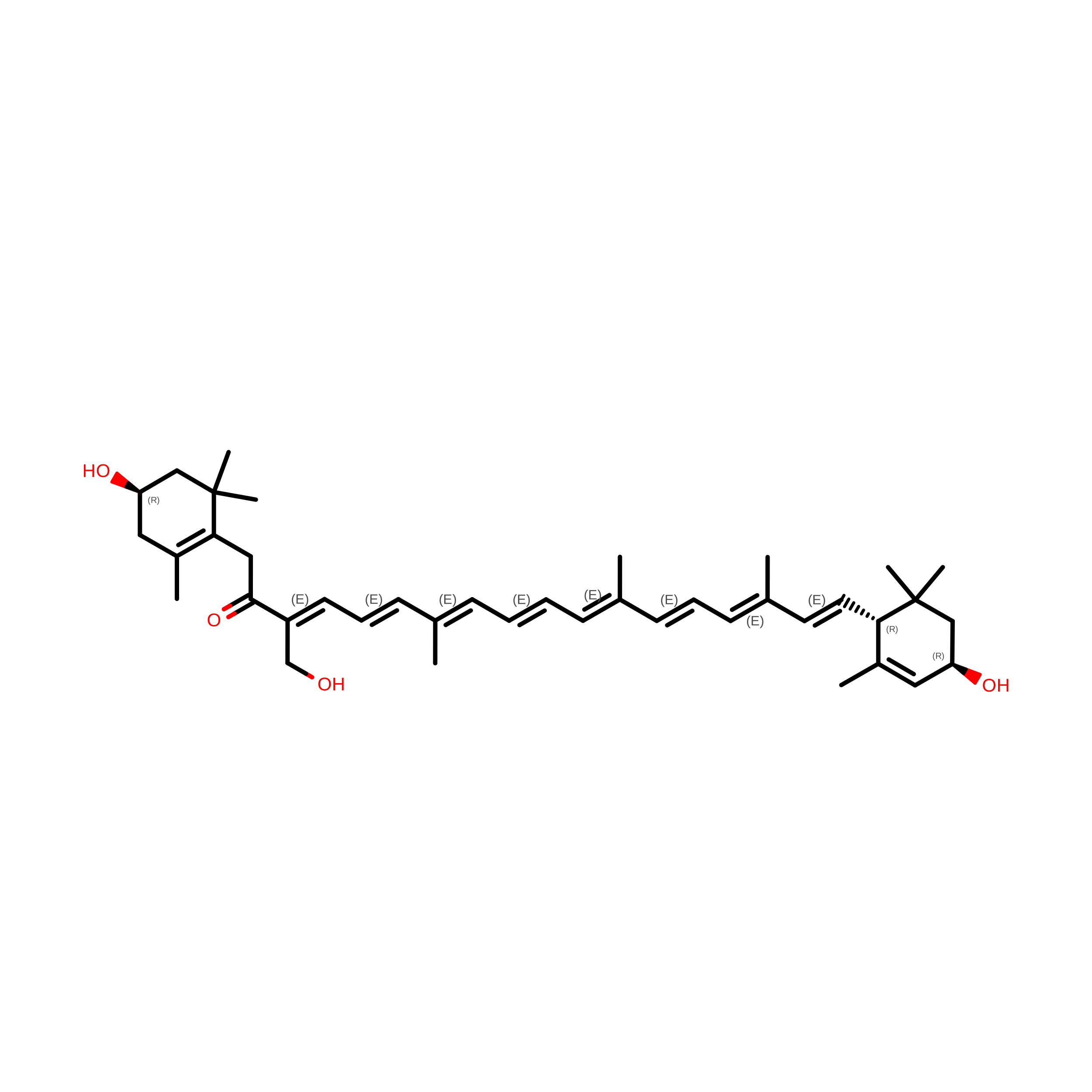
The light-harvesting complexes of photosystem I (PSI) and PSII (LHCI and LHCII) in Bryopsis corticulans (B. corticulans) are homologous to those in Chlamydomonas reinhardtii and land plants but exhibit a distinct chlorophyll (Chl) and carotenoid composition. Here, we report cryo-electron microscopy structures of the PSI-LHCI 10 -LHCII 9 supercomplex, comprising three LHCII trimers, and the C 2 S 2 M 2 N 2 -type PSII-LHCII supercomplex from B. corticulans. In the PSI supercomplex, ten LHCI subunits assemble into two belts and one heterodimer, coordinating a total of 86 Chl a and 65 Chl b molecules (Chl a/b ratio of 1.3, compared with 3.4 in C. reinhardtii), as well as 18 siphonaxanthin, 2 siphonein, and 13 α-carotene molecules. Of the three LHCII trimers bound to the PSI-LHCI supercomplex, two are anchored to the PSI core primarily via phosphorylated subunits, whereas the third, non-phosphorylated trimer is stabilized through interactions with Lhca-d and the adjacent LHCII trimer. In the C 2 S 2 M 2 N 2 -type PSII-LHCII supercomplex, the N-LHCII is positioned closer to the PSII core than in C. reinhardtii, likely owing to loss of the linker motif in the N-terminal region of B. corticulans CP29. Structure-based energy transfer analysis suggests that this spatial rearrangement enhances the efficiency of excitation energy transfer from N-LHCII to the PSII core. Collectively, these findings reveal structural adaptations that underlie the acclimation strategies of siphonous green algae inhabiting intertidal environments.
- State Key Laboratory of Forage Breeding-by-Design and Utilization, Key Laboratory of Photobiology, Institute of Botany, Chinese Academy of Sciences, Beijing 100093, China; University of the Chinese Academy of Sciences, Yuquan Rd, Shijingshan District, Beijing 100049, China.
Organizational Affiliation: