Find PDB structures and Computed Structure Models (CSM) by combining queries from tools in this suite: Attribute Search, Sequence Similarity, Sequence Motif, 3D Similarity, and 3D Motif with 'AND' logic.
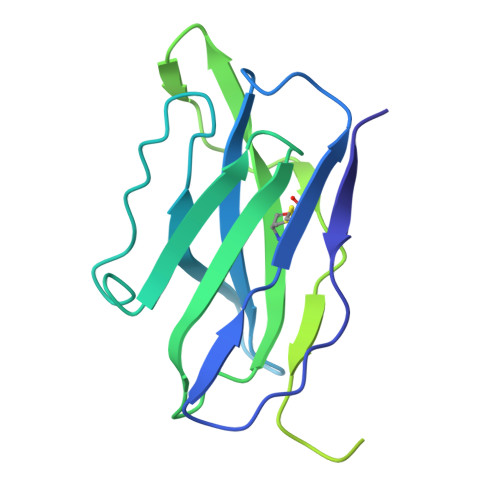
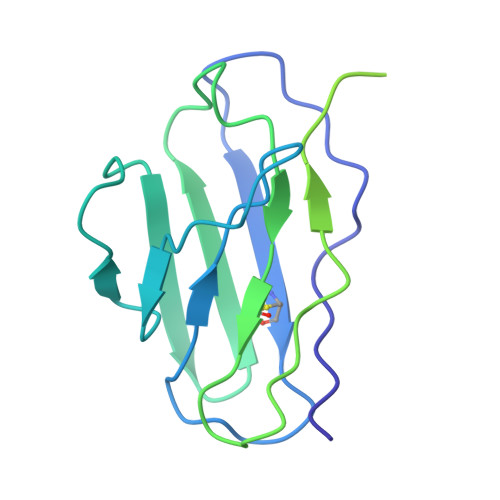
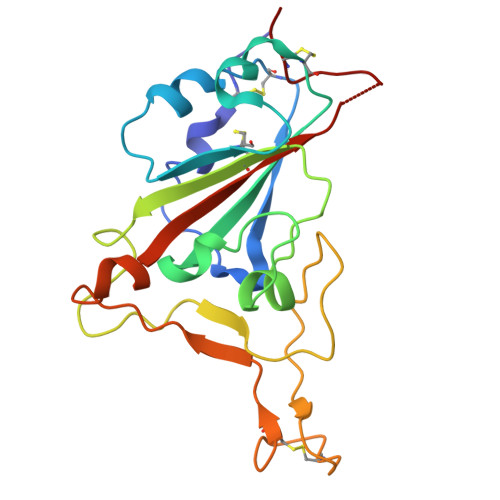
IgA antibodies are critical components of the mucosal immune barrier, providing essential first-line defense against viral infections. In this study, we investigated the impact of antibody class switching on neutralization efficacy by engineering recombinant antibodies of different isotypes (IgA1, IgG1) with identical variable regions from SARS-CoV-2 convalescent patients. A potent, broad-spectrum neutralizing monoclonal antibody CAV-C65 exhibited a ten-fold increase in neutralization potency upon switching from IgG1 to IgA1 monomer. Structural analysis revealed that this antibody binds to two adjacent receptor binding domains on the spike protein. Enhanced neutralization by IgA1 was attributed to the combined effects of increased affinity, unique hinge region properties, and potential cross-linking of viral particles. Inhaled CAV-C65 IgA1 demonstrated prophylactic efficacy against lethal SARS-CoV-2 infection in hACE2 mice. These findings highlight the pivotal role of IgA in antiviral immunity and inform the development of IgA-based therapeutics.
Organizational Affiliation:
School of Public Health (Shenzhen), Shenzhen Campus of Sun Yat-Sen University, Shenzhen, China.
State Key Laboratory of Respiratory Disease, National Clinical Research Center for Respiratory Disease, Guangzhou Institute of Respiratory Health, the First Affiliated Hospital of Guangzhou Medical University, Guangzhou, Guangdong, China.
Molecular Imaging Center, the Guangdong-Hong Kong-Macao University Joint Laboratory of Interventional Medicine, the Fifth Affiliated Hospital, Sun Yat-sen University, Zhuhai, Guangdong, 519000, China.
State Key Laboratory of Virology, College of Life Sciences, Wuhan University, Wuhan, Hubei, China.
State Key Laboratory of Respiratory Disease, National Clinical Research Center for Respiratory Disease, Guangzhou Institute of Respiratory Health, the First Affiliated Hospital of Guangzhou Medical University, Guangzhou, Guangdong, China; GMU-GIBH Joint School of Life Sciences, Guangzhou Medical University, Guangzhou, Guangdong, China; Clinical Laboratory Medicine Department, The Second Affiliated Hospital of Guangzhou Medical University, Guangzhou, China.
Key Laboratory of Special Pathogens and Biosafety, Wuhan Institute of Virology, Center for Biosafety Mega-Science, Chinese Academy of Sciences, No.262 Jin Long Street, Wuhan, Hubei 430207, China.
Molecular Imaging Center, the Guangdong-Hong Kong-Macao University Joint Laboratory of Interventional Medicine, the Fifth Affiliated Hospital, Sun Yat-sen University, Zhuhai, Guangdong, 519000, China; Central Laboratory, the Fifth Affiliated Hospital, Sun Yat-sen University, Zhuhai, Guangdong, 519000, China. Electronic address: chenshd5@mail.sysu.edu.cn.
Key Laboratory of Special Pathogens and Biosafety, Wuhan Institute of Virology, Center for Biosafety Mega-Science, Chinese Academy of Sciences, No.262 Jin Long Street, Wuhan, Hubei 430207, China. Electronic address: jingxuping@wh.iov.cn.
State Key Laboratory of Respiratory Disease, National Clinical Research Center for Respiratory Disease, Guangzhou Institute of Respiratory Health, the First Affiliated Hospital of Guangzhou Medical University, Guangzhou, Guangdong, China; Shanghai Institute for Advanced Immunochemical Studies, School of Life Science and Technology, ShanghaiTech University, Shanghai, China; Guangzhou National Laboratory, Bio-Island, Guangzhou, China; Institute for Hepatology, National Clinical Research Center for Infectious Disease, Shenzhen Third People's Hospital, the Second Affiliated Hospital, School of Medicine, Southern University of Science and Technology, Shenzhen, China. Electronic address: zhaojincun@gird.cn.
School of Public Health (Shenzhen), Shenzhen Campus of Sun Yat-Sen University, Shenzhen, China; Key Laboratory of Tropical Disease Control (Sun Yat-sen University), Ministry of Education, Guangzhou, China; Shenzhen Key Laboratory of Pathogenic Microbes and Biosafety, Shenzhen, China. Electronic address: chenyaoqing@mail.sysu.edu.cn.

 Download Mendeley