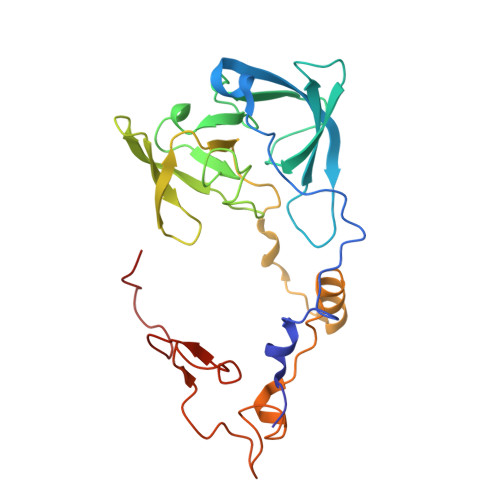
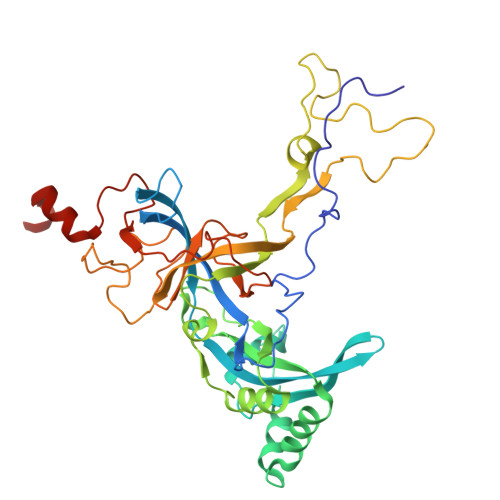
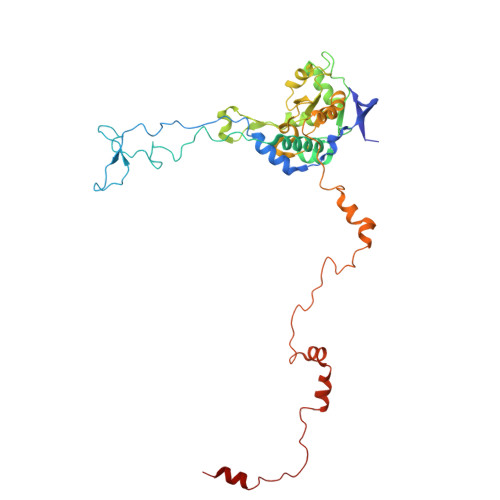
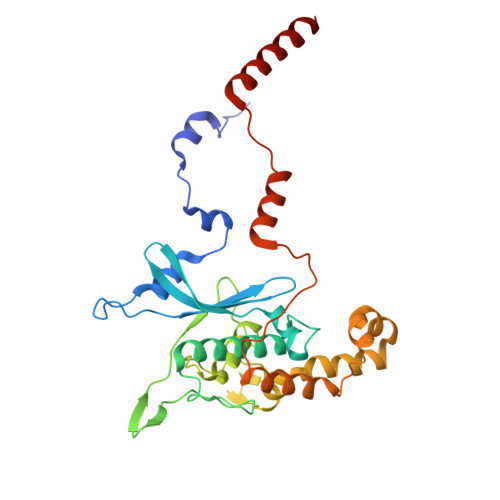
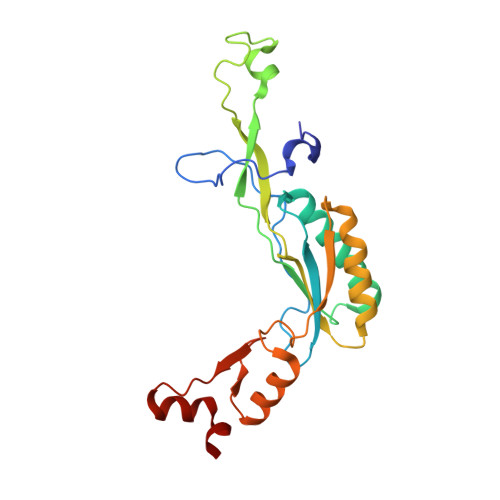
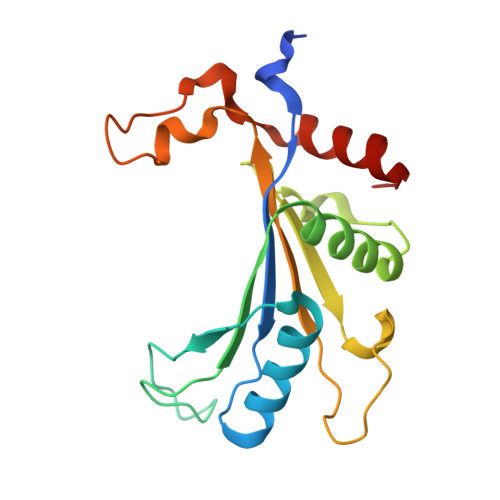
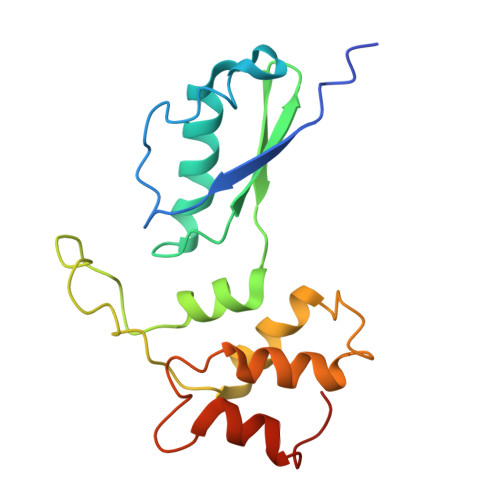
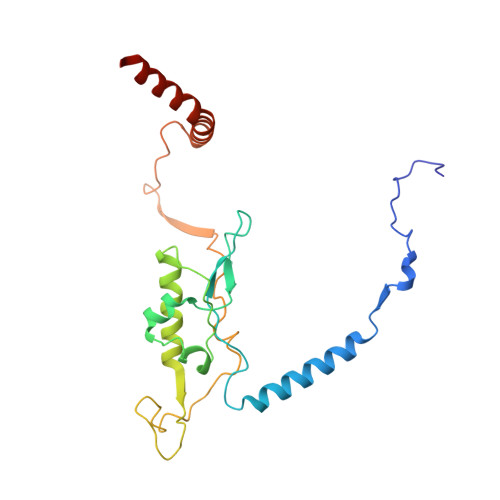
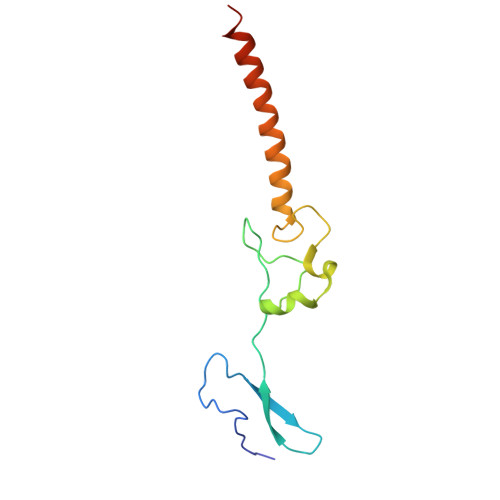
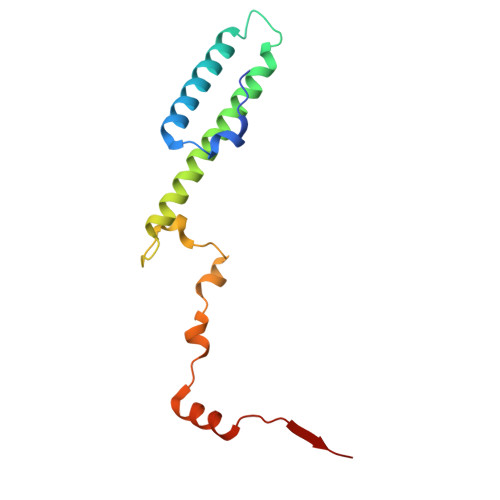
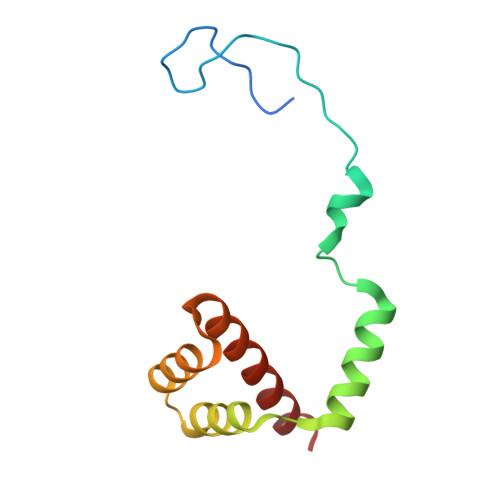
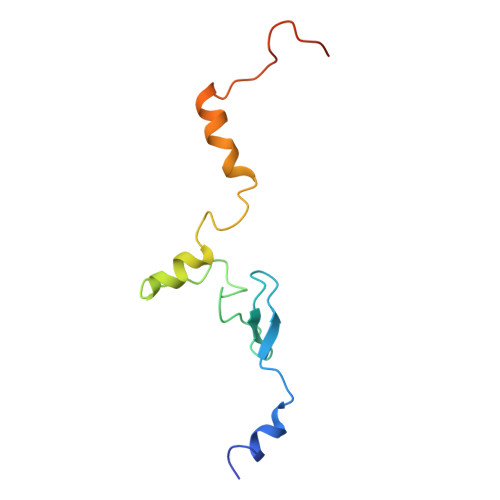
Find PDB structures and Computed Structure Models (CSM) by combining queries from tools in this suite: Attribute Search, Sequence Similarity, Sequence Motif, 3D Similarity, and 3D Motif with 'AND' logic.
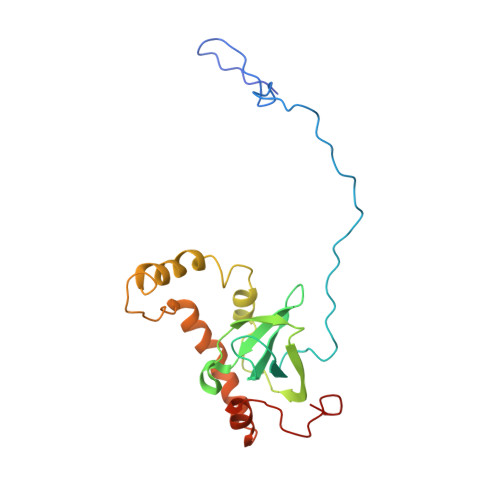
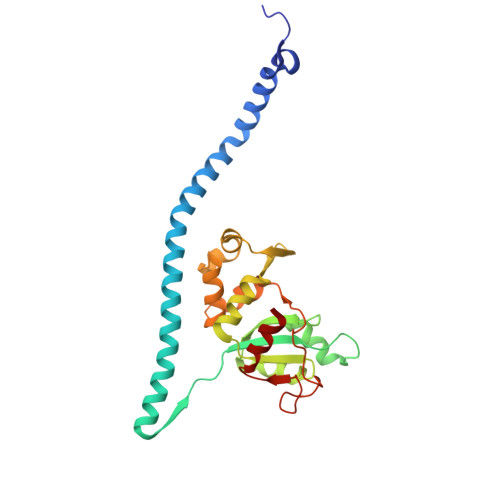
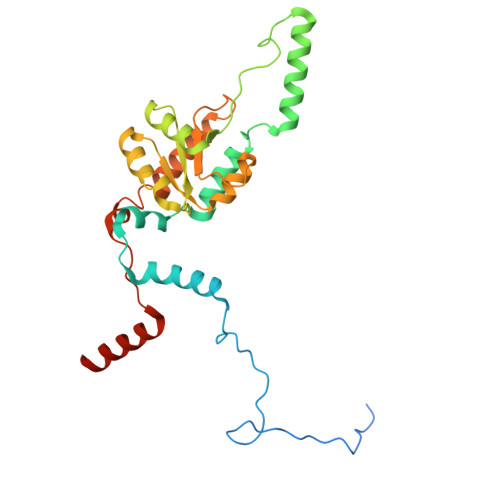
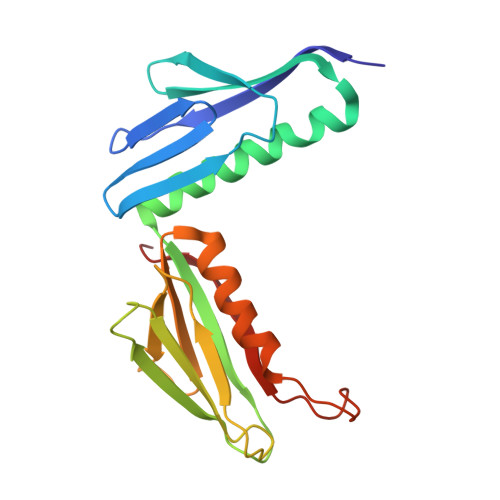
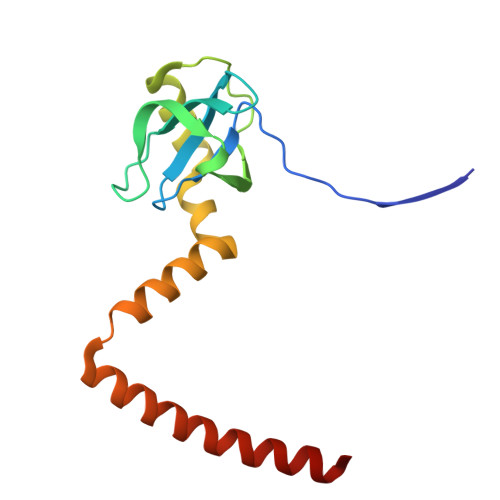
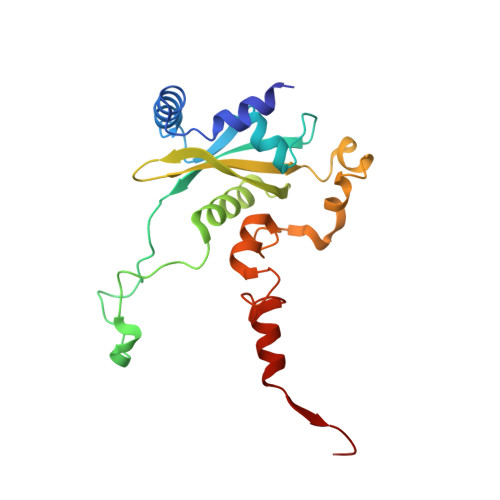
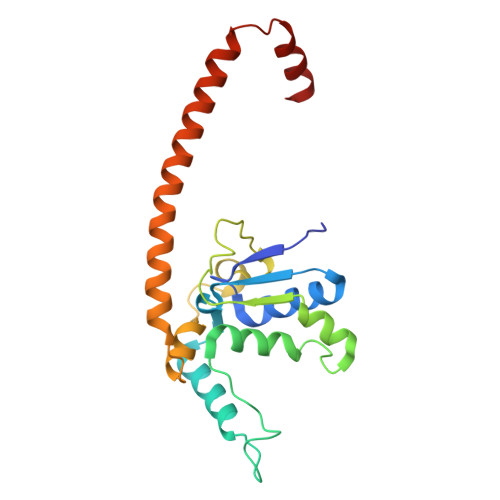
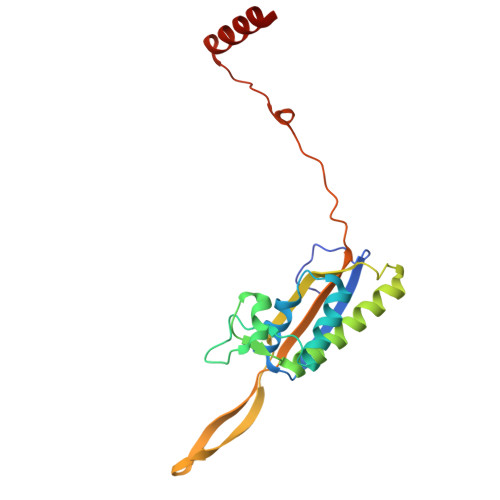
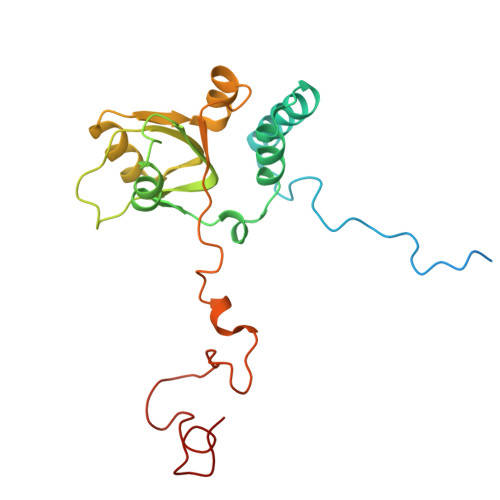
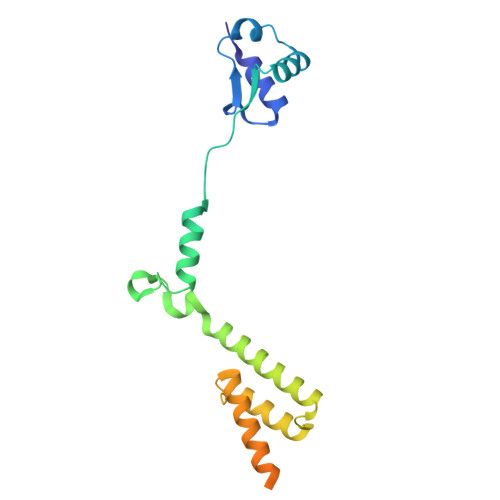
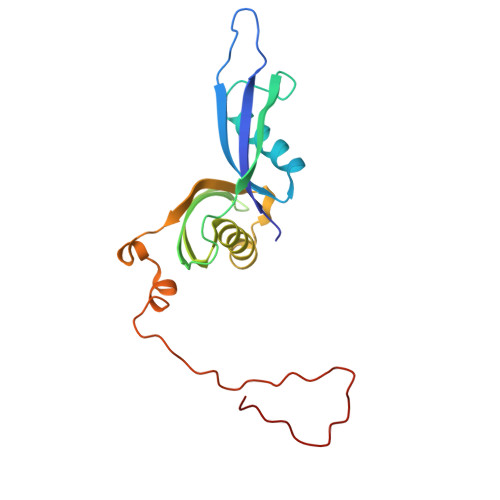
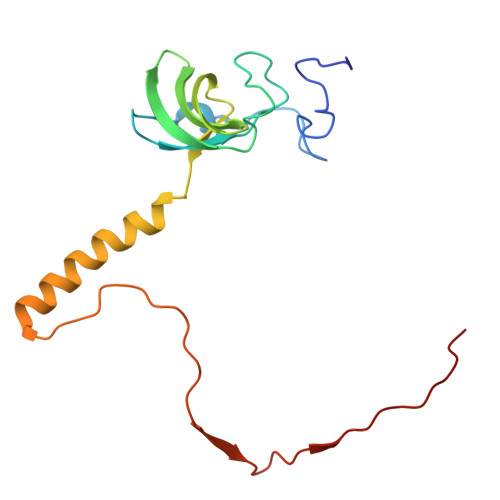
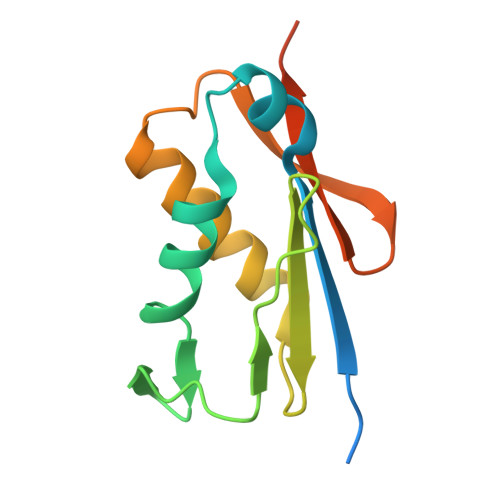
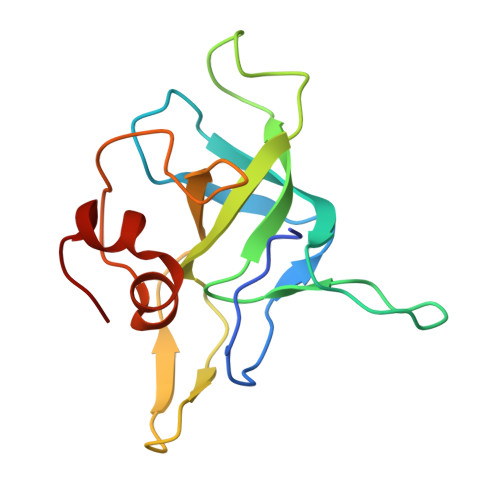
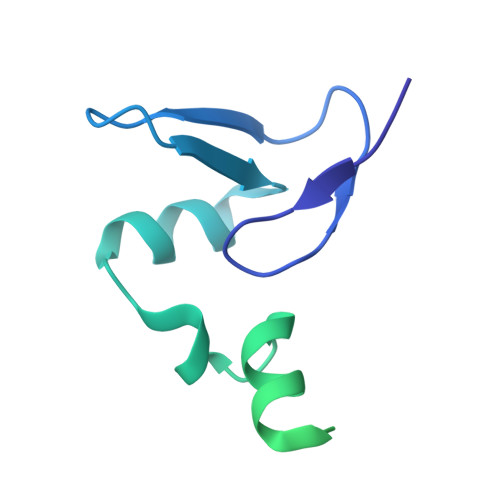
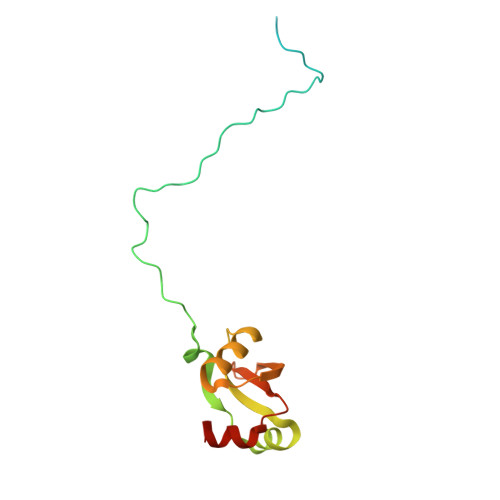
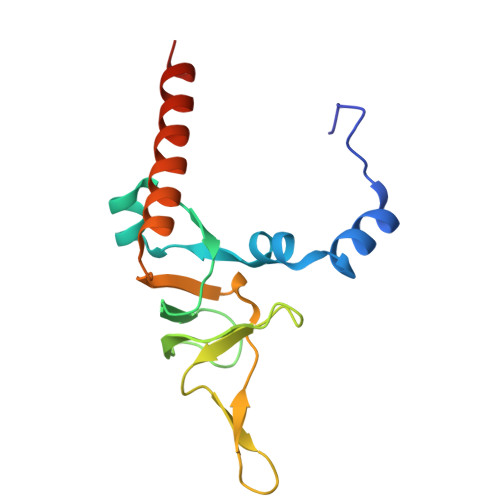
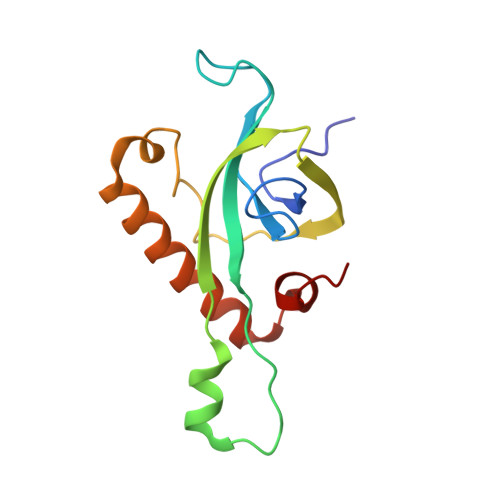
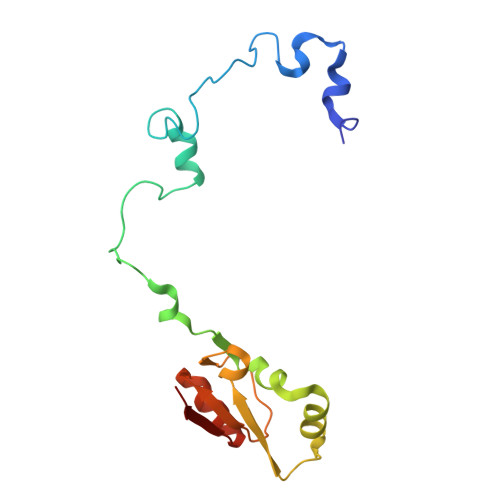
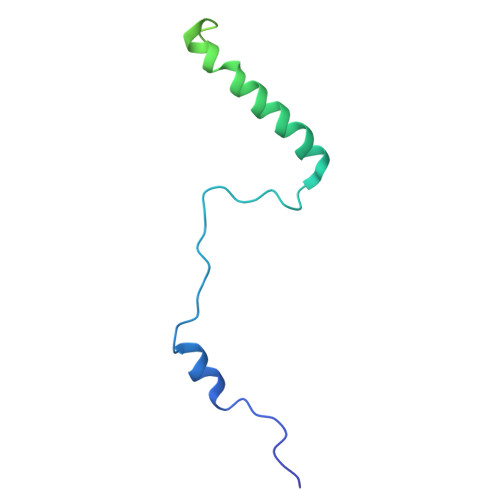
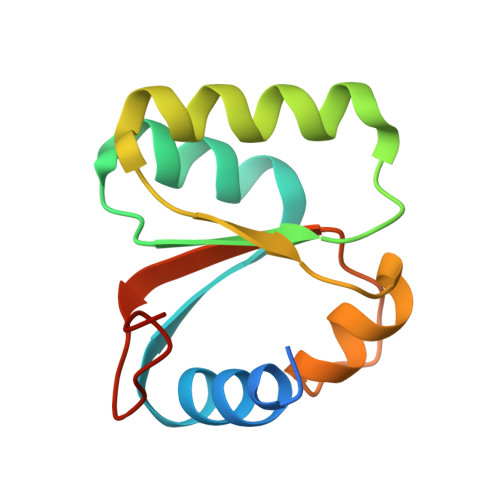
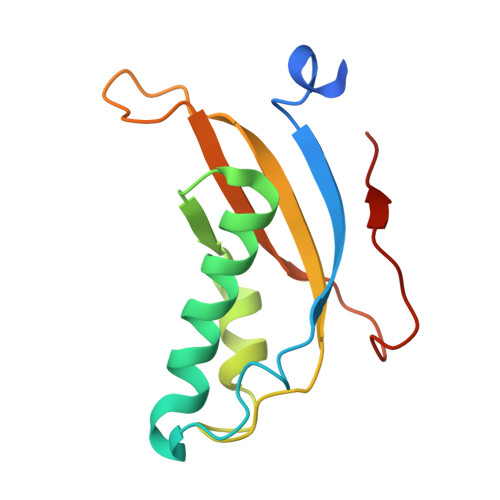
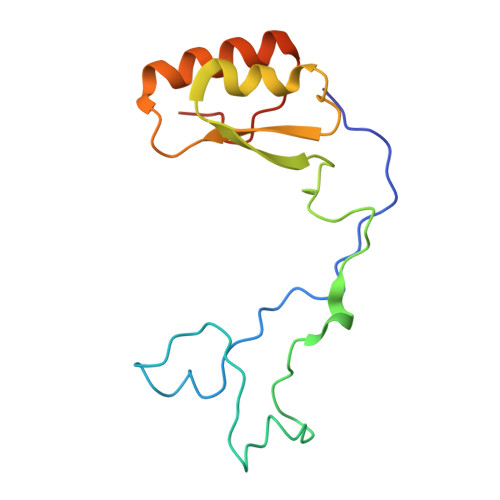
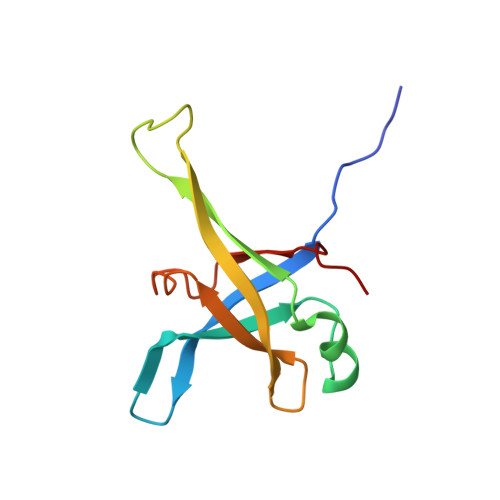
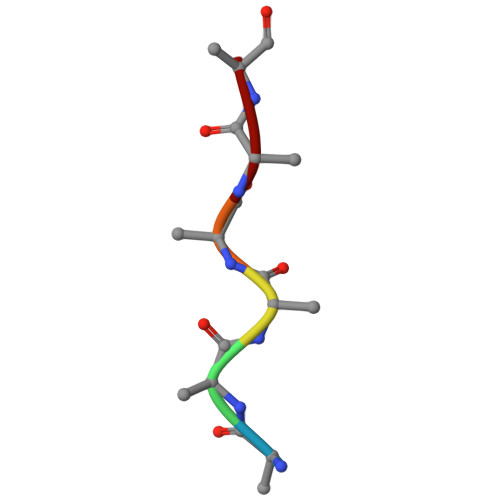
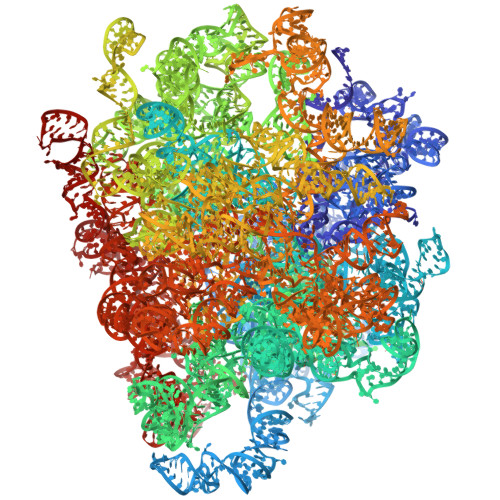
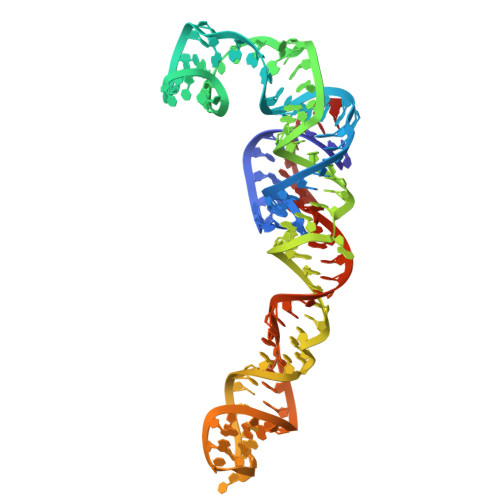
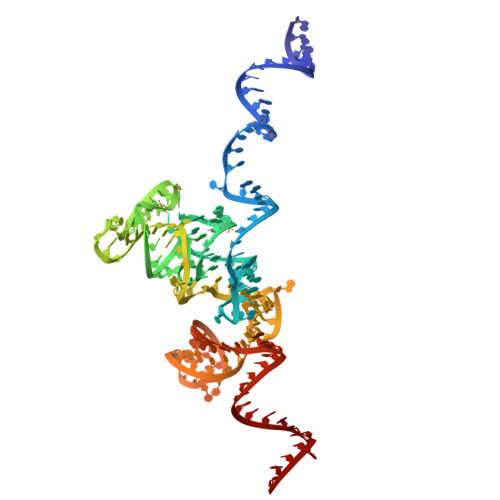
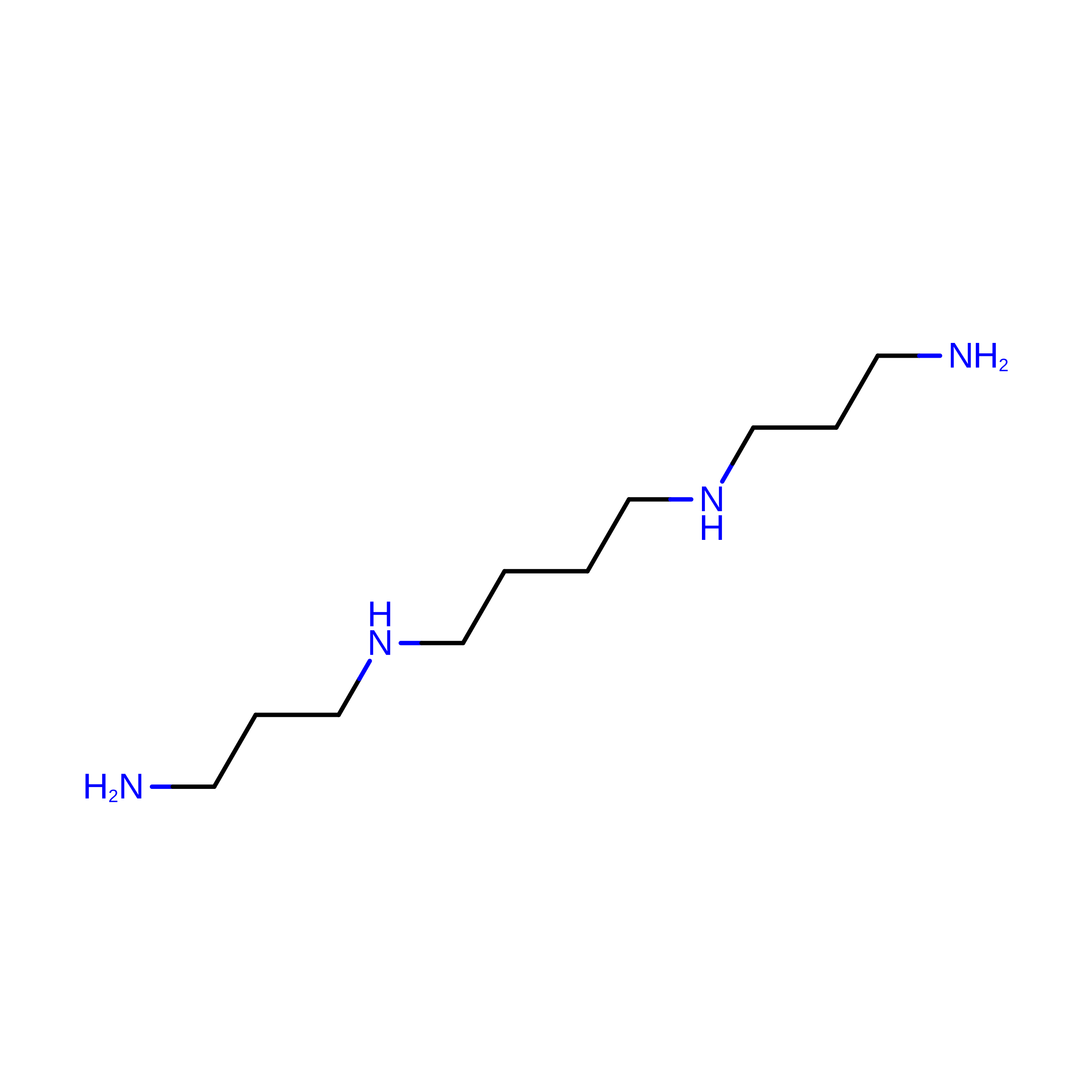
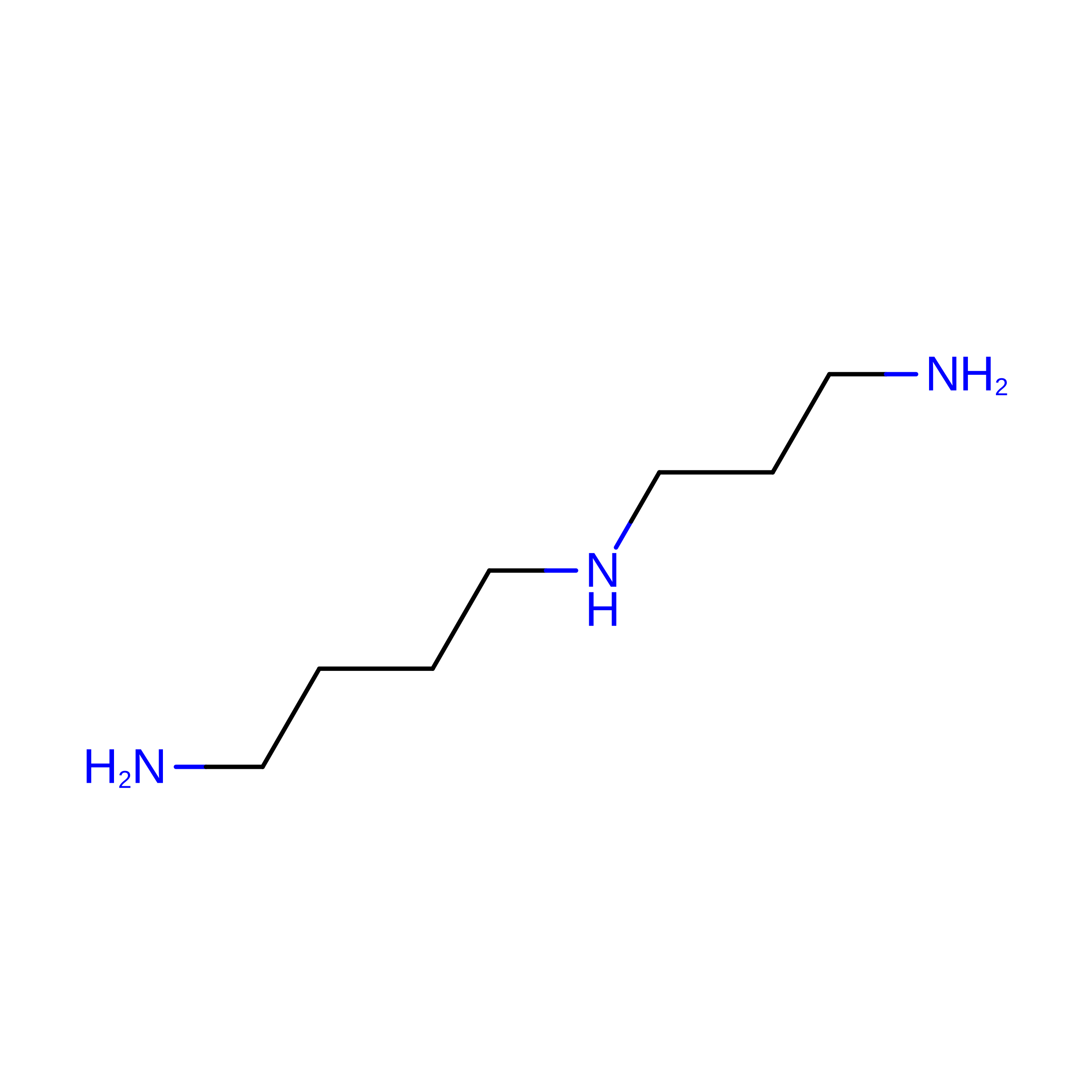
RNA modifications alter stability, folding space, and interaction network of RNA molecules. Ribosomal RNA (rRNA) modifications stabilize the structure of ribosomes and cluster around functionally important sites such as the peptidyl transferase center, ribosomal subunit bridges, and the polypeptide tunnel. Here, we investigate the rRNA modifications of the thermophilic fungus Chaetomium thermophilum (ct), a model organism for eukaryotic thermophily and structural stability. Using LC-MS/MS, orthogonal second and third generation RNA-sequencing and high-resolution cryo-electron microscopy, we describe a cross-correlating method to assign and quantify all ct rRNA modifications. Overall, a doubling of rRNA modifications to 4% explains ribosomal thermostability with an extended distribution towards peripheral functional sites. The 2.4 Å structure of the idle ct60S ribosome, retaining nascent chains and including metal ions, polyamines, and water molecules, allows for a comprehensive structure-function analysis. Comparison with mesophilic ribosomes from Chaetomium globosum, yeast, and human highlights the significant increase of pseudouridines (Ψs). The number of Ψs linearly correlates with growth temperature, suggesting statistical modification. A ct-specific Ψ substitution forming a 'Ψ-turn' at the polypeptide tunnel exit close to the third constriction exemplifies mechanistic adaptations of the ribosome at elevated temperatures.
Organizational Affiliation:
Heidelberg University Biochemistry Center (BZH), Heidelberg University, 69120 Heidelberg, Germany.
Institute for Pharmaceutical and Biomedical Research (IPBW), Johannes Gutenberg-Universität Mainz, 55128 Mainz, Germany.
Université de Lorraine, SMP IBSLor and IMoPA UMR7365 CNRS, 54000 Nancy, France.

 Download Mendeley