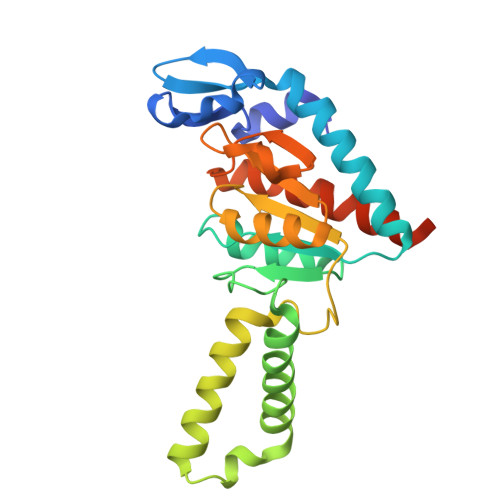
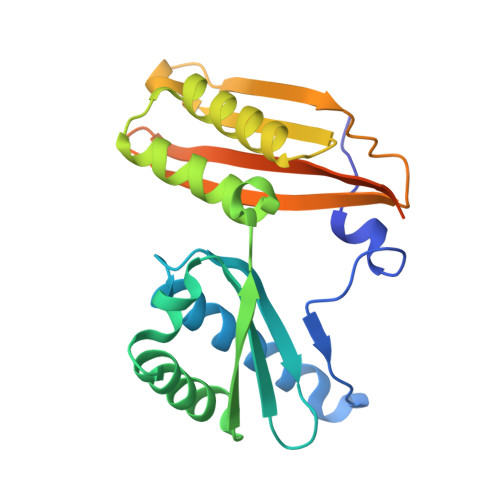
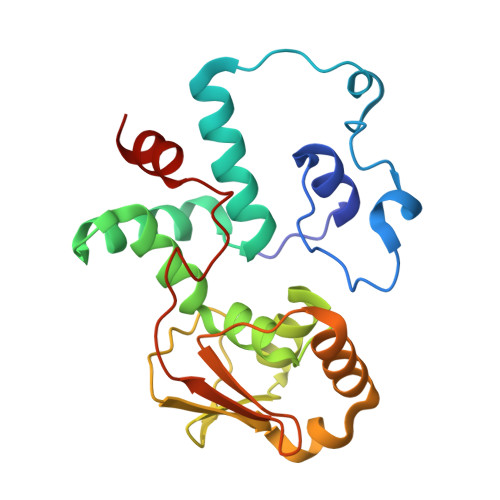
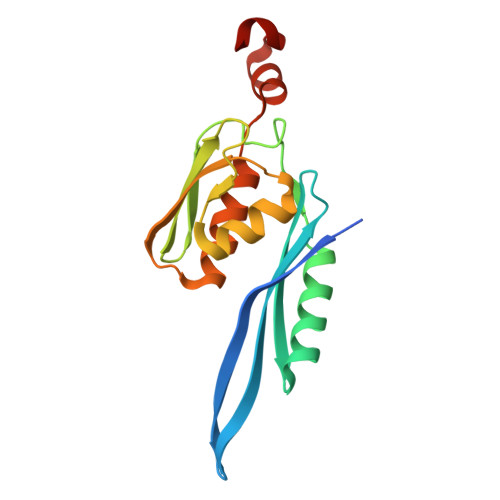
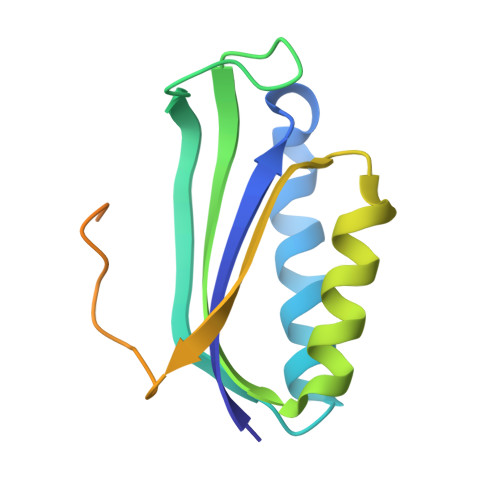
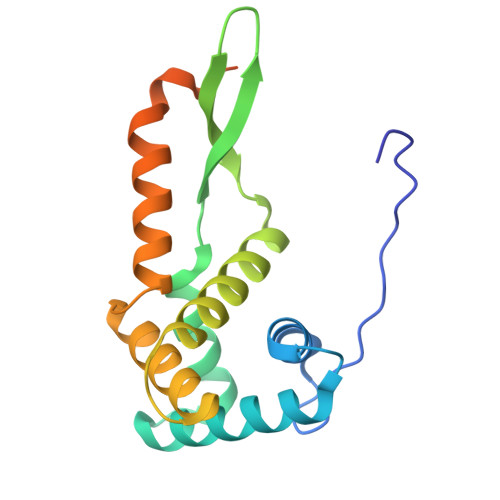
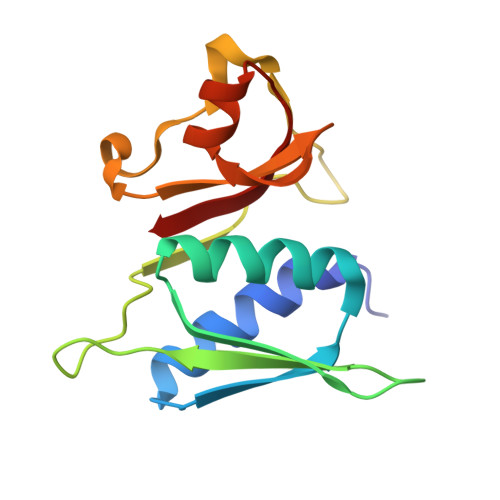
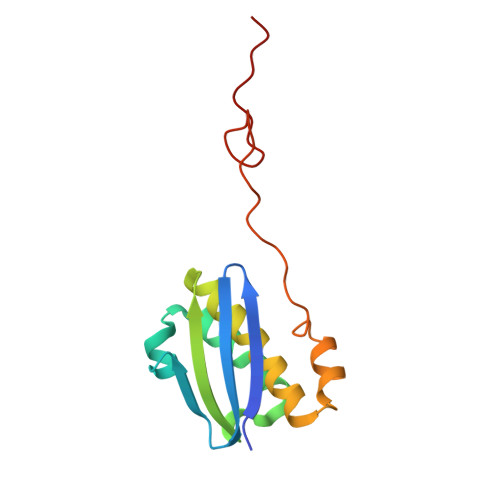
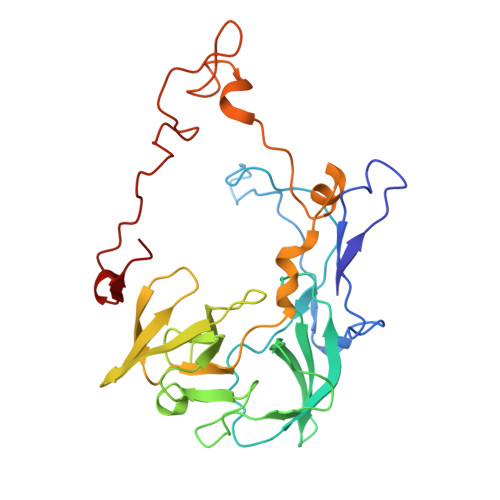
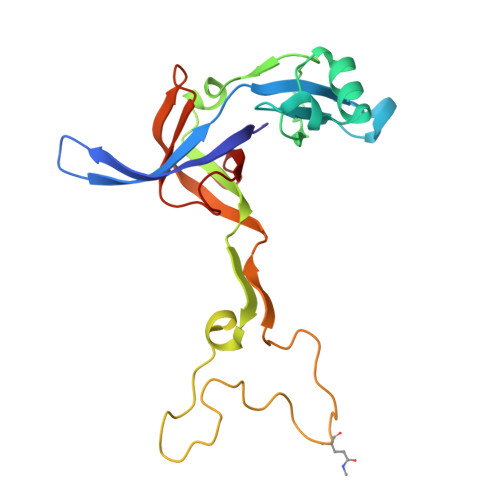
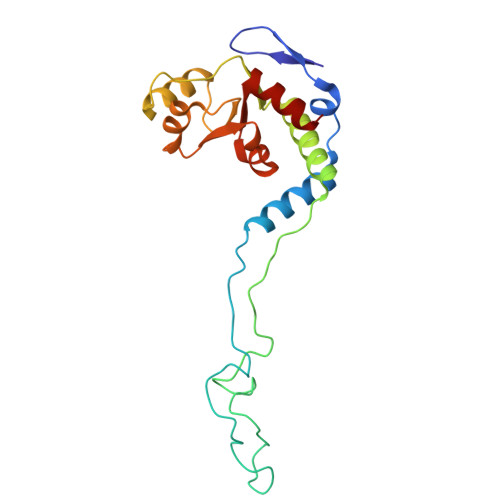
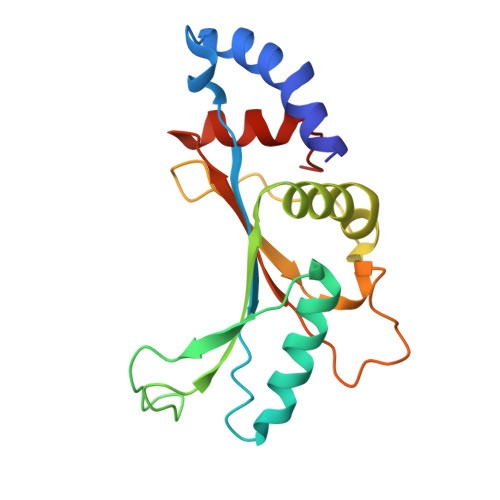
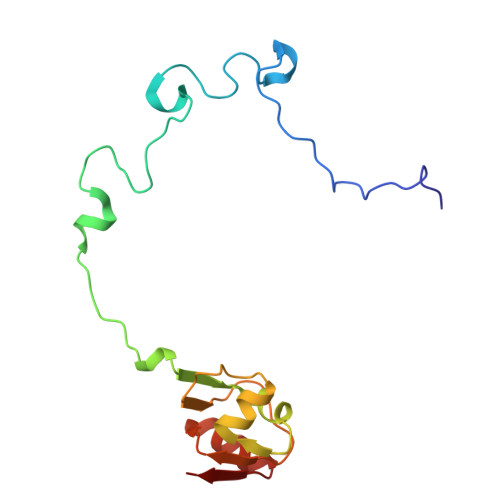
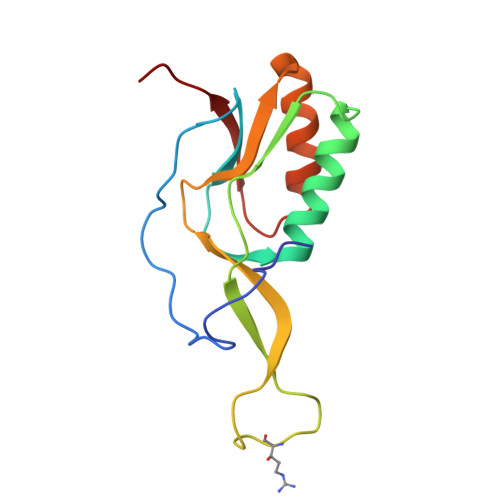
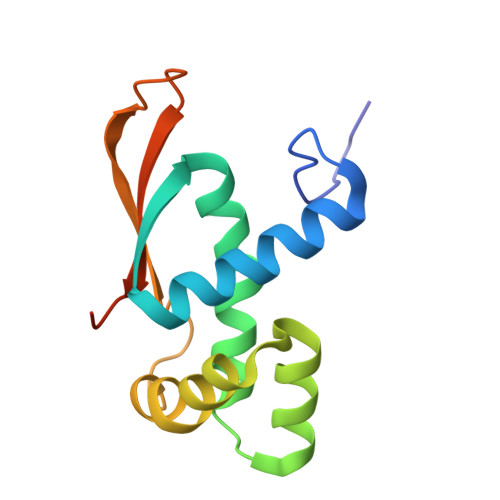
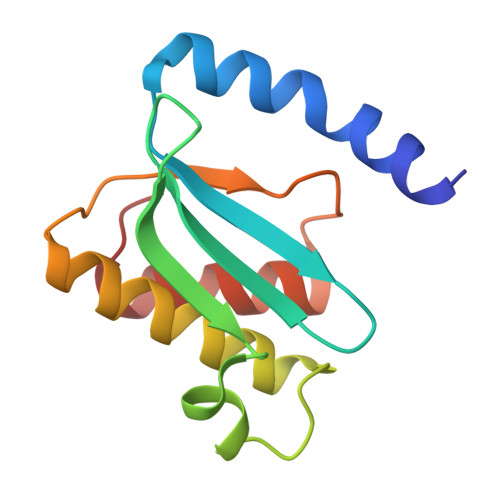
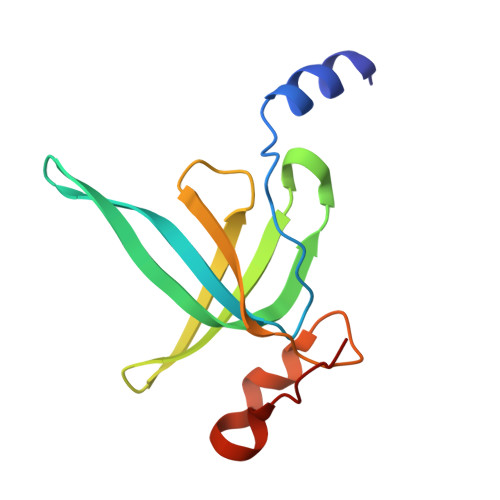
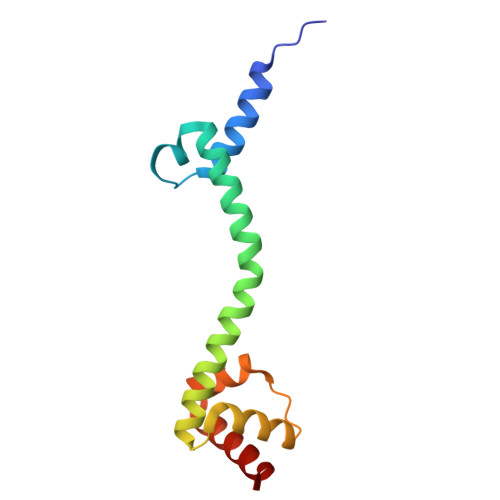
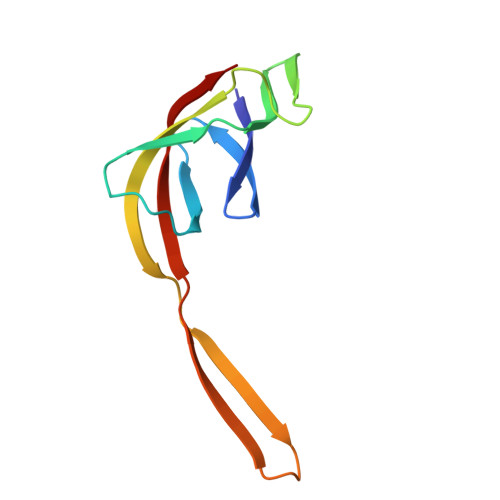
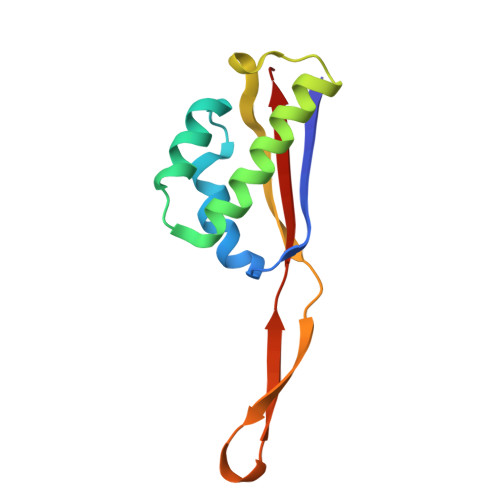
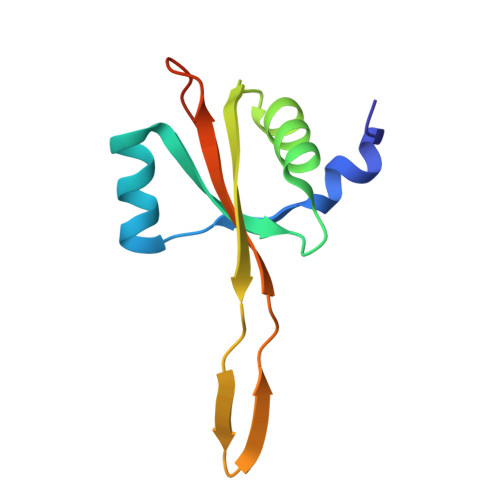
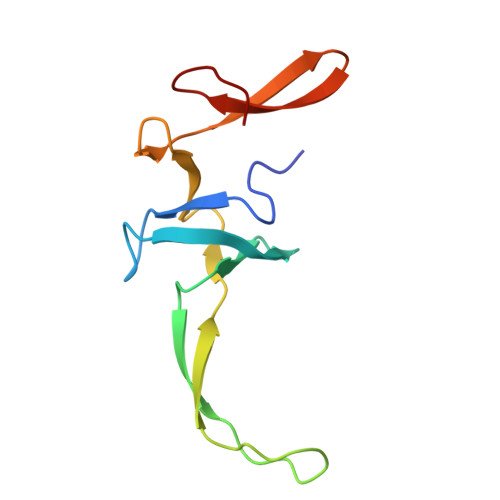
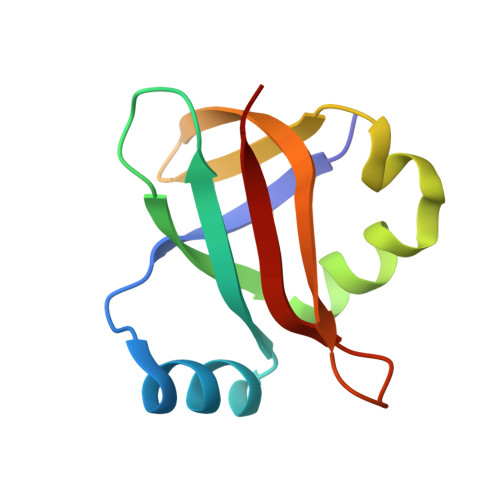
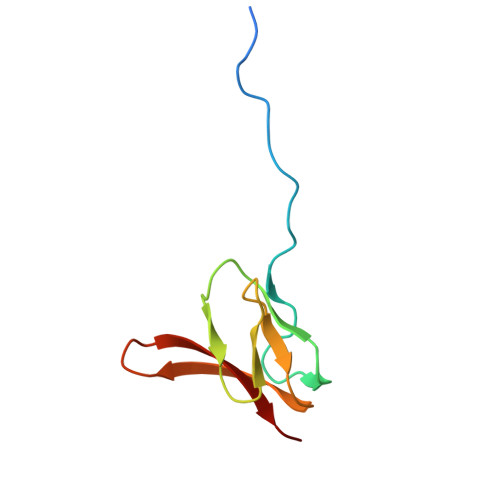
Find PDB structures and Computed Structure Models (CSM) by combining queries from tools in this suite: Attribute Search, Sequence Similarity, Sequence Motif, 3D Similarity, and 3D Motif with 'AND' logic.
Funding Organization(s): Agence Nationale de la Recherche (ANR), European Research Council (ERC), Biotechnology and Biological Sciences Research Council (BBSRC), UK Research and Innovation (UKRI)
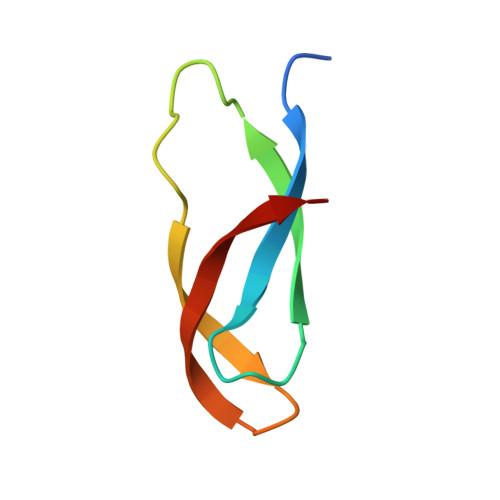
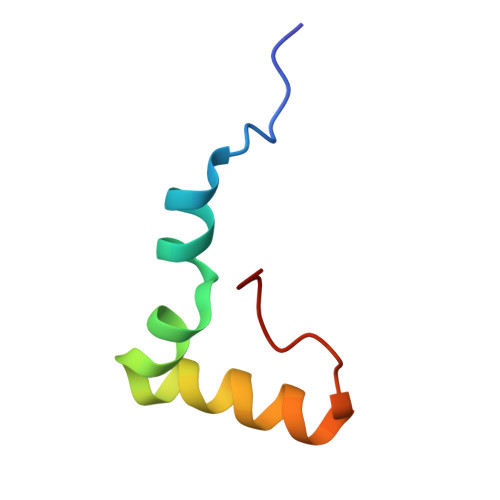
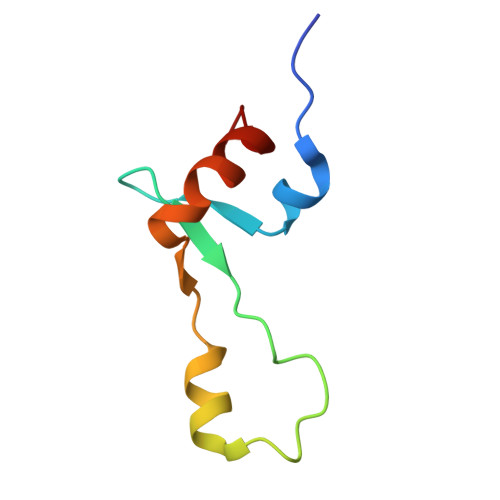
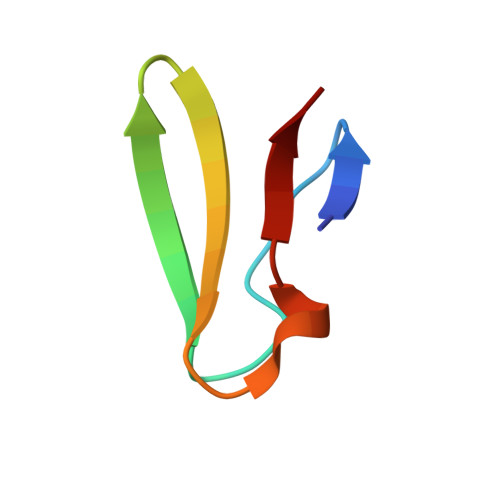
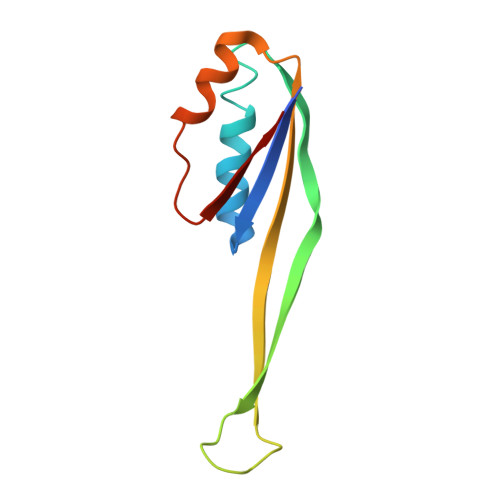
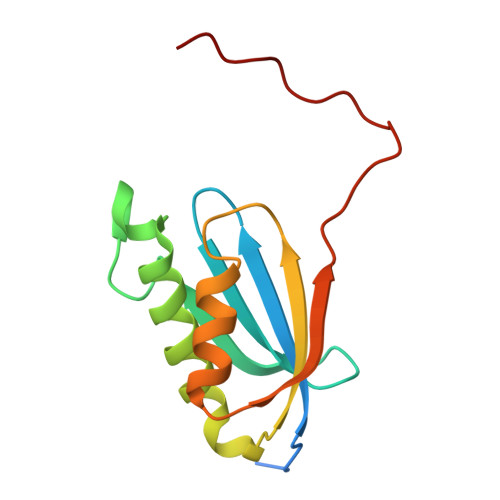
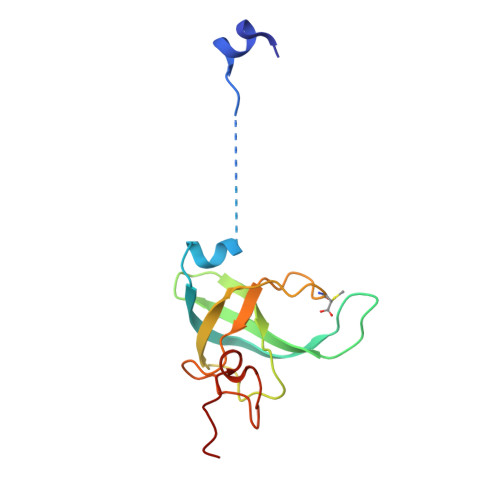
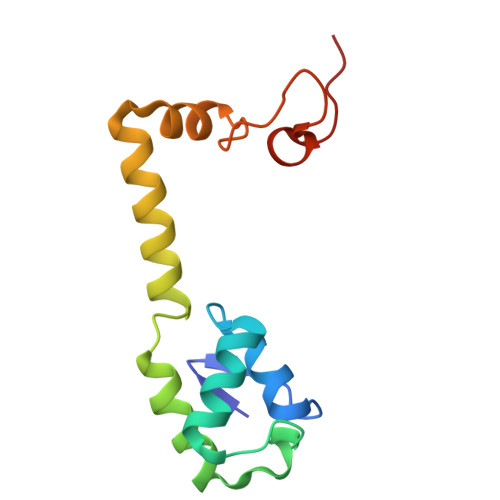
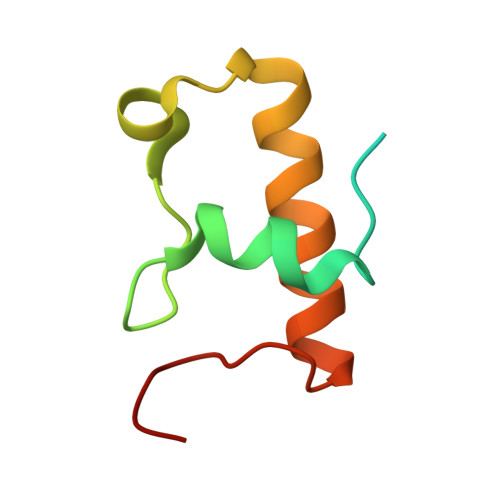
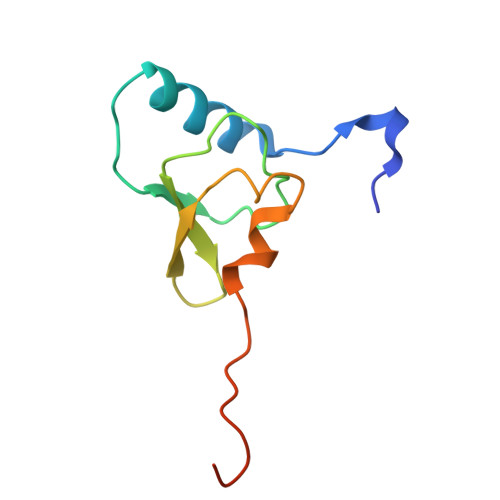
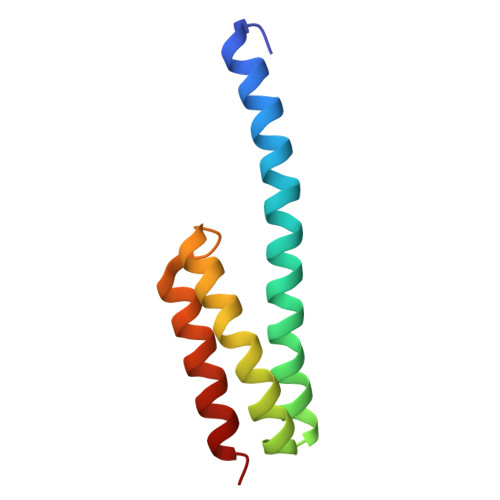
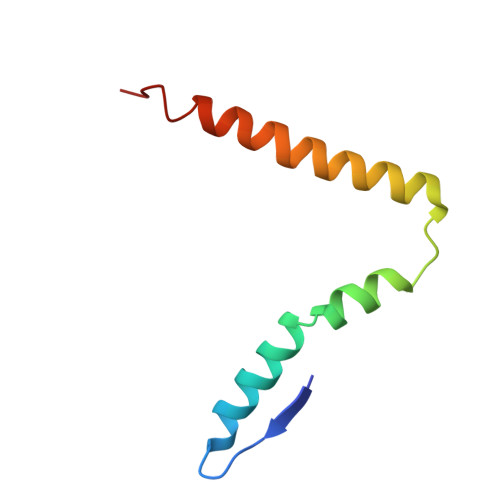
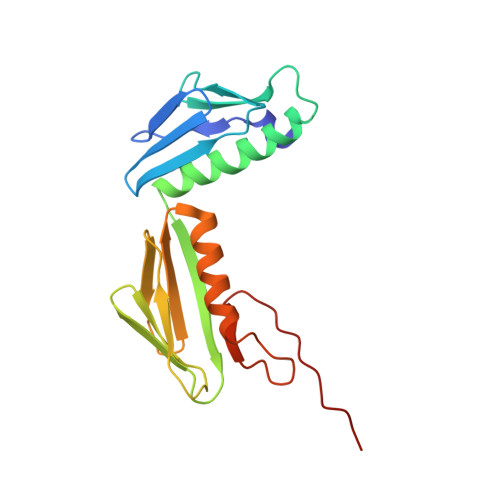
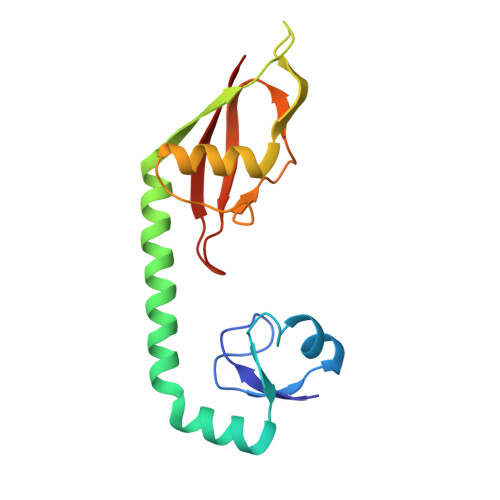
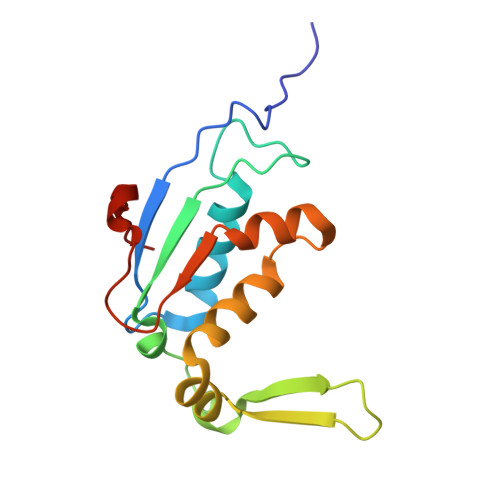
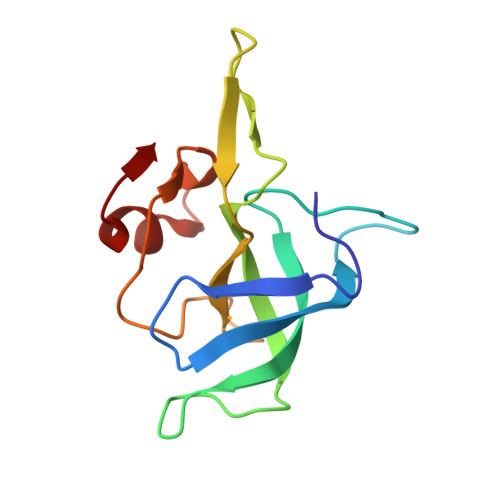
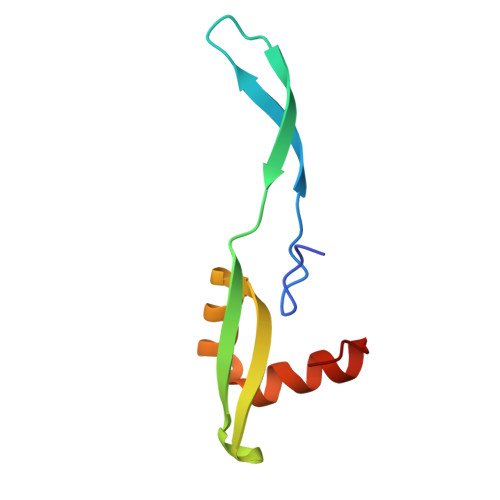
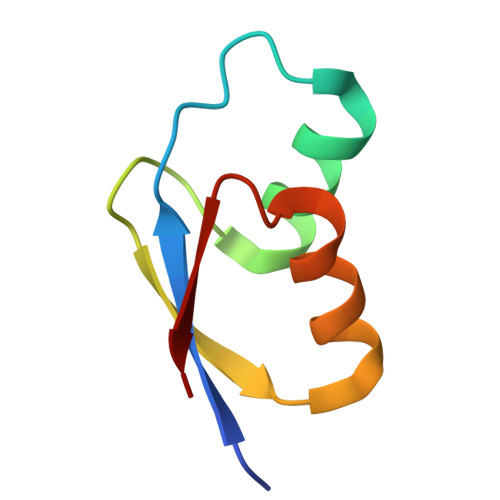
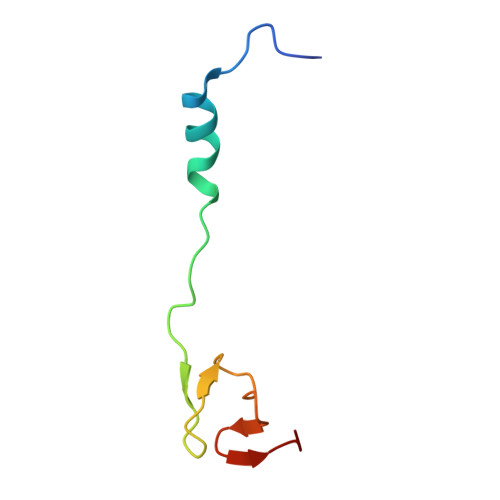
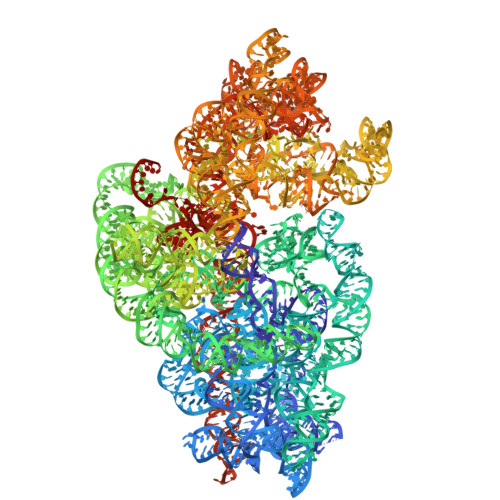
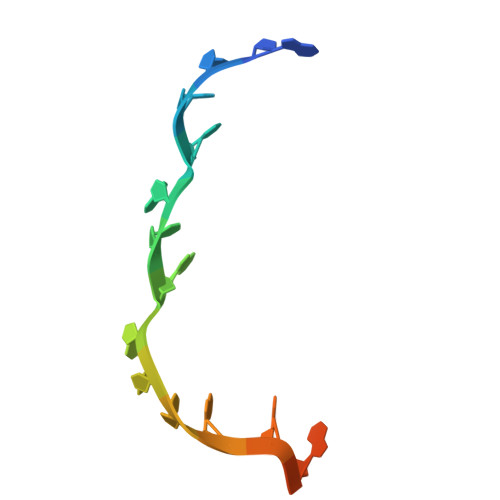
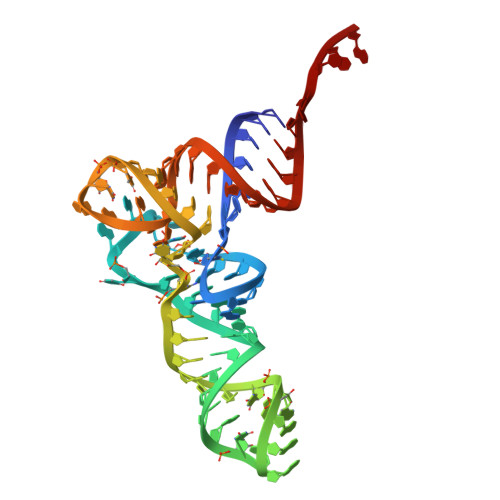
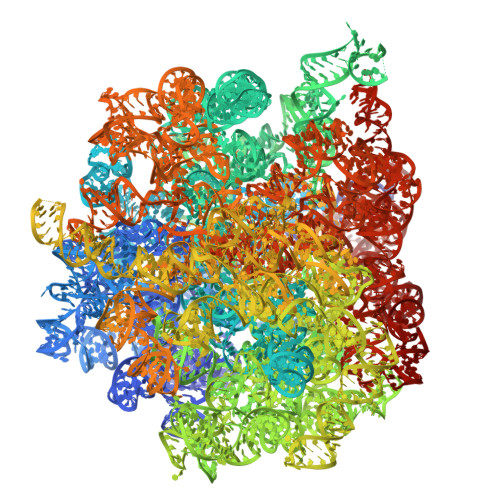
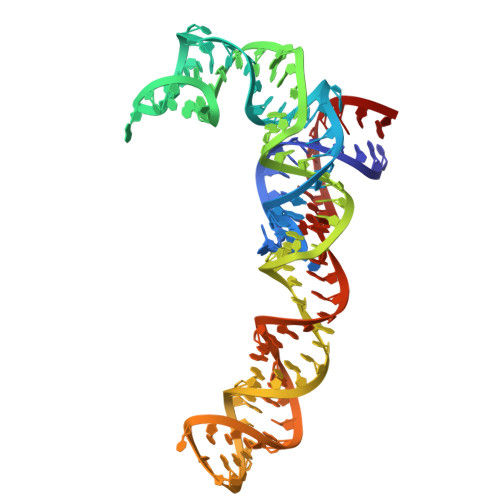
Protein synthesis begins with the formation of a ribosome-messenger RNA (mRNA) complex. In bacteria, the small ribosomal subunit (30 S ) is recruited to many mRNAs through base pairing with the Shine-Dalgarno (SD) sequence and RNA binding by ribosomal protein bS1. Translation can initiate on nascent mRNAs, and RNA polymerase (RNAP) can promote the recruitment of the pioneering 30 S . Here, we examined 30 S recruitment to nascent mRNAs using cryo-electron microscopy, single-molecule fluorescence colocalization, and in-cell cross-linking mass spectrometry. We show that bS1 delivers the mRNA to the ribosome for SD duplex formation and 30 S activation. Additionally, bS1 and RNAP stimulate translation initiation. Our work provides a mechanistic framework for how the SD duplex, ribosomal proteins, and RNAP cooperate in 30 S recruitment to mRNAs and establish transcription-translation coupling.
Organizational Affiliation:
Department of Integrated Structural Biology, Institut de Génétique et de Biologie Moléculaire et Cellulaire (IGBMC), Illkirch Cedex, France.
Université de Strasbourg, Illkirch Cedex, France.
CNRS UMR7104, Illkirch Cedex, France.
INSERM U1258, Illkirch Cedex, France.
Department of Biochemistry and Metabolism, John Innes Centre, Norwich Research Park, Norwich, UK.
Single Molecule Analysis Group, Department of Chemistry and Center for RNA Biomedicine, University of Michigan, Ann Arbor, MI, USA.
Technische Universität Berlin, Chair of Bioanalytics, Berlin, Germany.
Wellcome Centre for Cell Biology, University of Edinburgh, Max Born Crescent, Edinburgh, UK.

 Download Mendeley