Download Mendeley
Insights into the structure and initial host attachment of the flagellotropic bacteriophage 7-7-1.
Noteborn, W.E.M., Ouyang, R., Hoeksma, T., Sidi Mabrouk, A., Esteves, N.C., Pelt, D.M., Scharf, B.E., Briegel, A.(2025) Commun Biol 9: 55-55
- PubMed: 41353512 Search on PubMedSearch on PubMed Central
- DOI: https://doi.org/10.1038/s42003-025-09319-7
- Primary Citation Related Structures:
9HZ7, 9HZ8, 9RKQ, 9RKR, 9RKS, 9RKT, 9RKU, 9RKV - PubMed Abstract:
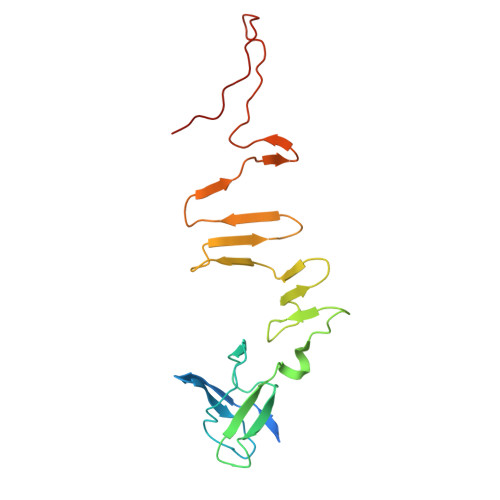
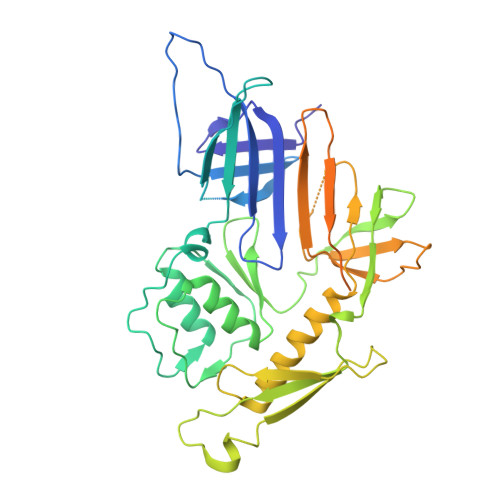
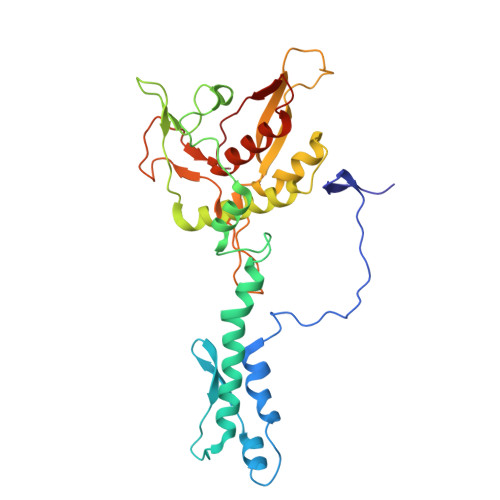
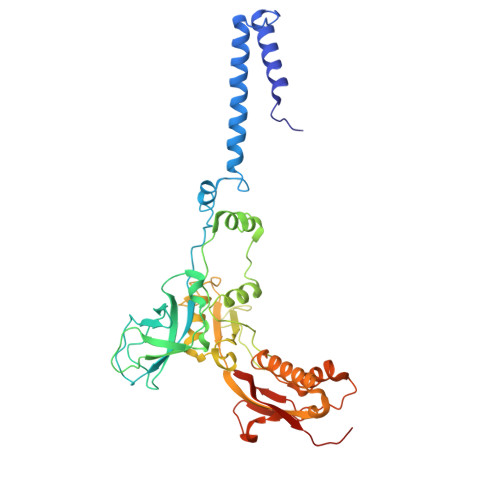
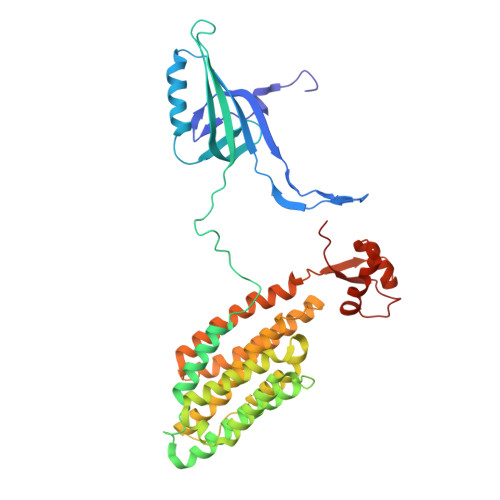
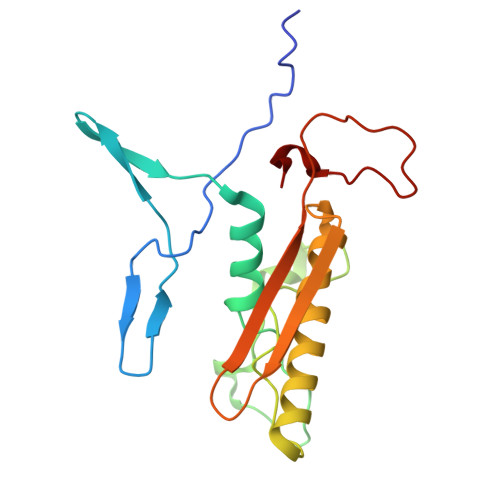
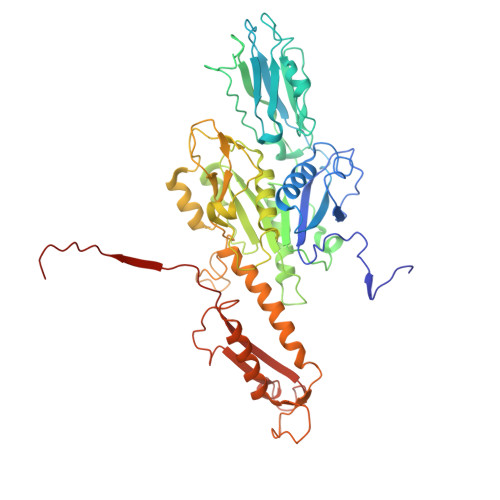
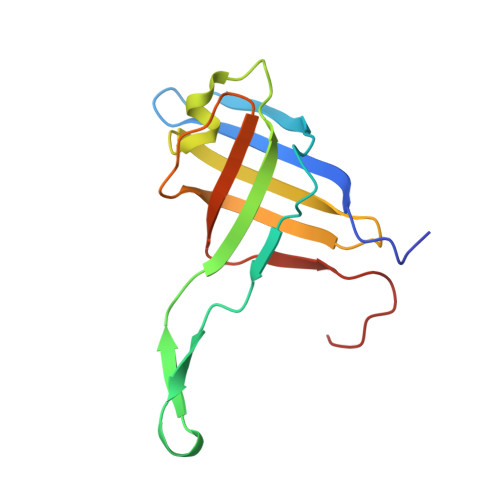
Understanding the structural and functional mechanisms of bacteriophage 7-7-1, the flagellotropic phage infecting Agrobacterium sp. H13-3, offers promising insights into phage-host interactions. Using single particle analysis (SPA) cryo-electron microscopy (cryo-EM), we determined the capsid, neck region, tail, and baseplate complex structures. Combined with cryo-electron tomography (cryo-ET) and machine learning methodologies, our findings indicate that phage 7-7-1 uses capsid fibers to establish initial contact with the host flagellum, followed by subsequent attachment to cell surface receptors. The study also demonstrated that capsid fibers are flexible and can interact with other phages and host flagella, suggesting a cooperative infection strategy. These results provide crucial structural insights and may open avenues for developing phage-based therapeutics against resistant bacterial pathogens.
- Netherlands Centre for Electron Nanoscopy, Leiden University, Leiden, The Netherlands.
Organizational Affiliation: