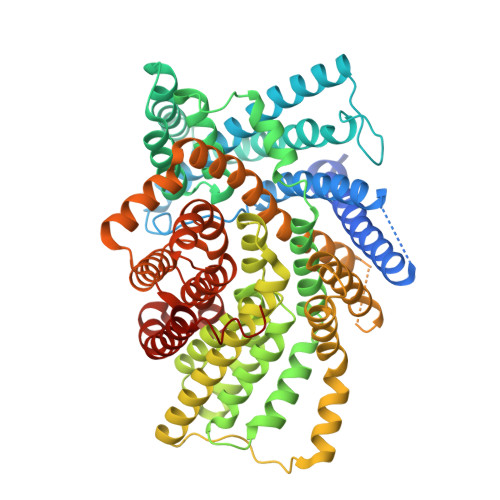
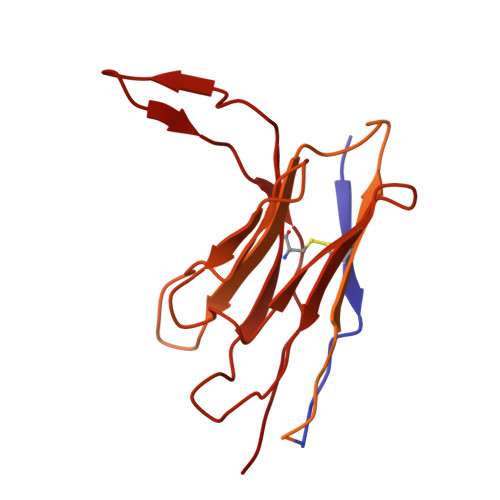
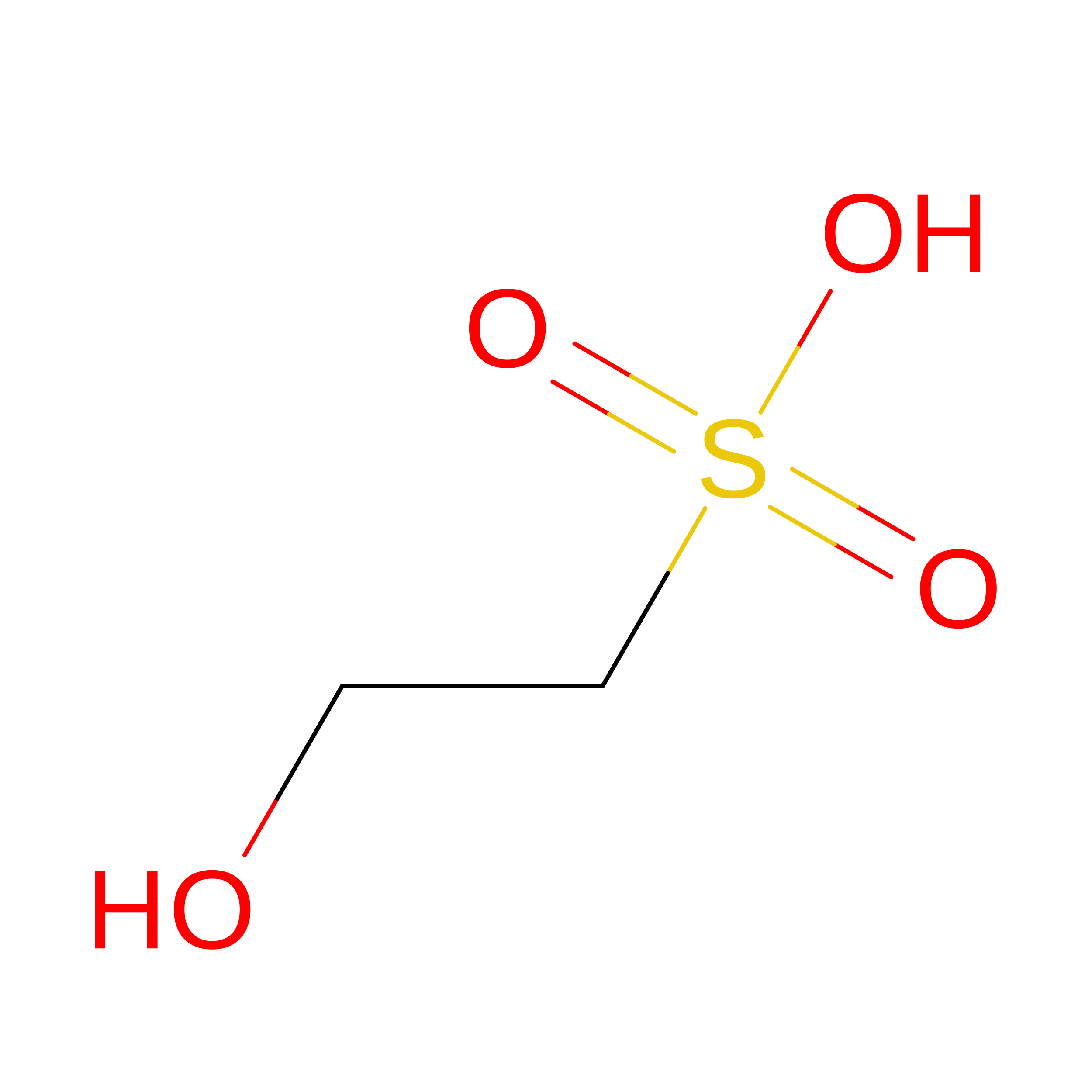
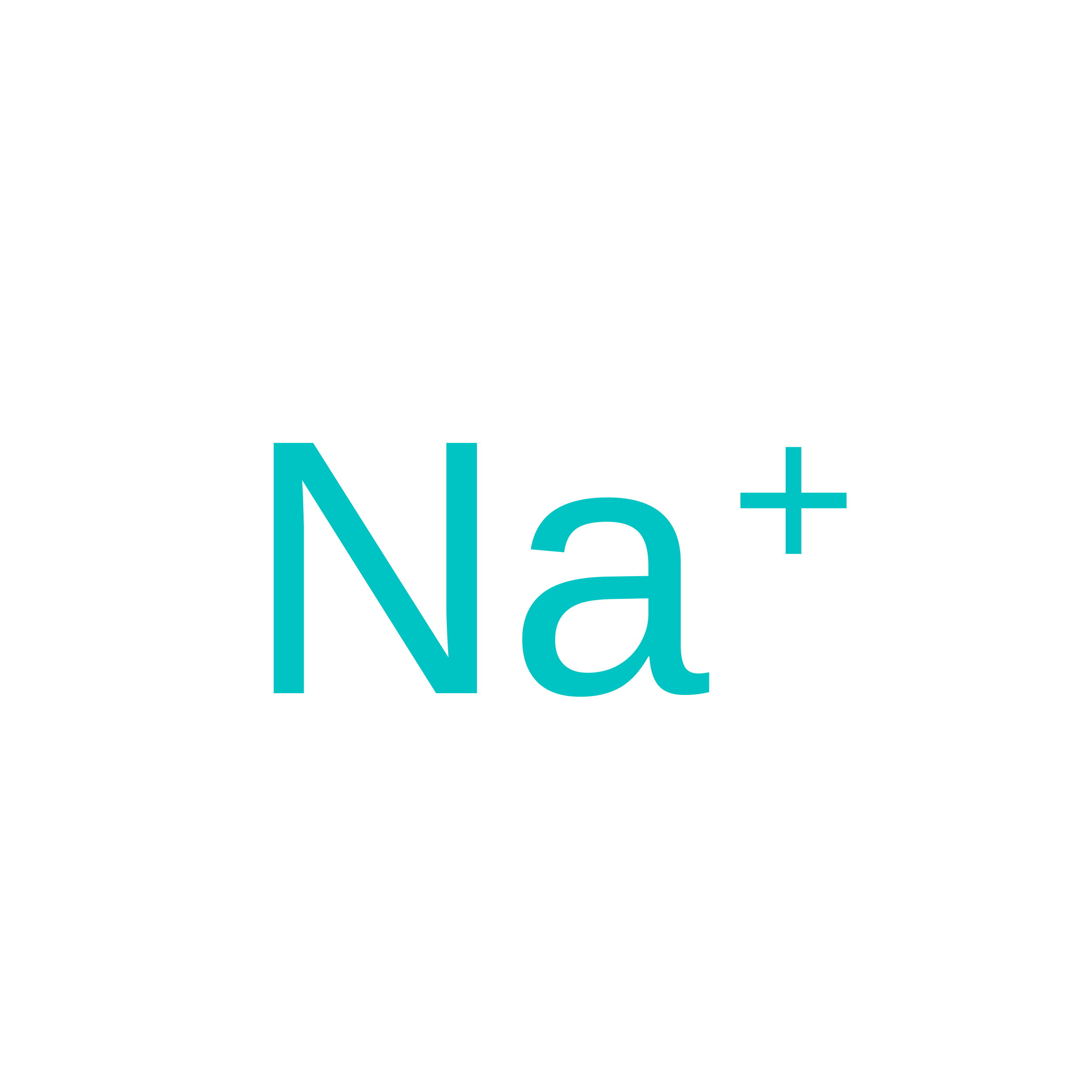
Sulfate-reducing bacteria import organosulfur compounds from the environment for anaerobic respiration. They contribute to human disease and are problematic in industrial settings because they produce hydrogen sulfide. Here, we demonstrate how the sulfate-reducing bacterium Oleidesulfovibrio alaskensis imports isethionate, a common organosulfonate, using a tripartite ATP-independent periplasmic (TRAP) transporter (OaIsePQM). The cryo-EM structure of isethionate-bound OaIseQM to 2.98 Å resolution defines the substrate-binding site, two Na + -binding sites, and a distinct fusion helix. Key residues within the OaIseQM substrate-binding site are identified using substitution and proteoliposome assays. Functional studies demonstrate that OaIseQM requires the substrate-binding protein (OaIseP) and a Na + gradient to drive transport. Modeling of the OaIsePQM complex supports that elevator-type conformational changes are involved in this unique coupled transport process. This work expands our knowledge of the transport of organosulfur compounds in bacteria and establishes OaIsePQM as a new model system for exploring the mechanism of TRAP transporters.
Organizational Affiliation:
Biomolecular Interaction Centre, School of Biological Sciences, MacDiarmid Institute for Advanced Materials and Nanotechnology, University of Canterbury, Christchurch 8140, New Zealand; Australian Research Council (ARC) Centre for Cryo-Electron Microscopy of Membrane Proteins, Parkville, VIC 3052, Australia.
Department DiBEST (Biologia, Ecologia, Scienze della Terra) Unit of Biochemistry and Molecular Biotechnology, University of Calabria, Via P. Bucci 4C, 87036 Arcavacata di Rende, Italy.
Biochemistry Department, School of Biomedical Sciences, University of Otago, Dunedin 9054, New Zealand.
Biomolecular Interaction Centre, School of Biological Sciences, MacDiarmid Institute for Advanced Materials and Nanotechnology, University of Canterbury, Christchurch 8140, New Zealand.
Australian Research Council (ARC) Centre for Cryo-Electron Microscopy of Membrane Proteins, Parkville, VIC 3052, Australia; Ian Holmes Imaging Centre, Bio21 Molecular Science and Biotechnology Institute, University of Melbourne, Melbourne, VIC 3010, Australia.
Biomolecular Interaction Centre, Maurice Wilkins Centre for Molecular Biodiscovery, and School of Biological Sciences, University of Auckland, Auckland 1010, New Zealand.
Australian Centre for Neutron Scattering (ACNS), Australian Nuclear Science and Technology Organisation (ANSTO), Lucas Heights, NSW 2234, Australia.
Australian Synchrotron, ANSTO, Clayton, 800 Blackburn Road, VIC 3168, Australia; Department of Molecular Biology and Biochemistry, Monash University, Melbourne, VIC 3800, Australia.
Department DiBEST (Biologia, Ecologia, Scienze della Terra) Unit of Biochemistry and Molecular Biotechnology, University of Calabria, Via P. Bucci 4C, 87036 Arcavacata di Rende, Italy; CNR Institute of Biomembranes, Bioenergetics and Molecular Biotechnologies (IBIOM), Via Amendola 122/O, 70126 Bari, Italy.
Australian Research Council (ARC) Centre for Cryo-Electron Microscopy of Membrane Proteins, Parkville, VIC 3052, Australia; Ian Holmes Imaging Centre, Bio21 Molecular Science and Biotechnology Institute, University of Melbourne, Melbourne, VIC 3010, Australia; Biomolecular Interaction Centre, Maurice Wilkins Centre for Molecular Biodiscovery, and School of Biological Sciences, University of Auckland, Auckland 1010, New Zealand.
School of Medical Sciences, Faculty of Medicine and Health, University of Sydney, Sydney, NSW 2006, Australia.
Biomolecular Interaction Centre, School of Biological Sciences, MacDiarmid Institute for Advanced Materials and Nanotechnology, University of Canterbury, Christchurch 8140, New Zealand; Australian Research Council (ARC) Centre for Cryo-Electron Microscopy of Membrane Proteins, Parkville, VIC 3052, Australia; Department of Biochemistry & Pharmacology, Bio21 Molecular Science and Biotechnology Institute, The University of Melbourne, Melbourne, VIC 3010, Australia. Electronic address: renwick.dobson@canterbury.ac.nz.
Australian Research Council (ARC) Centre for Cryo-Electron Microscopy of Membrane Proteins, Parkville, VIC 3052, Australia; Computational and Structural Biology Division, Victor Chang Cardiac Research Institute, Sydney, NSW 2010, Australia. Electronic address: j.davies@victorchang.edu.au.








 Download Mendeley