Download Mendeley
Site-selective Au(III)-mediated metalloenzyme conjugations.
Adhami, N., Rebelo, M.J.P., Teptarakulkarn, P.H., Ando, S.H., Olivares, E.J., Louis-Goff, T., Munoz, A.J., Raviprolu, V.T., Sawaya, M.R., Han, D., Vaca, I.P., Vlahakis, N.W., Qu, S., Kerr, T.A., Coutinho, R.J., Loo, R.R.O., Loo, J.A., Shafaat, H.S., Rodriguez, J.A., Spokoyny, A.M.(2026) Chem
- PubMed: 42877571 Search on PubMedSearch on PubMed Central
- DOI: https://doi.org/10.1016/j.chempr.2026.103241
- Primary Citation Related Structures:
9OVF - PubMed Abstract:
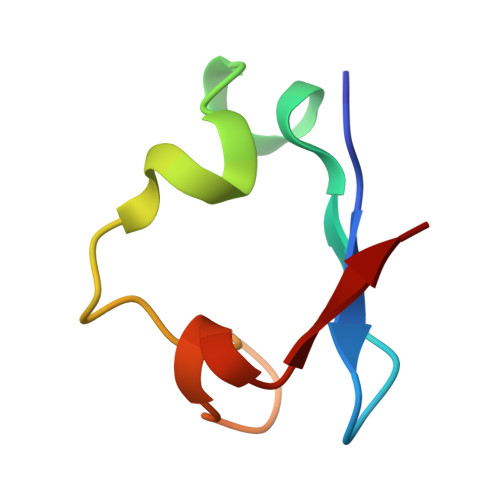
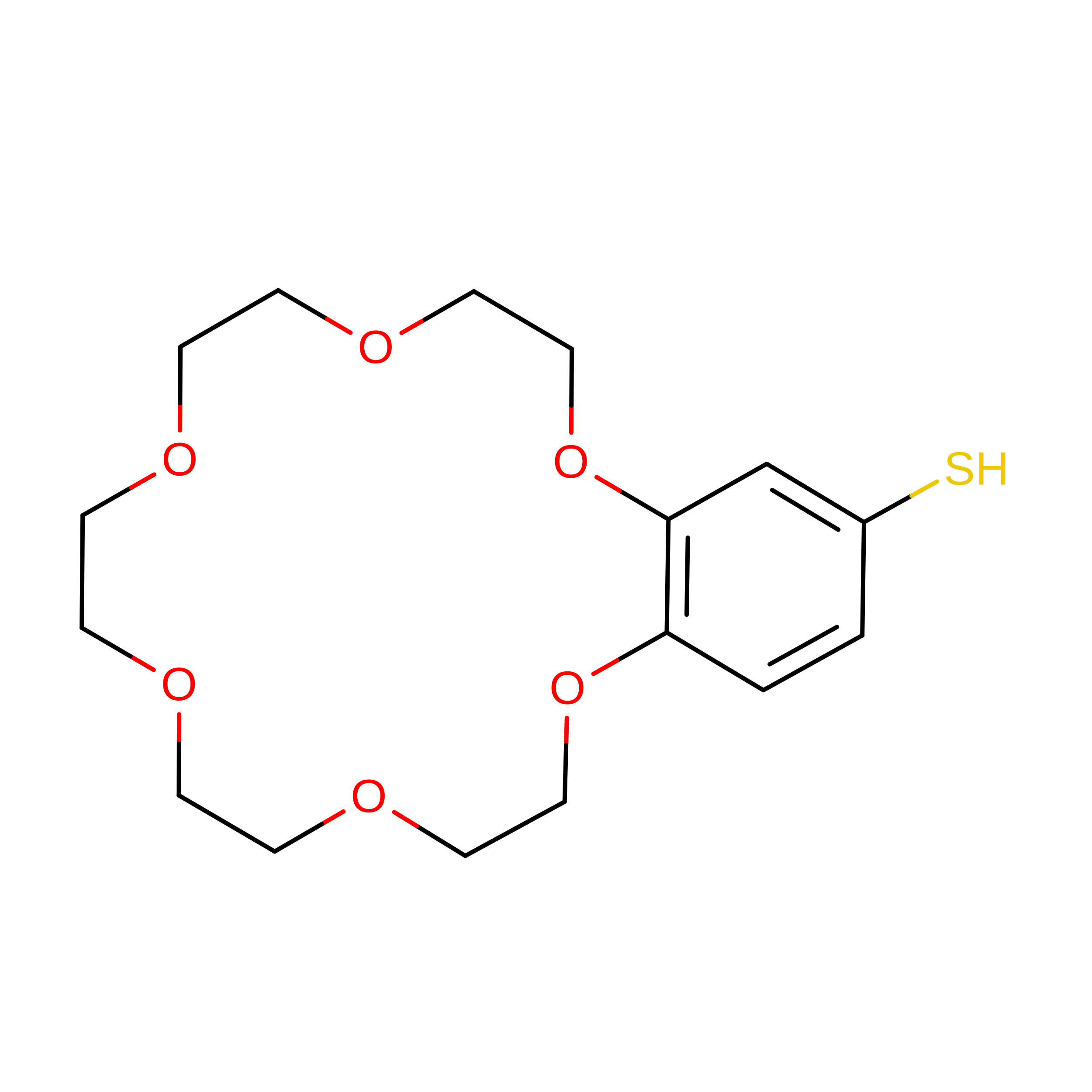
Herein, we introduce an operationally simple approach for the direct covalent modification of metalloenzymes via Au(III)-mediated S -arylation chemistry. Using a model class of rubredoxin metalloenzymes containing Fe or Ni tetrathiolate active site, we demonstrate site-selective installation of diverse abiotic functional groups by targeting a single solvent-exposed cysteine residue distal to the metal center. The bioconjugation proceeds under mild aqueous conditions, rapidly, and in quantitative yields, while preserving the structural and functional integrity of the enzyme. Detailed structural studies, including the first reported X-ray crystal structure of a cysteine-arylated metalloprotein, illuminate a clear preference for regioselective arylation at solvent-exposed cysteine residues, offering a blueprint for predictable and programmable bioconjugation in complex biomolecules. Furthermore, the arylation operates on multiple classes of metalloenzymes including zinc fingers and [3Fe-4S] cluster ferredoxin. This work demonstrates a unique power of "backgroundless" Au(III) arylation chemistry, rendering site-selective bioconjugation of some of the most delicate biomolecules.
- Department of Chemistry and Biochemistry, University of California, Los Angeles, 611 Charles E. Young Drive East, Los Angeles, California, 90095, United States.
Organizational Affiliation: