Download Mendeley
Mechanistic insights into the dimethylsulfoniopropionate synthesis enzyme BurB.
Zhang, N., Lin, Y., Wang, N., Cao, H.-.Y., Zhang, B., Gao, Y.-.N., Zhang, Y.-.Z., Li, C.-.Y.(2025) Appl Environ Microbiol 91: e0135425-e0135425
- PubMed: 40905665 Search on PubMedSearch on PubMed Central
- DOI: https://doi.org/10.1128/aem.01354-25
- Primary Citation Related Structures:
9L4T, 9L4V - PubMed Abstract:
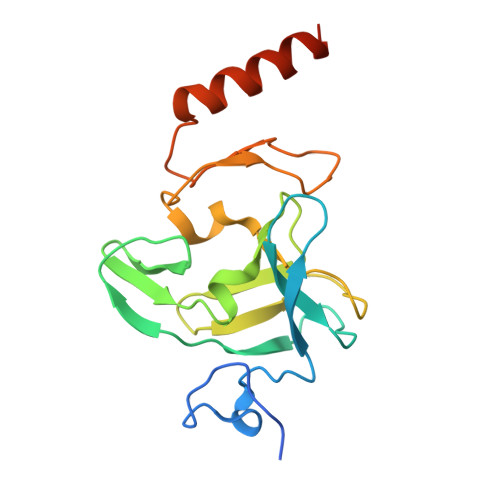
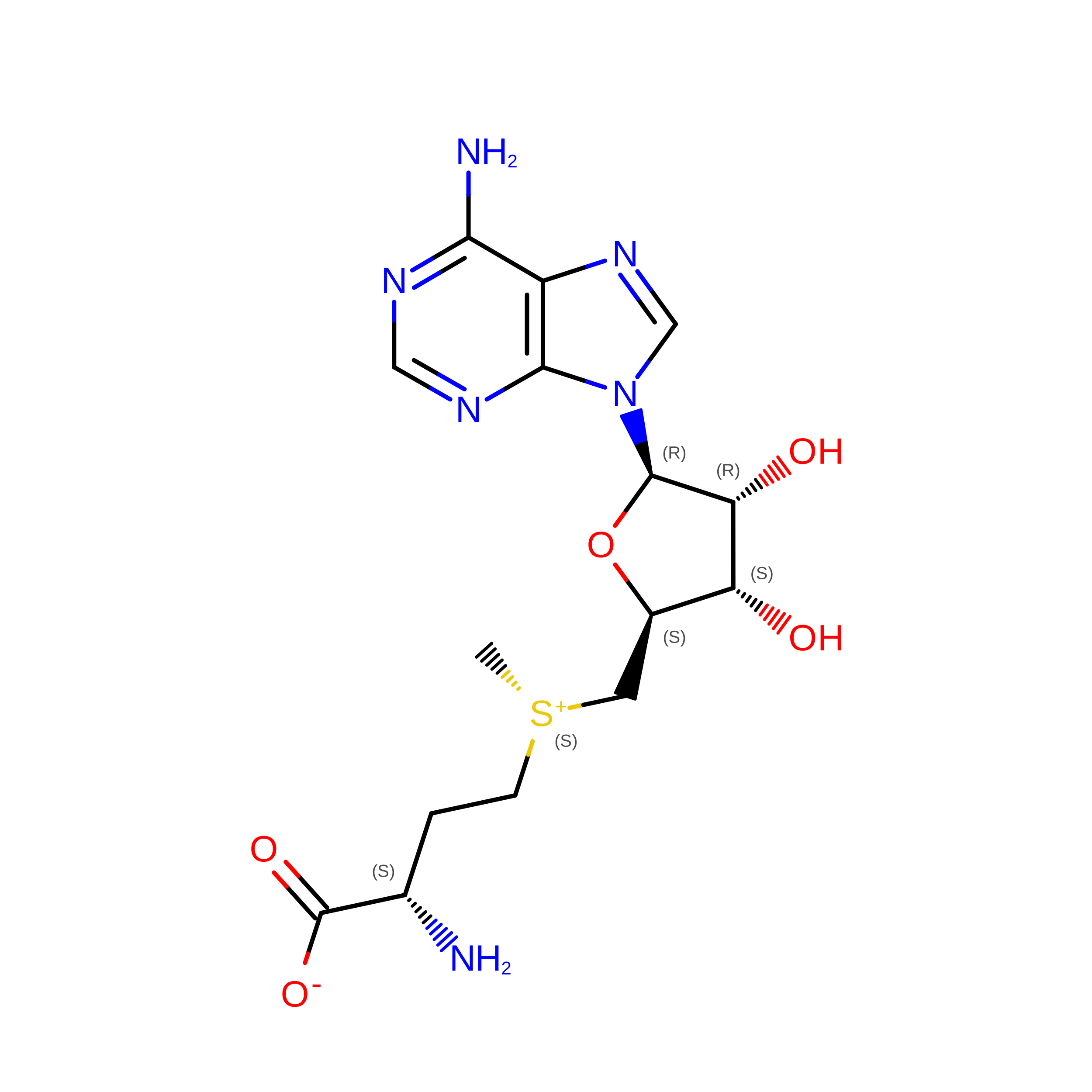
Dimethylsulfoniopropionate (DMSP) is one of the most abundant organosulfur molecules on Earth. It possesses various physiological functions in microorganisms and plays key roles in the global climate regulation. BurB, a SET (Suppressor of variegation, Enhancer of zeste and Trithorax) domain-containing enzyme identified from Burkholderia thailandensis , initiates DMSP synthesis by methylating methionine (Met) to S -methyl-methionine (SMM), with S -adenosyl methionine (SAM) as a methyl donor. Here, the crystal structures of BurB-Met and BurB-SMM-SAM were determined, and the catalytic mechanism of BurB was proposed based on structural and biochemical analyses. BurB is a specific S -methyltransferase involved in the DMSP methylation synthesis pathway. The Met molecule is bound in the substrate binding pocket mainly via hydrogen bonding interactions with the main chains of the BurB residues. With the binding of SAM, the loop (Gln37-Ala44) possessing a gating function generates a conformational change and seals the substrate binding pocket, which may promote the subsequent nucleophilic attack of the Met molecule on the methyl group of SAM via the proximity and desolvation mechanism. Our results offer a better understanding of the catalytic mechanisms of SET domain-containing methyltransferases and provide novel insights into DMSP synthesis and the global sulfur cycling. The organosulfur compound dimethylsulfoniopropionate (DMSP) is an important participant in the global sulfur cycling. DMSP possesses various physiological functions in microorganisms and is also the main precursor of the "climate cooling" gas dimethyl sulfide (DMS). However, studies on the catalytic mechanisms of DMSP synthesis enzymes are limited. BurB, a specific S -methyltransferase involved in the DMSP methylation synthesis pathway, catalyzes the conversion of methionine (Met) to S -methyl-methionine (SMM), with S -adenosyl methionine (SAM) as a methyl donor. Moreover, BurB also represents a new member of the SET (Suppressor of variegation, Enhancer of zeste and Trithorax) domain proteins. Here, we determined the crystal structures of BurB-Met and BurB-SMM-SAM complexes and proposed the catalytic mechanism of BurB based on structural and biochemical analyses. The results offer a better understanding of the catalytic mechanisms of SET domain-containing methyltransferases and provide novel insights into DMSP synthesis.
- School of Bioengineering, State Key Laboratory of Biobased Material and Green Papermaking, Qilu University of Technology (Shandong Academy of Sciences), Jinan, China.
Organizational Affiliation: