Download Mendeley
Crystal structure of the alternative complex III from the phototrophic bacterium Chloroflexus aurantiacus.
Wu, W., Fang, H., He, H., Wu, J., Gong, Z., Li, C., Pei, X., Xu, X.(2025) Structure 33: 29-38.e2
- PubMed: 39500318 Search on PubMed
- DOI: https://doi.org/10.1016/j.str.2024.10.014
- Primary Citation Related Structures:
9ILT - PubMed Abstract:
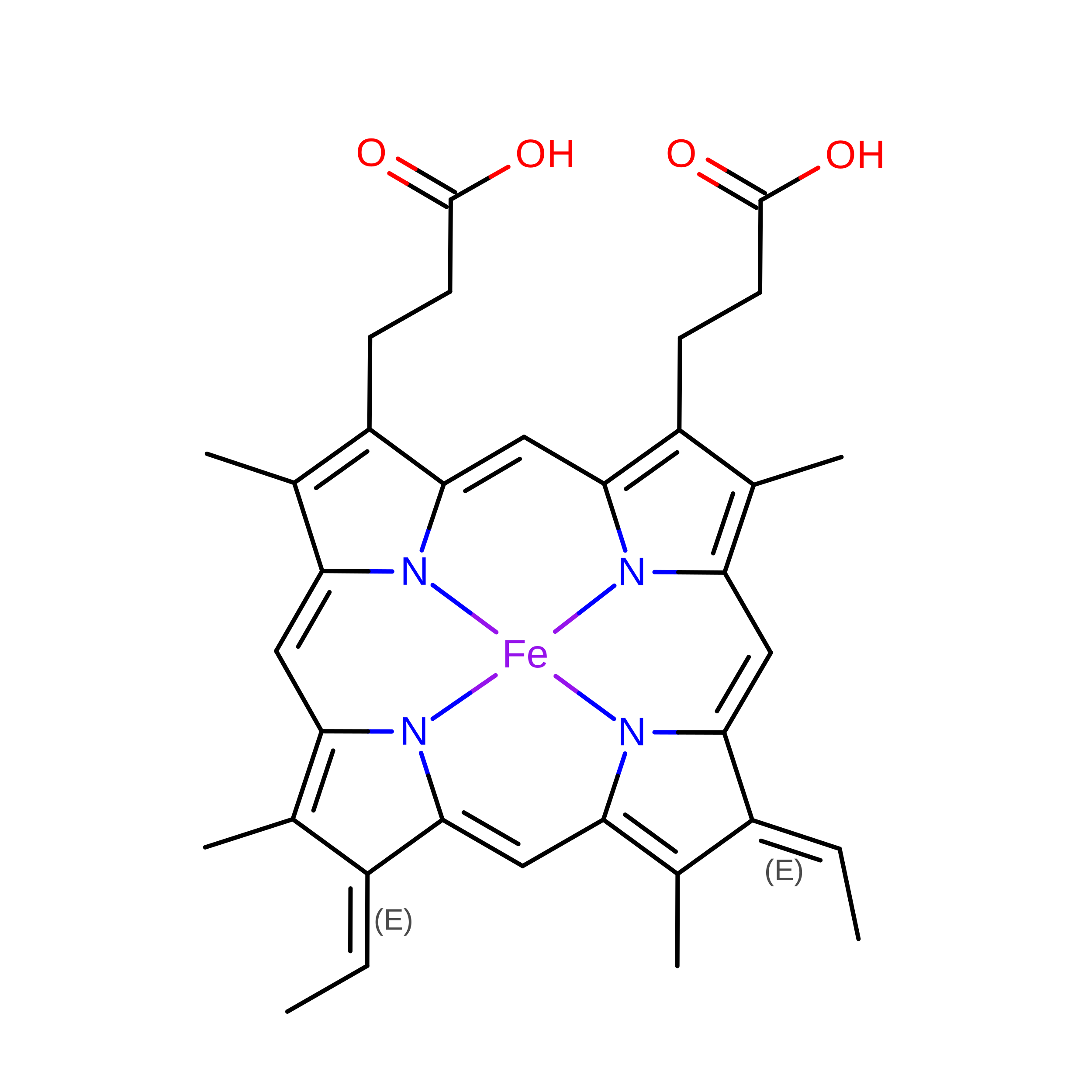
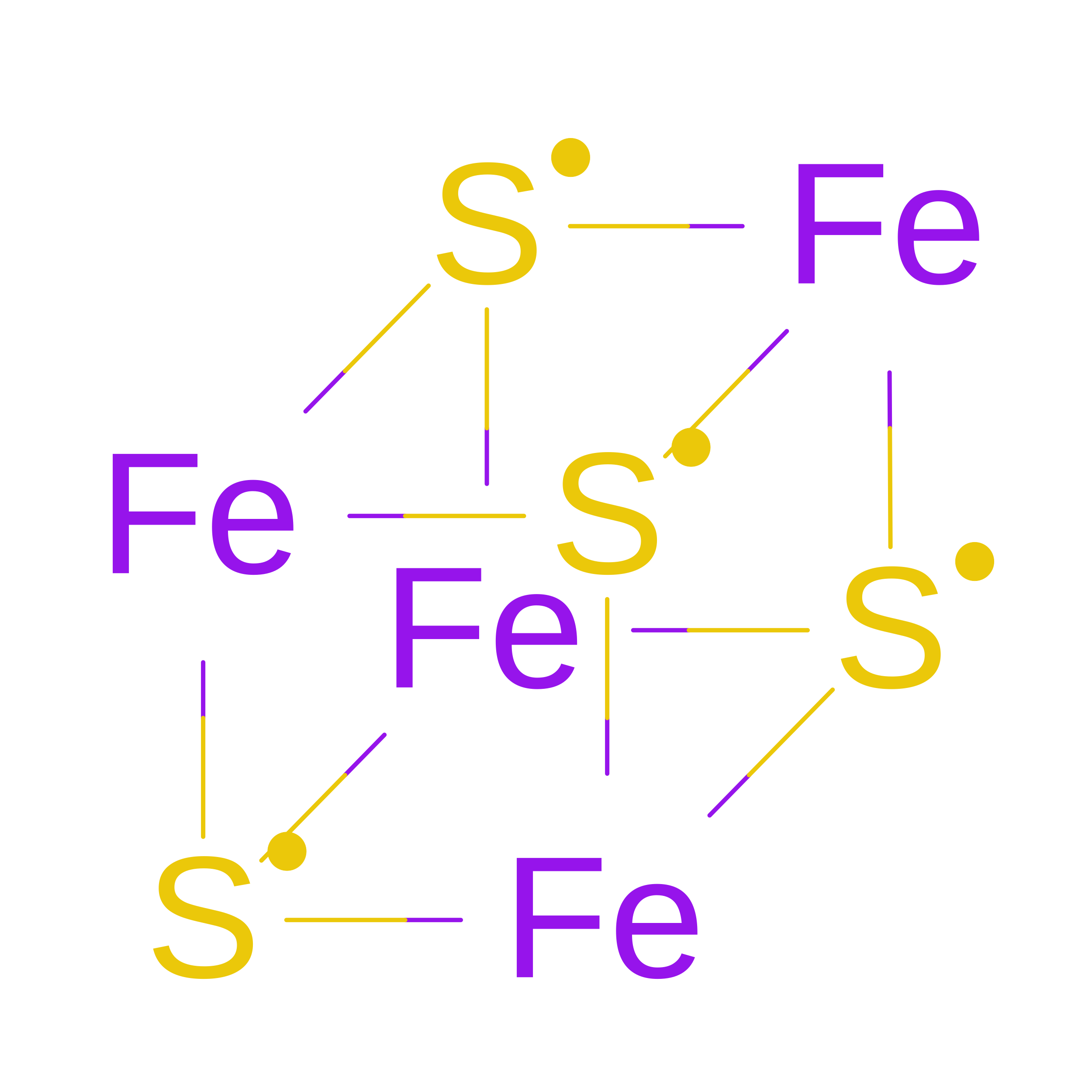
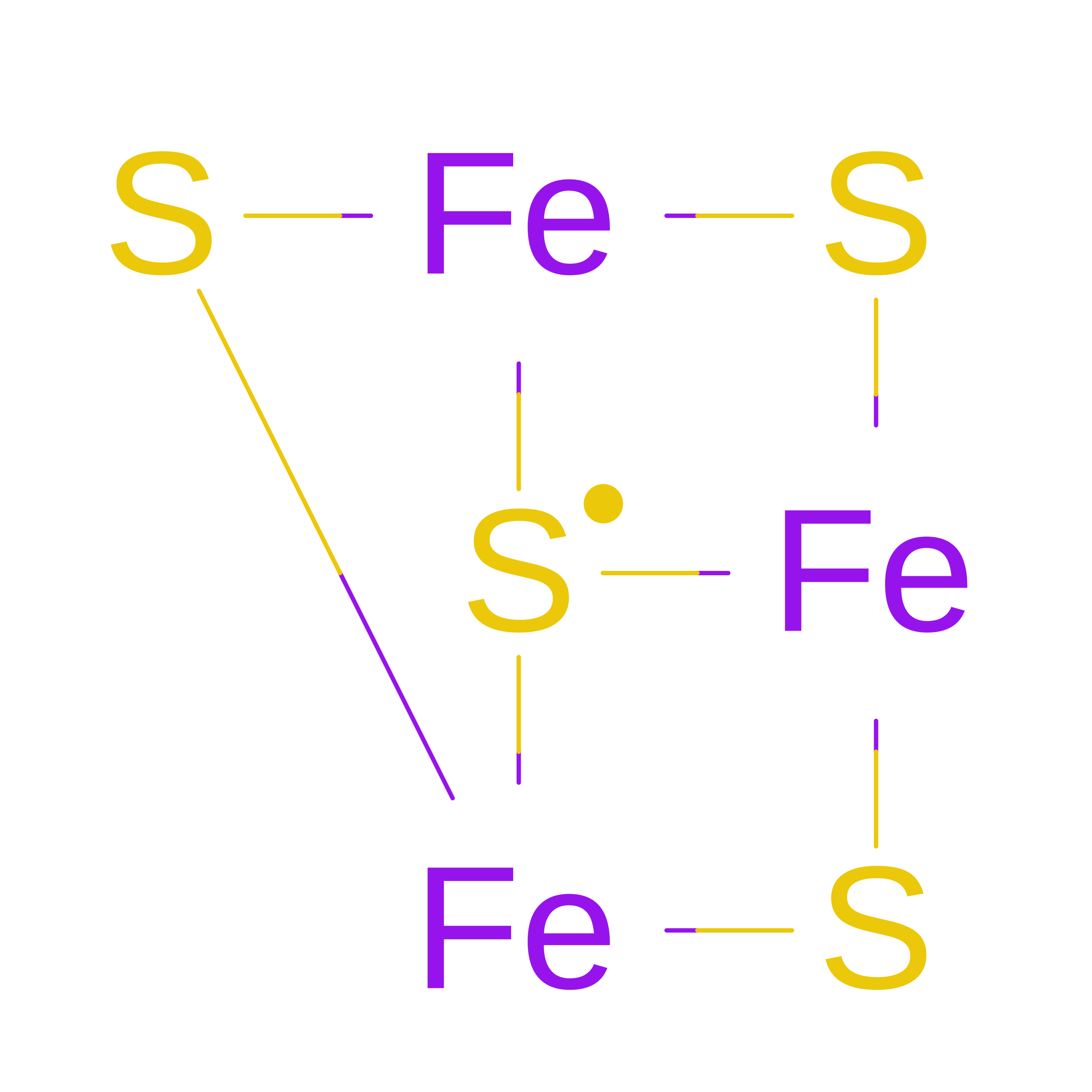
Alternative complex III (ACIII) is a multi-subunit quinol:electron acceptor oxidoreductase that couples quinol oxidation with transmembrane proton translocation in bacterial respiratory and photosynthetic electron transport chains. Four ACIII cryoelectron microscopy (cryo-EM) structures are known. However, the effects of cryo-EM versus X-ray crystallography structure determination on ACIII structure are unclear. Here, we report a 3.25 Å crystal structure of photosynthetic ACIII from Chloroflexus aurantiacus (CaACIIIp), revealing eight subunits (ActA-G and I) with four iron-sulfur clusters and six c-type hemes, a menaquinol-binding site, and two proton translocation passages. Structural comparisons with the previously reported cryo-EM structures reveal slight local conformational changes in the solvent-exposed regions of ActB, ActD, ActG, and the transmembrane (TM) helix of subunit I. The regions conferring structural flexibility possess low sequence conservation across species. However, the core functional modules containing the menaquinol-binding pocket, redox centers, and proton translocation passages remain unchanged, preserving the enzyme's activity.
- Zhejiang Key Laboratory of Medical Epigenetics, Department of Biochemistry and Molecular Biology, School of Basic Medical Sciences, Hangzhou Normal University, Hangzhou 311121, China.
Organizational Affiliation: