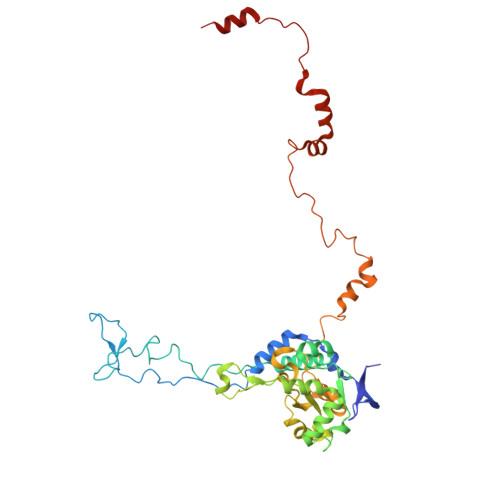
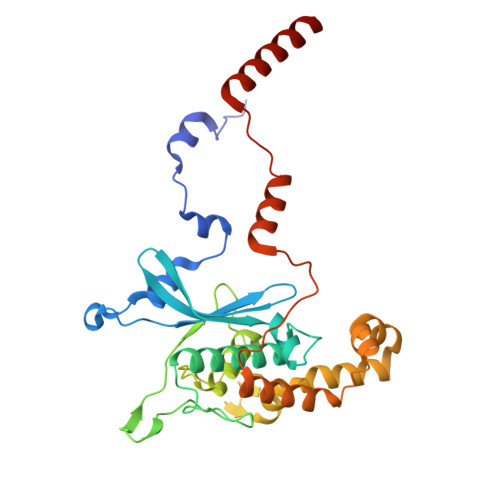
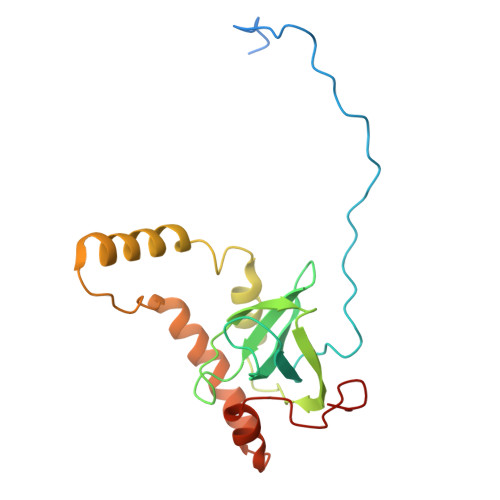
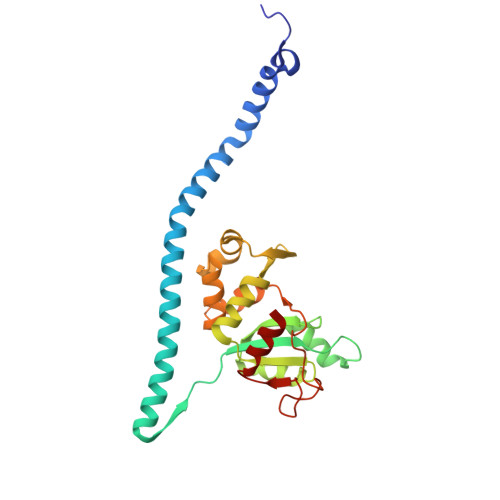
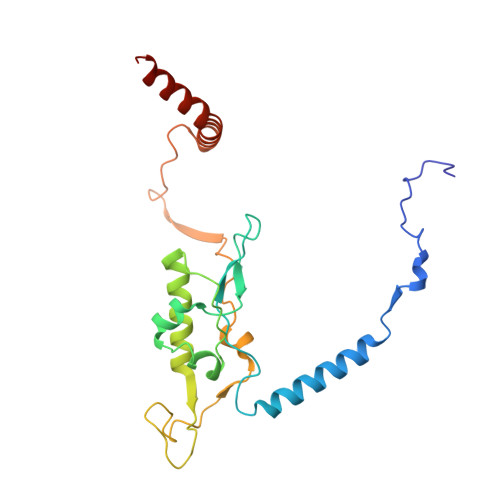
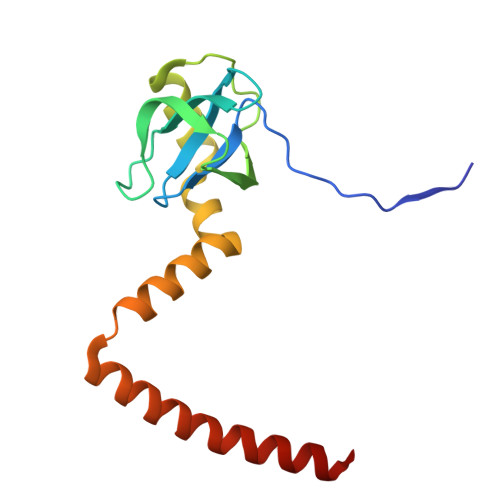
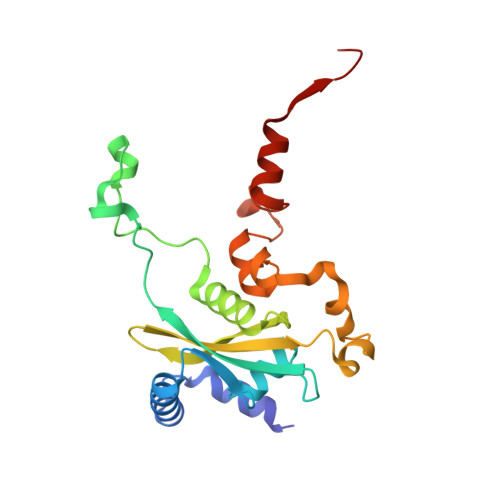
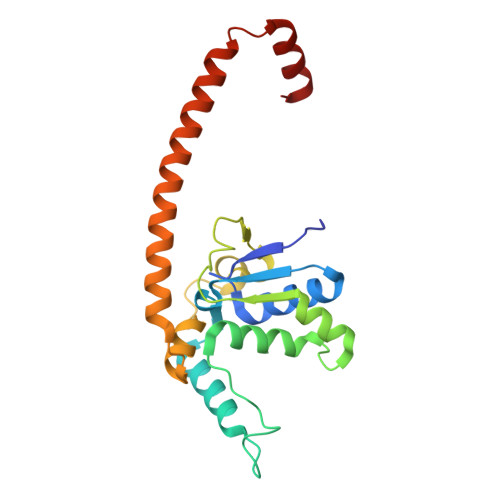
Find PDB structures and Computed Structure Models (CSM) by combining queries from tools in this suite: Attribute Search, Sequence Similarity, Sequence Motif, 3D Similarity, and 3D Motif with 'AND' logic.
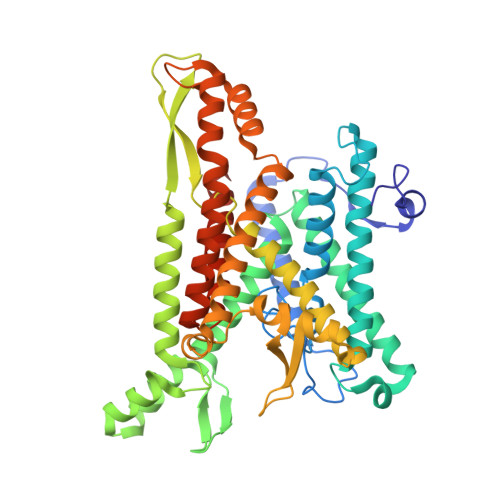
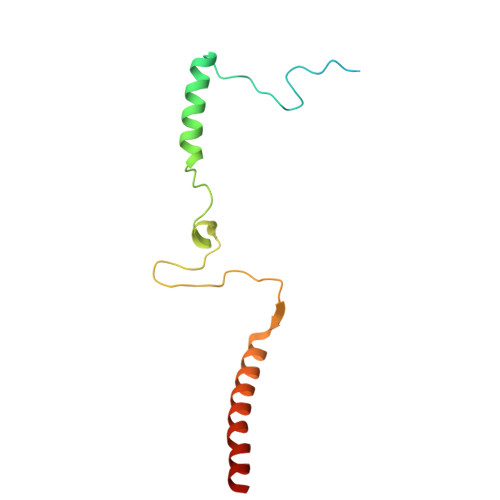
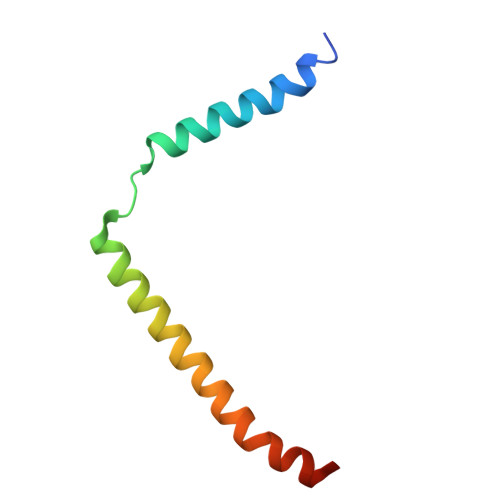
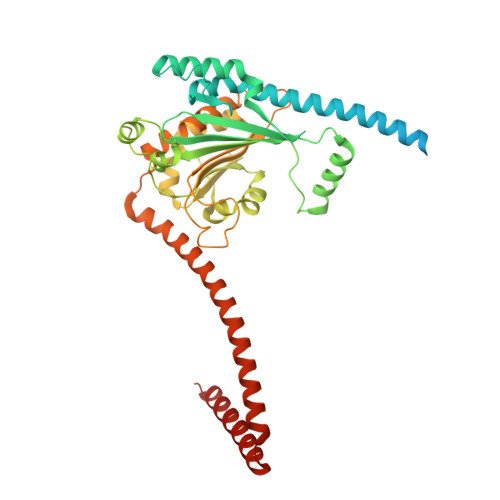
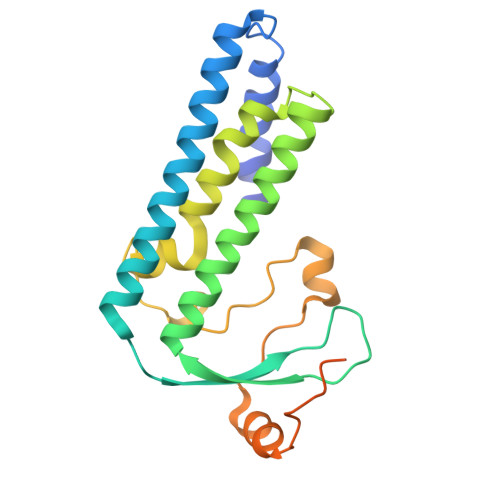
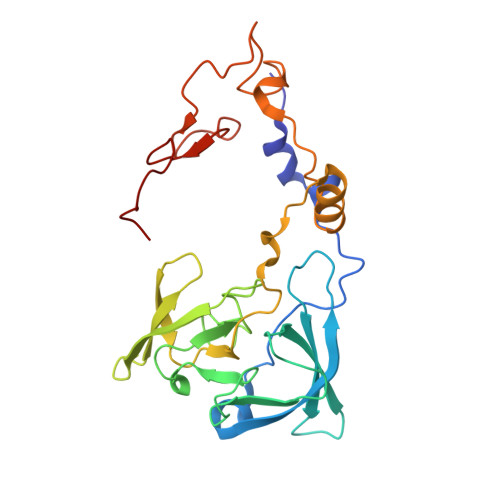
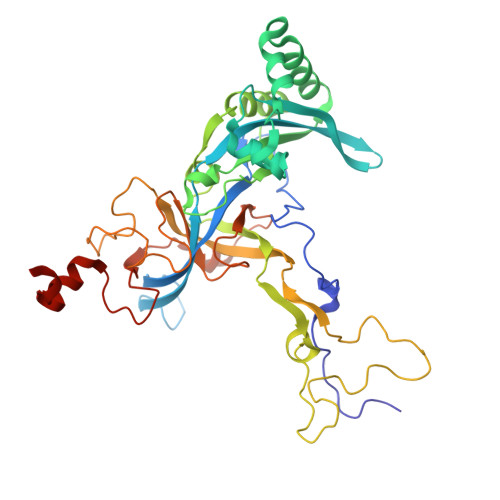
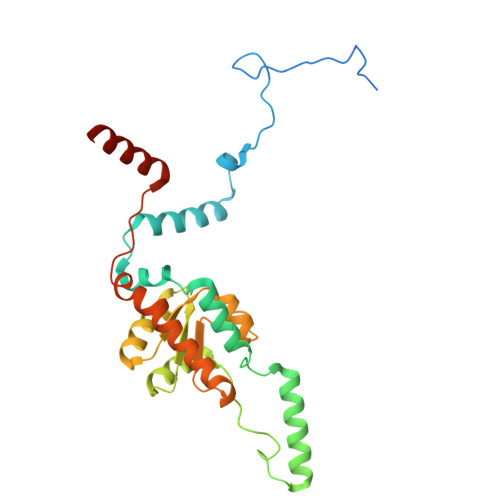
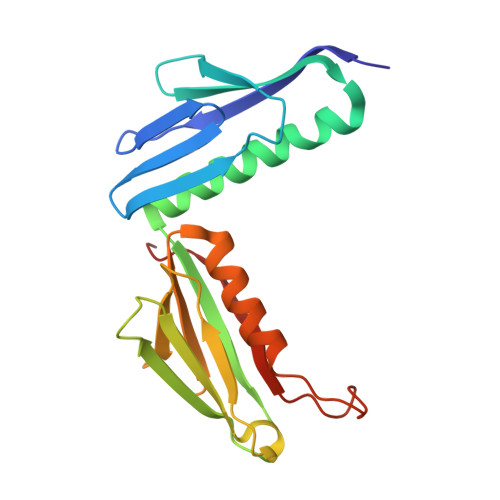
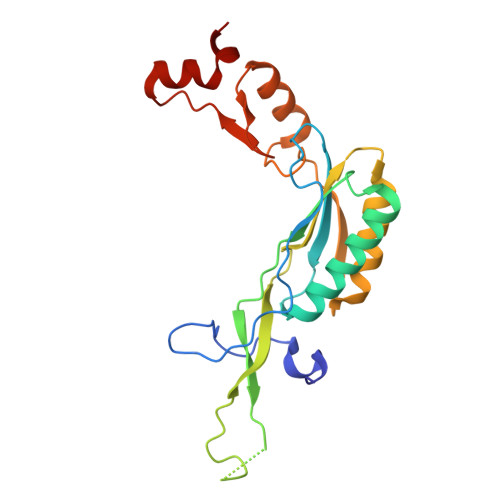
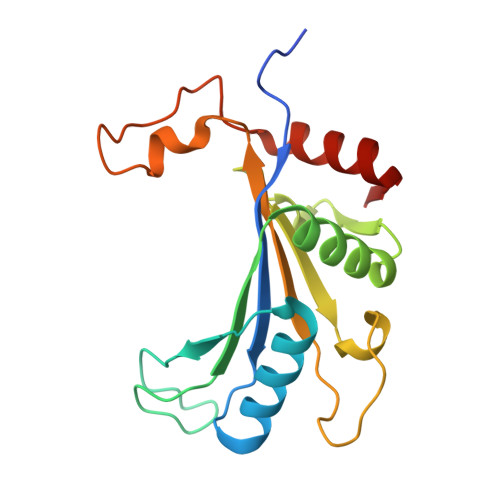
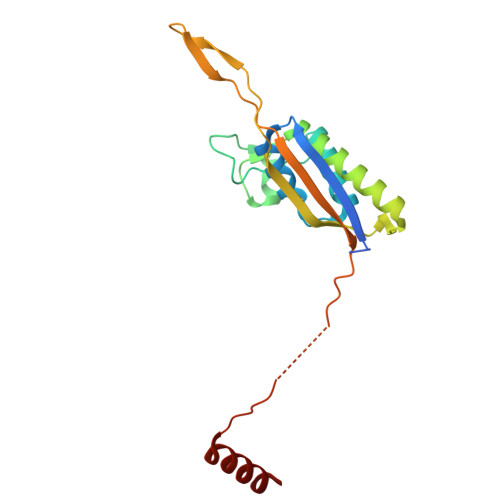
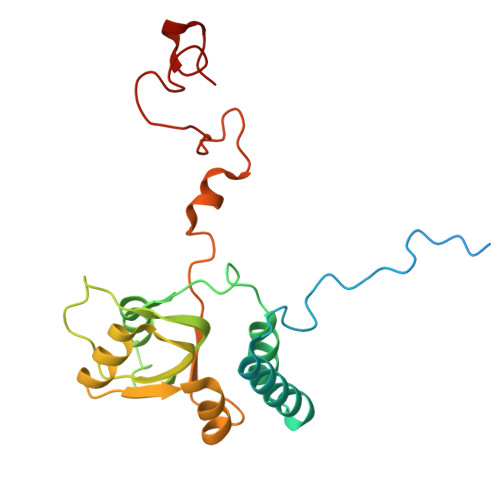
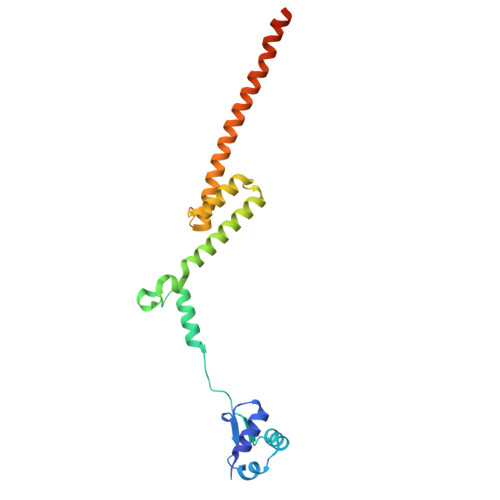
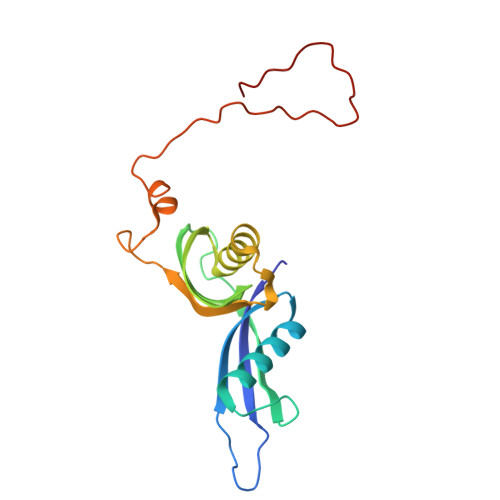
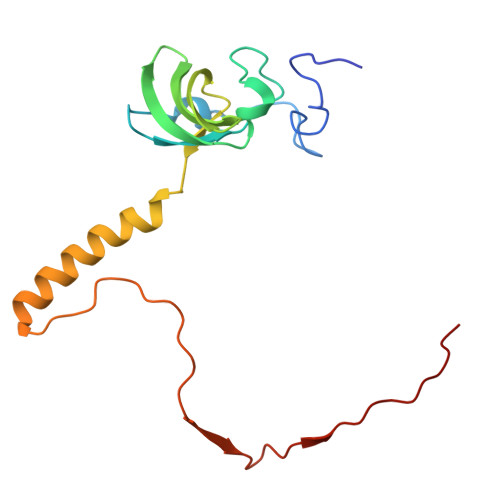
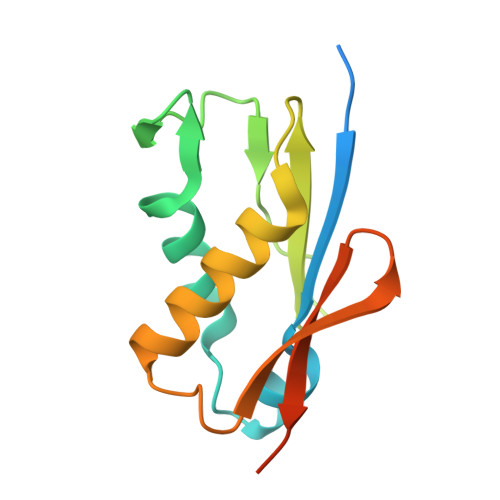
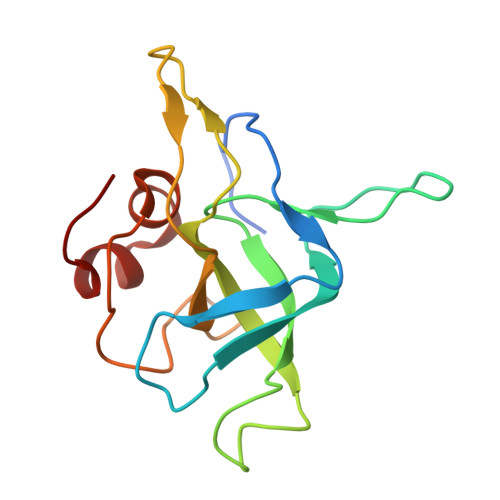
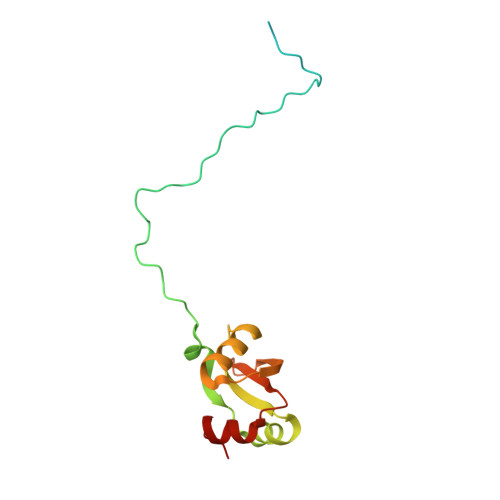
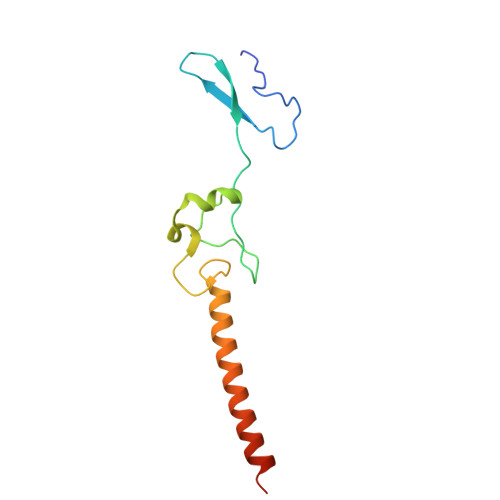
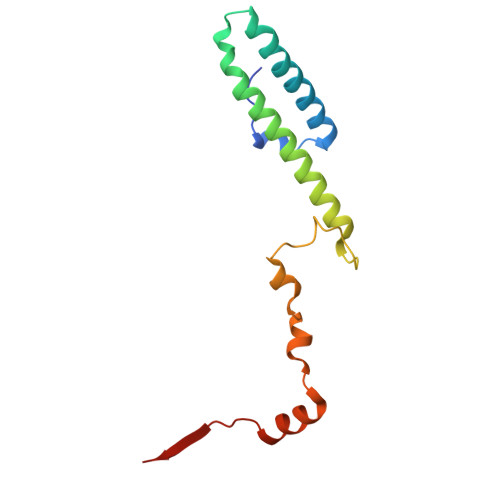
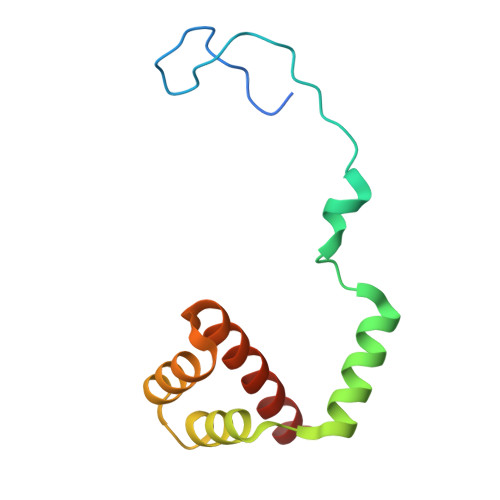
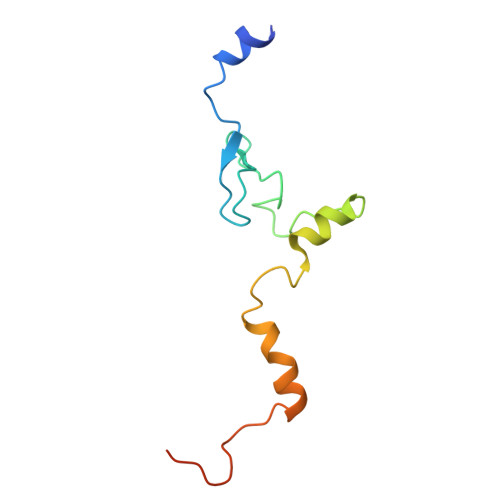
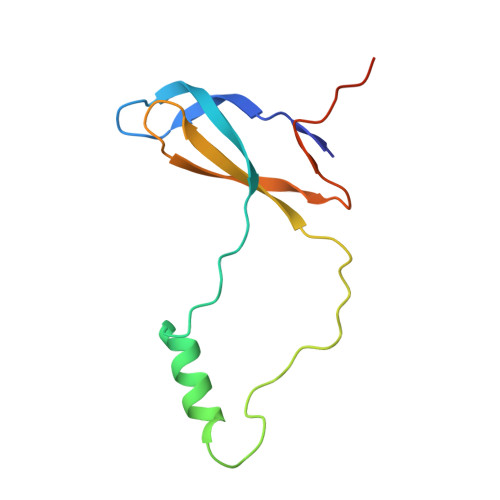
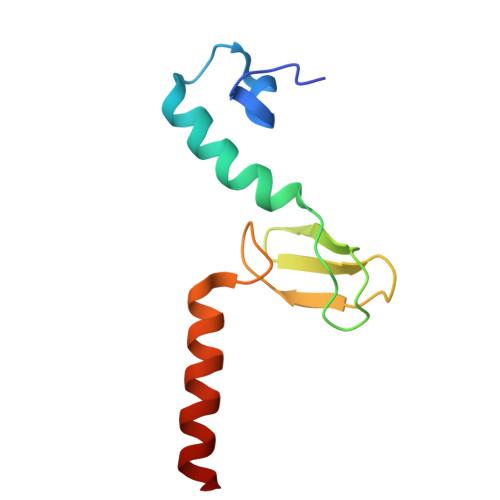
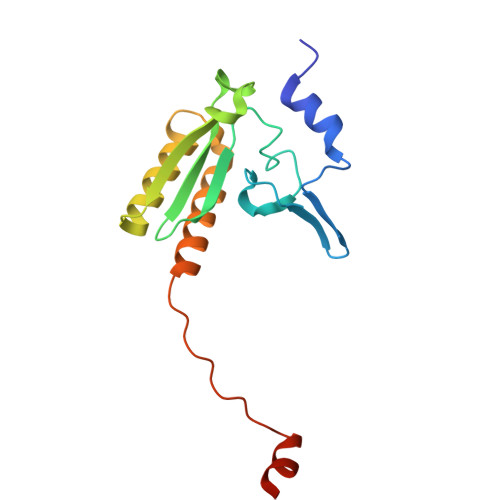
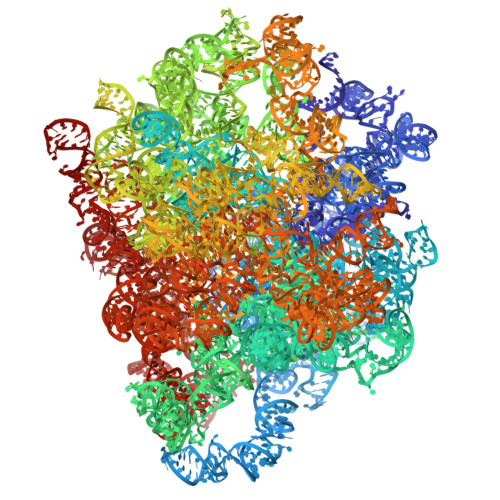
During the biogenesis of most eukaryotic integral membrane proteins (IMPs), transmembrane domains are inserted into the endoplasmic reticulum membrane by a dedicated insertase or the SEC61 translocon. The SRP-independent (SND) pathway is the least understood route into the membrane, despite catering for a broad range of IMP types. Here, we show that Chaetomium thermophilum SND3 is a membrane insertase with an atypical fold. We further present a cryo-electron microscopy structure of a ribosome-associated SND3 translocon complex involved in co-translational IMP insertion. The structure reveals that the SND3 translocon additionally comprises the complete SEC61 translocon, CCDC47 and TRAPɑ. Here, the SEC61β N-terminus works together with CCDC47 to prevent substrate access to the translocon. Instead, molecular dynamics simulations show that SND3 disrupts the lipid bilayer to promote IMP insertion via its membrane-embedded hydrophilic groove. Structural and sequence comparisons indicate that the SND3 translocon is a distinct multipass translocon in fungi, euglenozoan parasites and other eukaryotic taxa.
Organizational Affiliation:
Membrane Protein Biogenesis Research Group, Max Planck Institute of Biophysics, Frankfurt am Main, Germany.
Department of Theoretical Biophysics, Max Planck Institute of Biophysics, Frankfurt am Main, Germany.
Membrane Proteomics and Mass Spectrometry, Max Planck Institute of Biophysics, Frankfurt am Main, Germany.
Mass Spectrometry, Max Planck Institute for Brain Research, Frankfurt am Main, Germany.
Institute for Biophysics, Goethe University Frankfurt, Frankfurt am Main, Germany.
Membrane Protein Biogenesis Research Group, Max Planck Institute of Biophysics, Frankfurt am Main, Germany. melanie.mcdowell@biophys.mpg.de.

 Download Mendeley