Download Mendeley
Methylthio-alkane reductases use nitrogenase metalloclusters for carbon-sulfur bond cleavage.
Lago-Maciel, A., Soares, J.C., Zarzycki, J., Buchanan, C.J., Reif-Trauttmansdorff, T., Schmidt, F.V., Lometto, S., Paczia, N., Schuller, J.M., Hansen, D.F., Heller, G.T., Prinz, S., Hochberg, G.K.A., Pierik, A.J., Rebelein, J.G.(2025) Nat Catal 8: 1086-1099
- PubMed: 41140912 Search on PubMedSearch on PubMed Central
- DOI: https://doi.org/10.1038/s41929-025-01426-2
- Primary Citation Related Structures:
9FMG - PubMed Abstract:
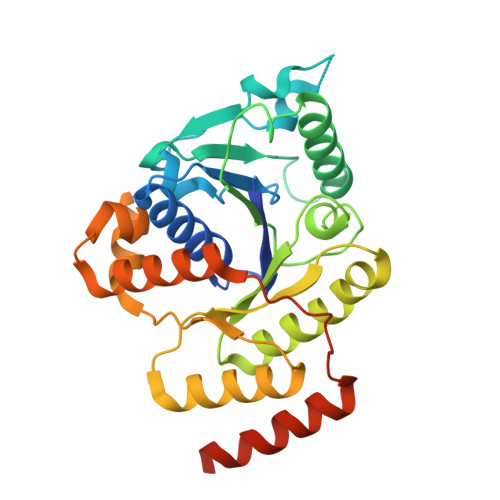
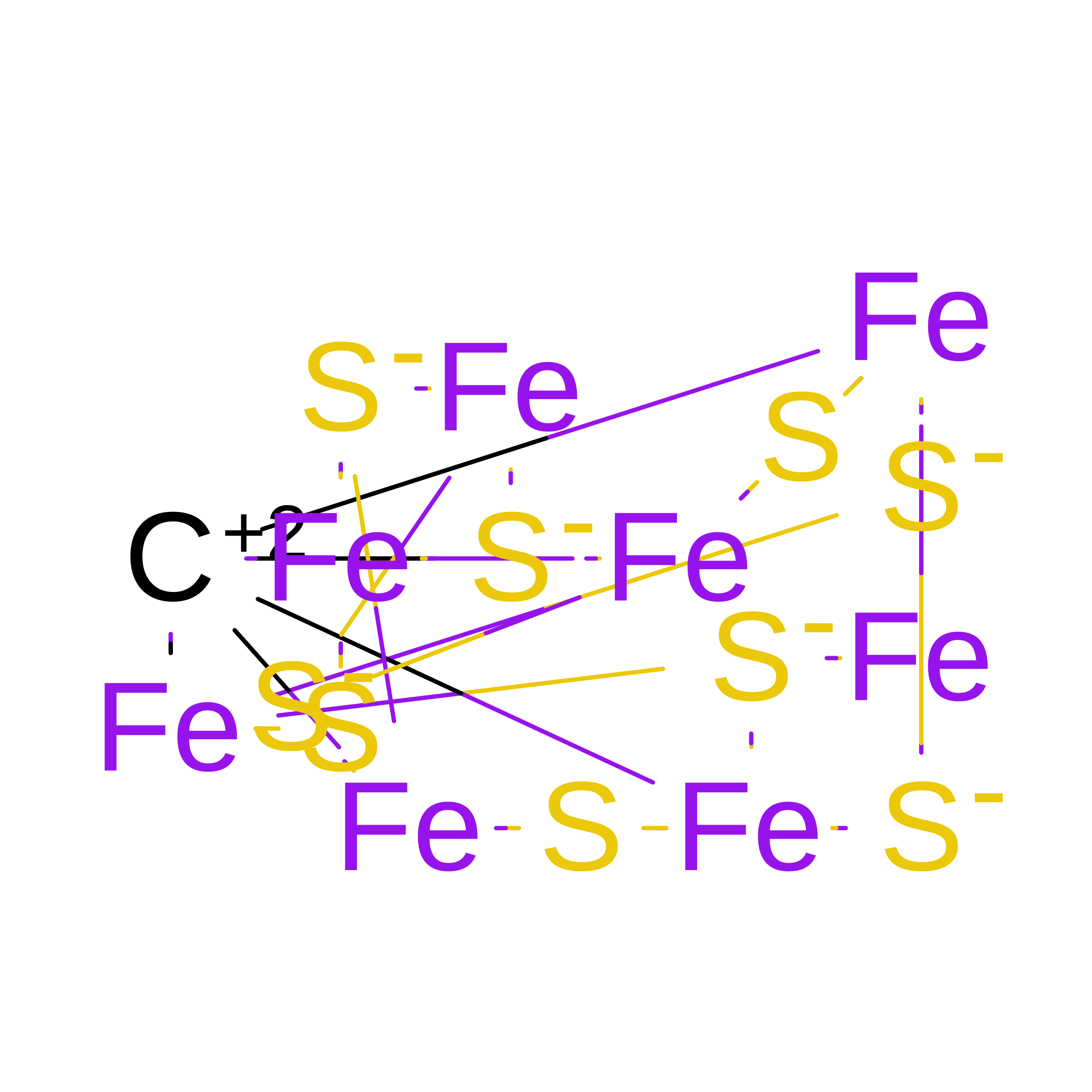
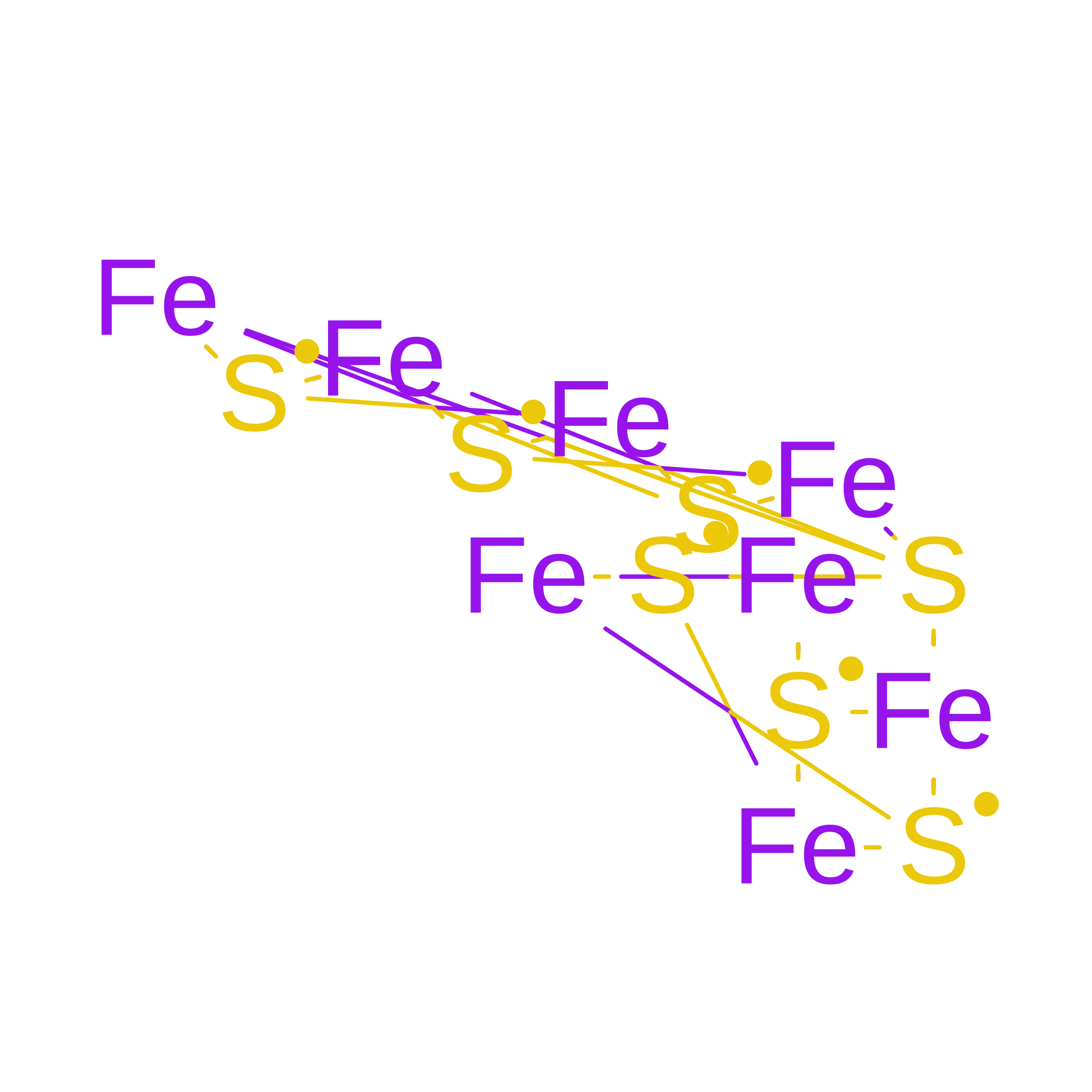
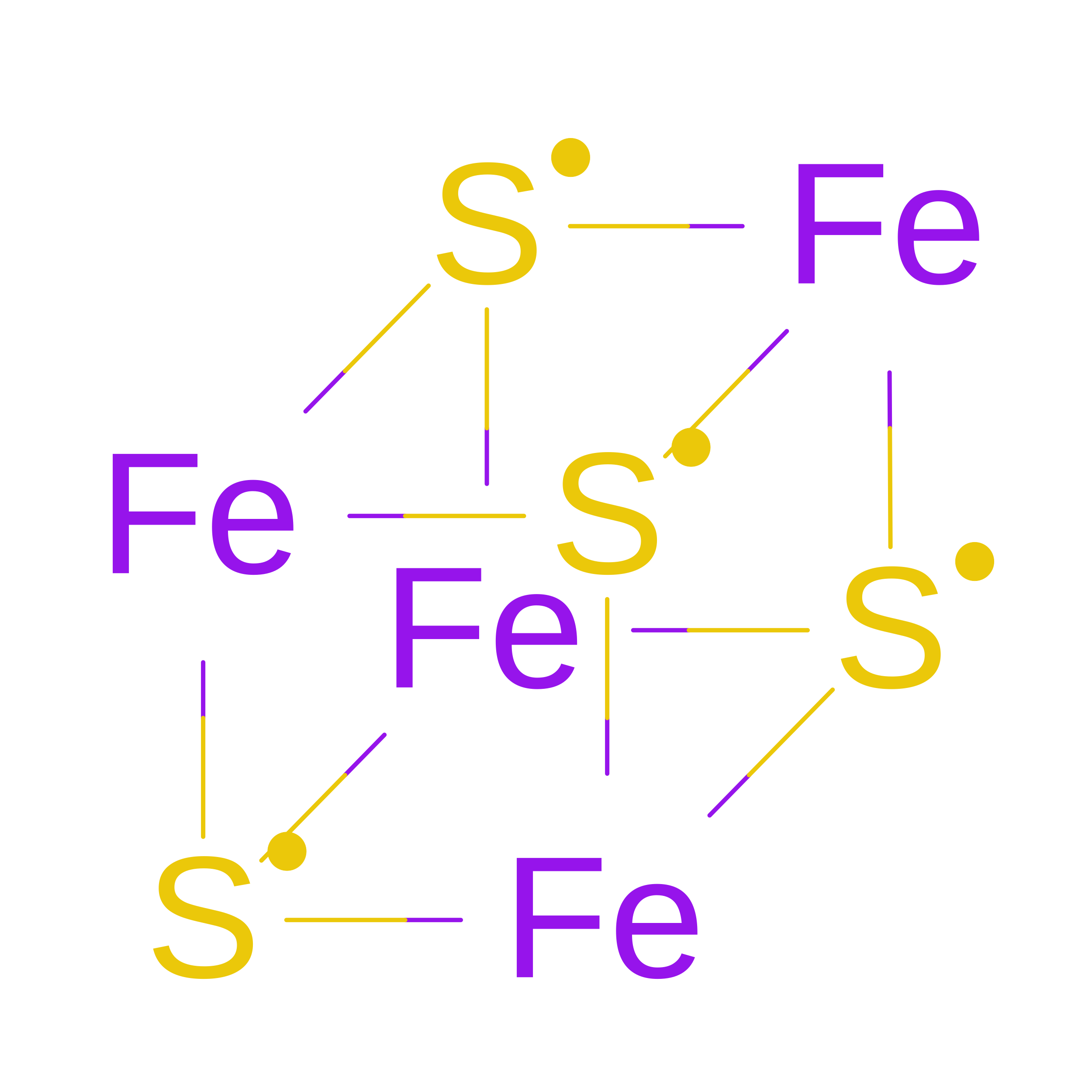
Methylthio-alkane reductases convert methylated sulfur compounds to methanethiol and small hydrocarbons, a process with important environmental and biotechnological implications. These enzymes are classified as nitrogenase-like enzymes, despite lacking the ability to convert dinitrogen to ammonia, raising fundamental questions about the factors controlling their activity and specificity. Here we present the molecular structure of the methylthio-alkane reductase, which reveals large metalloclusters, including the P-cluster and the [Fe 8 S 9 C]-cluster, previously found only in nitrogenases. Our findings suggest that distinct metallocluster coordination, surroundings and substrate channels determine the activity of these related metalloenzymes. This study provides new insights into nitrogen fixation, sulfur-compound reduction and hydrocarbon production. We also shed light on the evolutionary history of P-cluster and [Fe 8 S 9 C]-cluster-containing reductases emerging before nitrogenases.
- Microbial Metalloenzymes Research Group, Max Planck Institute for Terrestrial Microbiology, Marburg, Germany.
Organizational Affiliation: