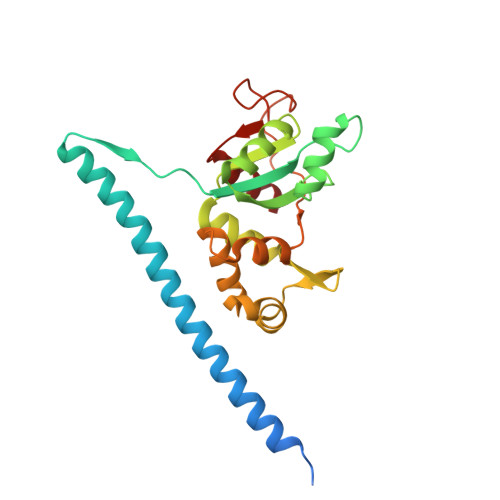
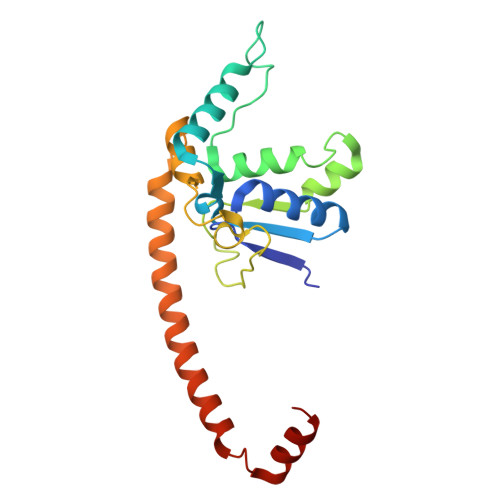
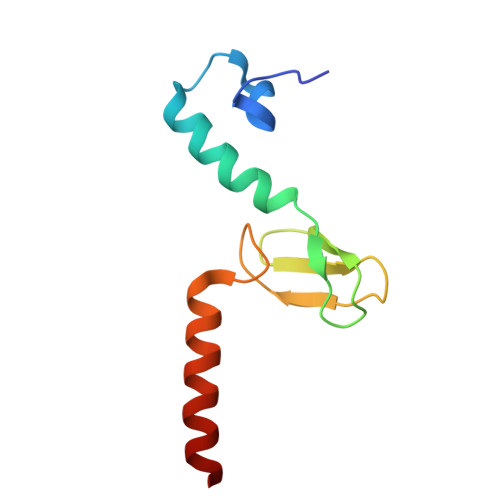
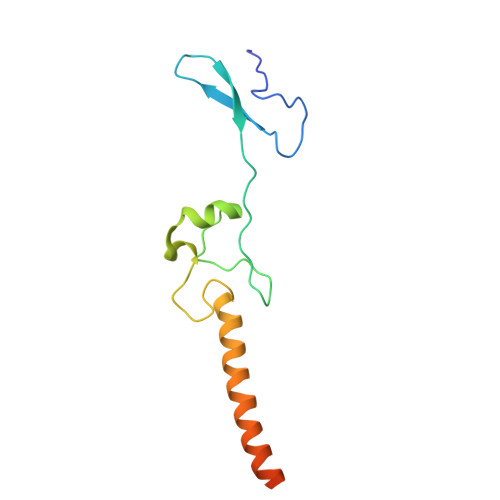
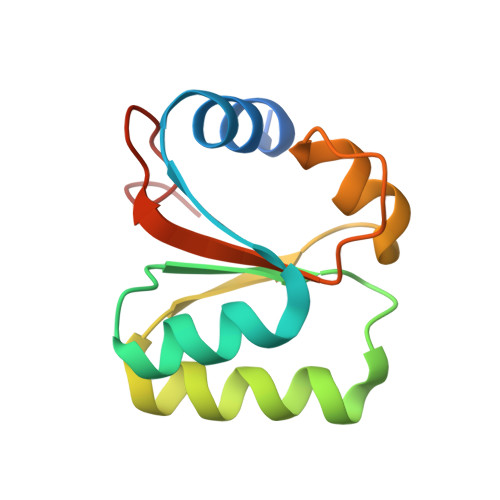
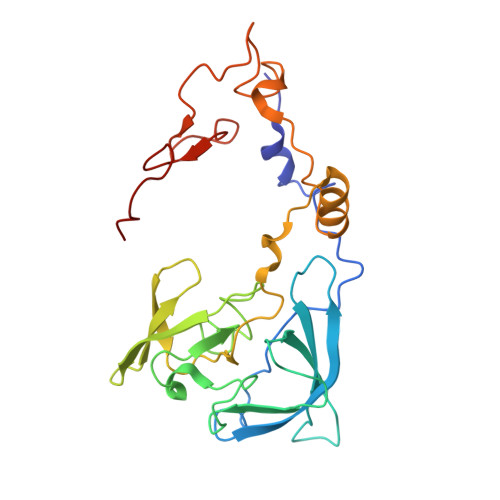
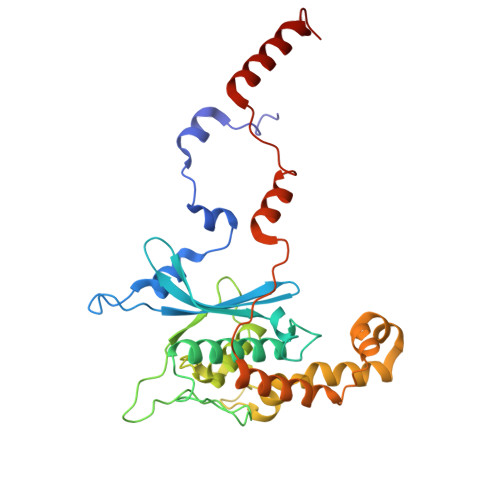
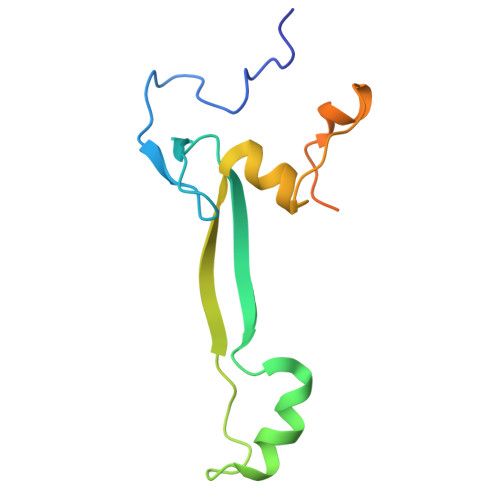
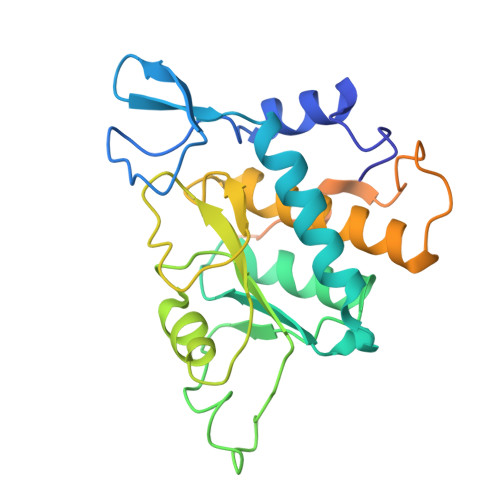
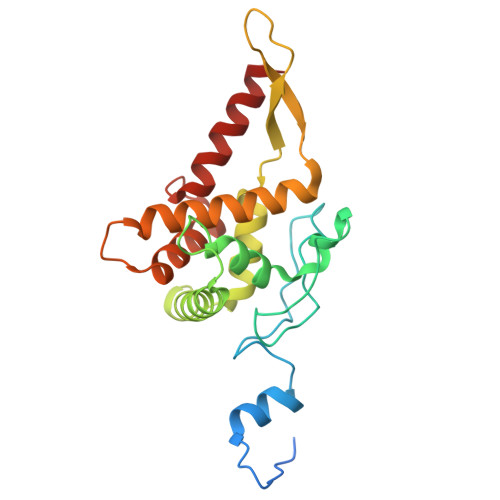
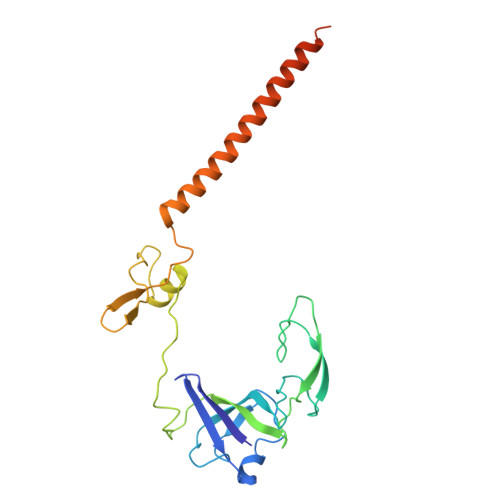
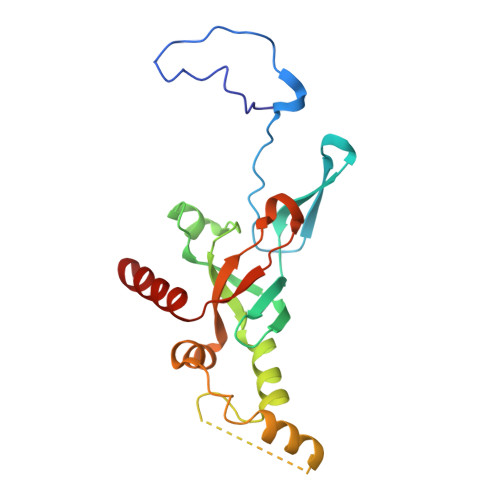
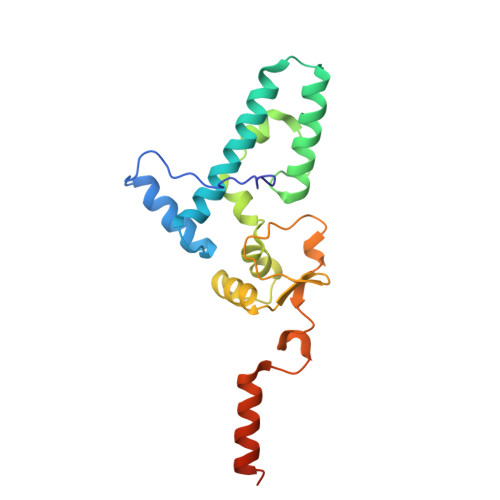
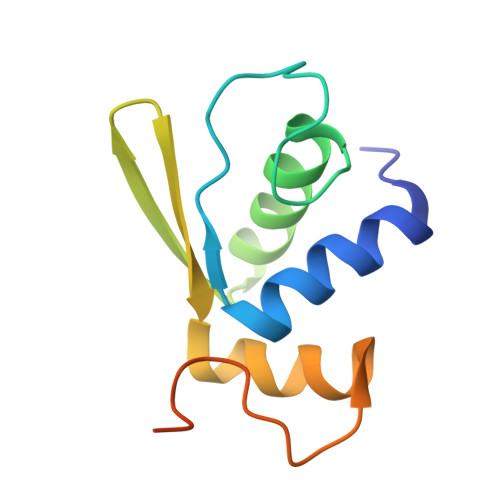
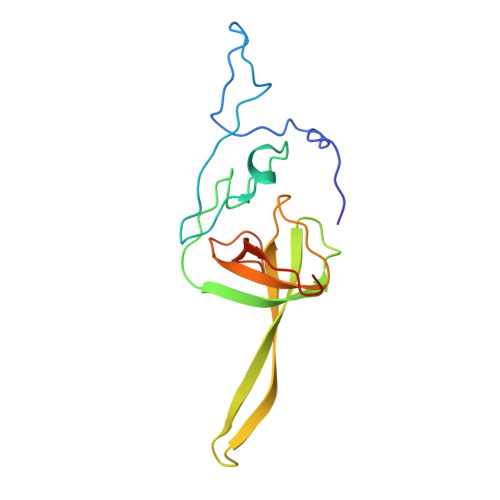
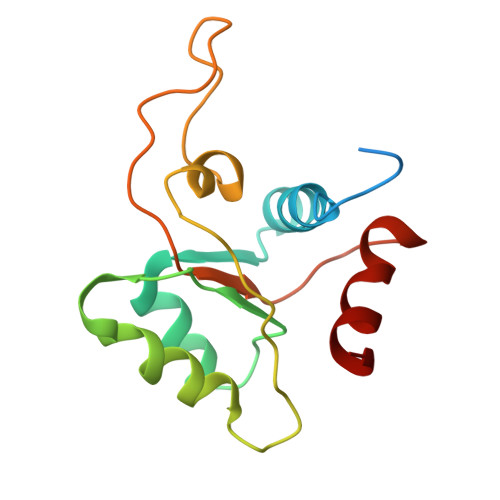
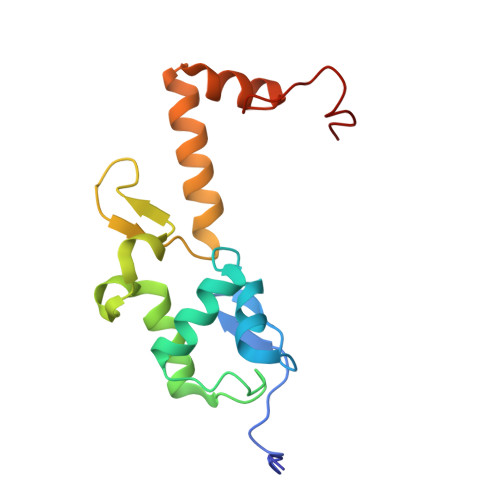
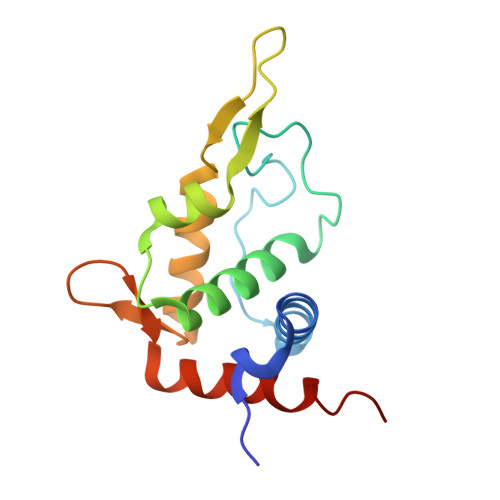
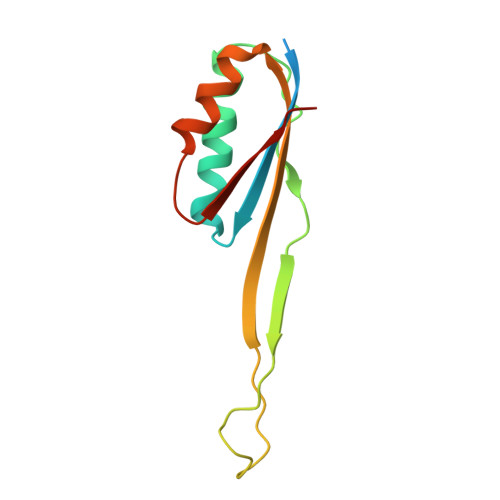
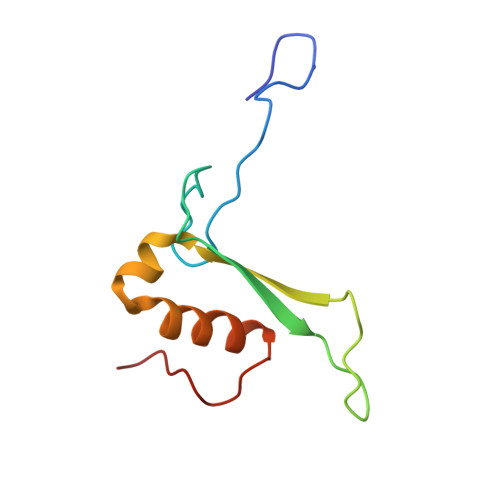
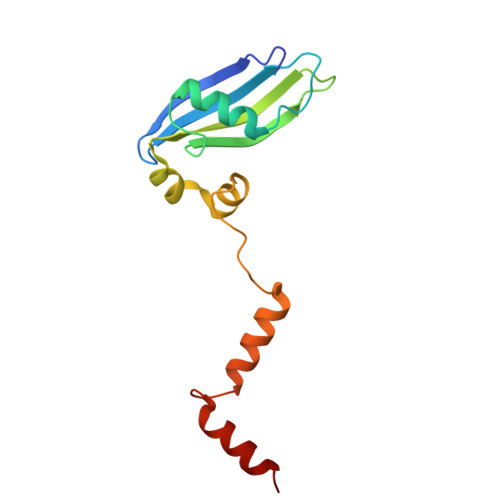
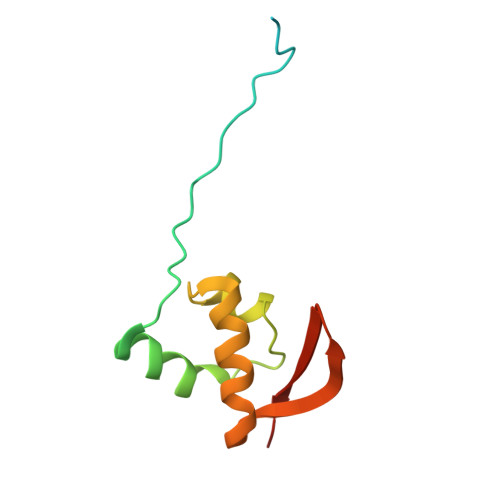
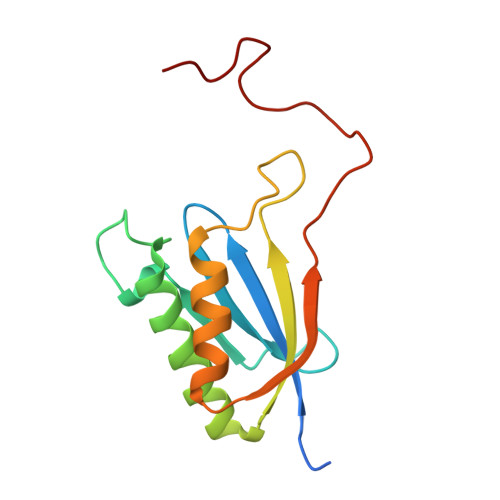
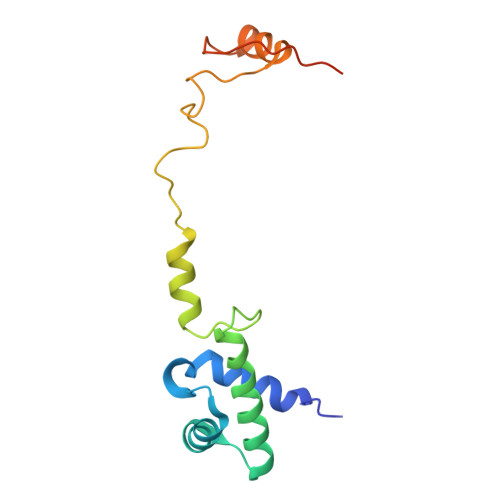
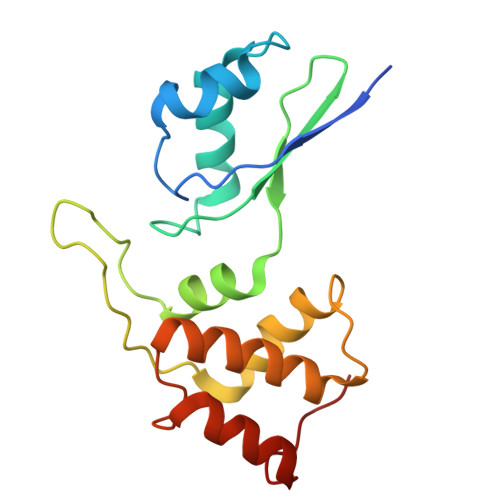
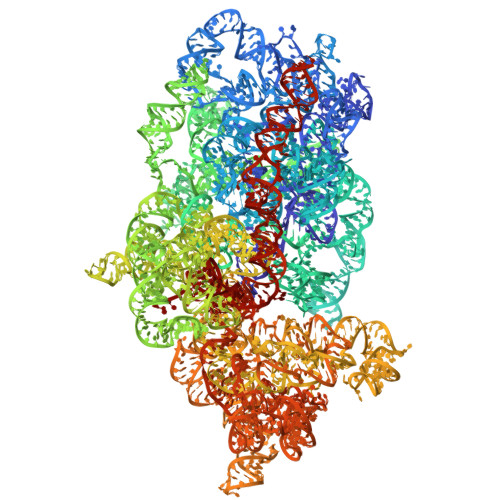
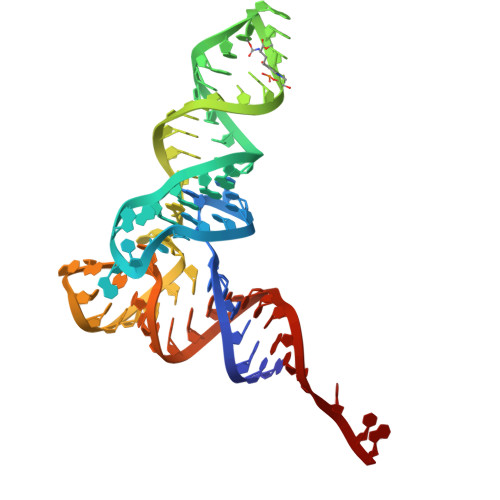
In yeast, multiprotein bridging factor 1 (Mbf1) has been proposed to function in the integrated stress response (ISR) as a transcriptional coactivator by mediating a direct interaction between general transcription machinery and the process's key effector, Gcn4. However, mounting evidence has demonstrated that Mbf1 (and its human homolog EDF1) is recruited to collided ribosomes, a known activator of the ISR. In this study, we connect these otherwise seemingly disparate functions of Mbf1. Our biochemical and structural analyses reveal that Mbf1 functions as a core ISR factor by interacting with collided ribosomes to mediate Gcn2 activation. We further show that Mbf1 serves no role as a transcriptional coactivator of Gcn4. Instead, Mbf1 is required for optimal stress-induced eukaryotic initiation factor 2α (eIF2α) phosphorylation and downstream de-repression of GCN4 translation. Collectively, our data establish that Mbf1 functions in ISR signaling by acting as a direct sensor of stress-induced ribosome collisions.
Organizational Affiliation:
Department of Biology, Washington University in St. Louis, St. Louis, MO 63130, USA.
Howard Hughes Medical Institute, Department of Molecular Biology and Genetics, Johns Hopkins University School of Medicine, Baltimore, MD 21205, USA.
Gene Center, Department of Biochemistry, Ludwig-Maximilians-Universität München, München, Germany.
Division of RNA and Gene Regulation, Institute of Medical Science, The University of Tokyo, Minato-ku 108-8639, Japan.
Howard Hughes Medical Institute, Department of Molecular Biology and Genetics, Johns Hopkins University School of Medicine, Baltimore, MD 21205, USA. Electronic address: ragreen@jhmi.edu.
Department of Biology, Washington University in St. Louis, St. Louis, MO 63130, USA. Electronic address: hzaher@wustl.edu.








 Download Mendeley