9BUR | pdb_00009bur

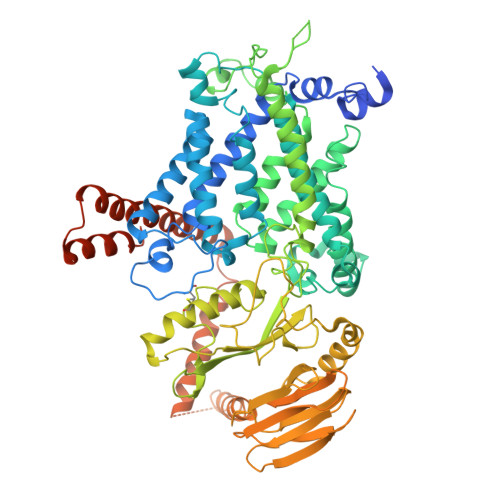
Structure of GGCX-BGP complex


Experimental Data Snapshot

  • Method: ELECTRON MICROSCOPY
  • Resolution: 2.95 Å
  • Aggregation State: PARTICLE 
  • Reconstruction Method: SINGLE PARTICLE 

wwPDB Validation   3D Report Full Report


This is version 1.2 of the entry. See complete history


Literature

Structure and mechanism of vitamin-K-dependent gamma-glutamyl carboxylase.

Wang, R.Chen, B.Elghobashi-Meinhardt, N.Tie, J.K.Ayala, A.Zhou, N.Qi, X.

(2025) Nature 639: 808-815

  • DOI: https://doi.org/10.1038/s41586-024-08484-9
  • Primary Citation of Related Structures:  
    9BUM, 9BUR, 9BUX

  • PubMed Abstract: 

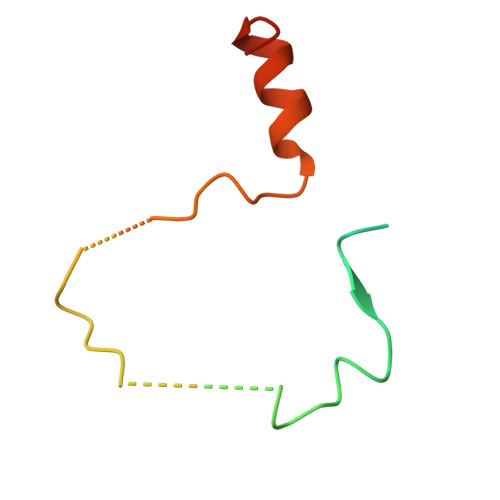
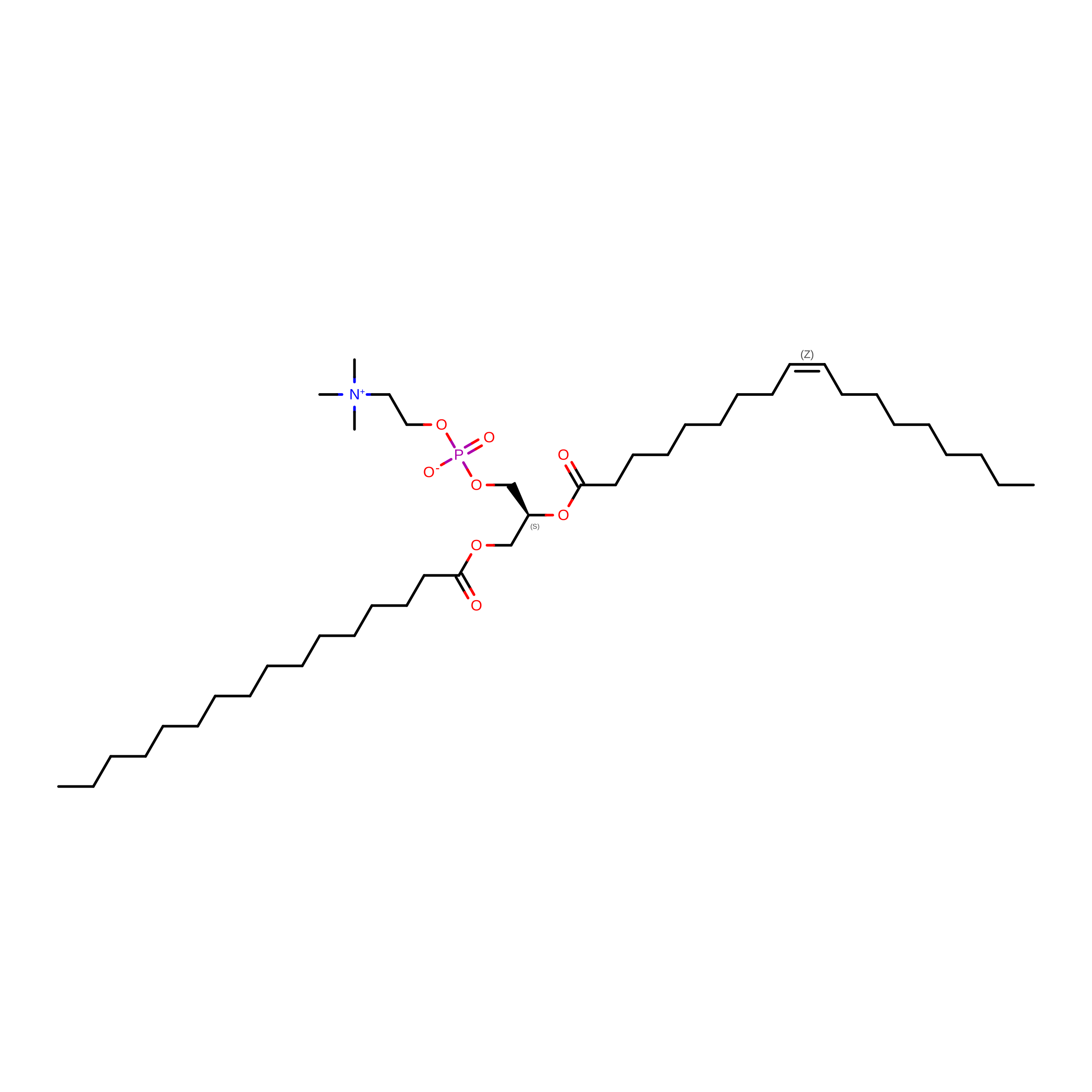
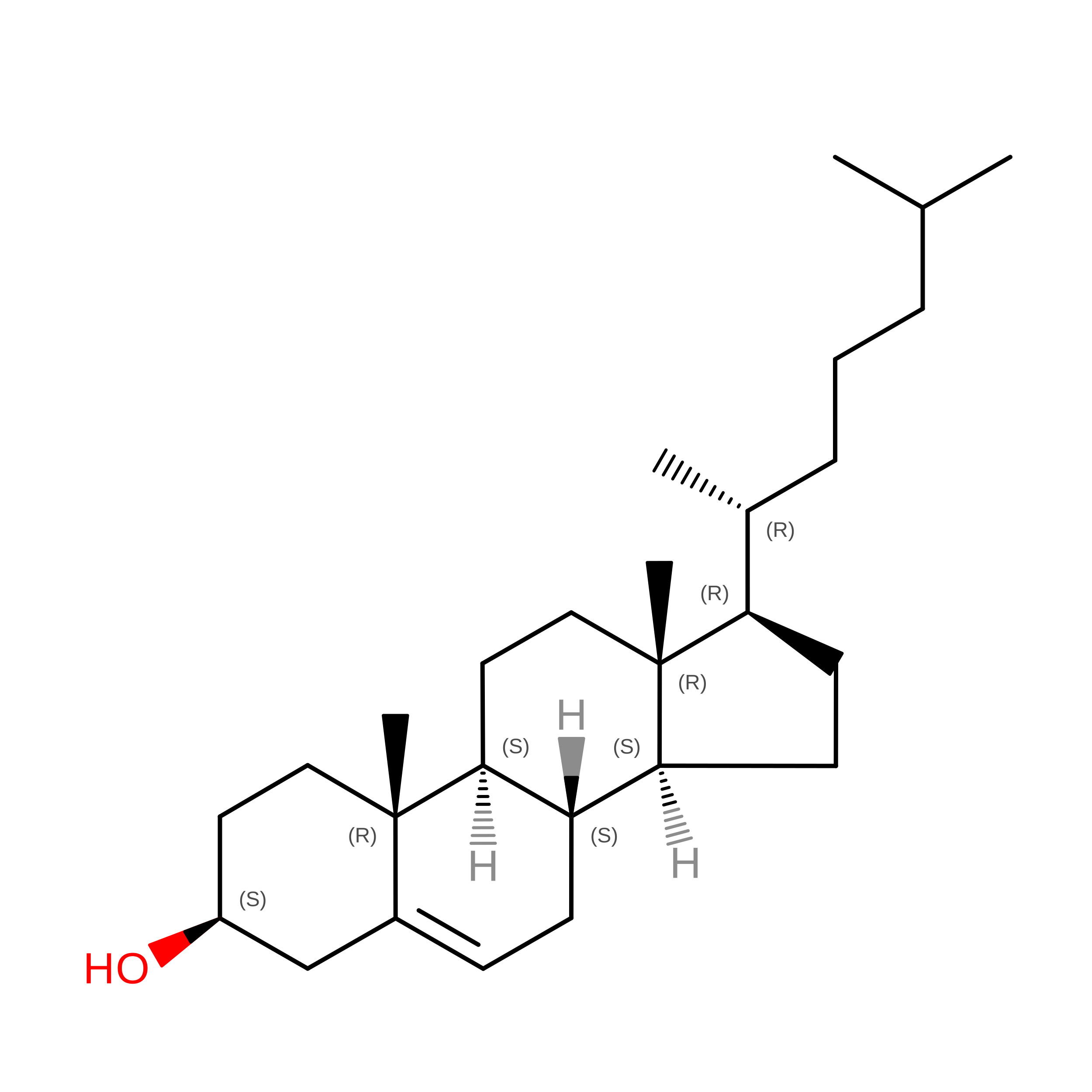
    γ-Glutamyl carboxylase (GGCX) is the sole identified enzyme that uses vitamin K (VK) as a cofactor in humans. This protein catalyses the oxidation of VK hydroquinone to convert specific glutamate residues to γ-carboxyglutamate residues in VK-dependent proteins (VDPs), which are involved in various essential biological processes and diseases 1-3 . However, the working mechanism of GGCX remains unclear. Here we report three cryogenic electron microscopy structures of human GGCX: in the apo state, bound to osteocalcin (a VDP) and bound to VK. The propeptide of the VDP binds to the lumenal domain of GGCX, which stabilizes transmembrane helices 6 and 7 of GGCX to create the VK-binding pocket. After binding of VK, residue Lys218 in GGCX mediates the oxidation of VK hydroxyquinone, which leads to the deprotonation of glutamate residues and the construction of γ-carboxyglutamate residues. Our structural observations and results from binding and cell biological assays and molecular dynamics simulations show that a cholesterol molecule interacts with the transmembrane helices of GGCX to regulate its protein levels in cells. Together, these results establish a link between cholesterol metabolism and VK-dependent pathways.


  • Organizational Affiliation
    • Department of Molecular Genetics, University of Texas Southwestern Medical Center, Dallas, TX, USA.

Macromolecules
Find similar proteins by:  (by identity cutoff)  |  3D Structure
Entity ID: 1
MoleculeChains Sequence LengthOrganismDetailsImage
Vitamin K-dependent gamma-carboxylase766Homo sapiensMutation(s): 0 
Gene Names: GGCXGC
EC: 4.1.1.90
Membrane Entity: Yes 
UniProt & NIH Common Fund Data Resources
Find proteins for P38435 (Homo sapiens)
Explore P38435 
Go to UniProtKB:  P38435
PHAROS:  P38435
GTEx:  ENSG00000115486 
Entity Groups  
Sequence Clusters30% Identity50% Identity70% Identity90% Identity95% Identity100% Identity
UniProt GroupP38435
Glycosylation
Glycosylation Sites: 3Go to GlyGen: P38435-1
Sequence Annotations
Expand
  • Reference Sequence
Find similar proteins by:  (by identity cutoff)  |  3D Structure
Entity ID: 2
MoleculeChains Sequence LengthOrganismDetailsImage
Osteocalcin106Homo sapiensMutation(s): 0 
Gene Names: BGLAP
Membrane Entity: Yes 
UniProt & NIH Common Fund Data Resources
Find proteins for P02818 (Homo sapiens)
Explore P02818 
Go to UniProtKB:  P02818
PHAROS:  P02818
GTEx:  ENSG00000242252 
Entity Groups  
Sequence Clusters30% Identity50% Identity70% Identity90% Identity95% Identity100% Identity
UniProt GroupP02818
Sequence Annotations
Expand
  • Reference Sequence
Oligosaccharides

Help

Entity ID: 3
MoleculeChains Length2D Diagram Glycosylation3D Interactions
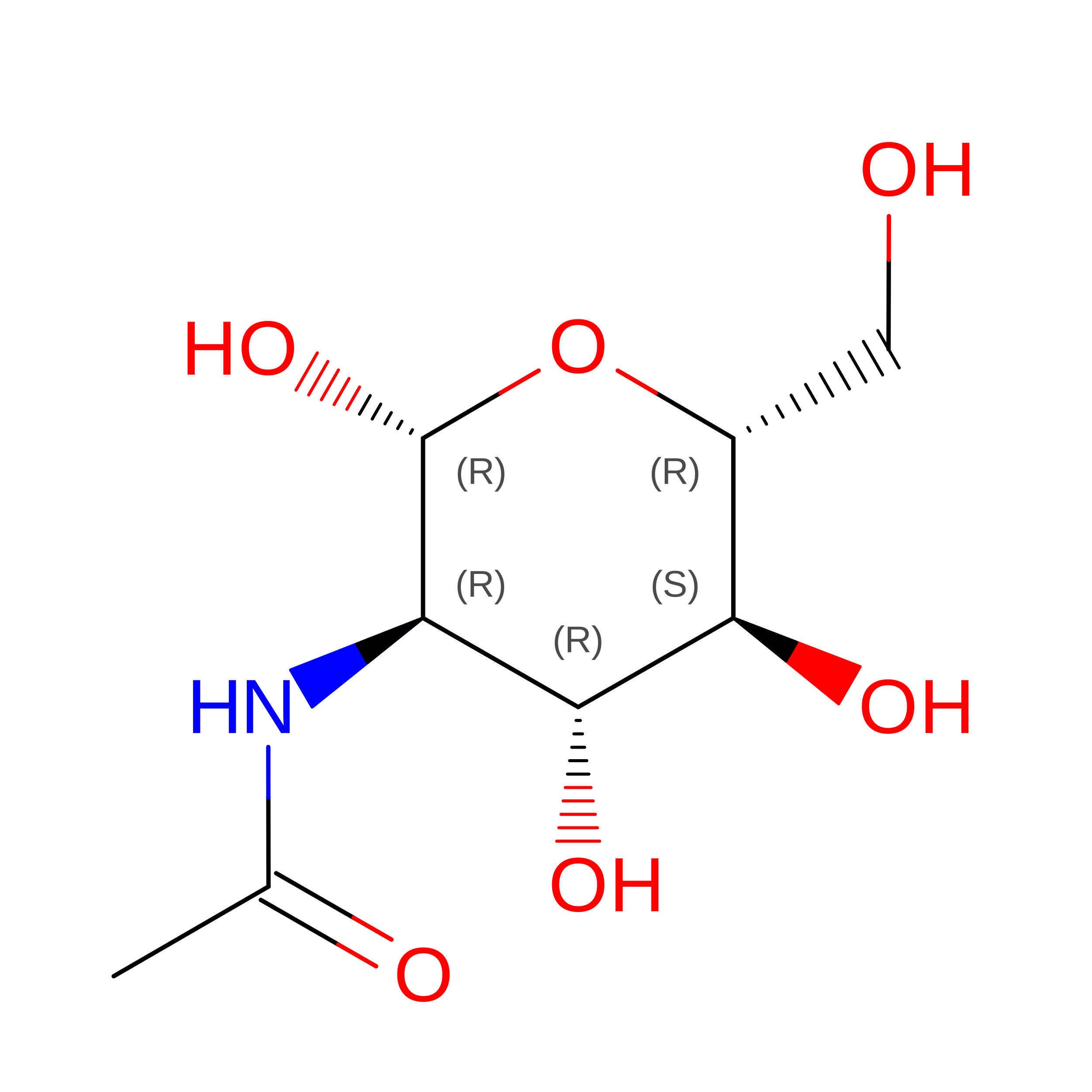
2-acetamido-2-deoxy-beta-D-glucopyranose-(1-4)-2-acetamido-2-deoxy-beta-D-glucopyranoseC [auth d]2N-Glycosylation
Glycosylation Resources
GlyTouCan:  G42666HT
GlyCosmos:  G42666HT
GlyGen:  G42666HT
Experimental Data & Validation

Experimental Data

  • Method: ELECTRON MICROSCOPY
  • Resolution: 2.95 Å
  • Aggregation State: PARTICLE 
  • Reconstruction Method: SINGLE PARTICLE 

Structure Validation

View Full Validation Report


Entry History & Funding Information

Deposition Data


Funding OrganizationLocationGrant Number
Cancer Prevention and Research Institute of Texas (CPRIT)United StatesRR230054

Revision History  (Full details and data files)

  • Version 1.0: 2025-01-29
    Type: Initial release
  • Version 1.1: 2025-02-12
    Changes: Data collection, Database references
  • Version 1.2: 2025-03-26
    Changes: Data collection, Database references