Download Mendeley
Integrated structural biology of the native malarial translation machinery and its inhibition by an antimalarial drug.
Anton, L., Cheng, W., Haile, M.T., Dziekan, J.M., Cobb, D.W., Zhu, X., Han, L., Li, E., Nair, A., Lee, C.L., Wang, H., Ke, H., Zhang, G., Doud, E.H., Cowman, A.F., Ho, C.M.(2025) Nat Struct Mol Biol 32: 2158-2164
- PubMed: 40825879 Search on PubMedSearch on PubMed Central
- DOI: https://doi.org/10.1038/s41594-025-01632-3
- Primary Citation Related Structures:
8TPU, 9BUP, 9BUQ, 9BUS, 9BUT, 9BUU - PubMed Abstract:
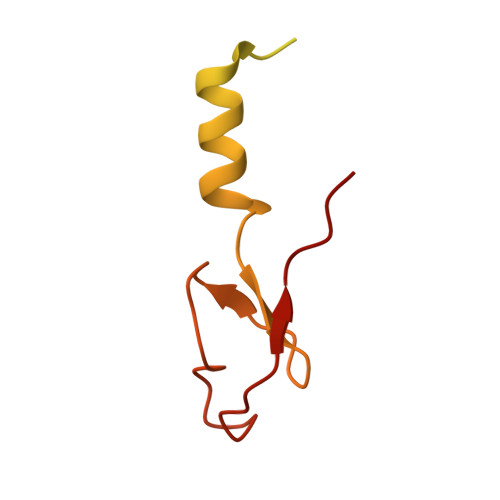
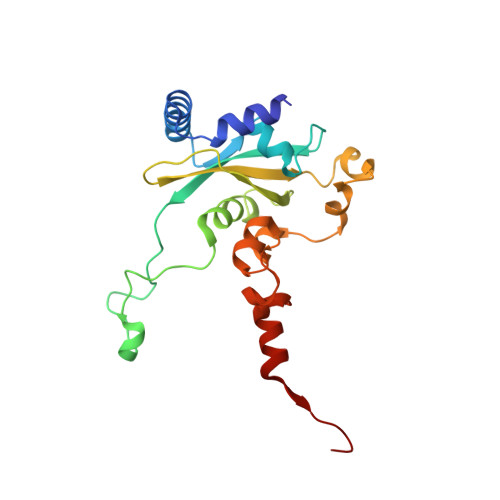
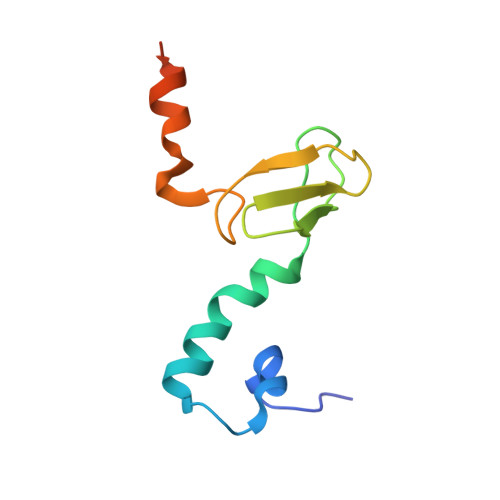
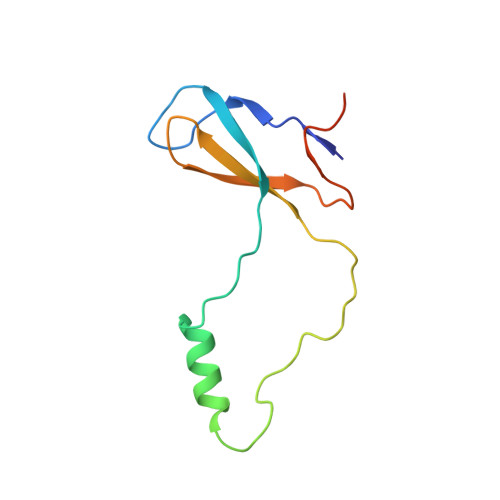
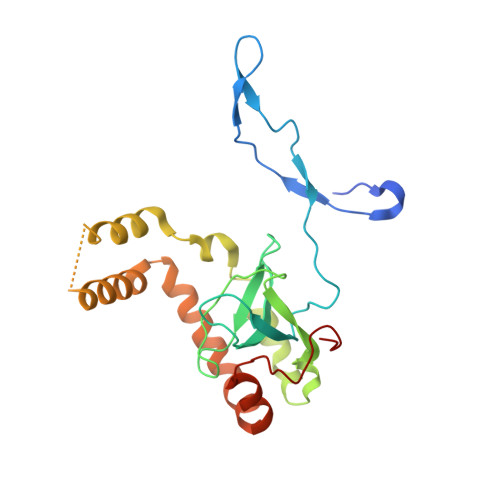
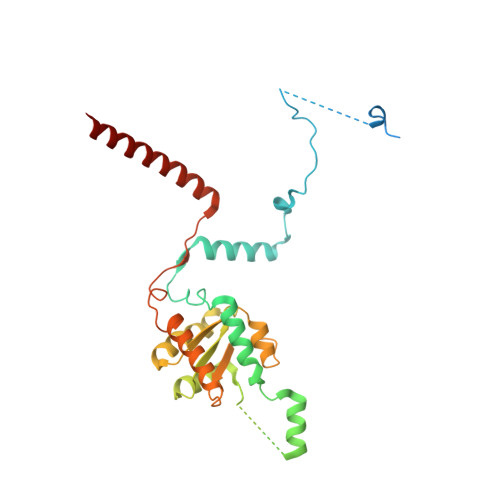
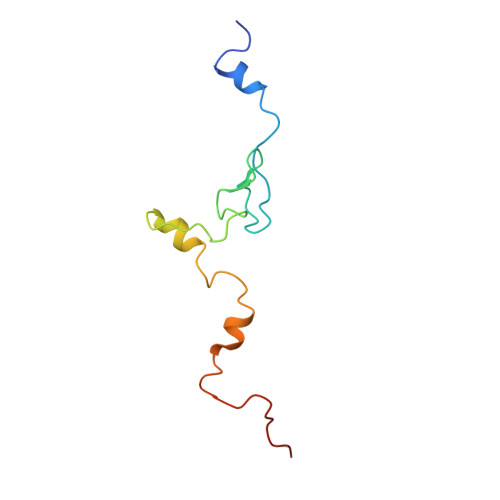
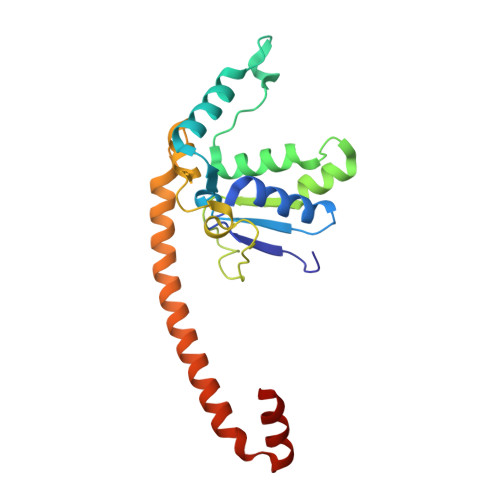
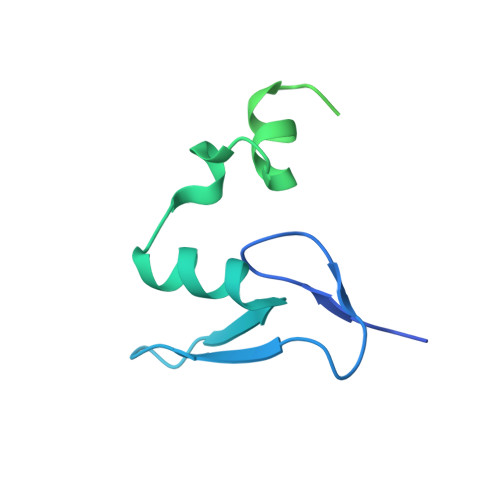
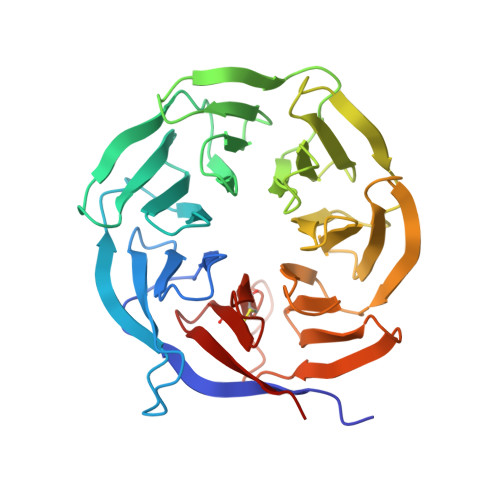
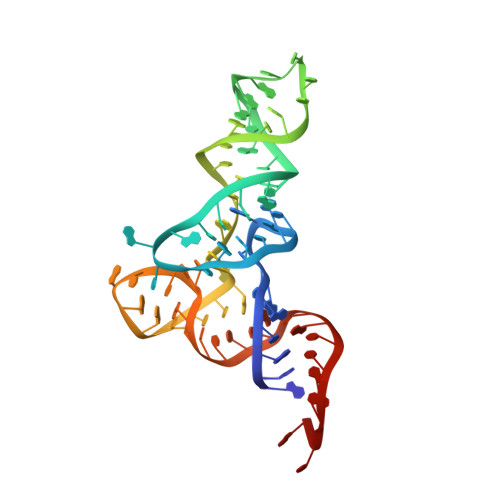
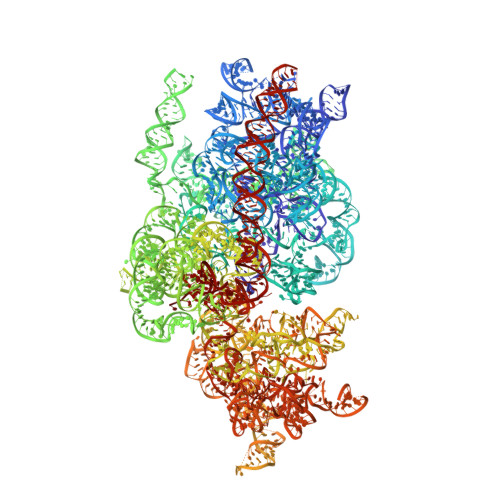
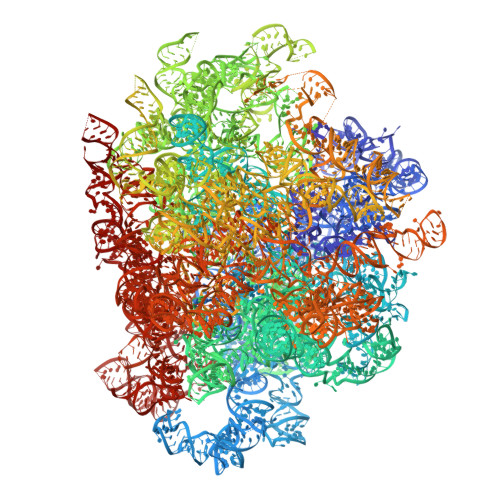
Our understanding of cellular events is hampered by the gap between the resolution at which we can observe events inside cells and our ability to replicate physiological conditions in test tubes. Here, we show in Plasmodium falciparum, a non-model organism of high medical importance, that this gap can be bridged by using an integrated structural biology approach to visualize events inside the cell at molecular resolution. We determined eight high-resolution structures of the native malarial ribosome in actively translating states inside P. falciparum-infected human erythrocytes using in situ cryo-electron tomography. Following perturbation with a Plasmodium-specific translation inhibitor, we then observed a decrease in elongation factor-bound ribosomal states and an apparent upregulation of ribosome biogenesis in inhibitor-treated parasites. Our work elucidates new molecular details of the malarial translation elongation cycle and demonstrates direct multiscale visualization of drug-induced phenotypic changes in the structure and localization of individual molecules within the native cellular context.
- Department of Microbiology and Immunology, Columbia University Irving Medical Center, New York, NY, USA.
Organizational Affiliation: