Download Mendeley
T cell toxicity induced by tigecycline binding to the mitochondrial ribosome.
Shao, Q., Khawaja, A., Nguyen, M.D., Singh, V., Zhang, J., Liu, Y., Nordin, J., Adori, M., Axel Innis, C., Castro Dopico, X., Rorbach, J.(2025) Nat Commun 16: 4080-4080
- PubMed: 40312422 Search on PubMedSearch on PubMed Central
- DOI: https://doi.org/10.1038/s41467-025-59388-9
- Primary Citation Related Structures:
8RRI - PubMed Abstract:
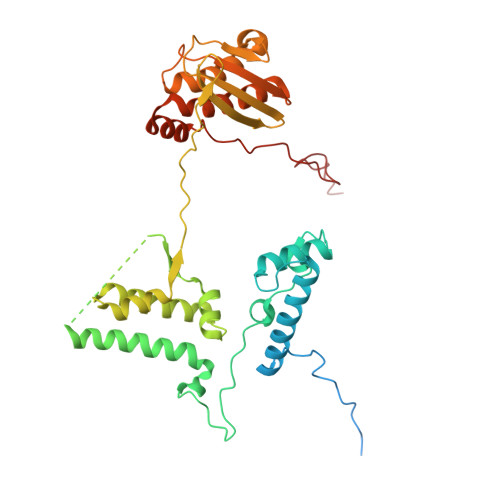
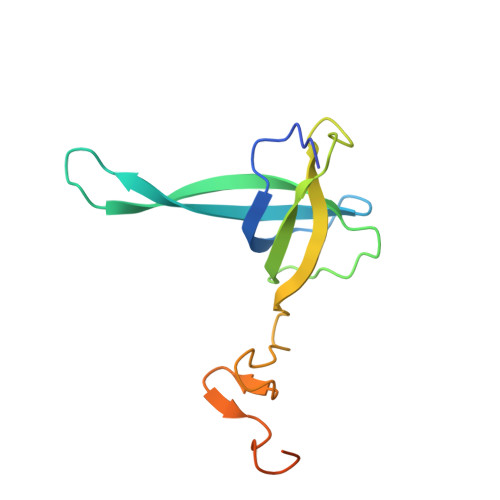
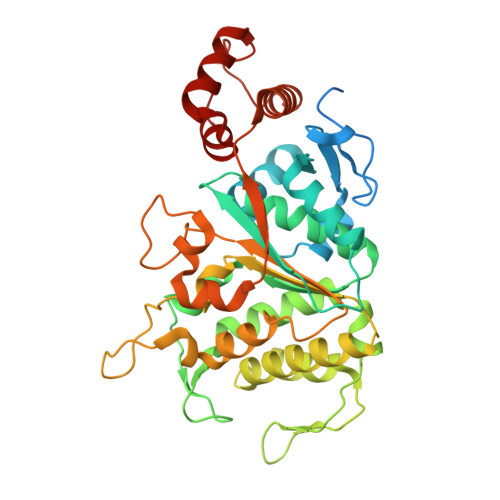
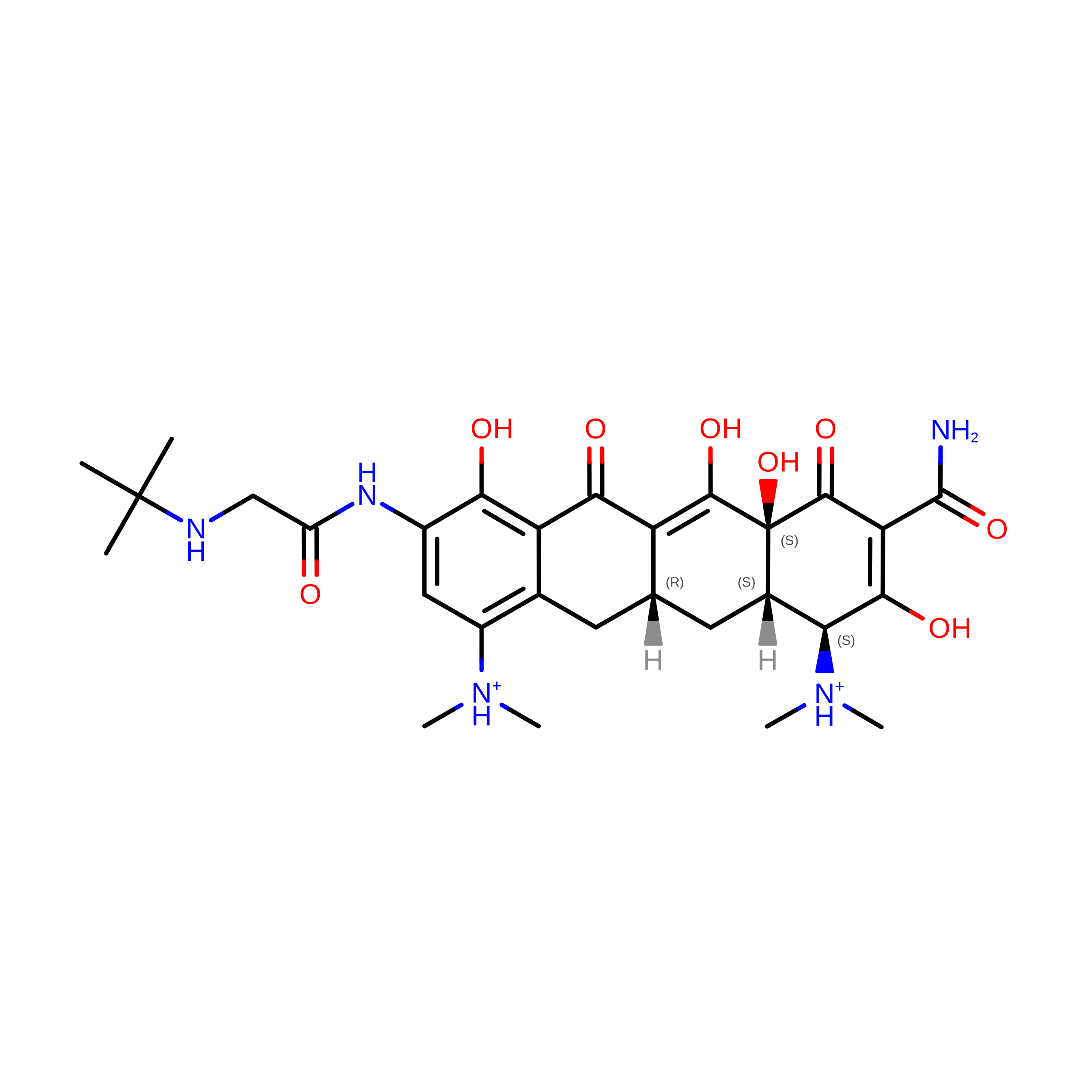
Tetracyclines are essential bacterial protein synthesis inhibitors under continual development to combat antibiotic resistance yet suffer from unwanted side effects. Mitoribosomes - responsible for generating oxidative phosphorylation (OXPHOS) subunits - share structural similarities with bacterial machinery and may suffer from cross-reactivity. Since lymphocytes rely upon OXPHOS upregulation to establish immunity, we set out to assess the impact of ribosome-targeting antibiotics on human T cells. We find tigecycline, a third-generation tetracycline, to be the most cytotoxic compound tested. In vitro, 5-10 μM tigecycline inhibits mitochondrial but not cytosolic translation, mitochondrial complex I, III and IV expression, and curtails the activation and expansion of unique T cell subsets. By cryo-EM, we find tigecycline to occupy three sites on T cell mitoribosomes. In addition to the conserved A-site found in bacteria, tigecycline also attaches to the peptidyl transferase center of the large subunit. Furthermore, a third, distinct binding site on the large subunit, aligns with helices analogous to those in bacteria, albeit lacking methylation in humans. The data provide a mechanism to explain part of the anti-inflammatory effects of these drugs and inform antibiotic design.
- Department of Urology, The First Affiliated Hospital of Xi'an Jiaotong University, Xi'an, China.
Organizational Affiliation: