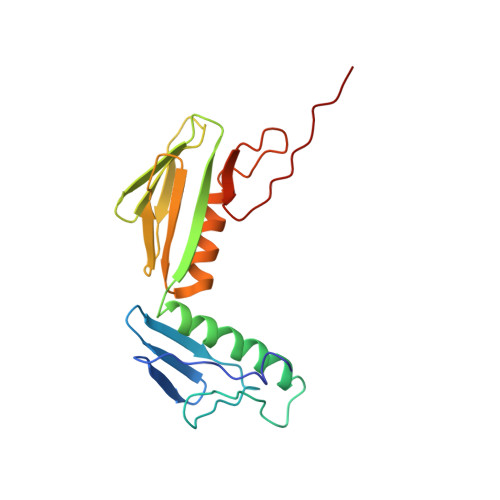
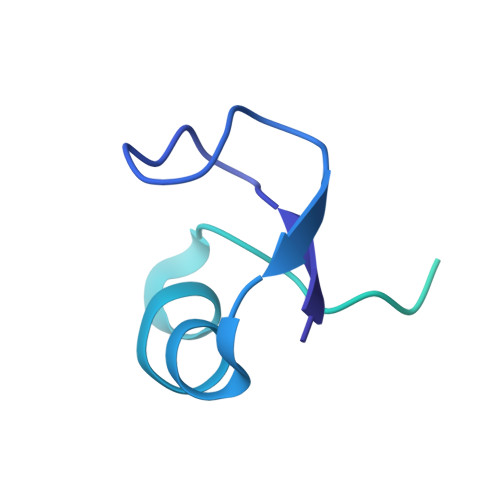
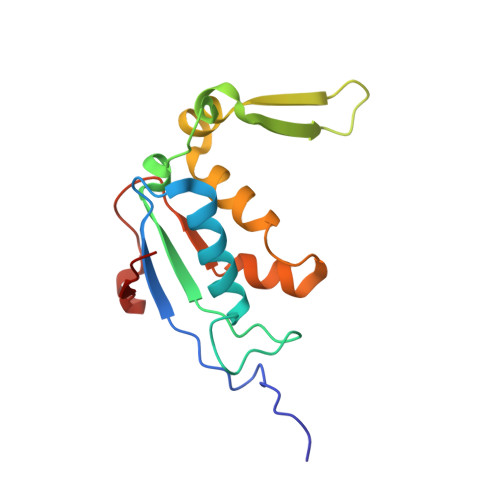
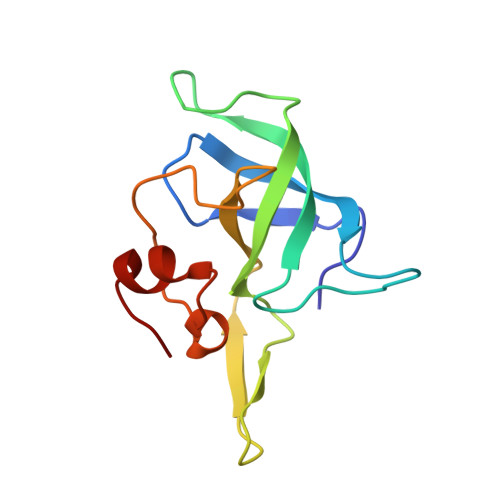
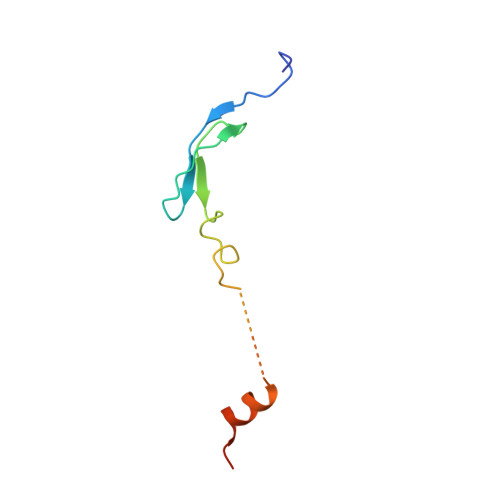
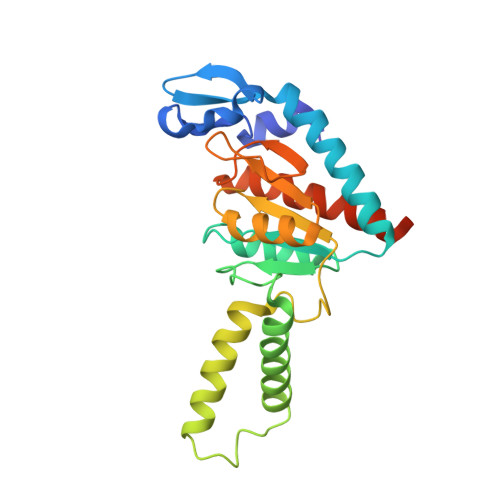
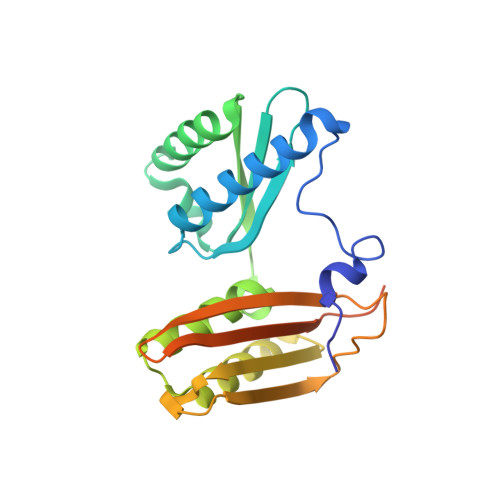
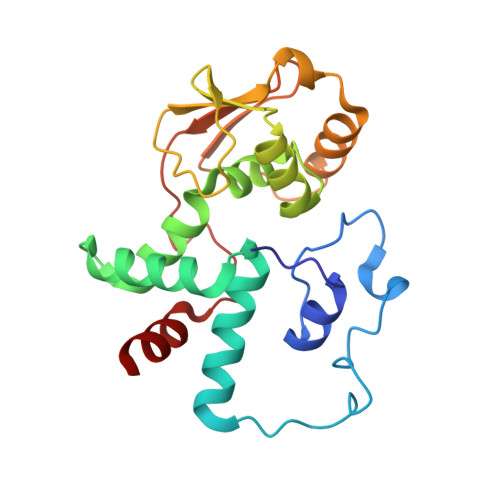
Find PDB structures and Computed Structure Models (CSM) by combining queries from tools in this suite: Attribute Search, Sequence Similarity, Sequence Motif, 3D Similarity, and 3D Motif with 'AND' logic.
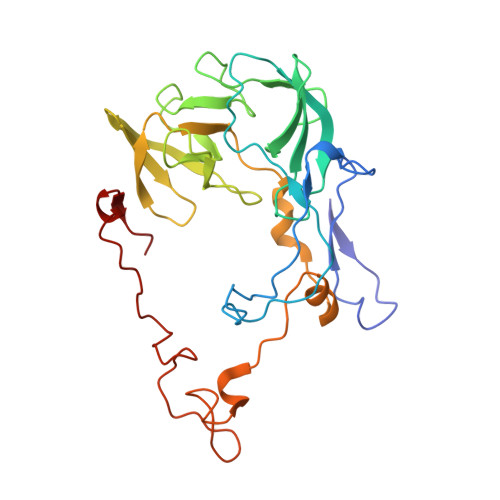
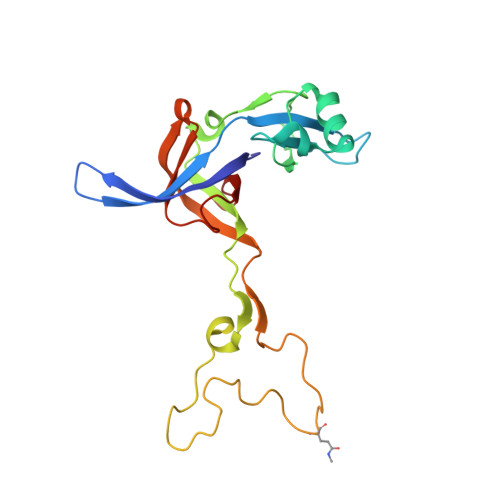
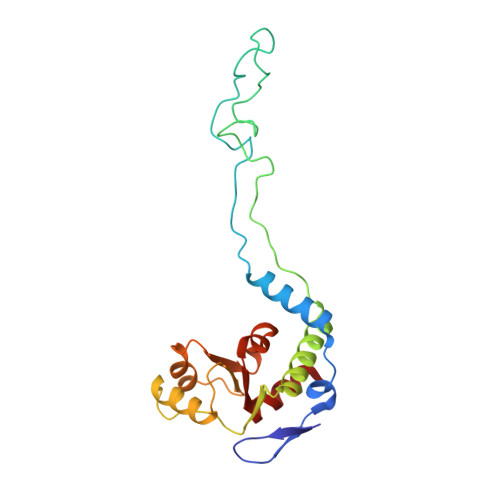
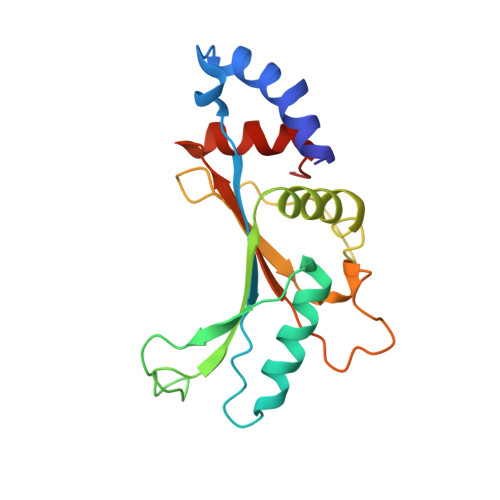
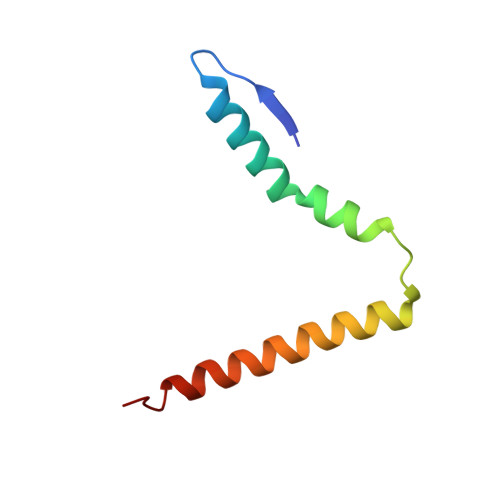
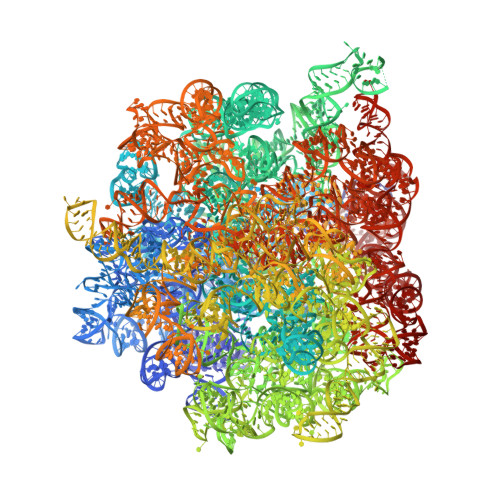
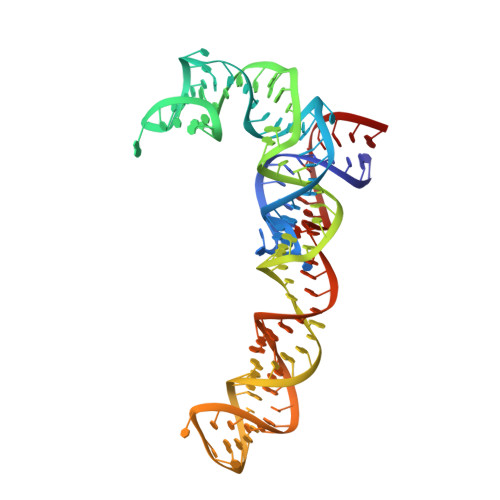
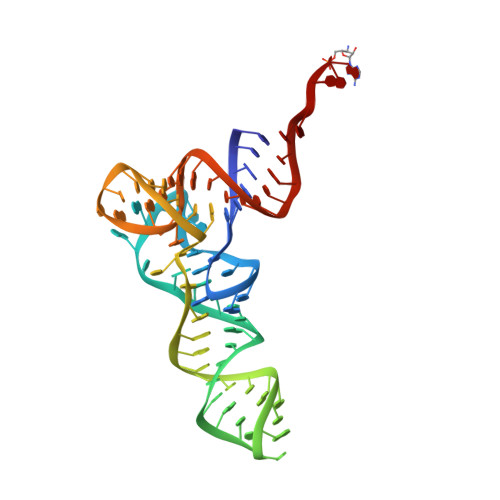
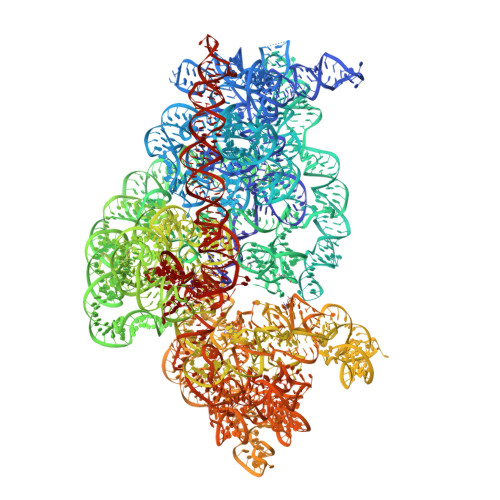
As genetic code expansion advances beyond L-α-amino acids to backbone modifications and new polymerization chemistries, delineating what substrates the ribosome can accommodate remains a challenge. The Escherichia coli ribosome tolerates non-L-α-amino acids in vitro, but few structural insights that explain how are available, and the boundary conditions for efficient bond formation are so far unknown. Here we determine a high-resolution cryogenic electron microscopy structure of the E. coli ribosome containing α-amino acid monomers and use metadynamics simulations to define energy surface minima and understand incorporation efficiencies. Reactive monomers across diverse structural classes favour a conformational space where the aminoacyl-tRNA nucleophile is <4 Å from the peptidyl-tRNA carbonyl with a Bürgi-Dunitz angle of 76-115°. Monomers with free energy minima that fall outside this conformational space do not react efficiently. This insight should accelerate the in vivo and in vitro ribosomal synthesis of sequence-defined, non-peptide heterooligomers.
Organizational Affiliation:
Department of Chemistry, University of California, Berkeley, CA, USA.
Center for Genetically Encoded Materials, University of California, Berkeley, CA, USA.
California Institute for Quantitative Biosciences (QB3), University of California, Berkeley, CA, USA.
Department of Molecular and Cellular Biology, University of California, Berkeley, CA, USA.
Center for Genetically Encoded Materials, University of California, Berkeley, CA, USA. scott.miller@yale.edu.
Department of Chemistry, Yale University, New Haven, CT, USA. scott.miller@yale.edu.
Department of Chemistry, University of California, Berkeley, CA, USA. j-h-doudna-cate@berkeley.edu.
Center for Genetically Encoded Materials, University of California, Berkeley, CA, USA. j-h-doudna-cate@berkeley.edu.
Department of Molecular and Cellular Biology, University of California, Berkeley, CA, USA. j-h-doudna-cate@berkeley.edu.
Molecular Biophysics and Integrated Bioimaging Division, Lawrence Berkeley National Laboratory, Berkeley, CA, USA. j-h-doudna-cate@berkeley.edu.
Department of Chemistry, University of California, Berkeley, CA, USA. schepartz@berkeley.edu.
Center for Genetically Encoded Materials, University of California, Berkeley, CA, USA. schepartz@berkeley.edu.
California Institute for Quantitative Biosciences (QB3), University of California, Berkeley, CA, USA. schepartz@berkeley.edu.
Department of Molecular and Cellular Biology, University of California, Berkeley, CA, USA. schepartz@berkeley.edu.
Molecular Biophysics and Integrated Bioimaging Division, Lawrence Berkeley National Laboratory, Berkeley, CA, USA. schepartz@berkeley.edu.
Chan Zuckerberg Biohub, San Francisco, CA, USA. schepartz@berkeley.edu.
Schrödinger, Inc., San Diego, CA, USA. ara.abramyan@schrodinger.com.

 Download Mendeley