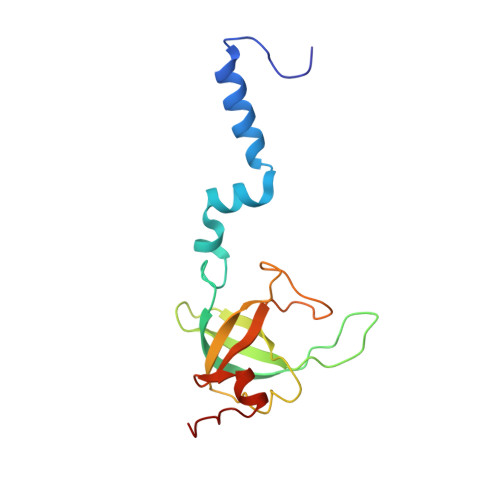
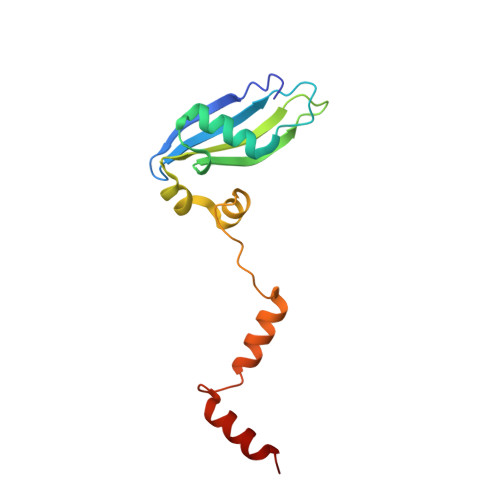
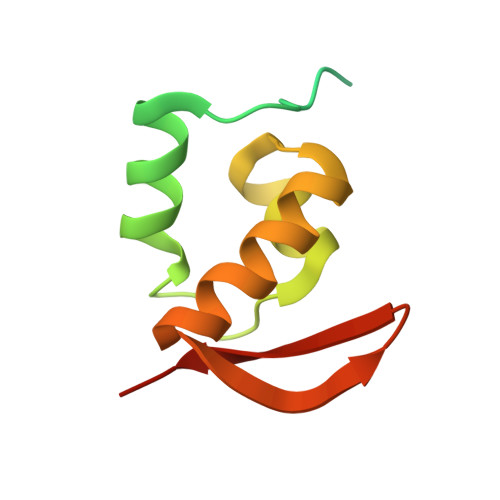
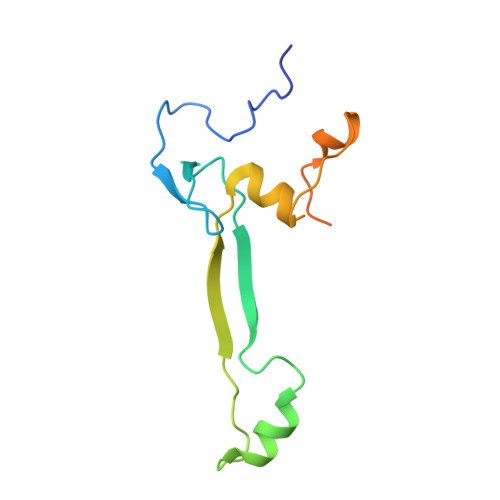
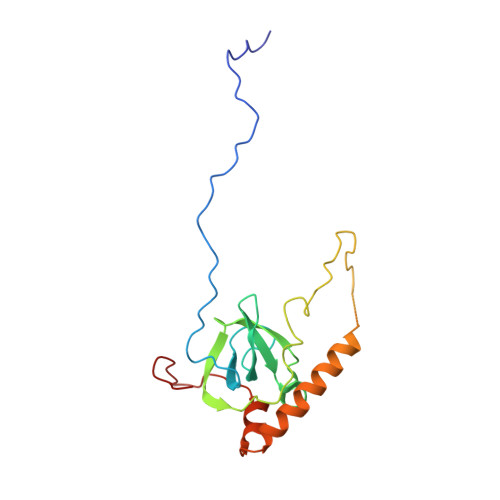
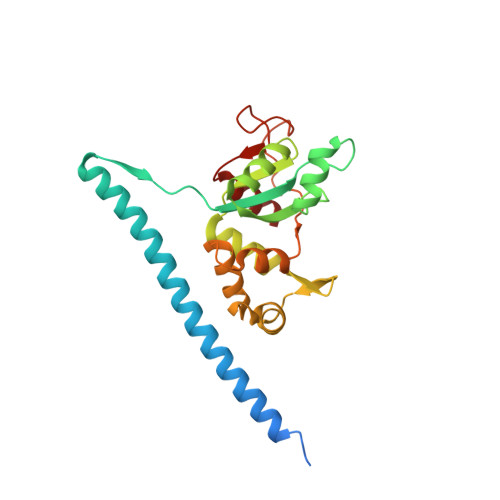
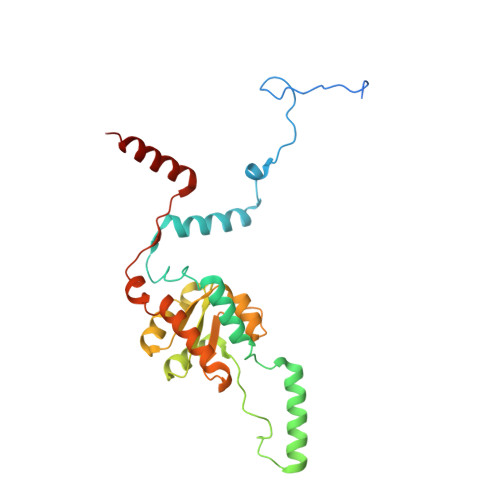
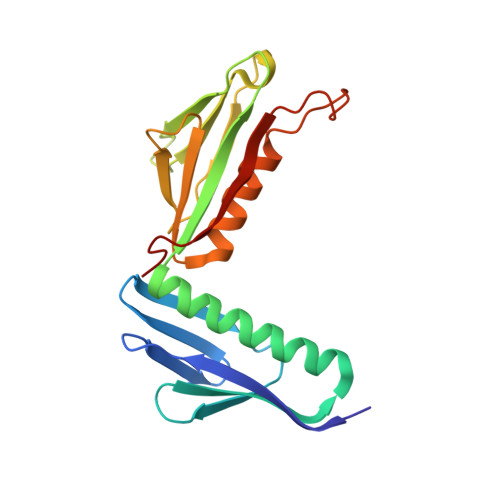
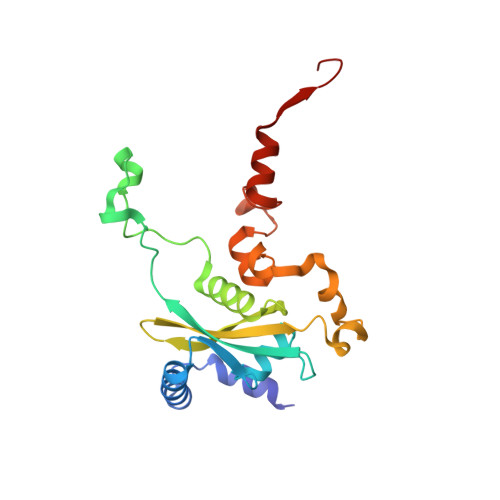
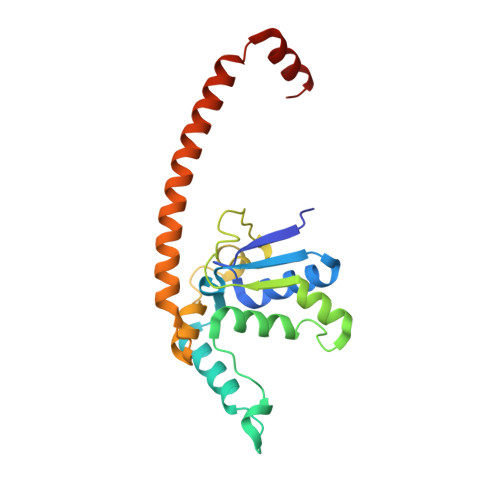
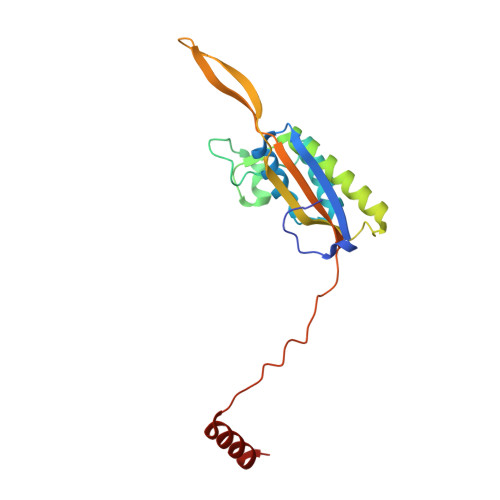
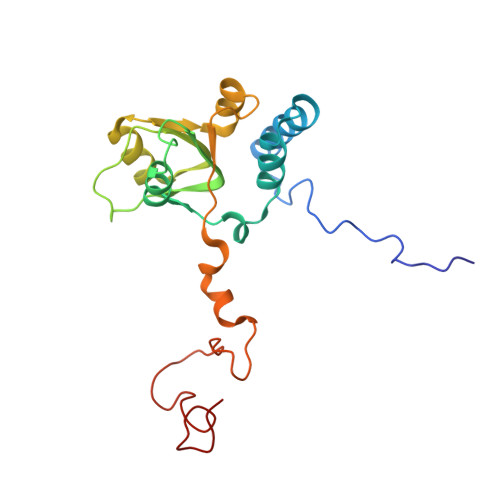
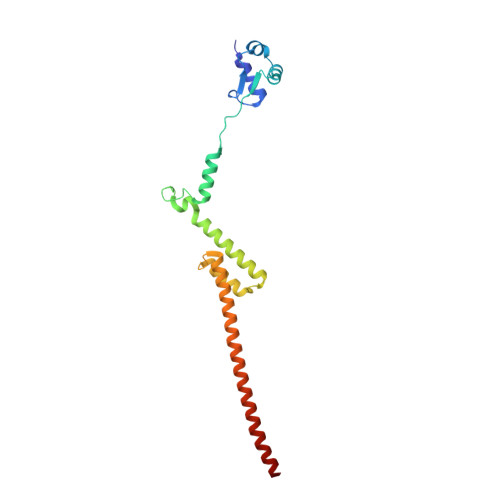
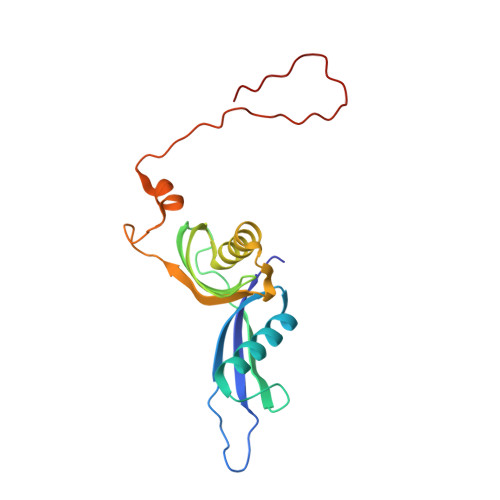
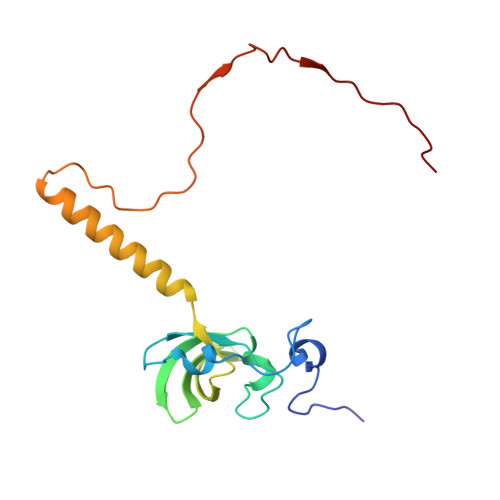
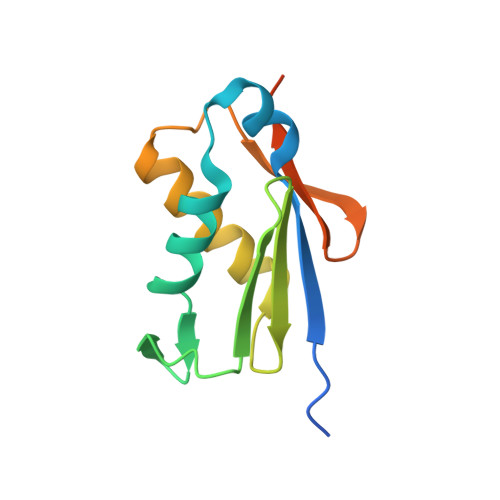
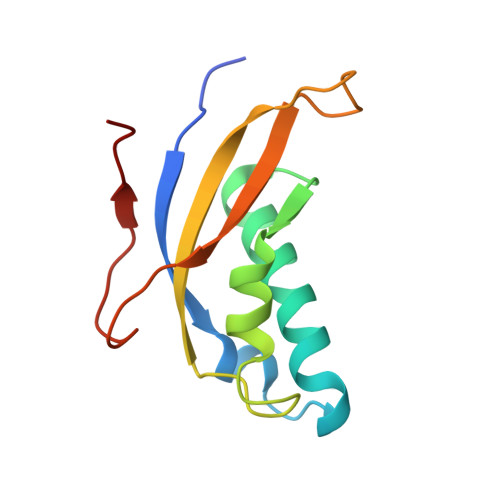
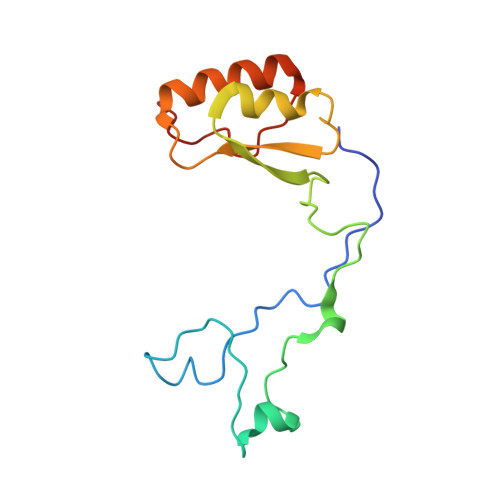
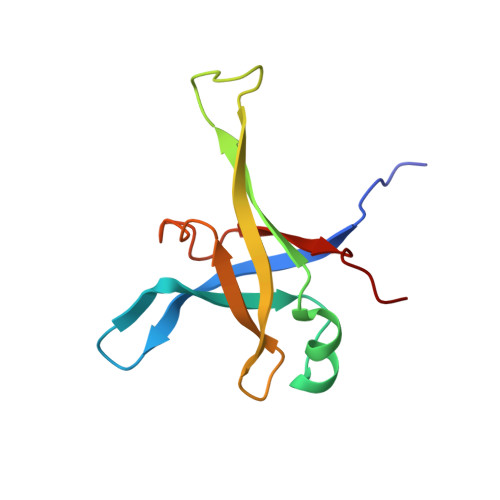
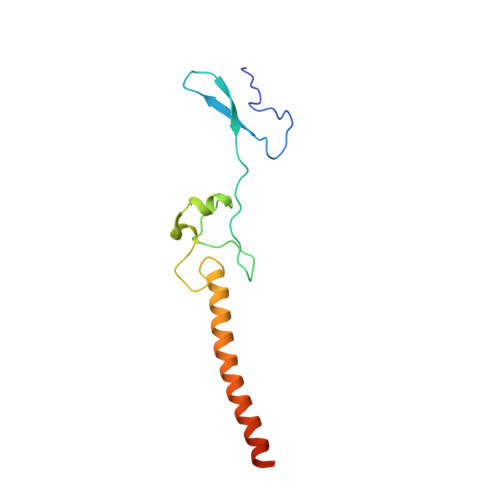
Find PDB structures and Computed Structure Models (CSM) by combining queries from tools in this suite: Attribute Search, Sequence Similarity, Sequence Motif, 3D Similarity, and 3D Motif with 'AND' logic.
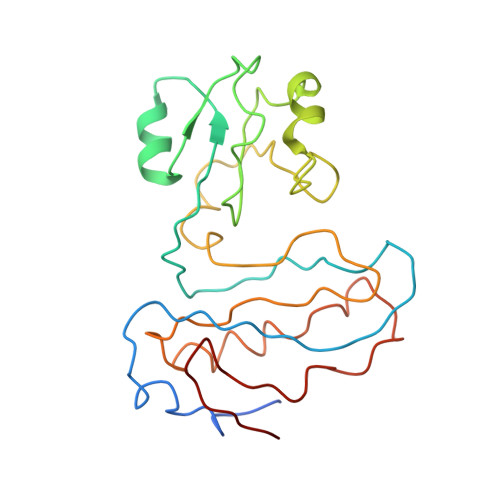
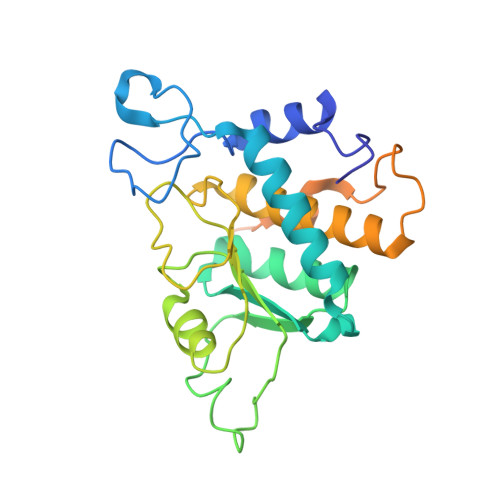
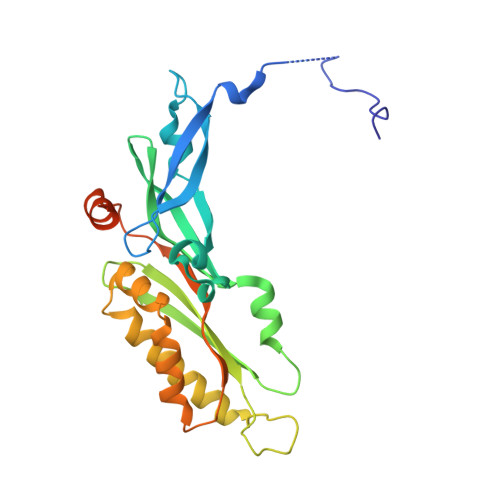
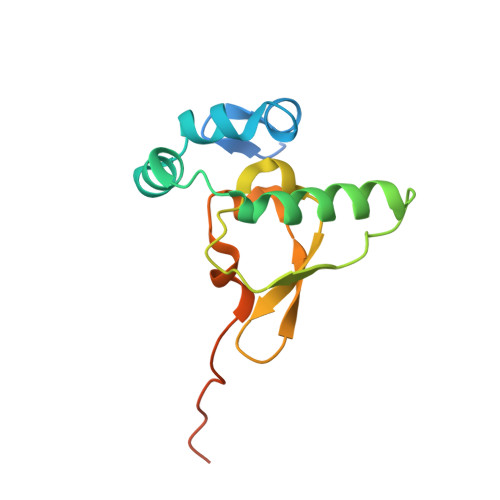
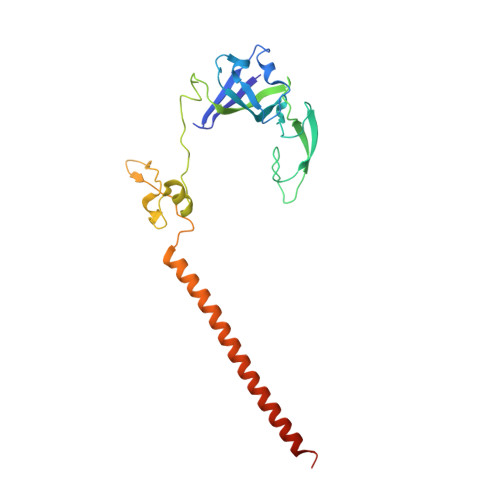
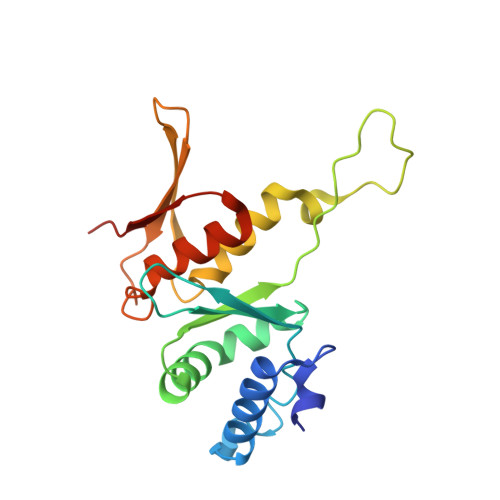
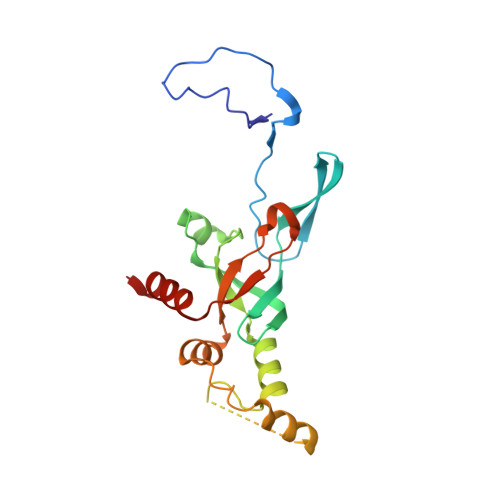
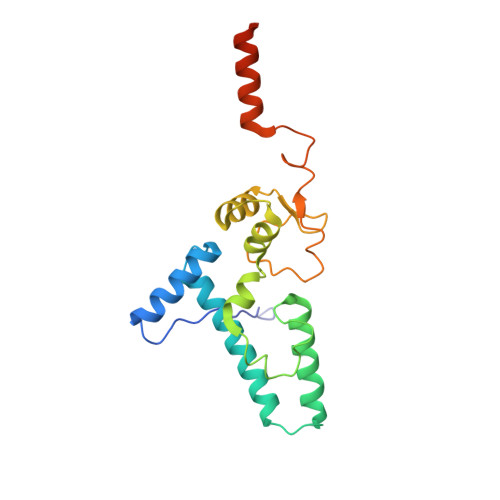
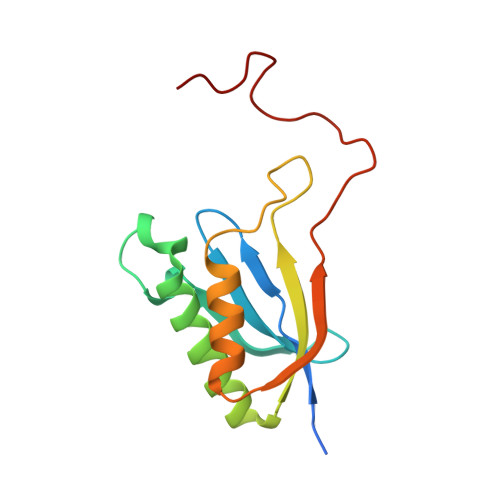
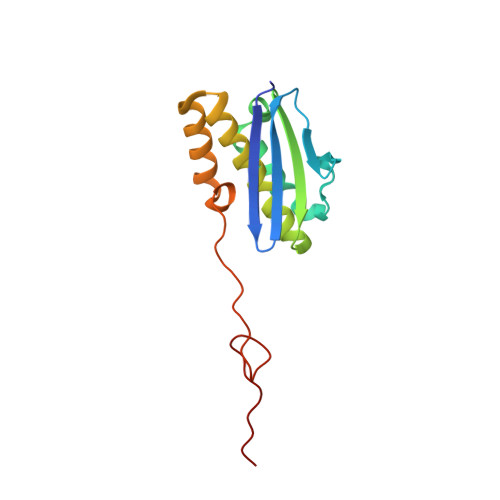
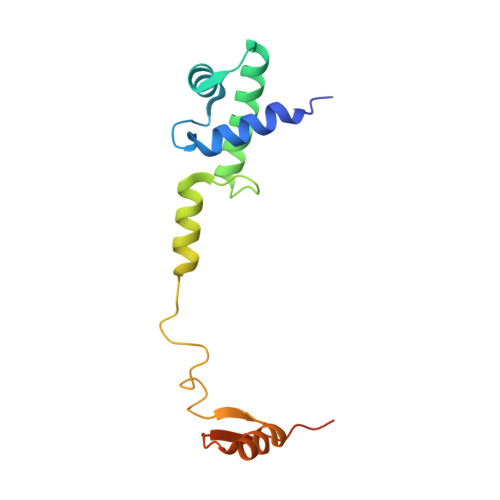
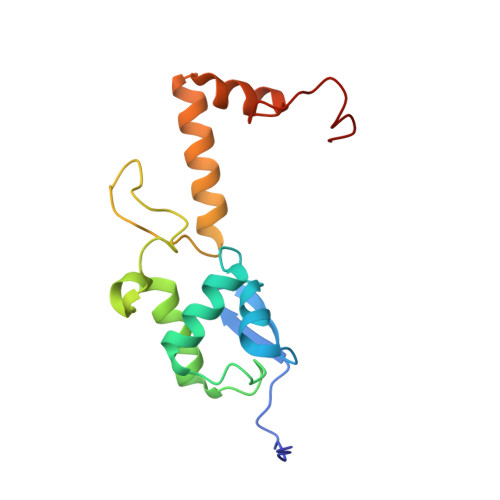
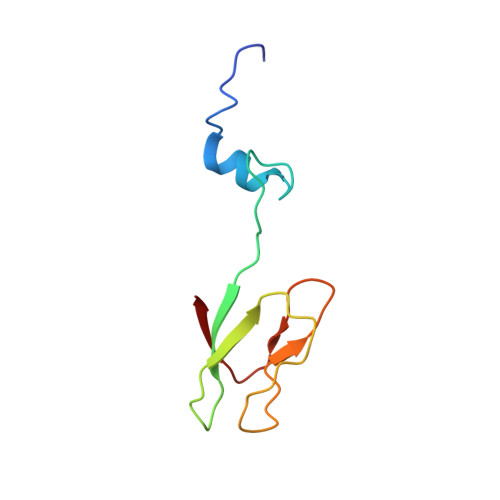
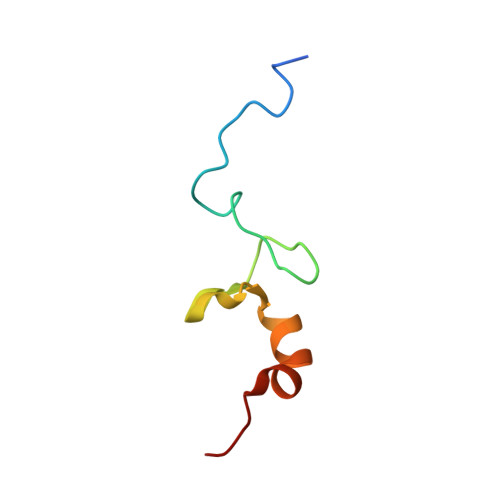
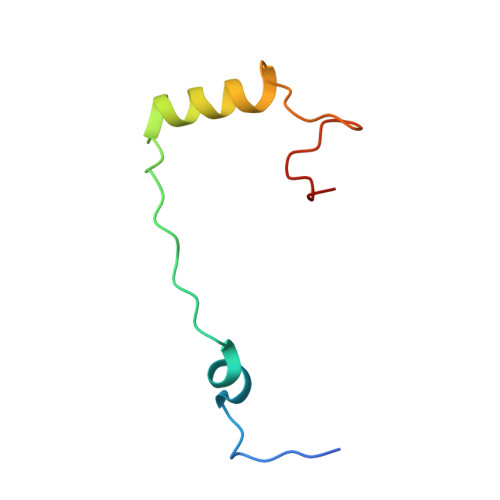
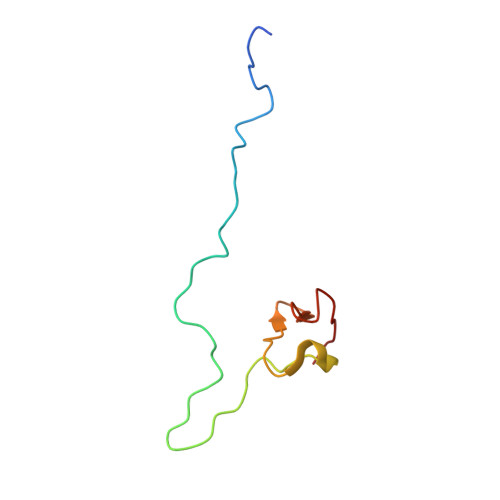
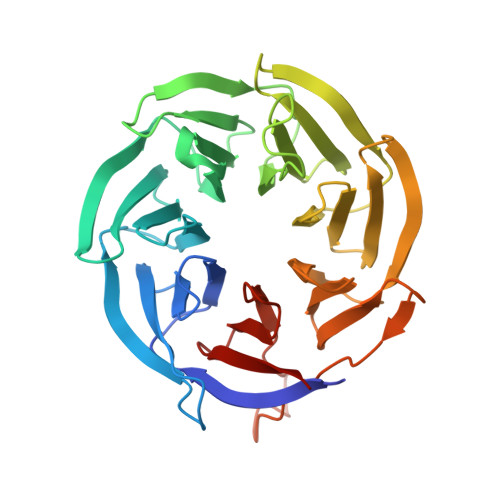
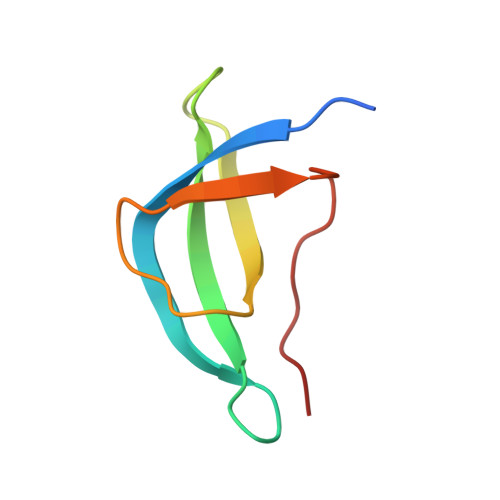
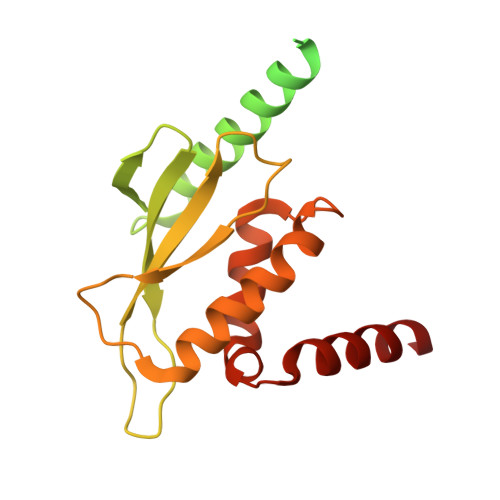
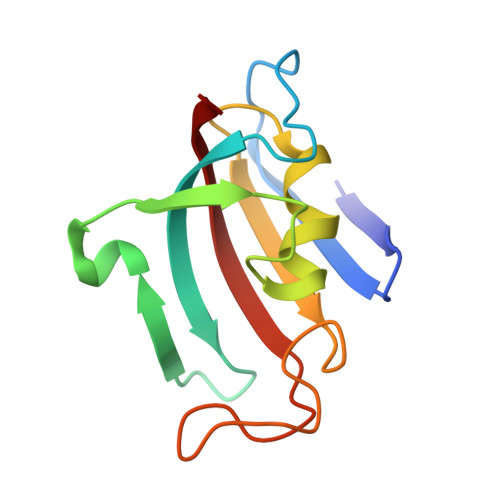
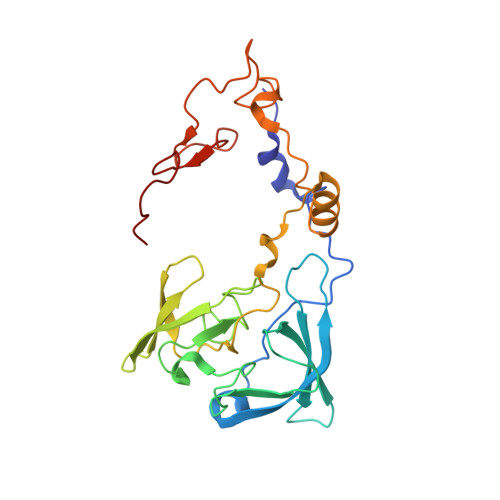
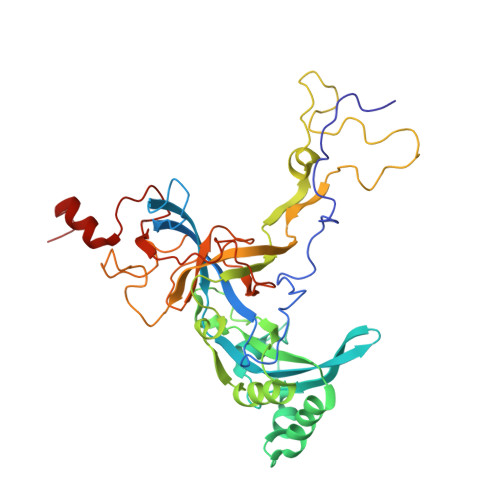
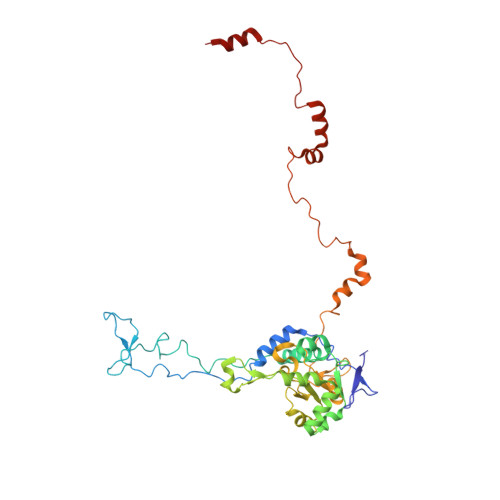
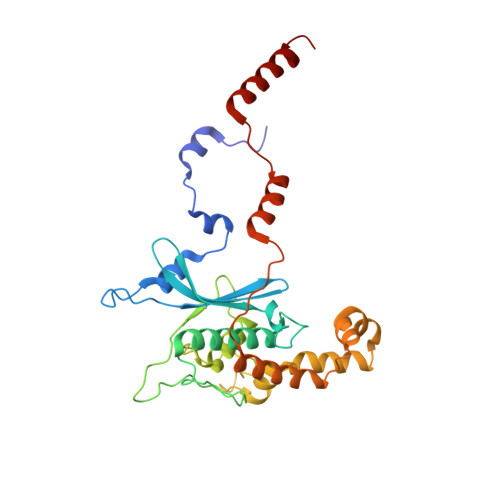
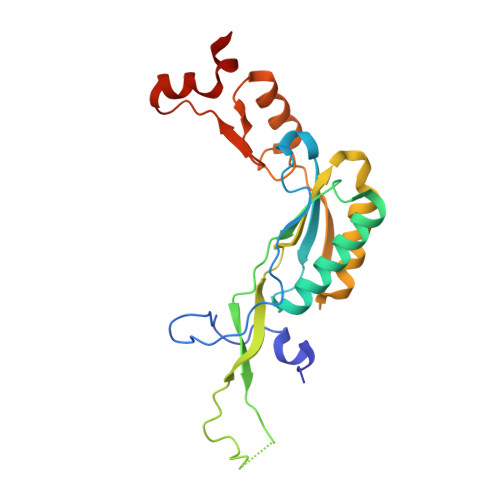
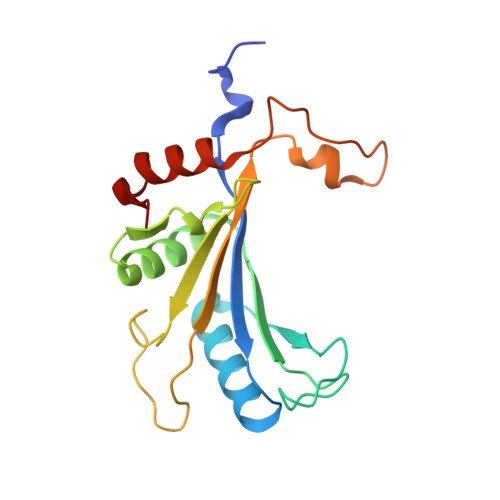
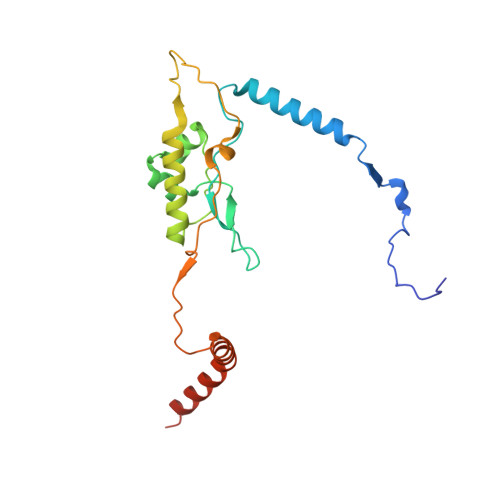
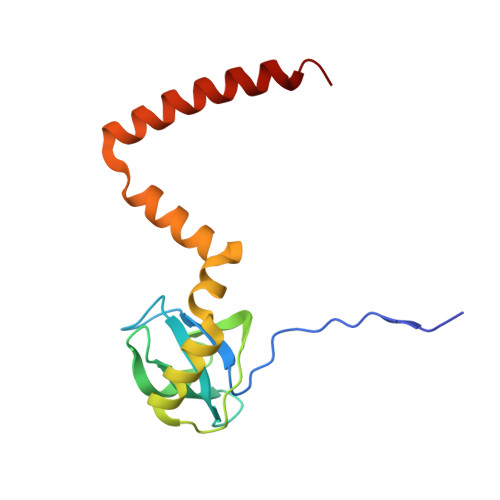
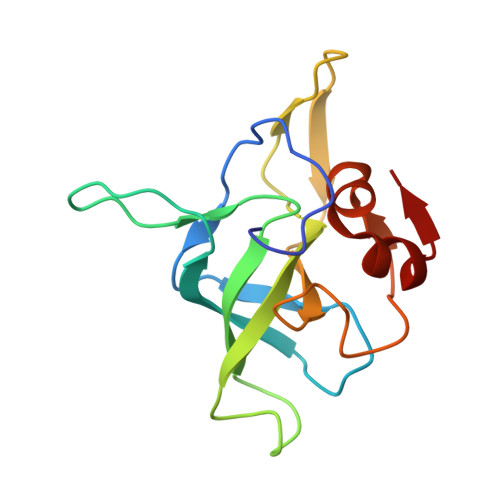
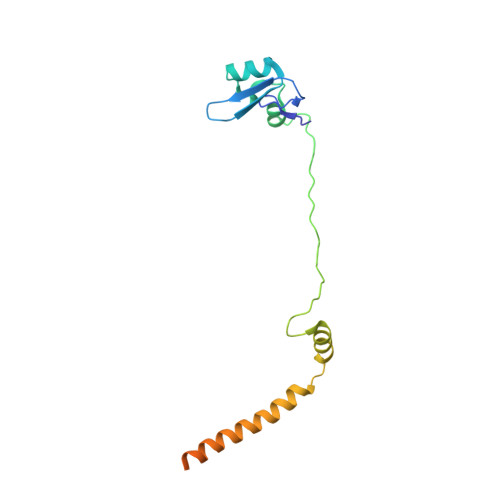
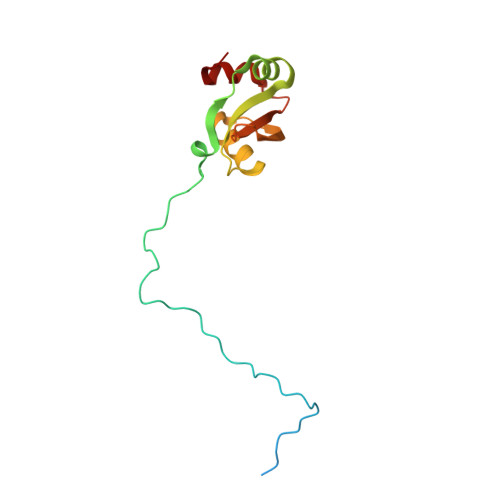
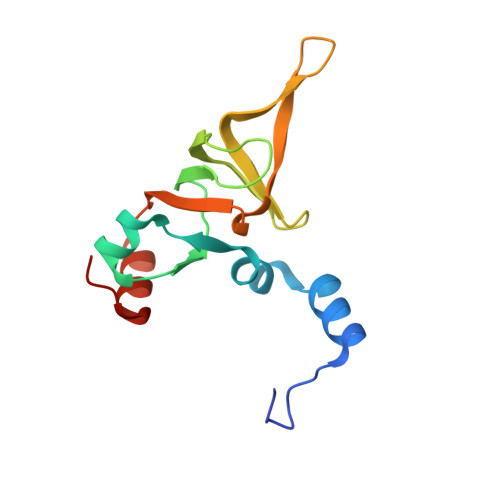
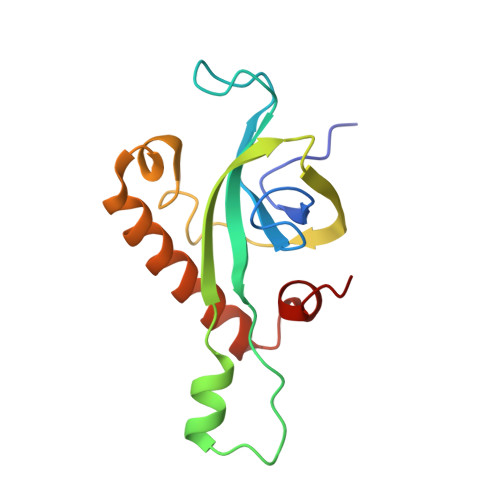
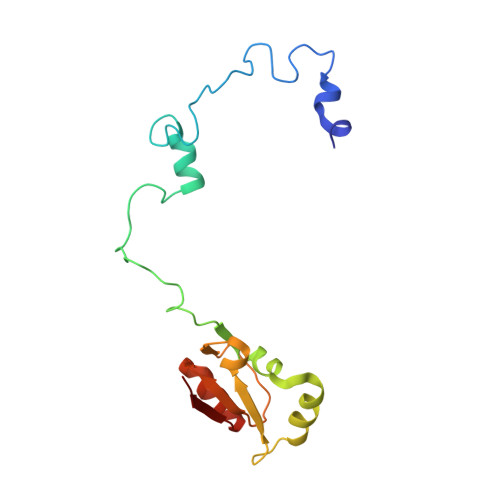
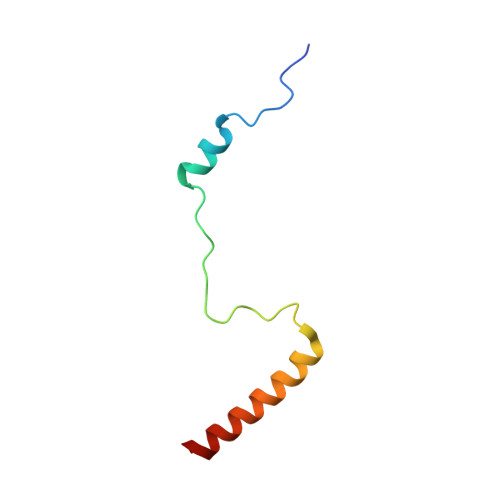
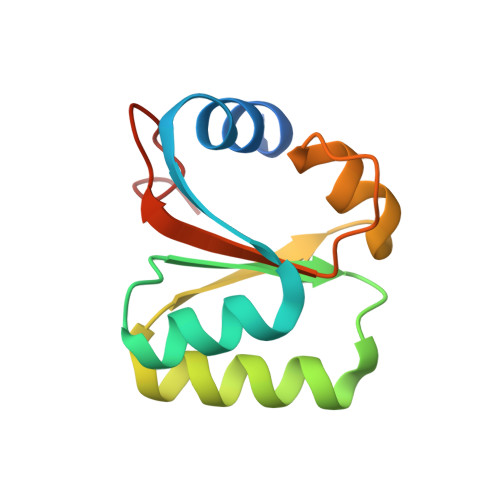
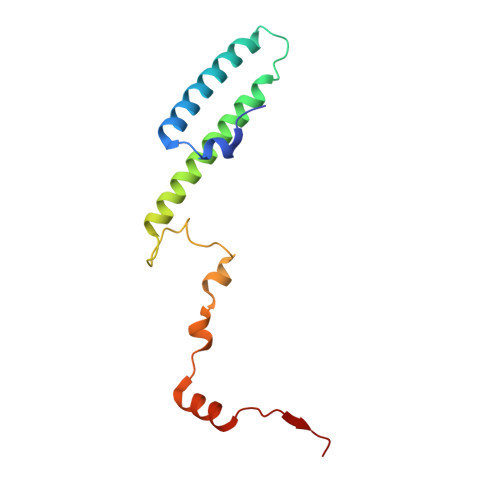
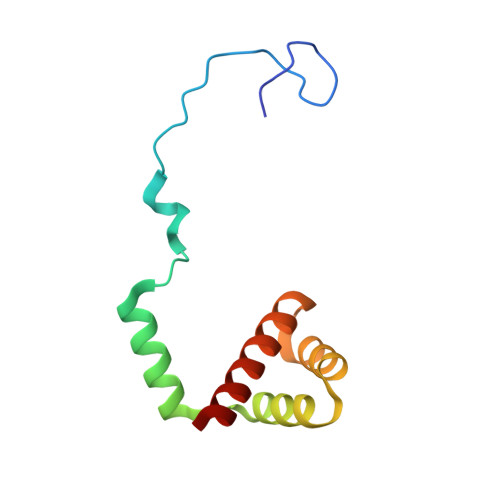
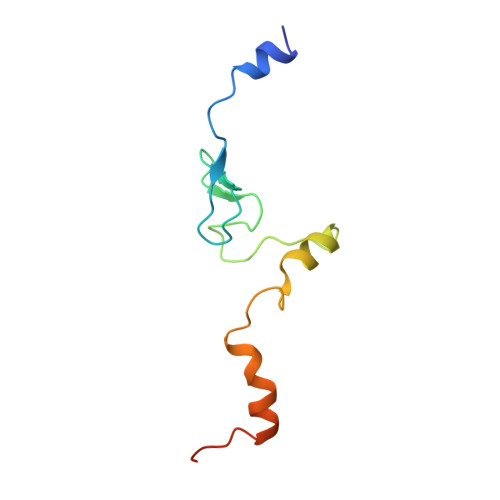
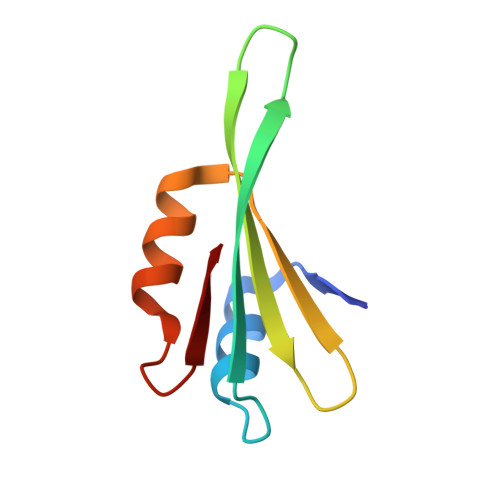
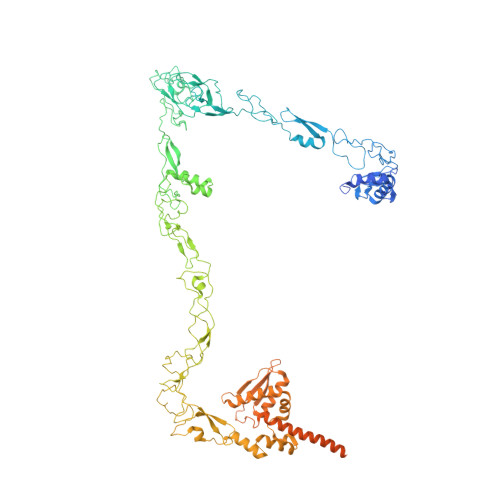
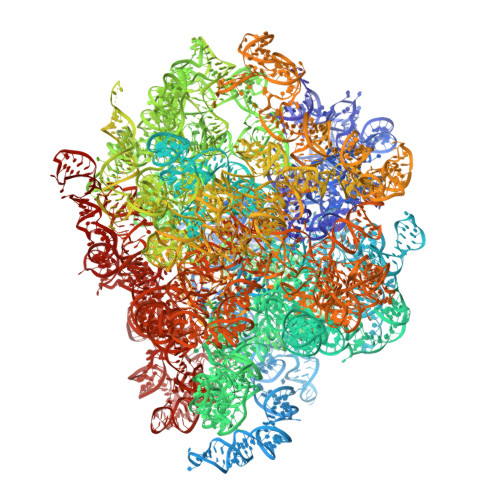
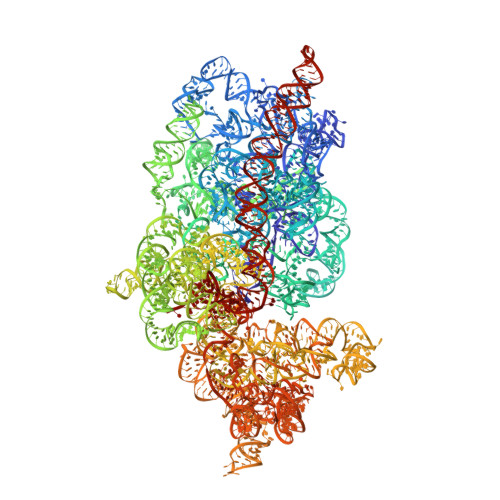
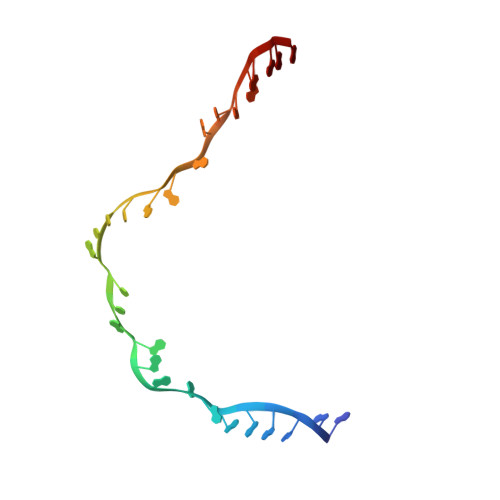
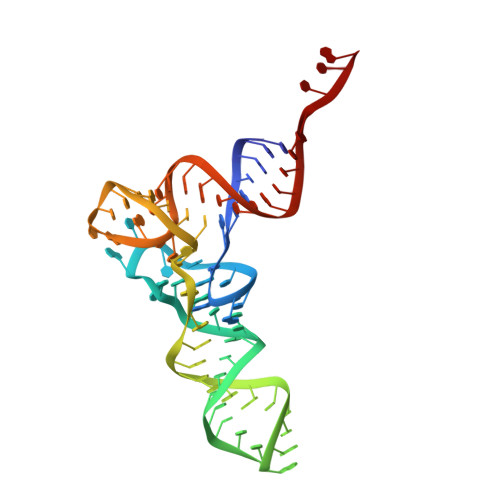
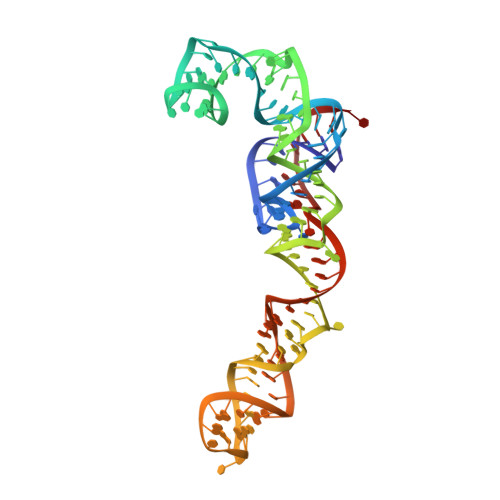
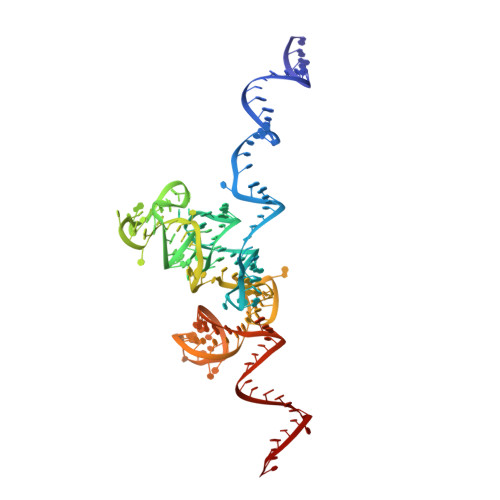
Cells can respond to stalled ribosomes by sensing ribosome collisions and employing quality control pathways. How ribosome stalling is resolved without collisions, however, has remained elusive. Here, focusing on noncolliding stalling exhibited by decoding-defective ribosomes, we identified Fap1 as a stalling sensor triggering 18S nonfunctional rRNA decay via polyubiquitination of uS3. Ribosome profiling revealed an enrichment of Fap1 at the translation initiation site but also an association with elongating individual ribosomes. Cryo-EM structures of Fap1-bound ribosomes elucidated Fap1 probing the mRNA simultaneously at both the entry and exit channels suggesting an mRNA stasis sensing activity, and Fap1 sterically hinders the formation of canonical collided di-ribosomes. Our findings indicate that individual stalled ribosomes are the potential signal for ribosome dysfunction, leading to accelerated turnover of the ribosome itself.
Organizational Affiliation:
From the Graduate School of Pharmaceutical Sciences, Tohoku University, Sendai 980-8578, Japan.
From the Graduate School of Pharmaceutical Sciences, Tohoku University, Sendai 980-8578, Japan; Gene Center and Department of Biochemistry, University of Munich, Feodor-Lynen-Str. 25, 81377 Munich, Germany.
Gene Center and Department of Biochemistry, University of Munich, Feodor-Lynen-Str. 25, 81377 Munich, Germany.
Cellular and Molecular Biotechnology Research Institute, AIST, Tokyo 135-0064, Japan.
From the Graduate School of Pharmaceutical Sciences, Tohoku University, Sendai 980-8578, Japan; Division of RNA and Gene Regulation, Institute of Medical Science, The University of Tokyo, Minato-ku 108-8639, Japan.
Gene Center and Department of Biochemistry, University of Munich, Feodor-Lynen-Str. 25, 81377 Munich, Germany. Electronic address: beckmann@genzentrum.lmu.de.
From the Graduate School of Pharmaceutical Sciences, Tohoku University, Sendai 980-8578, Japan; Division of RNA and Gene Regulation, Institute of Medical Science, The University of Tokyo, Minato-ku 108-8639, Japan. Electronic address: toshiinada@ims.u-tokyo.ac.jp.

 Download Mendeley