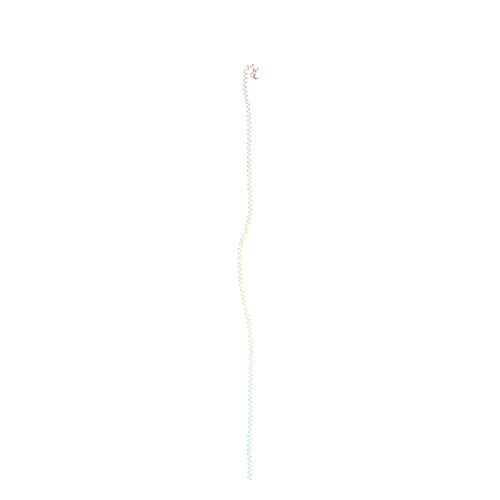
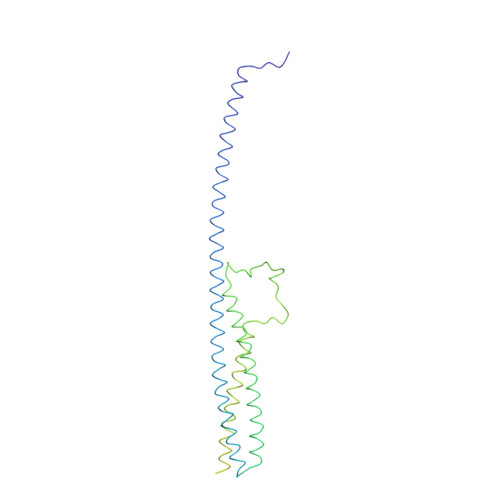
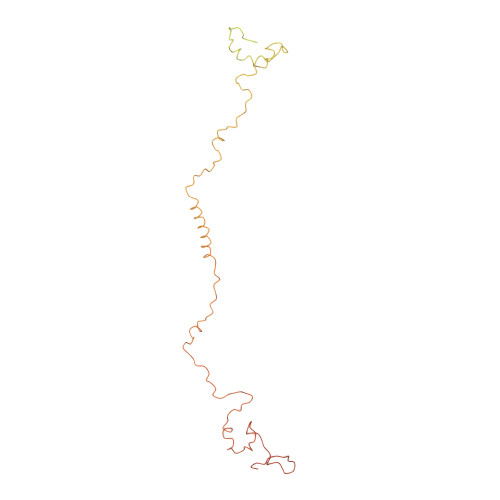
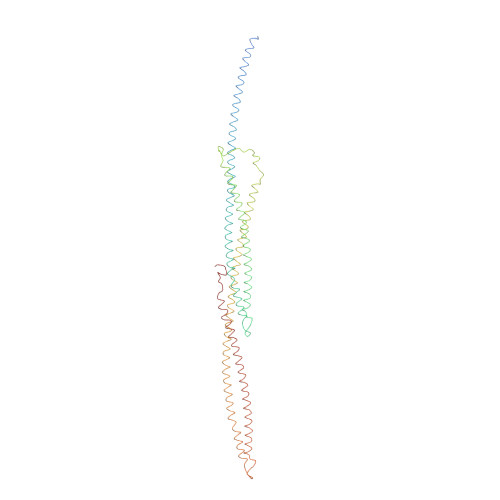
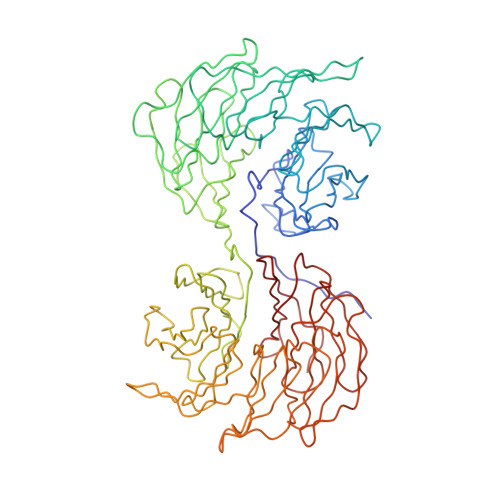
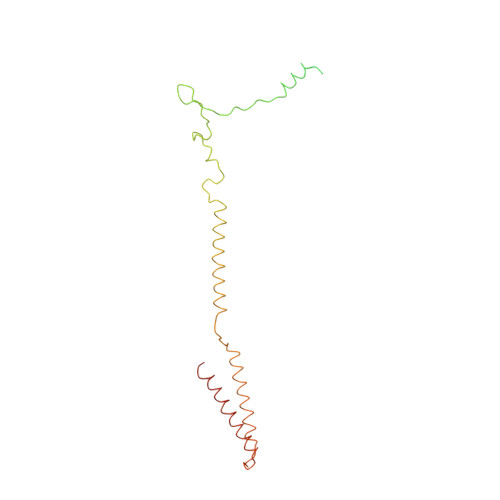
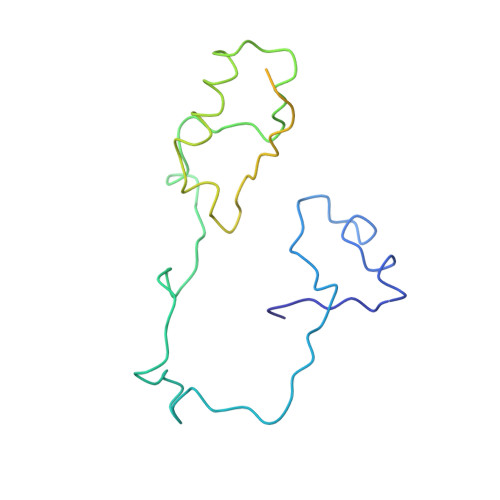
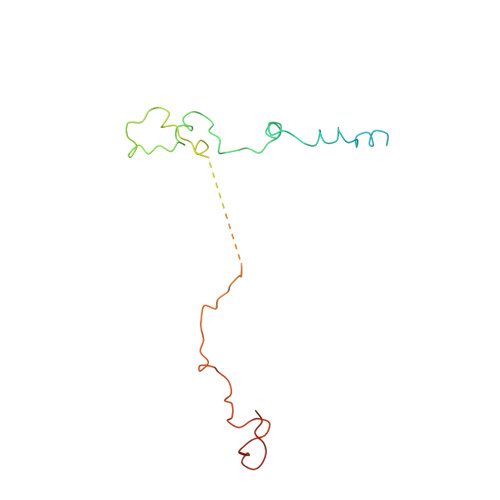
Find PDB structures and Computed Structure Models (CSM) by combining queries from tools in this suite: Attribute Search, Sequence Similarity, Sequence Motif, 3D Similarity, and 3D Motif with 'AND' logic.
Funding Organization(s): National Institutes of Health/National Institute of General Medical Sciences (NIH/NIGMS), Swedish Research Council, Smith Family Foundation, Pew Charitable Trusts, Charles A. King Trust
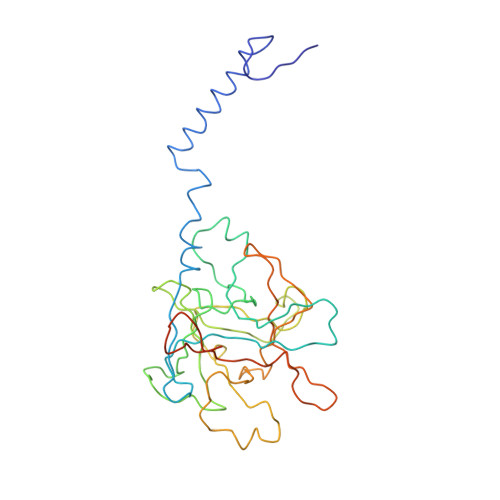
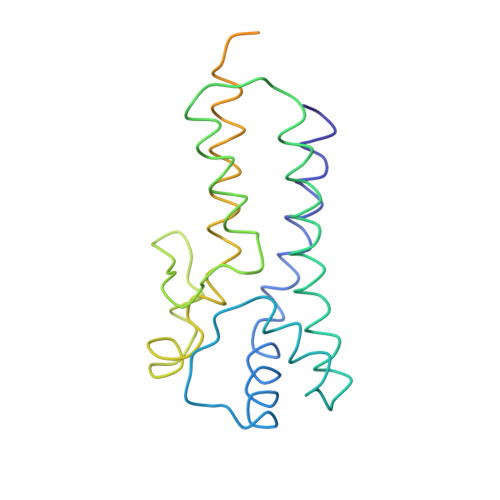
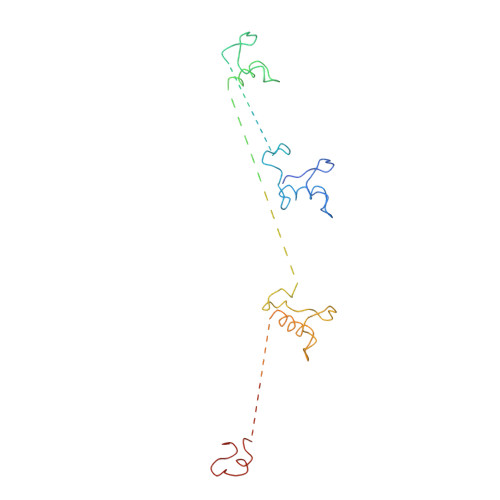
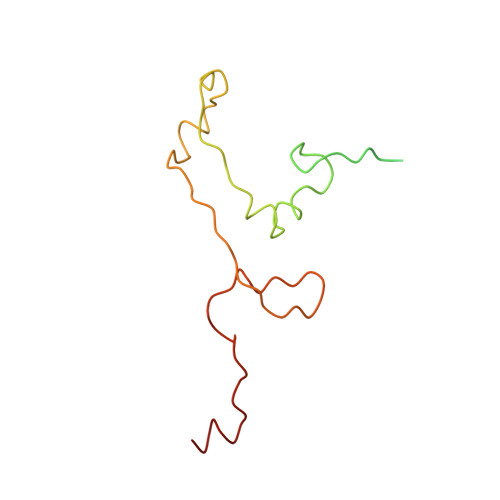
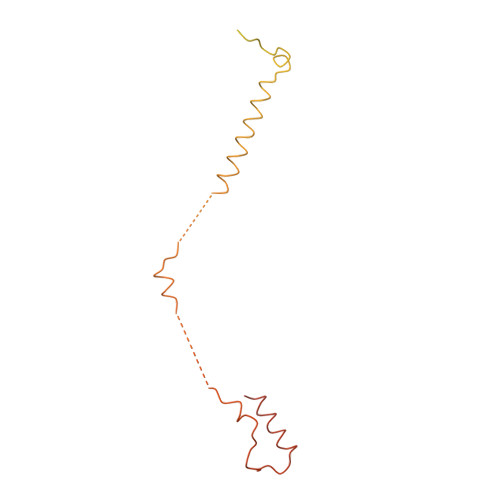
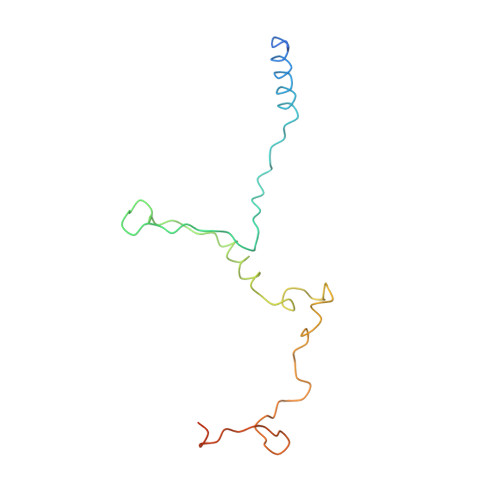
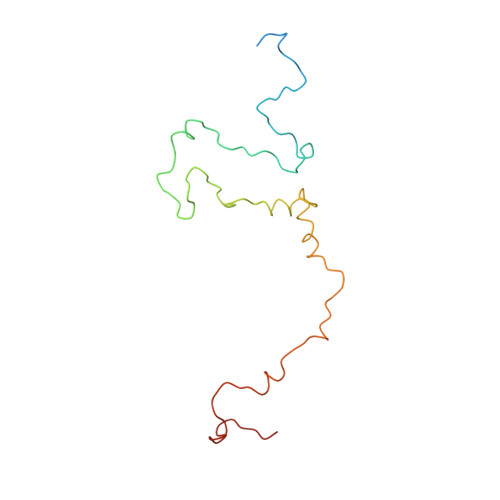
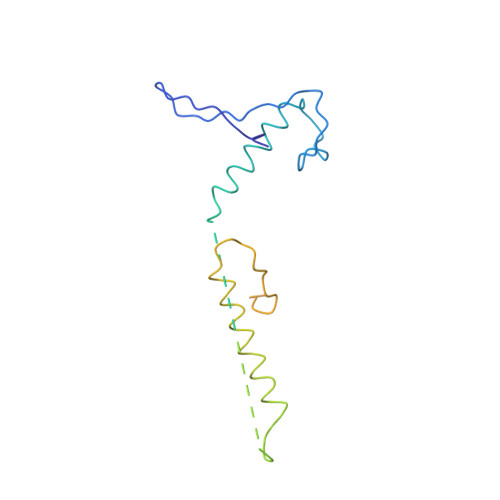
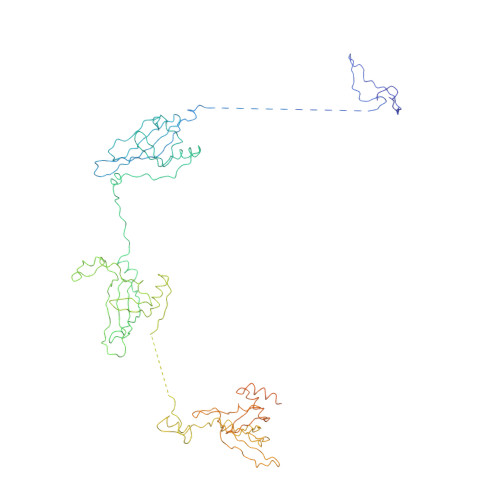
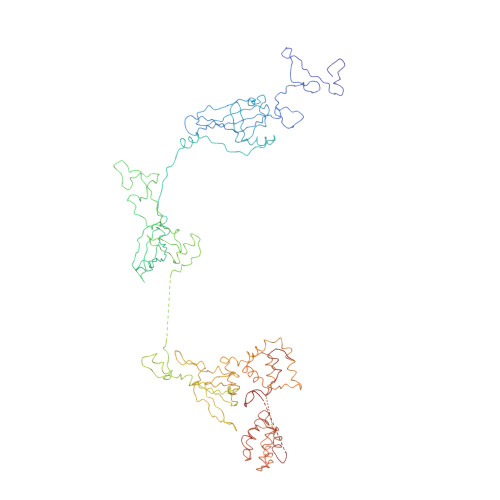
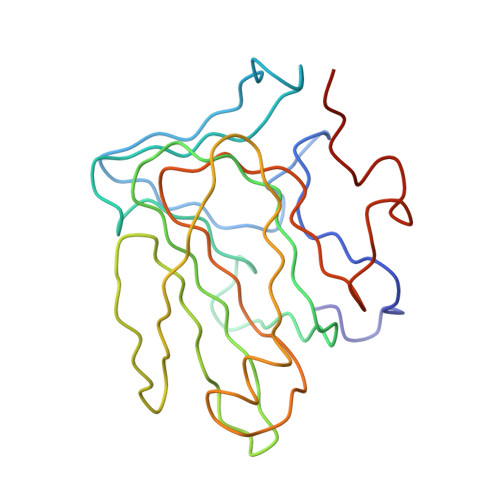
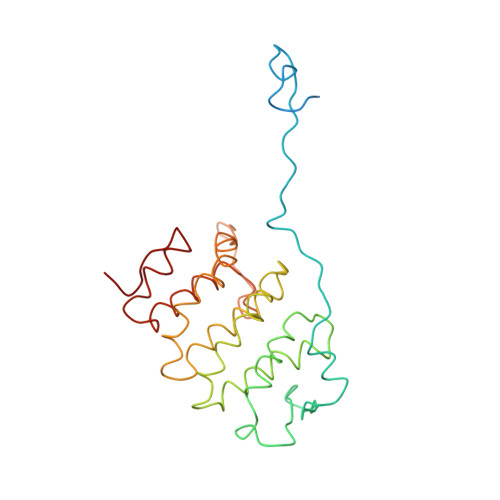
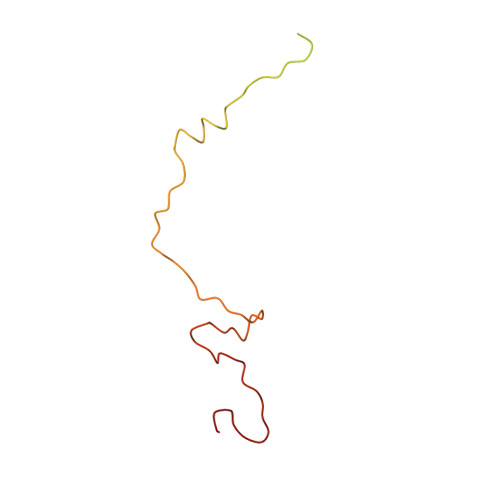
The cilium-centrosome complex contains triplet, doublet, and singlet microtubules. The lumenal surfaces of each microtubule within this diverse array are decorated by microtubule inner proteins (MIPs). Here, we used single-particle cryo-electron microscopy methods to build atomic models of two types of human ciliary microtubule: the doublet microtubules of multiciliated respiratory cells and the distal singlet microtubules of monoflagellated human spermatozoa. We discover that SPACA9 is a polyspecific MIP capable of binding both microtubule types. SPACA9 forms intralumenal striations in the B tubule of respiratory doublet microtubules and noncontinuous spirals in sperm singlet microtubules. By acquiring new and reanalyzing previous cryo-electron tomography data, we show that SPACA9-like intralumenal striations are common features of different microtubule types in animal cilia. Our structures provide detailed references to help rationalize ciliopathy-causing mutations and position cryo-EM as a tool for the analysis of samples obtained directly from ciliopathy patients.
Organizational Affiliation:
Department of Biological Chemistry and Molecular Pharmacology, Harvard Medical School, Boston, MA 02115.
Department of Chemistry and Molecular Biology, University of Gothenburg, Gothenburg 41390, Sweden.
Department of Biochemistry, University of Washington, Seattle, WA 98195.
Royal Brompton Hospital, Guy's and St Thomas' NHS Foundation Trust, London SW3 6NP, United Kingdom.
Institute of Ophthalmology, University College London, London EC1V 9EL, United Kingdom.

 Download Mendeley