7KJM | pdb_00007kjm

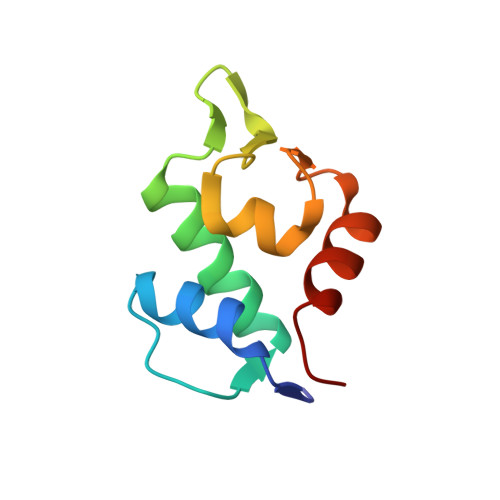
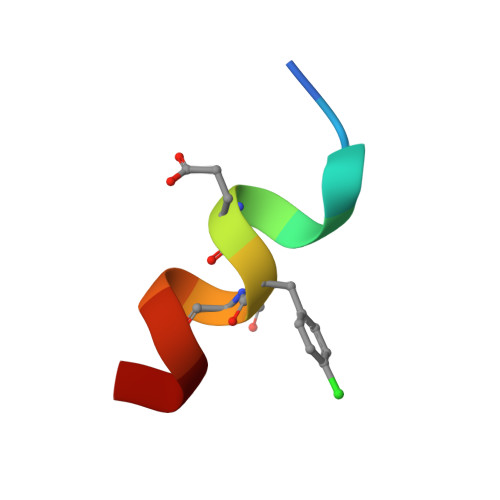
CRYSTAL STRUCTURE OF HUMAN MDM2 IN COMPLEX WITH D-PEPTIDE INHIBITOR (DPMI-OMEGA)


Experimental Data Snapshot

  • Method: X-RAY DIFFRACTION
  • Resolution: 1.40 Å
  • R-Value Free: 
    0.210 (Depositor), 0.210 (DCC) 
  • R-Value Work: 
    0.184 (Depositor), 0.180 (DCC) 
  • R-Value Observed: 
    0.186 (Depositor) 

Starting Model: experimental
View more details

wwPDB Validation   3D Report Full Report


This is version 1.3 of the entry. See complete history


Literature

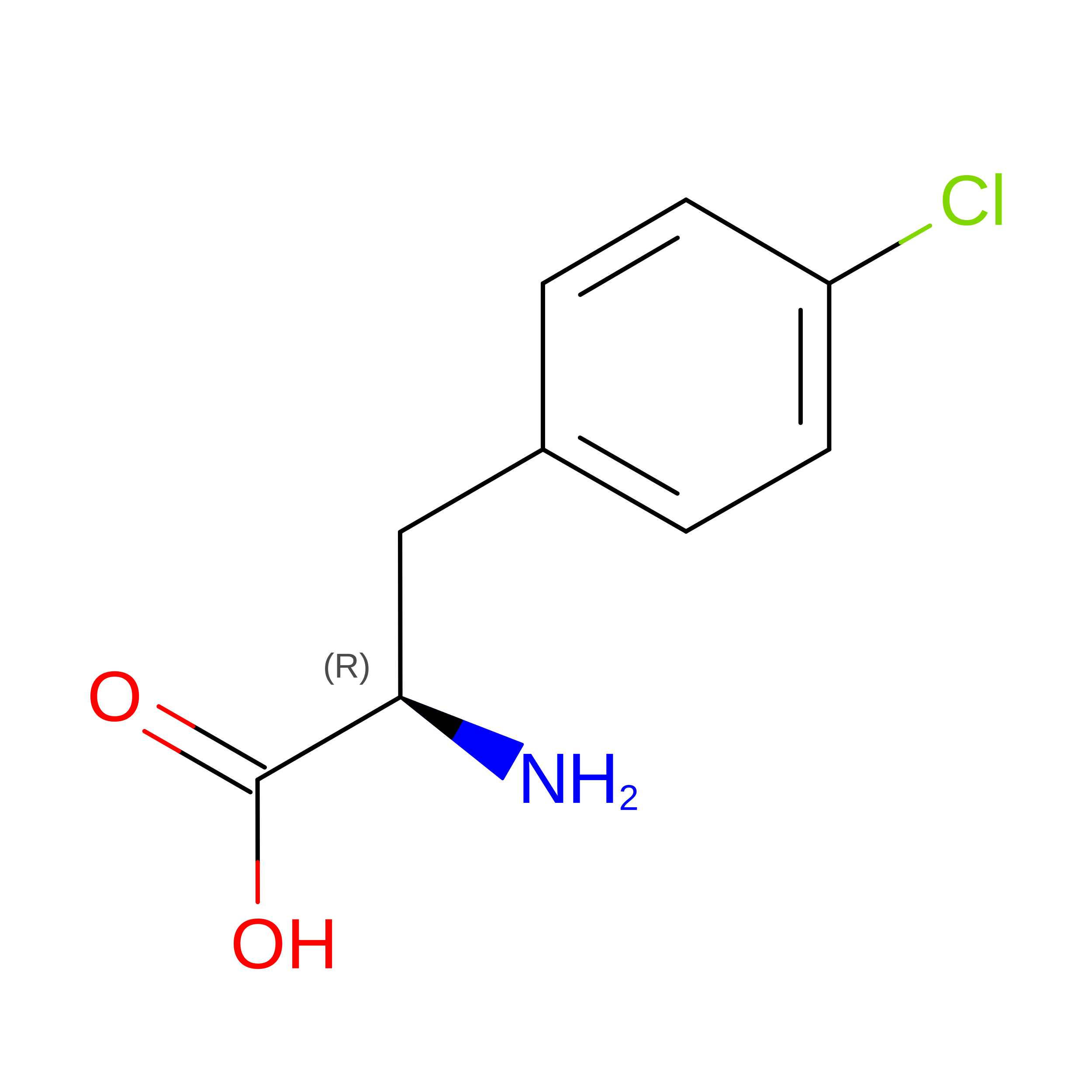
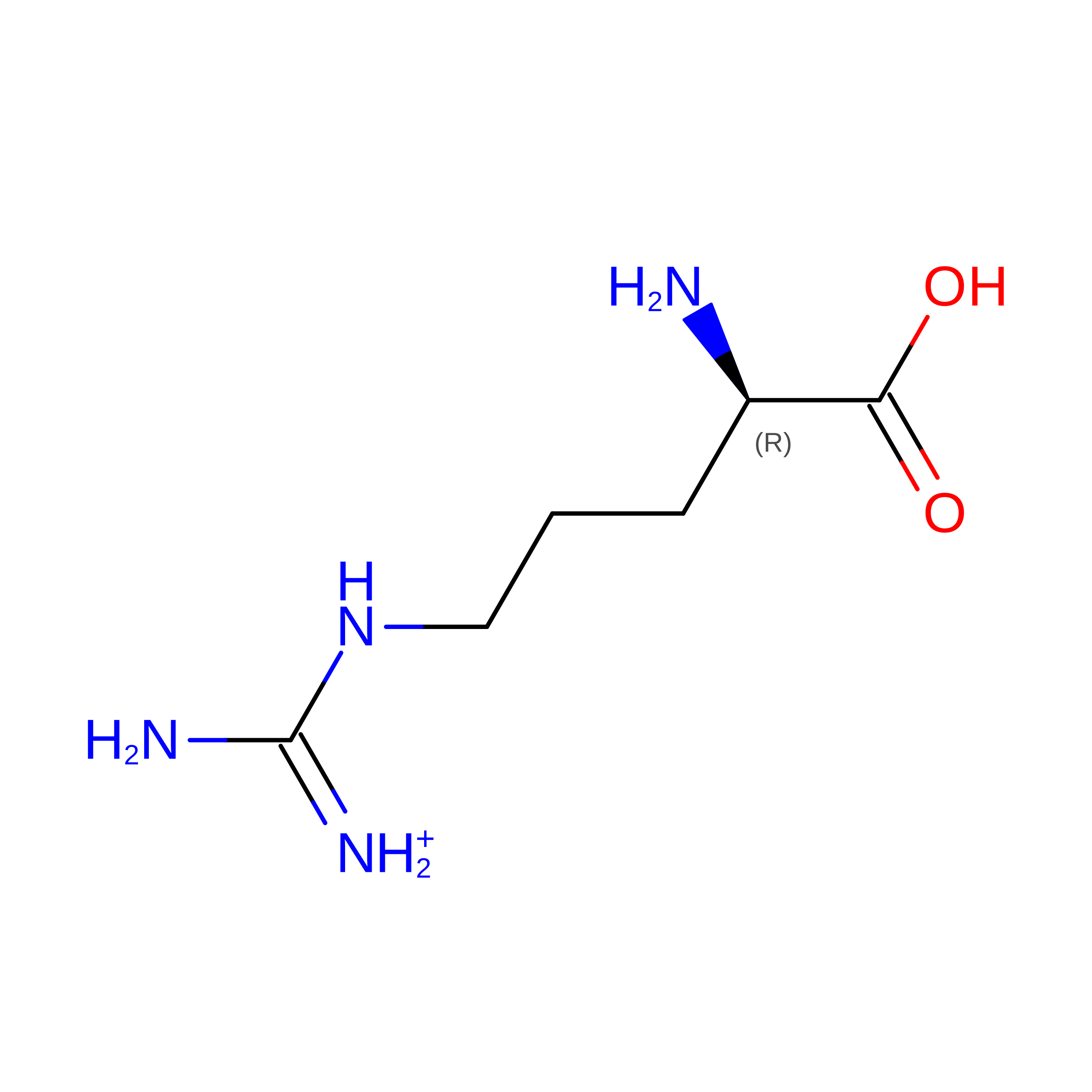
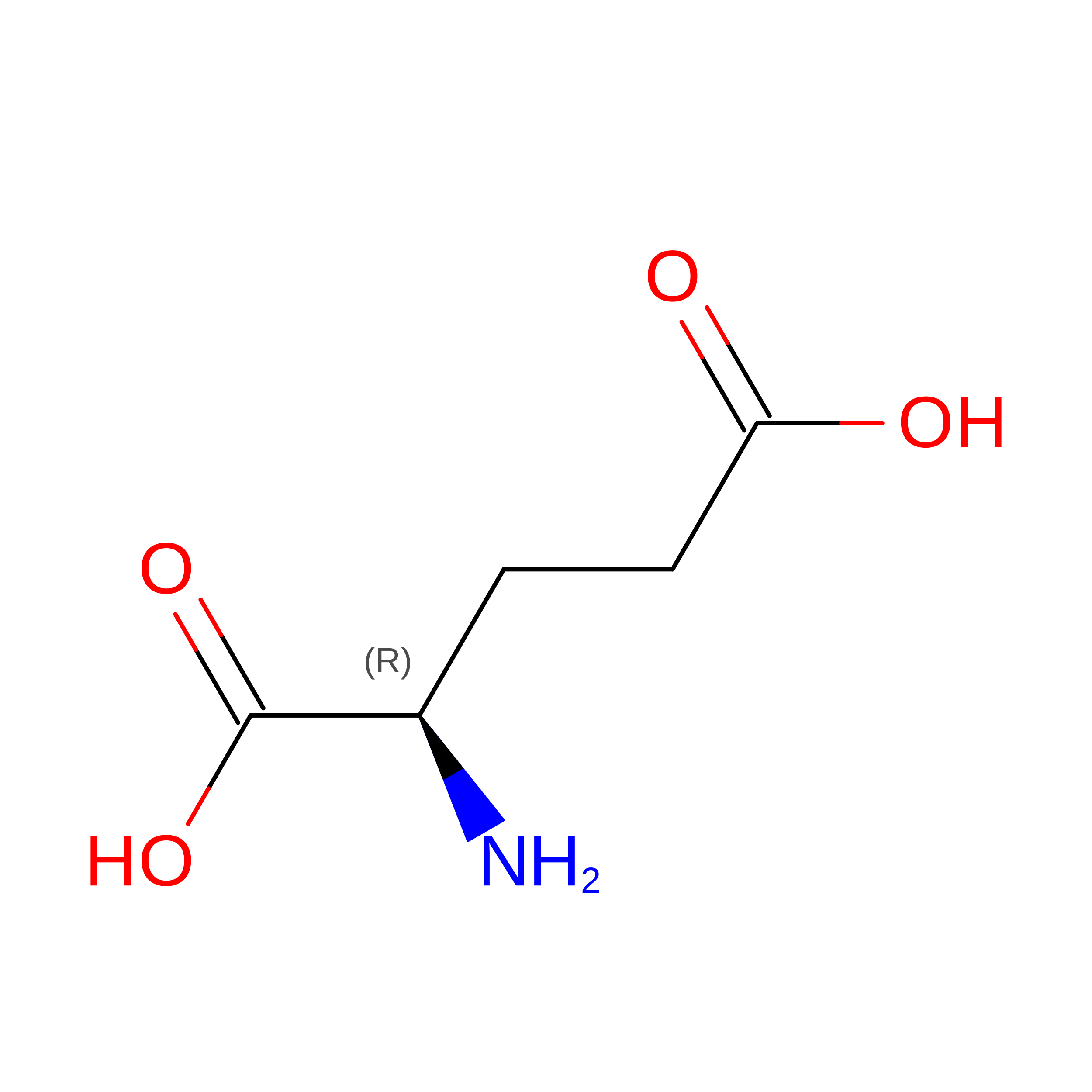
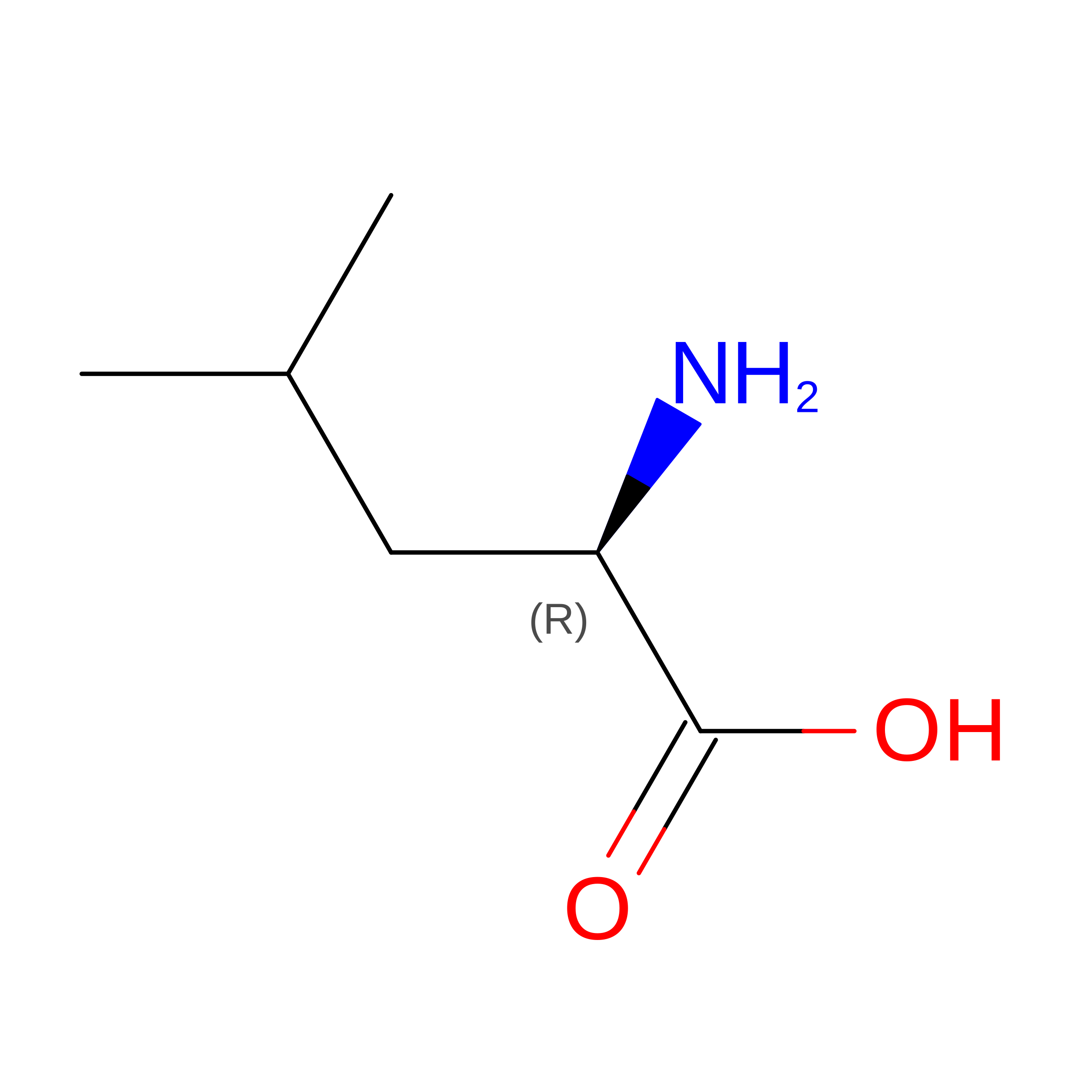
A Dual-Specificity d-Peptide Antagonist of MDM2 and MDMX for Antitumor Immunotherapy.

Liao, C.Yan, J.Tolbert, W.D.Chen, X.Pazgier, M.Lu, W.Zhan, C.Lu, W.

(2025) J Med Chem 

  • DOI: https://doi.org/10.1021/acs.jmedchem.4c02057
  • Primary Citation of Related Structures:  
    7KJM, 7KJN

  • PubMed Abstract: 

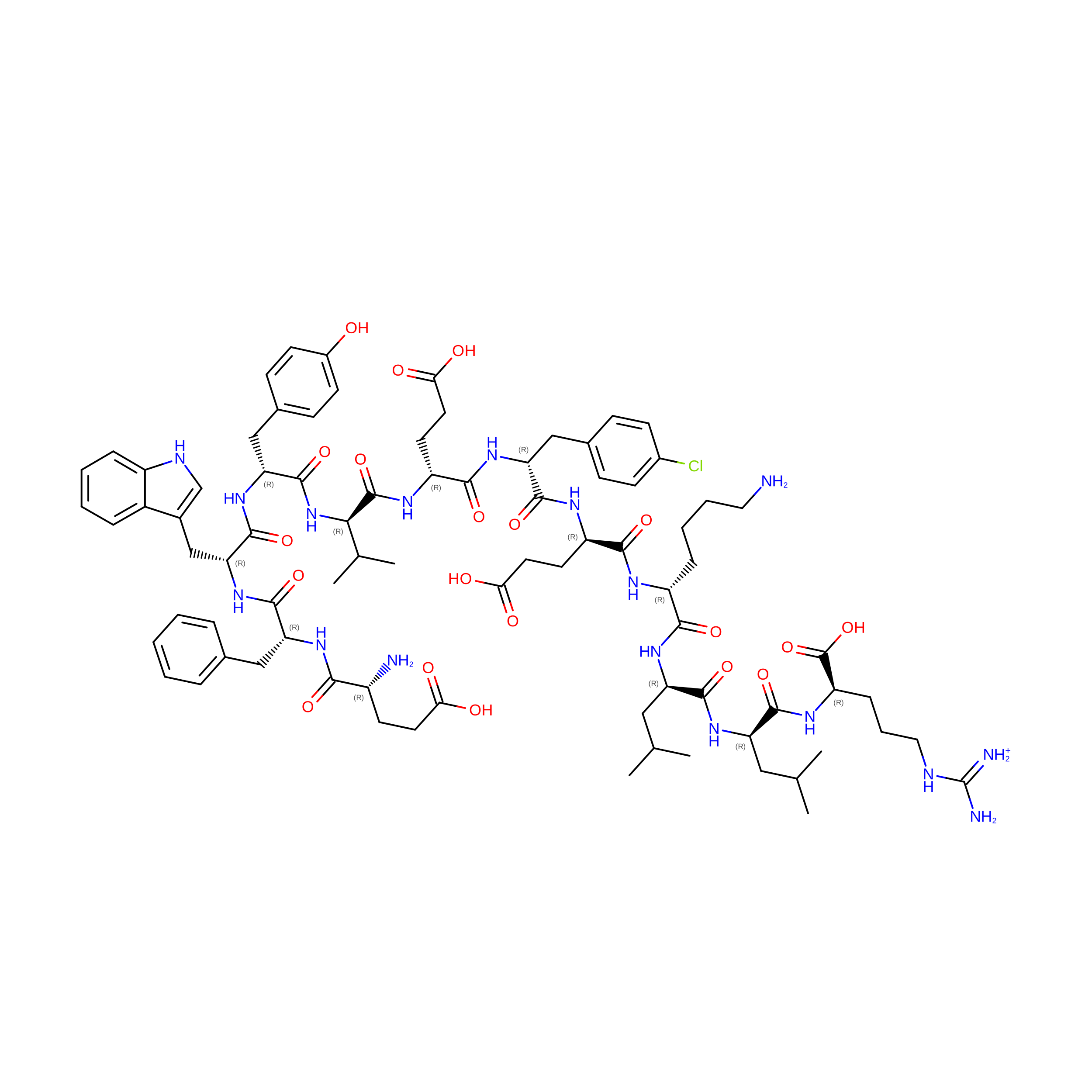
    Designing metabolically stable peptides to target interactions of the tumor suppressor protein p53 with the two oncogenic proteins MDM2 and MDMX represents an attractive approach to harvesting "high-hanging fruits" often inaccessible to traditional anticancer drug discovery and development efforts. Here, we report the design of a proteolysis-resistant d-dodecapeptide, termed D PMI-ω (EFWYVE p -ClFEKLLR), capable of disrupting the p53-MDM2/MDMX complex by antagonizing MDM2 and MDMX. D PMI-ω, upon fabrication on gold nanoparticles, efficiently traversed tumor cells and killed them by reactivating the p53 signaling pathway. Further, D PMI-ω inhibited B16 melanoma growth in vivo and, when combined with an anti-PD1 antibody, powerfully augmented the efficacy of immunotherapy by expanding CD3 + /CD8 + cytotoxic T cells and suppressing CD4 + /CD25 + regulatory T cells. Our work validates the design of a therapeutically viable anticancer peptide, showcasing its potential in combination therapy to treat patients with tumors that are otherwise resistant or poorly responsive to antitumor immunotherapy.


  • Organizational Affiliation
    • Department of Clinical Pharmacology, Zhongshan Hospital, Fudan University, Shanghai 200032, China.

Macromolecules
Find similar proteins by:  (by identity cutoff)  |  3D Structure
Entity ID: 1
MoleculeChains Sequence LengthOrganismDetailsImage
E3 ubiquitin-protein ligase Mdm2
A, C
85Homo sapiensMutation(s): 0 
EC: 2.3.2.27
UniProt & NIH Common Fund Data Resources
Find proteins for Q00987 (Homo sapiens)
Explore Q00987 
Go to UniProtKB:  Q00987
PHAROS:  Q00987
GTEx:  ENSG00000135679 
Entity Groups  
Sequence Clusters30% Identity50% Identity70% Identity90% Identity95% Identity100% Identity
UniProt GroupQ00987
Sequence Annotations
Expand
  • Reference Sequence

Find similar proteins by:  Sequence   |   3D Structure  

Entity ID: 2
MoleculeChains Sequence LengthOrganismDetailsImage
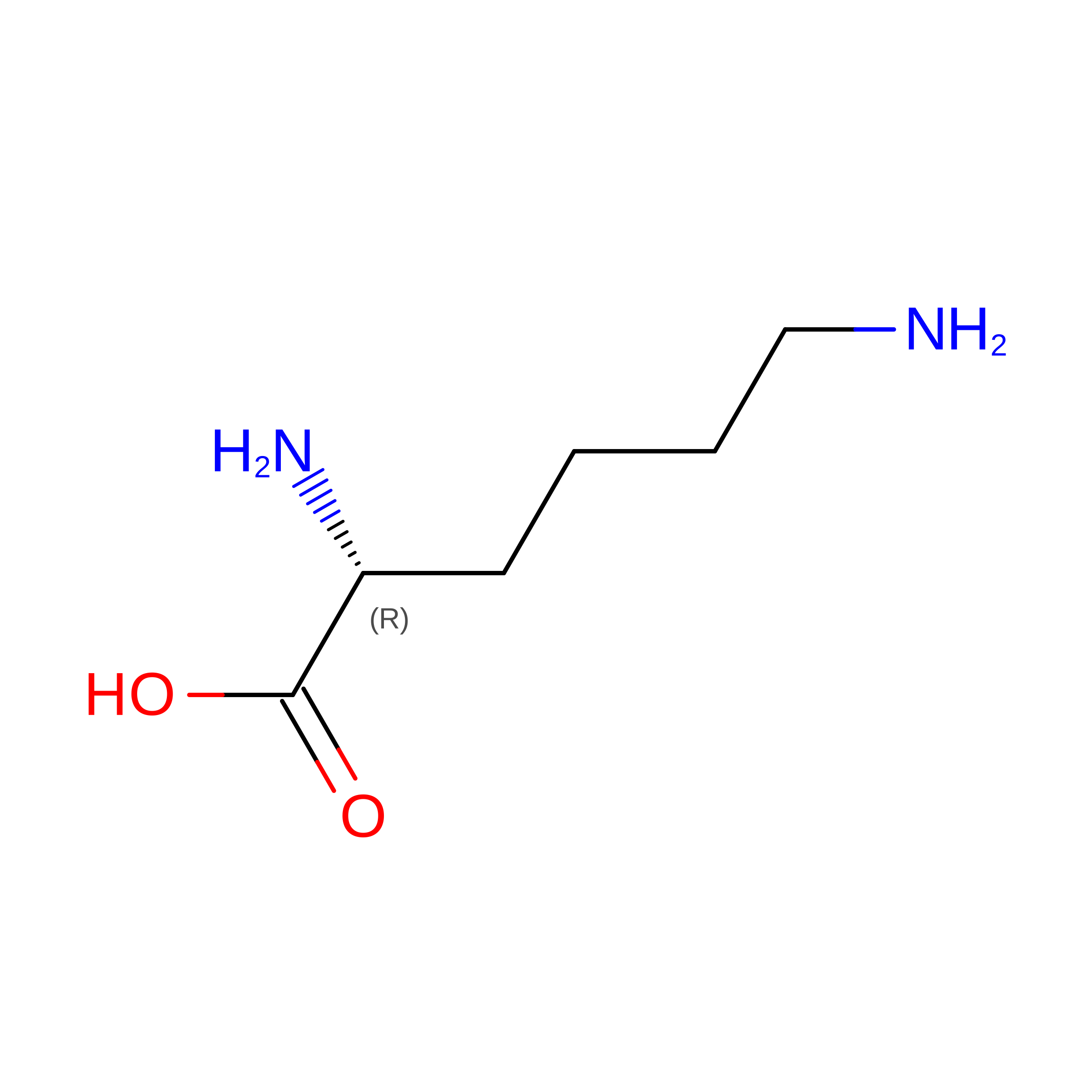
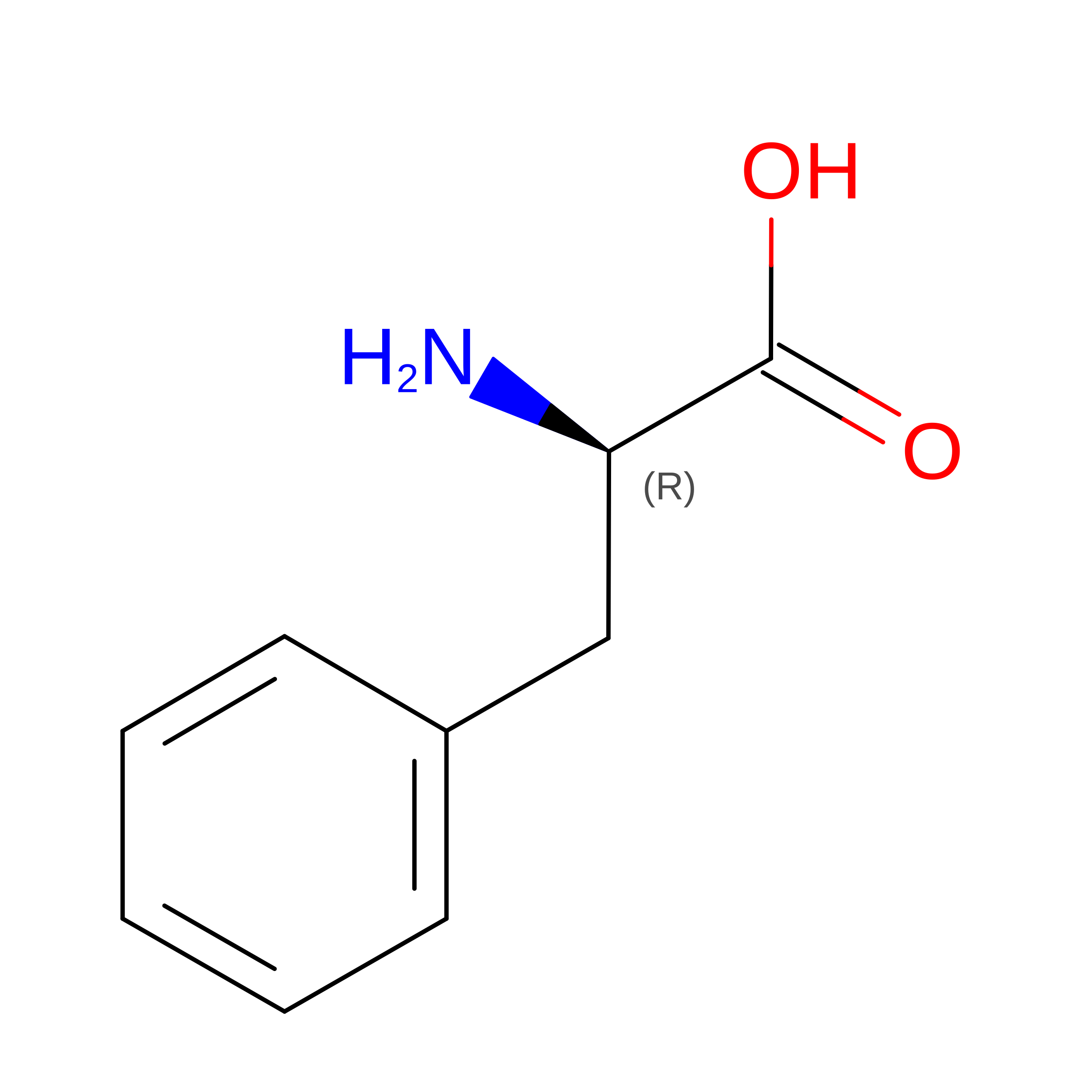
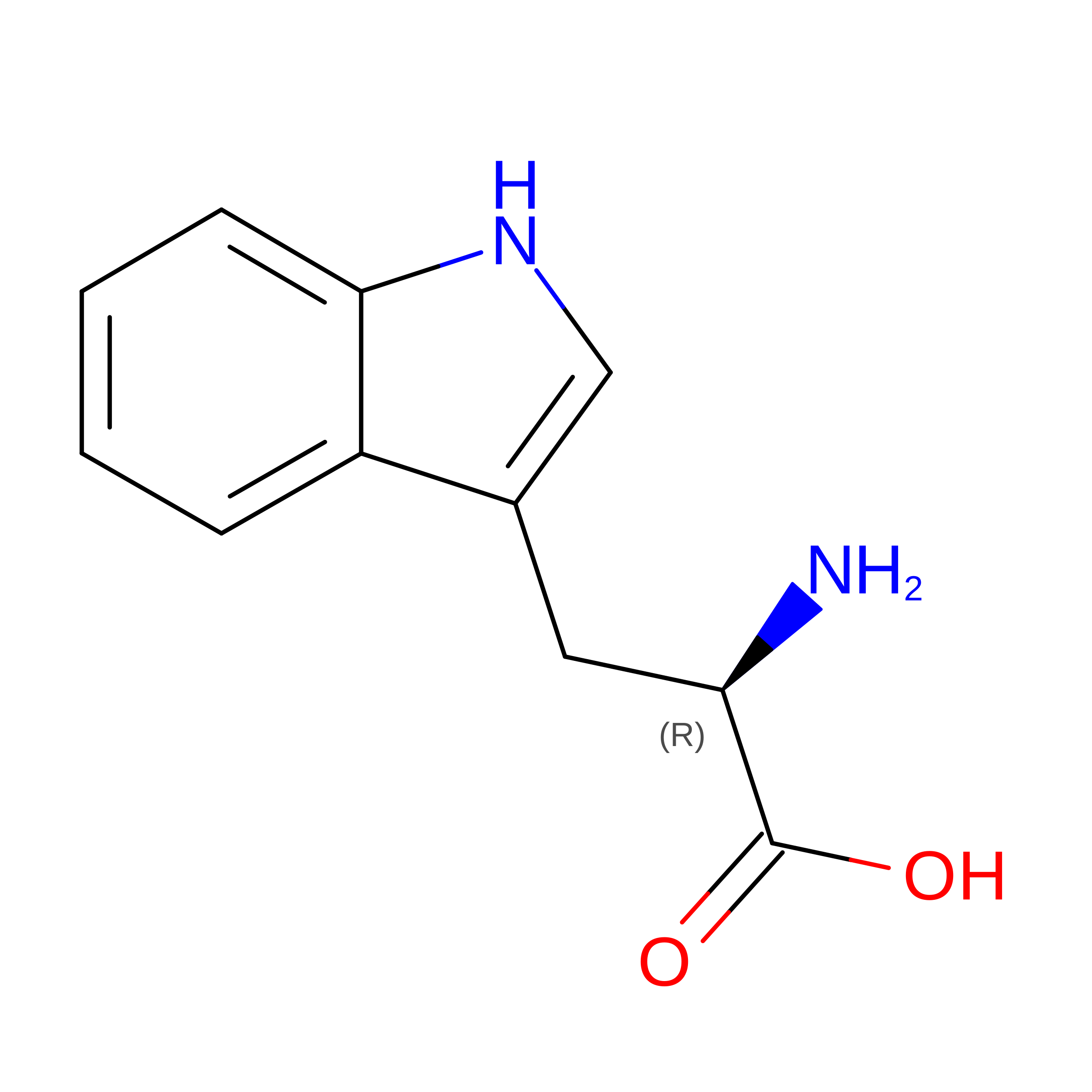
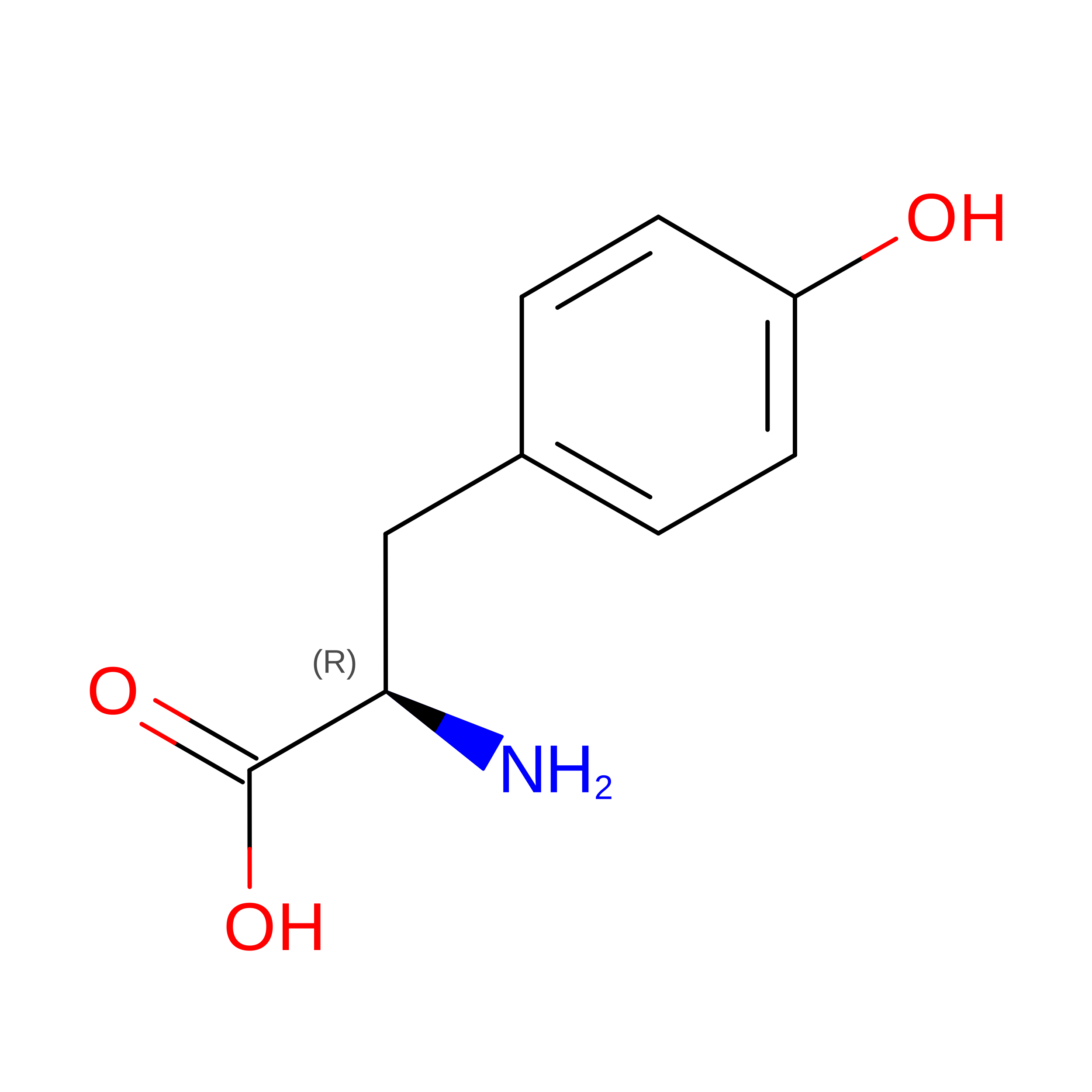
D-PMI-omega
B, D
12synthetic constructMutation(s): 0 
Sequence Annotations
Expand
  • Reference Sequence
Biologically Interesting Molecules (External Reference) 1 Unique
Experimental Data & Validation

Experimental Data

  • Method: X-RAY DIFFRACTION
  • Resolution: 1.40 Å
  • R-Value Free:  0.210 (Depositor), 0.210 (DCC) 
  • R-Value Work:  0.184 (Depositor), 0.180 (DCC) 
  • R-Value Observed: 0.186 (Depositor) 
Space Group: P 2 21 21
Unit Cell:
Length ( Å )Angle ( ˚ )
a = 37.355α = 90
b = 38.451β = 90
c = 138.022γ = 90
Software Package:
Software NamePurpose
PHENIXrefinement
REFMACrefinement
HKL-3000data reduction
HKL-3000data scaling
PHASERphasing

Structure Validation

View Full Validation Report


Entry History & Funding Information

Deposition Data


Funding OrganizationLocationGrant Number
National Institutes of Health/National Institute Of Allergy and Infectious Diseases (NIH/NIAID)United StatesR01AI116274
National Institutes of Health/National Institute Of Allergy and Infectious Diseases (NIH/NIAID)United StatesP01AI120756
National Institutes of Health/National Institute Of Allergy and Infectious Diseases (NIH/NIAID)United StatesR01AI129769

Revision History  (Full details and data files)

  • Version 1.0: 2021-11-17
    Type: Initial release
  • Version 1.1: 2023-10-18
    Changes: Data collection, Refinement description
  • Version 1.2: 2023-11-15
    Changes: Data collection
  • Version 1.3: 2025-08-27
    Changes: Database references, Structure summary