6Z9V | pdb_00006z9v

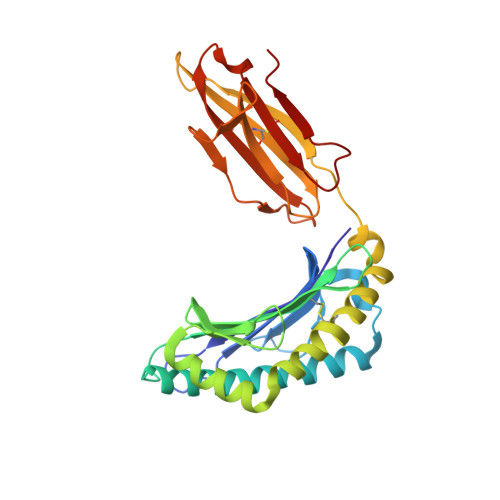
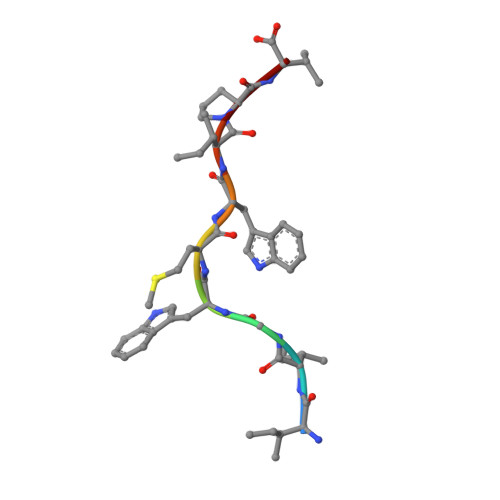
Human Class I Major Histocompatibility Complex, A02 allele, presenting IIGWMWIPV


Experimental Data Snapshot

  • Method: X-RAY DIFFRACTION
  • Resolution: 2.01 Å
  • R-Value Free: 
    0.216 (Depositor), 0.222 (DCC) 
  • R-Value Work: 
    0.176 (Depositor), 0.185 (DCC) 
  • R-Value Observed: 
    0.178 (Depositor) 

Starting Model: experimental
View more details

wwPDB Validation 3D Report Full Report

Validation slider image for 6Z9V

Ligand Structure Quality Assessment 


This is version 1.4 of the entry. See complete history

Literature

Synthetic Peptides with Inadvertent Chemical Modifications Can Activate Potentially Autoreactive T Cells.

Man, S.Redman, J.E.Cross, D.L.Cole, D.K.Can, I.Davies, B.Hashimdeen, S.S.Reid, R.Llewellyn-Lacey, S.Miners, K.L.Ladell, K.Lissina, A.Brown, P.E.Wooldridge, L.Price, D.A.Rizkallah, P.J.

(2021) J Immunol 207: 1009-1017

  • DOI: https://doi.org/10.4049/jimmunol.2000756
  • Primary Citation Related Structures: 
    6Z9V, 6Z9W, 6Z9X

  • PubMed Abstract: 

    The human CD8 + T cell clone 6C5 has previously been shown to recognize the tert -butyl-modified Bax 161-170 peptide LLSY(3- t Bu)FGTPT presented by HLA-A*02:01. This nonnatural epitope was likely created as a by-product of fluorenylmethoxycarbonyl protecting group peptide synthesis and bound poorly to HLA-A*02:01. In this study, we used a systematic approach to identify and characterize natural ligands for the 6C5 TCR. Functional analyses revealed that 6C5 T cells only recognized the LLSYFGTPT peptide when t Bu was added to the tyrosine residue and did not recognize the LLSYFGTPT peptide modified with larger (di- t Bu) or smaller chemical groups (Me). Combinatorial peptide library screening further showed that 6C5 T cells recognized a series of self-derived peptides with dissimilar amino acid sequences to LLSY(3- t Bu)FGTPT. Structural studies of LLSY(3- t Bu)FGTPT and two other activating nonamers (IIGWMWIPV and LLGWVFAQV) in complex with HLA-A*02:01 demonstrated similar overall peptide conformations and highlighted the importance of the position (P) 4 residue for T cell recognition, particularly the capacity of the bulky amino acid tryptophan to substitute for the t Bu-modified tyrosine residue in conjunction with other changes at P5 and P6. Collectively, these results indicated that chemical modifications directly altered the immunogenicity of a synthetic peptide via molecular mimicry, leading to the inadvertent activation of a T cell clone with unexpected and potentially autoreactive specificities.


  • Organizational Affiliation
    • Division of Cancer and Genetics, School of Medicine, Cardiff University, Cardiff, United Kingdom; ManS@cf.ac.uk.

Macromolecule Content 

  • Total Structure Weight: 92.21 kDa 
  • Atom Count: 7,063 
  • Modeled Residue Count: 770 
  • Deposited Residue Count: 770 
  • Unique protein chains: 3

Macromolecules

Find similar proteins by:|  3D Structure
Entity ID: 1
MoleculeChains  Sequence LengthOrganismDetailsImage
MHC class I antigen
A, D
276Homo sapiensMutation(s): 0 
Gene Names: HLA-A
UniProt
Find proteins for A0A140T913 (Homo sapiens)
Explore A0A140T913 
Go to UniProtKB:  A0A140T913
Entity Groups
Sequence Clusters30% Identity50% Identity70% Identity90% Identity95% Identity100% Identity
UniProt GroupA0A140T913
Sequence Annotations
Expand
Reference Sequence
Find similar proteins by:|  3D Structure
Entity ID: 2
MoleculeChains  Sequence LengthOrganismDetailsImage
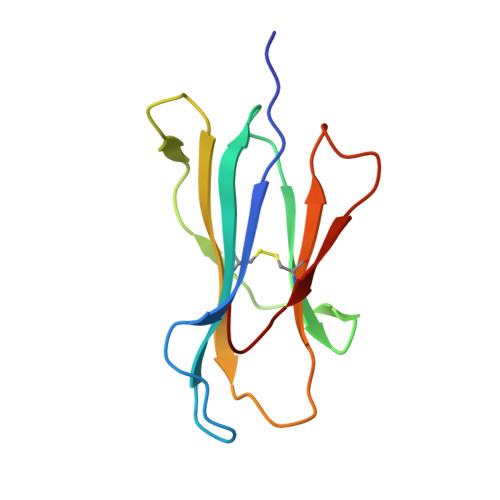
Beta-2-microglobulin
B, E
100Homo sapiensMutation(s): 0 
Gene Names: B2MCDABP0092HDCMA22P
UniProt & NIH Common Fund Data Resources
Find proteins for P61769 (Homo sapiens)
Explore P61769 
Go to UniProtKB:  P61769
PHAROS:  P61769
GTEx:  ENSG00000166710 
Entity Groups
Sequence Clusters30% Identity50% Identity70% Identity90% Identity95% Identity100% Identity
UniProt GroupP61769
Sequence Annotations
Expand
Reference Sequence
Find similar proteins by:  Sequence   |   3D Structure  
Entity ID: 3
MoleculeChains  Sequence LengthOrganismDetailsImage
ILE-ILE-GLY-TRP-MET-TRP-ILE-PRO-VAL
C, F
9Homo sapiensMutation(s): 0 

Small Molecules

Ligands 7 Unique
IDChains Name / Formula / InChI Key2D Diagram3D Interactions
PE8

Query on PE8


Download:Ideal Coordinates CCD File
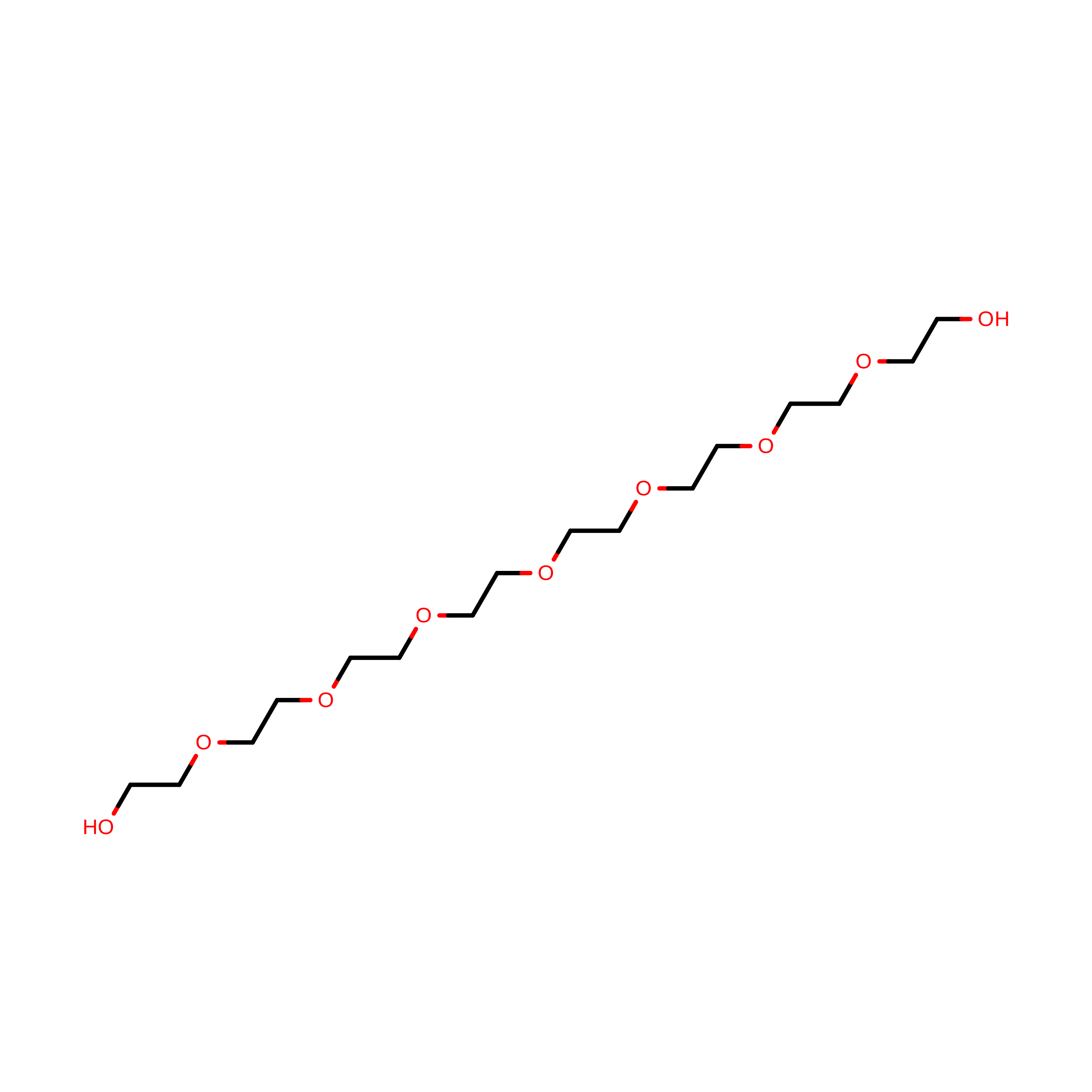
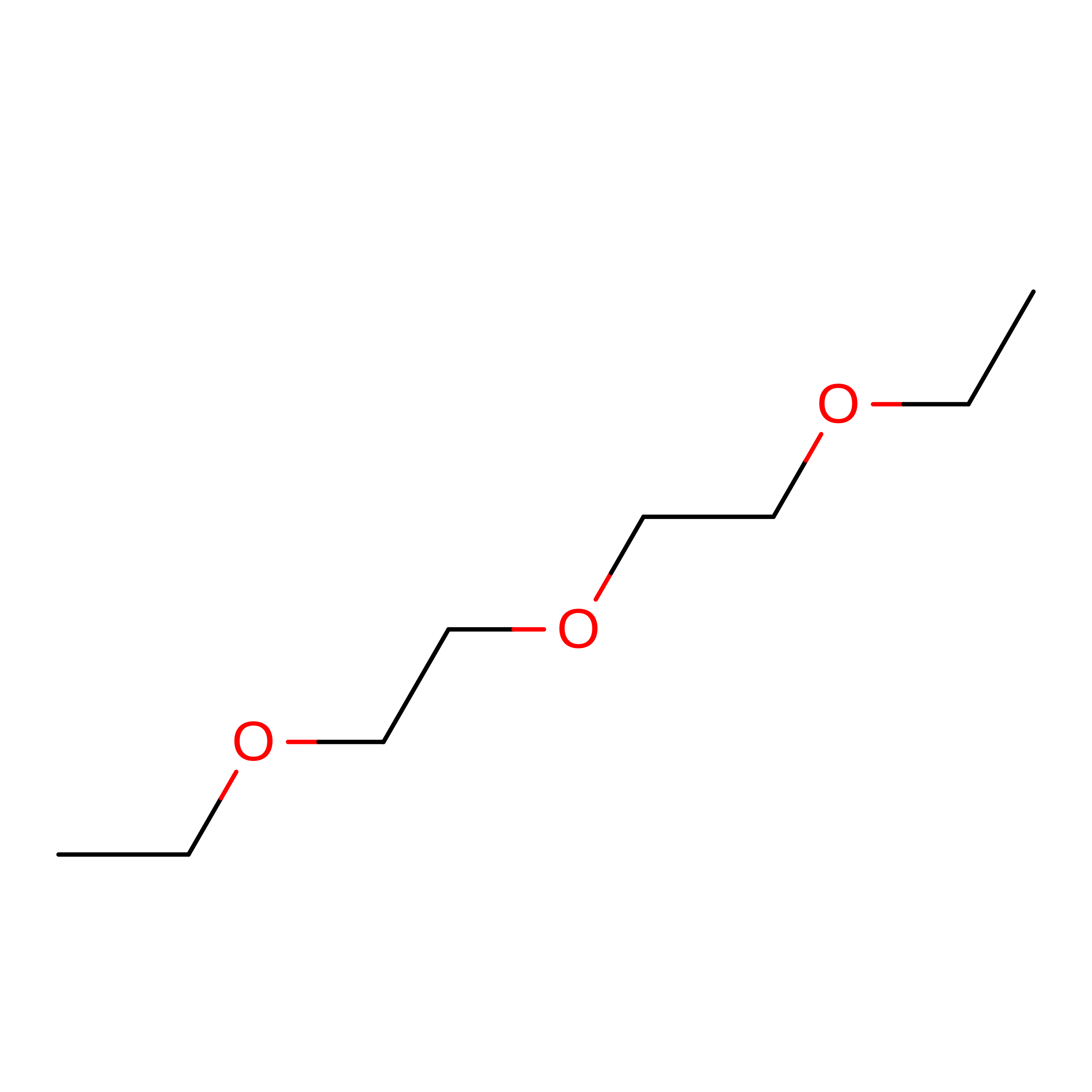
Z [auth D]3,6,9,12,15,18,21-HEPTAOXATRICOSANE-1,23-DIOL
C16 H34 O9
GLZWNFNQMJAZGY-UHFFFAOYSA-N
P4G

Query on P4G


Download:Ideal Coordinates CCD File
Q [auth C],
Y [auth D]
1-ETHOXY-2-(2-ETHOXYETHOXY)ETHANE
C8 H18 O3
RRQYJINTUHWNHW-UHFFFAOYSA-N
SO4

Query on SO4


Download:Ideal Coordinates CCD File
J [auth A],
K [auth A],
L [auth A],
X [auth D]
SULFATE ION
O4 S
QAOWNCQODCNURD-UHFFFAOYSA-L
GOL

Query on GOL


Download:Ideal Coordinates CCD File
EA [auth E]
I [auth A]
T [auth D]
U [auth D]
V [auth D]
EA [auth E],
I [auth A],
T [auth D],
U [auth D],
V [auth D],
W [auth D]
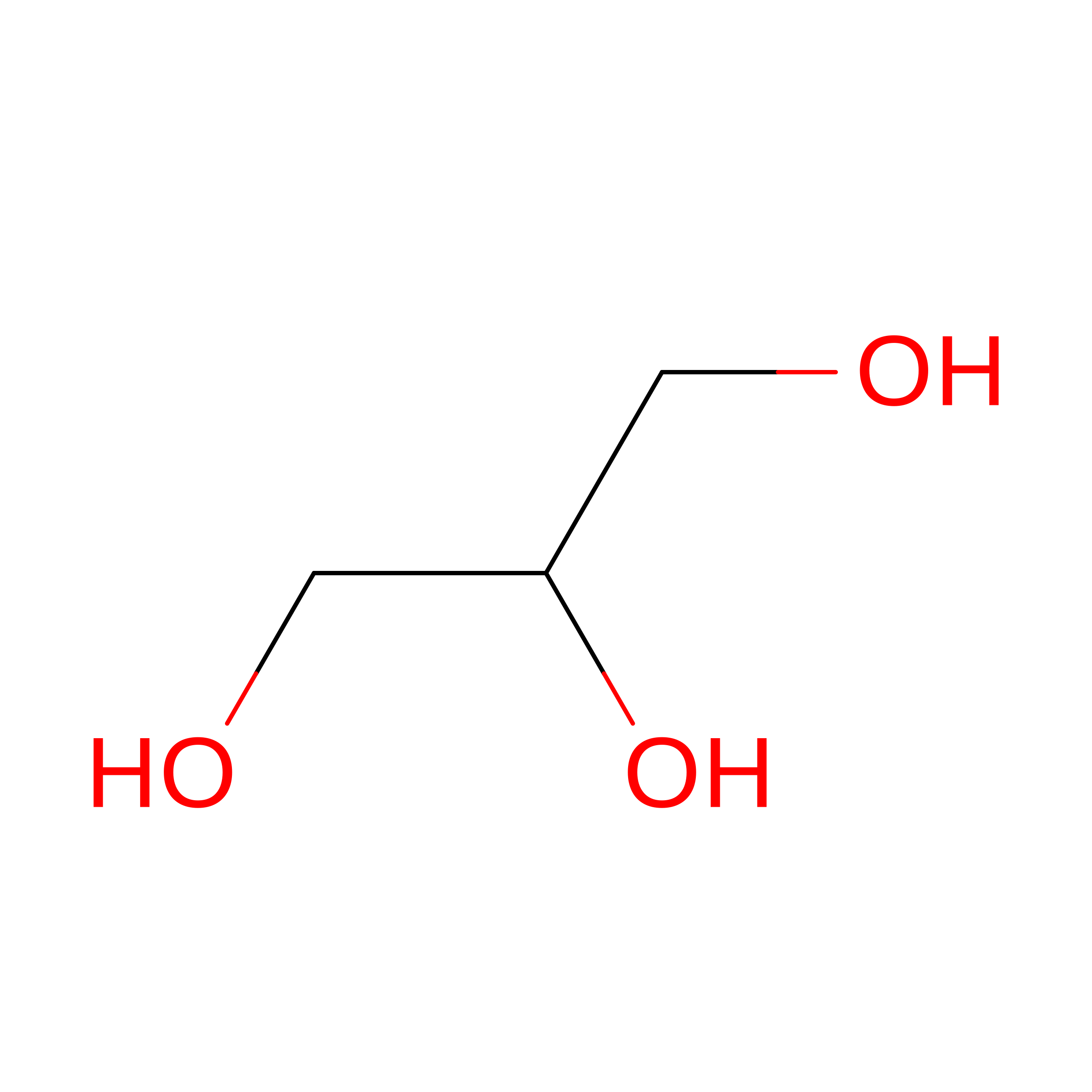
GLYCEROL
C3 H8 O3
PEDCQBHIVMGVHV-UHFFFAOYSA-N
EDO

Query on EDO


Download:Ideal Coordinates CCD File
BA [auth E]
CA [auth E]
DA [auth E]
G [auth A]
H [auth A]
BA [auth E],
CA [auth E],
DA [auth E],
G [auth A],
H [auth A],
N [auth B],
O [auth B],
P [auth C],
R [auth D],
S [auth D]
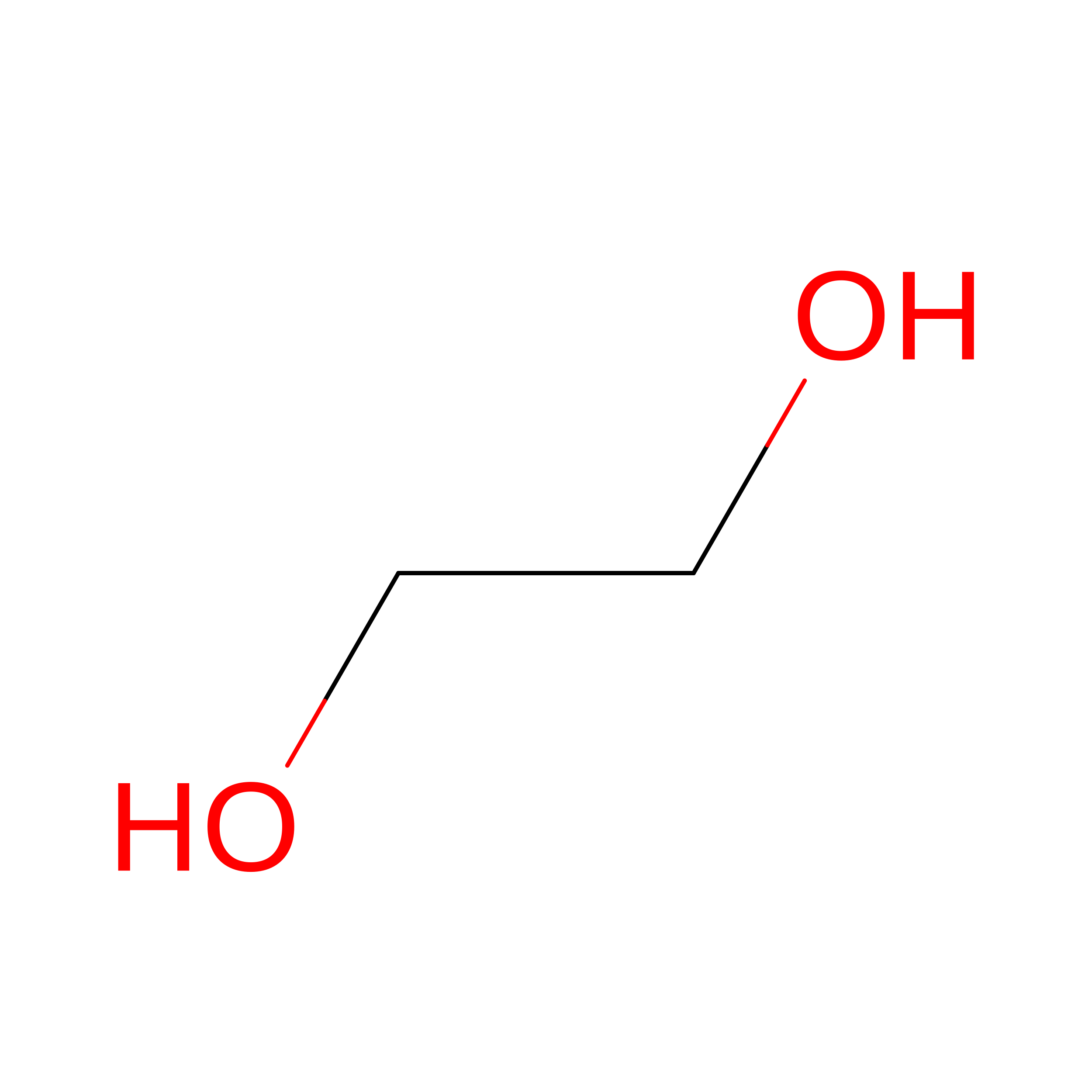
1,2-ETHANEDIOL
C2 H6 O2
LYCAIKOWRPUZTN-UHFFFAOYSA-N
CA

Query on CA


Download:Ideal Coordinates CCD File
AA [auth E]CALCIUM ION
Ca
BHPQYMZQTOCNFJ-UHFFFAOYSA-N
NA

Query on NA


Download:Ideal Coordinates CCD File
M [auth B]SODIUM ION
Na
FKNQFGJONOIPTF-UHFFFAOYSA-N

Experimental Data & Validation

Experimental Data

  • Method: X-RAY DIFFRACTION
  • Resolution: 2.01 Å
  • R-Value Free:  0.216 (Depositor), 0.222 (DCC) 
  • R-Value Work:  0.176 (Depositor), 0.185 (DCC) 
  • R-Value Observed: 0.178 (Depositor) 
Space Group: P 32 1 2
Unit Cell:
Length ( Å )Angle ( ˚ )
a = 85.19α = 90
b = 85.19β = 90
c = 232.55γ = 120
Software Package:
Software NamePurpose
XDSdata reduction
Aimlessdata scaling
PHASERphasing
REFMACrefinement
PDB_EXTRACTdata extraction

Structure Validation

View Full Validation Report


Ligand Structure Quality Assessment 


Entry History 

& Funding Information

Deposition Data


Funding OrganizationLocationGrant Number
Wellcome TrustUnited Kingdom509517

Revision History  (Full details and data files)

  • Version 1.0: 2021-06-30
    Type: Initial release
  • Version 1.1: 2021-08-11
    Changes: Database references
  • Version 1.2: 2021-09-29
    Changes: Data collection, Database references
  • Version 1.3: 2024-01-24
    Changes: Data collection, Refinement description
  • Version 1.4: 2024-11-13
    Changes: Structure summary