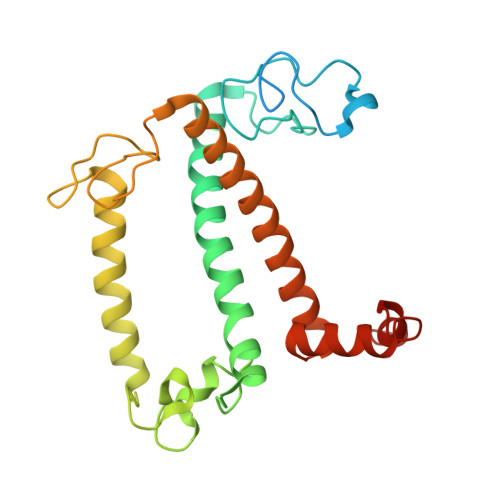
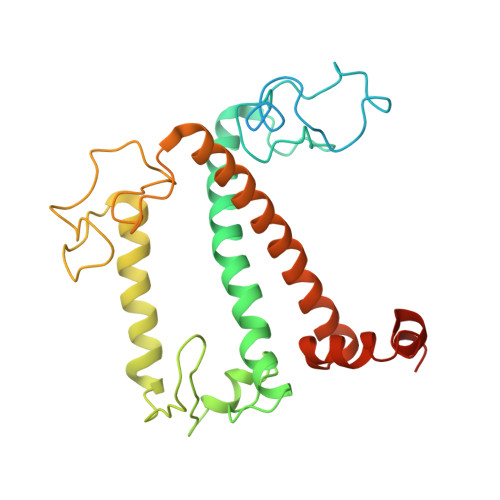
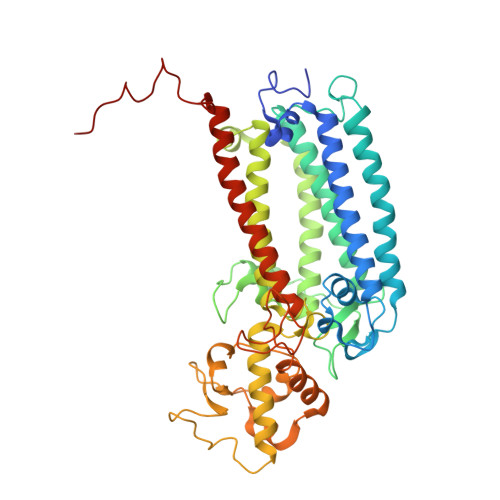
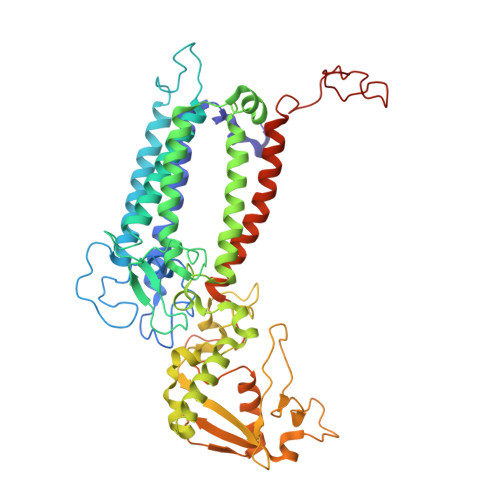
Find PDB structures and Computed Structure Models (CSM) by combining queries from tools in this suite: Attribute Search, Sequence Similarity, Sequence Motif, 3D Similarity, and 3D Motif with 'AND' logic.
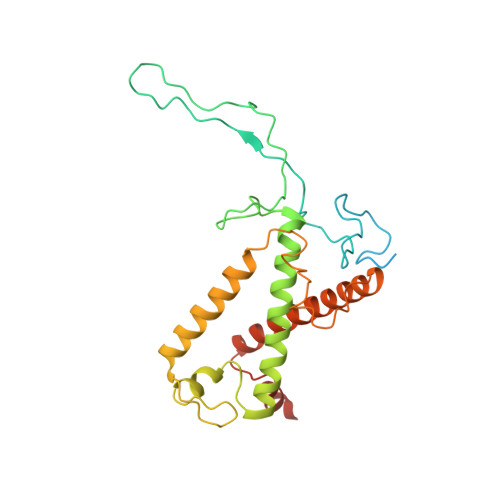
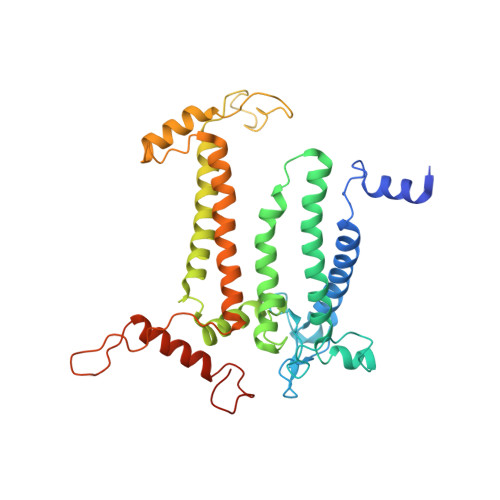
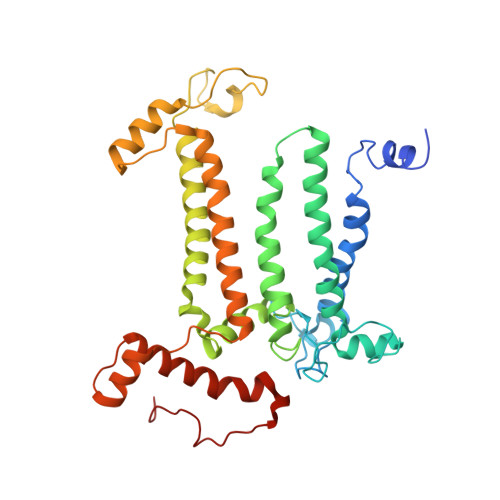
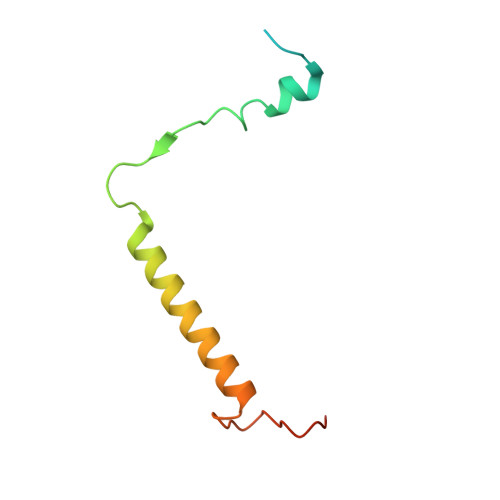
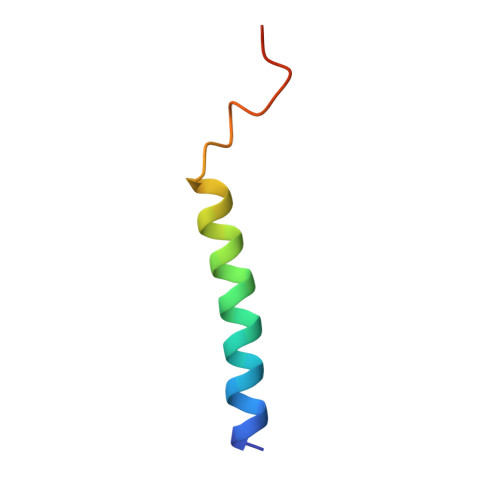
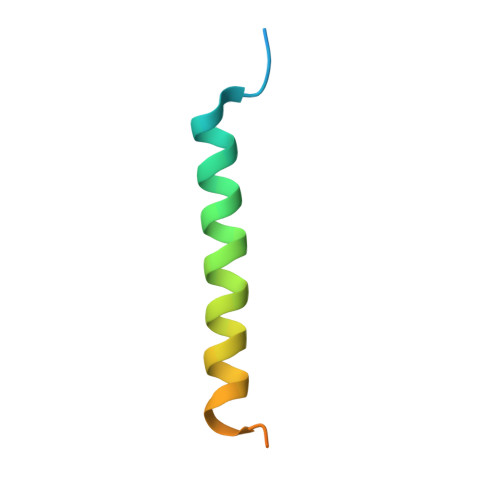
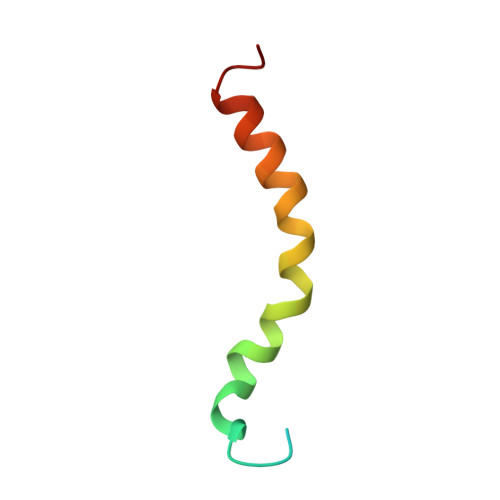
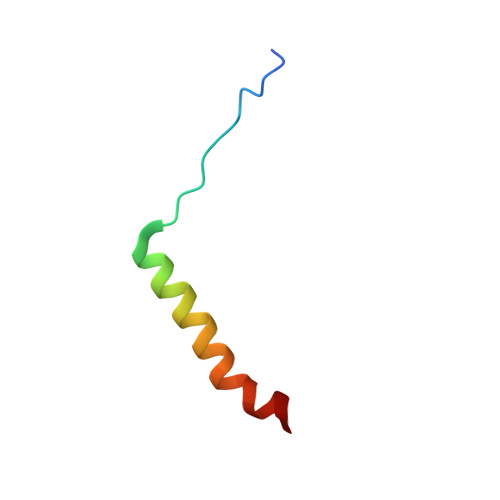
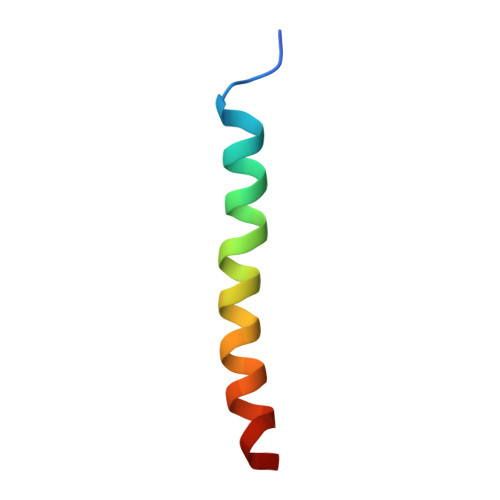
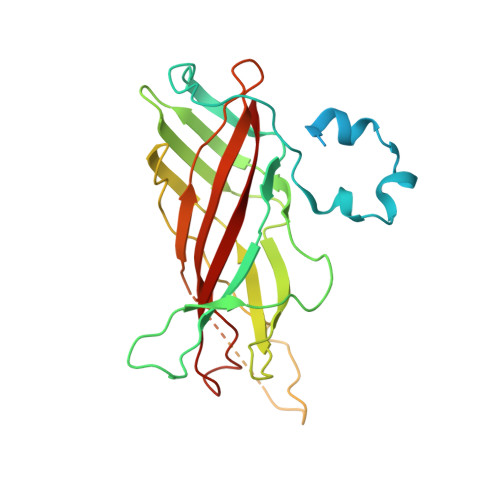
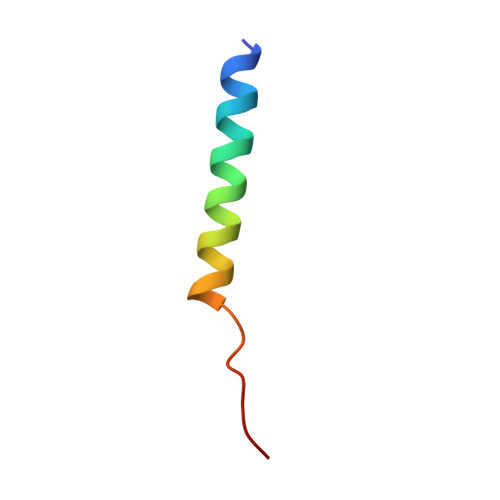
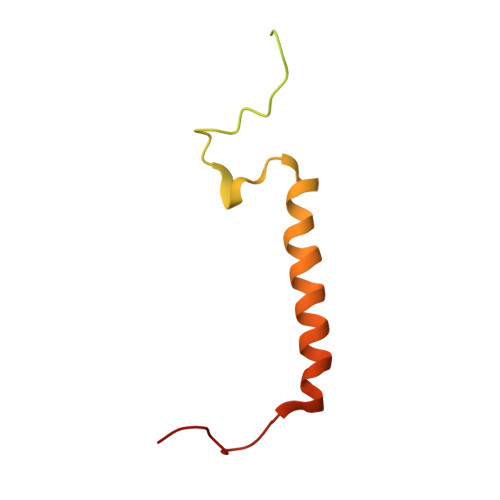
Photosystem II (PSII) in the thylakoid membranes of plants, algae, and cyanobacteria catalyzes light-induced oxidation of water by which light energy is converted to chemical energy and molecular oxygen is produced. In higher plants and most eukaryotic algae, the PSII core is surrounded by variable numbers of light-harvesting antenna complex II (LHCII), forming a PSII-LHCII supercomplex. In order to harvest energy efficiently at low-light-intensity conditions under water, a complete PSII-LHCII supercomplex (C 2 S 2 M 2 N 2 ) of the green alga Chlamydomonas reinhardtii (Cr) contains more antenna subunits and pigments than the dominant PSII-LHCII supercomplex (C 2 S 2 M 2 ) of plants. The detailed structure and energy transfer pathway of the Cr-PSII-LHCII remain unknown. Here we report a cryoelectron microscopy structure of a complete, C 2 S 2 M 2 N 2 -type PSII-LHCII supercomplex from C. reinhardtii at 3.37-Å resolution. The results show that the Cr-C 2 S 2 M 2 N 2 supercomplex is organized as a dimer, with 3 LHCII trimers, 1 CP26, and 1 CP29 peripheral antenna subunits surrounding each PSII core. The N-LHCII trimer partially occupies the position of CP24, which is present in the higher-plant PSII-LHCII but absent in the green alga. The M trimer is rotated relative to the corresponding M trimer in plant PSII-LHCII. In addition, some unique features were found in the green algal PSII core. The arrangement of a huge number of pigments allowed us to deduce possible energy transfer pathways from the peripheral antennae to the PSII core.
Organizational Affiliation:
Photosynthesis Research Center, Key Laboratory of Photobiology, Institute of Botany, Chinese Academy of Sciences, 100093 Beijing, China.
University of Chinese Academy of Sciences, 100049 Beijing, China.
Department of Biophysics, Zhejiang University School of Medicine, 310058 Hangzhou, Zhejiang, China.
Department of Pathology of Sir Run Run Shaw Hospital, Zhejiang University School of Medicine, 310058 Hangzhou, Zhejiang, China.
Center of Cryo Electron Microscopy, Zhejiang University School of Medicine, 310058 Hangzhou, Zhejiang, China.
Department of Cell Biology, Zhejiang University School of Medicine, 310058 Hangzhou, Zhejiang, China.
Photosynthesis Research Center, Key Laboratory of Photobiology, Institute of Botany, Chinese Academy of Sciences, 100093 Beijing, China; hanguangye@ibcas.ac.cn shen@cc.okayama-u.ac.jp xzhang1999@zju.edu.cn.
Institute for Interdisciplinary Science, Okayama University, 700-8530 Okayama, Japan.
Graduate School of Natural Science and Technology, Okayama University, 700-8530 Okayama, Japan.
Department of Biophysics, Zhejiang University School of Medicine, 310058 Hangzhou, Zhejiang, China; hanguangye@ibcas.ac.cn shen@cc.okayama-u.ac.jp xzhang1999@zju.edu.cn.

 Download Mendeley