4IPZ | pdb_00004ipz

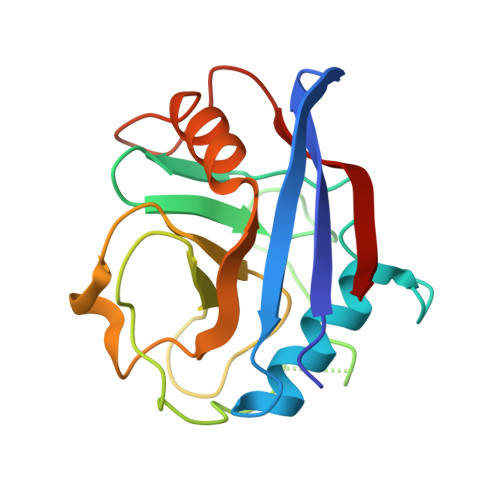
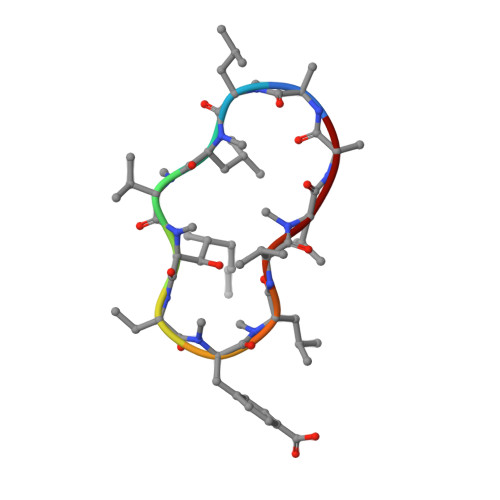
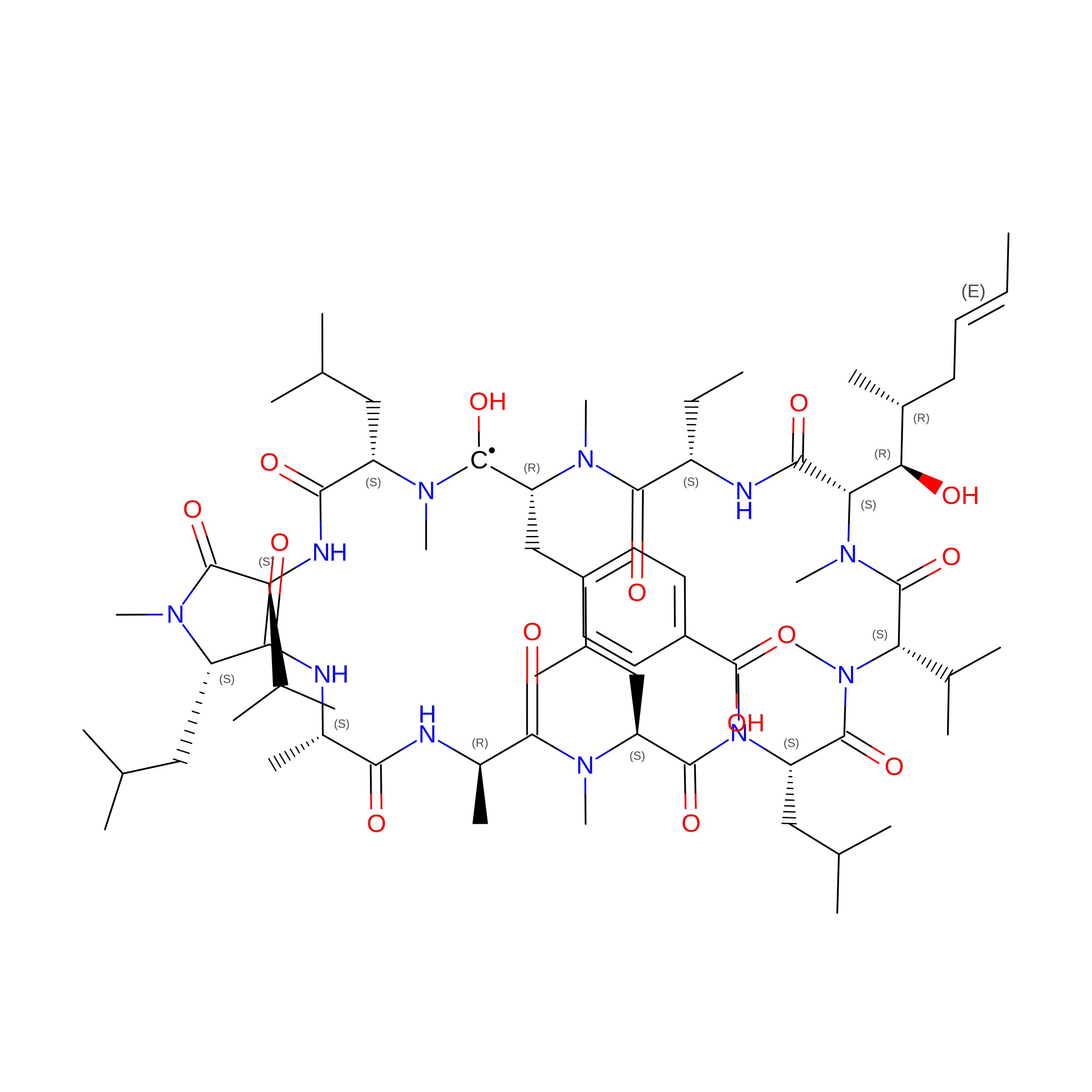
SmBz bound to Cyclophilin A


Experimental Data Snapshot

  • Method: X-RAY DIFFRACTION
  • Resolution: 1.67 Å
  • R-Value Free: 
    0.218 (Depositor), 0.217 (DCC) 
  • R-Value Work: 
    0.172 (Depositor), 0.180 (DCC) 
  • R-Value Observed: 
    0.174 (Depositor) 

Starting Model: experimental
View more details

wwPDB Validation 3D Report Full Report

Validation slider image for 4IPZ

This is version 3.0 of the entry. See complete history

Literature

HIV-1 evades innate immune recognition through specific cofactor recruitment.

Rasaiyaah, J.Tan, C.P.Fletcher, A.J.Price, A.J.Blondeau, C.Hilditch, L.Jacques, D.A.Selwood, D.L.James, L.C.Noursadeghi, M.Towers, G.J.

(2013) Nature 503: 402-405

  • DOI: https://doi.org/10.1038/nature12769
  • Primary Citation Related Structures: 
    4IPZ

  • PubMed Abstract: 

    Human immunodeficiency virus (HIV)-1 is able to replicate in primary human macrophages without stimulating innate immunity despite reverse transcription of genomic RNA into double-stranded DNA, an activity that might be expected to trigger innate pattern recognition receptors. We reasoned that if correctly orchestrated HIV-1 uncoating and nuclear entry is important for evasion of innate sensors then manipulation of specific interactions between HIV-1 capsid and host factors that putatively regulate these processes should trigger pattern recognition receptors and stimulate type 1 interferon (IFN) secretion. Here we show that HIV-1 capsid mutants N74D and P90A, which are impaired for interaction with cofactors cleavage and polyadenylation specificity factor subunit 6 (CPSF6) and cyclophilins (Nup358 and CypA), respectively, cannot replicate in primary human monocyte-derived macrophages because they trigger innate sensors leading to nuclear translocation of NF-κB and IRF3, the production of soluble type 1 IFN and induction of an antiviral state. Depletion of CPSF6 with short hairpin RNA expression allows wild-type virus to trigger innate sensors and IFN production. In each case, suppressed replication is rescued by IFN-receptor blockade, demonstrating a role for IFN in restriction. IFN production is dependent on viral reverse transcription but not integration, indicating that a viral reverse transcription product comprises the HIV-1 pathogen-associated molecular pattern. Finally, we show that we can pharmacologically induce wild-type HIV-1 infection to stimulate IFN secretion and an antiviral state using a non-immunosuppressive cyclosporine analogue. We conclude that HIV-1 has evolved to use CPSF6 and cyclophilins to cloak its replication, allowing evasion of innate immune sensors and induction of a cell-autonomous innate immune response in primary human macrophages.


  • Organizational Affiliation
    • University College London, Medical Research Council Centre for Medical Molecular Virology, Division of Infection and Immunity, University College London, 90 Gower St, London WC1E 6BT, United Kingdom.

Macromolecule Content 

  • Total Structure Weight: 19.46 kDa 
  • Atom Count: 1,531 
  • Modeled Residue Count: 174 
  • Deposited Residue Count: 176 
  • Unique protein chains: 2

Macromolecules

Find similar proteins by:|  3D Structure
Entity ID: 1
MoleculeChains  Sequence LengthOrganismDetailsImage
Peptidyl-prolyl cis-trans isomerase A165Homo sapiensMutation(s): 0 
Gene Names: PPIACYPA
EC: 5.2.1.8
UniProt & NIH Common Fund Data Resources
Find proteins for P62937 (Homo sapiens)
Explore P62937 
Go to UniProtKB:  P62937
PHAROS:  P62937
GTEx:  ENSG00000196262 
Entity Groups
Sequence Clusters30% Identity50% Identity70% Identity90% Identity95% Identity100% Identity
UniProt GroupP62937
Sequence Annotations
Expand
Reference Sequence
Find similar proteins by:  Sequence   |   3D Structure  
Entity ID: 2
MoleculeChains  Sequence LengthOrganismDetailsImage
cyclosporine SmBz-CsA11Tolypocladium inflatumMutation(s): 1 

Small Molecules

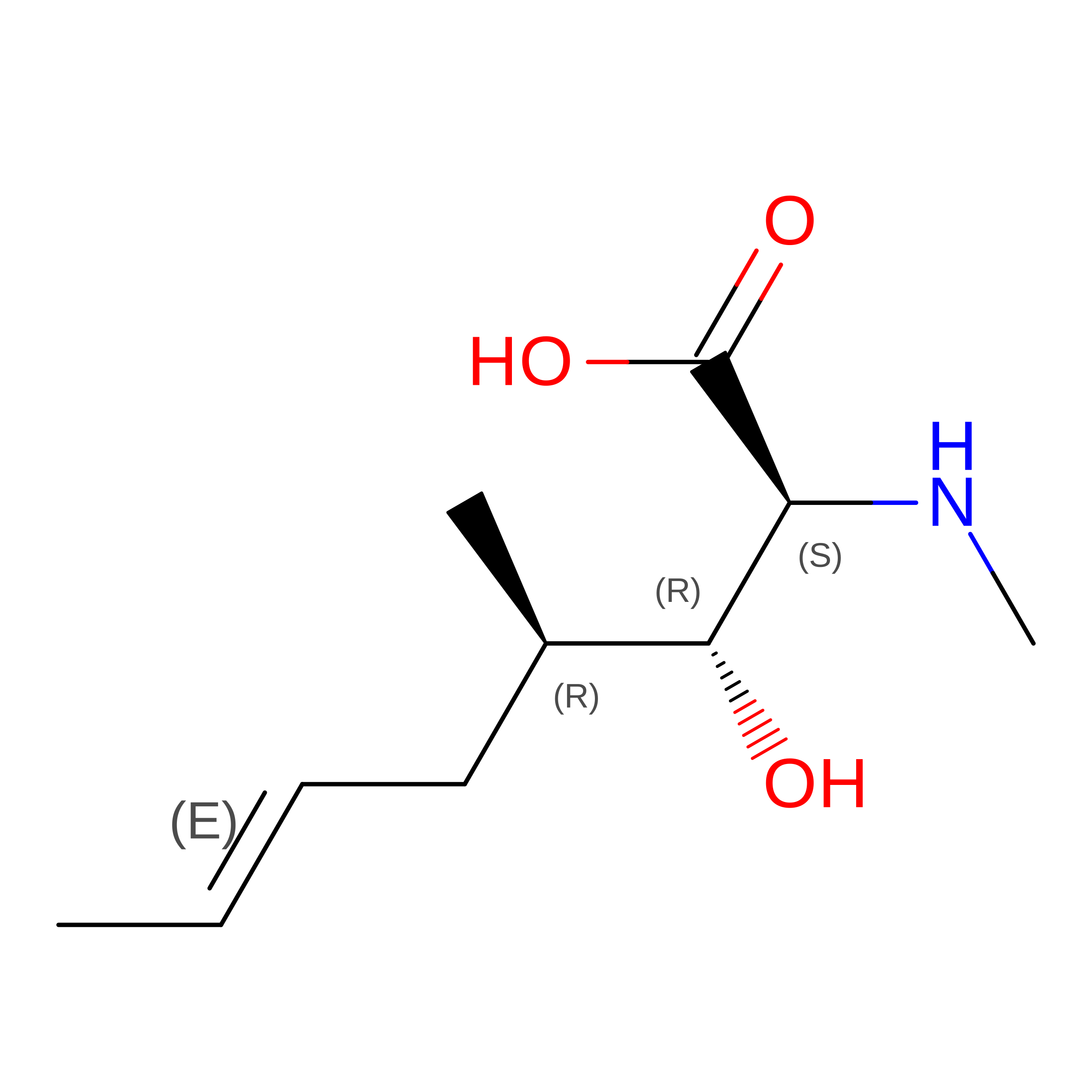
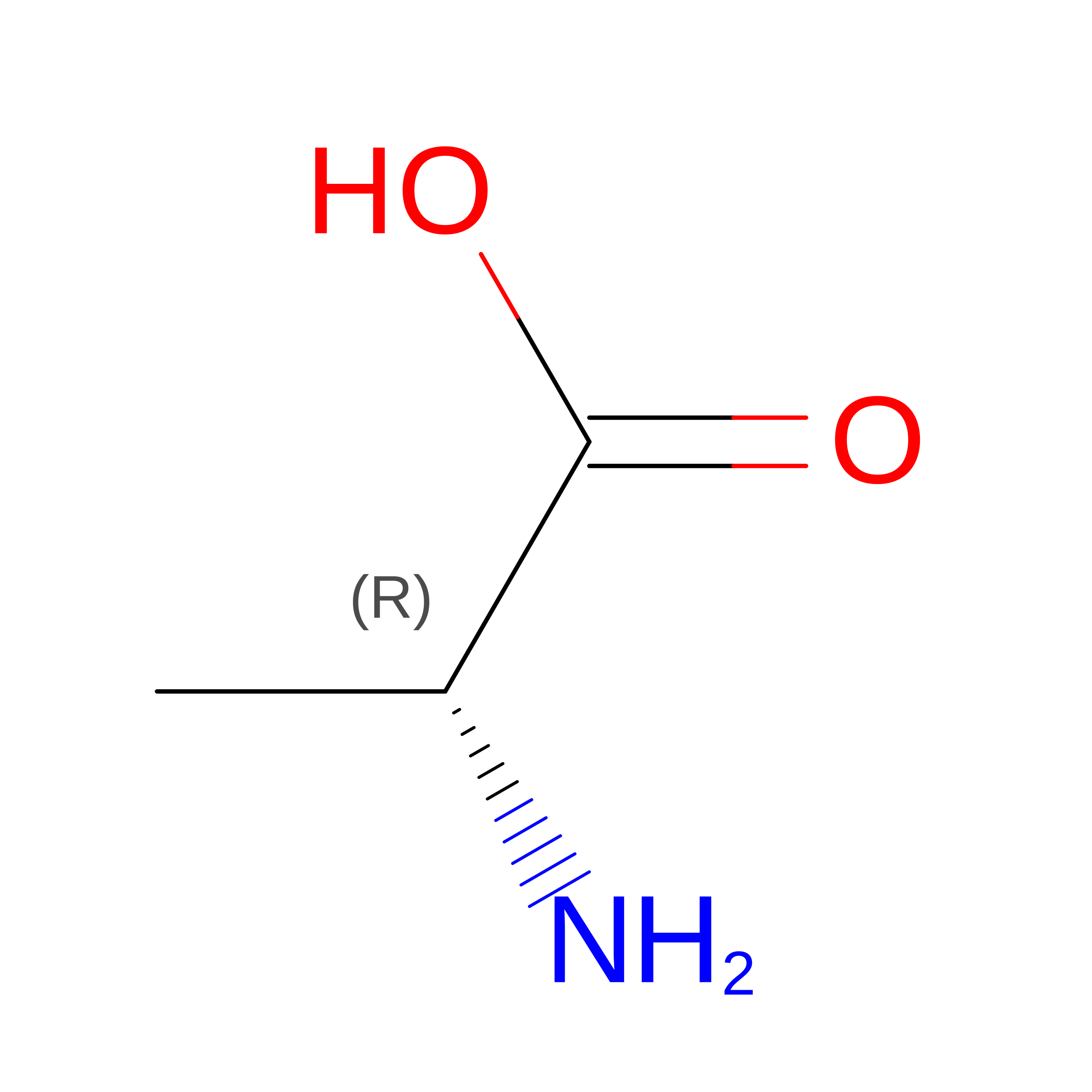
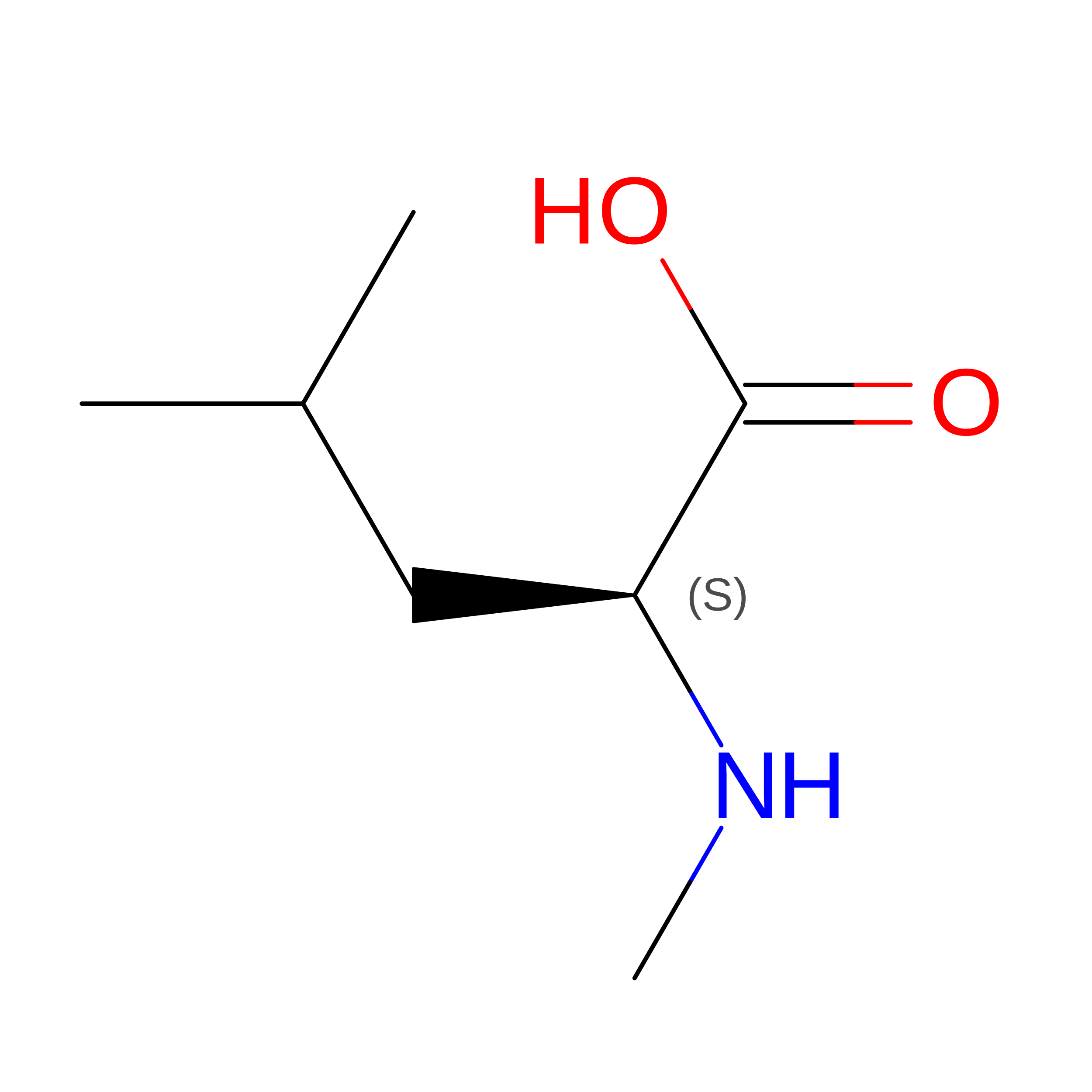
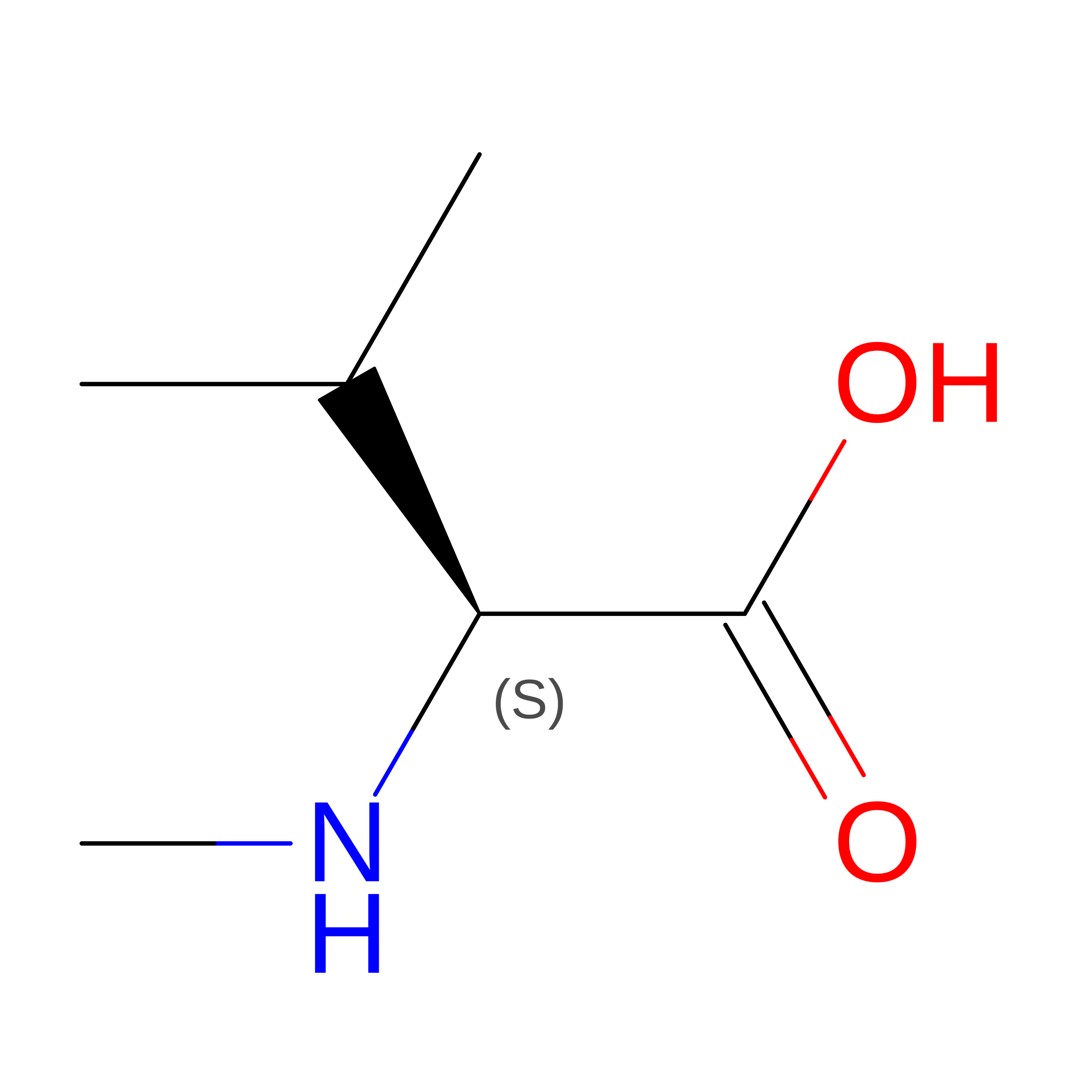
Modified Residues  4 Unique
IDChains TypeFormula2D DiagramParent
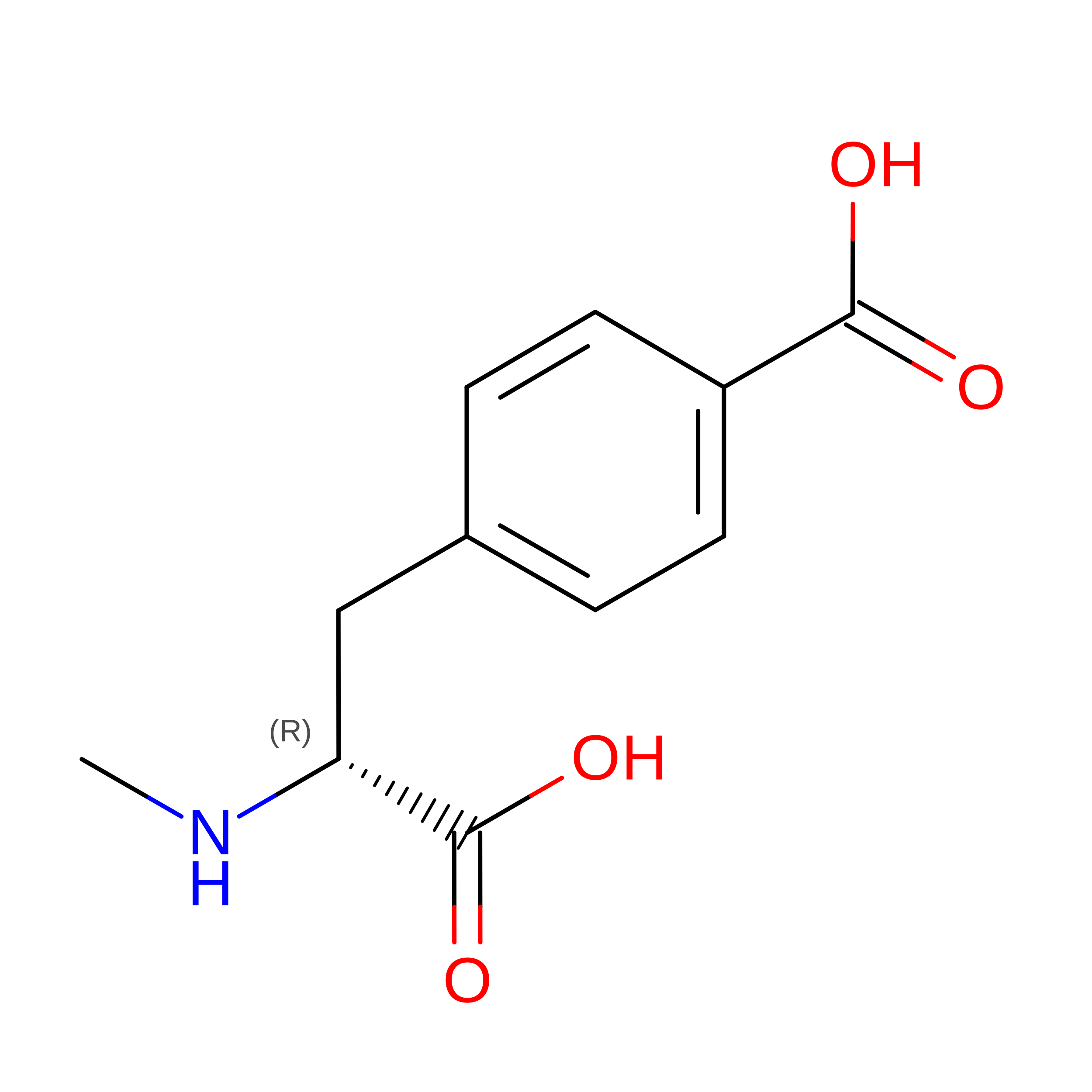
1JM
Query on 1JM
B
D-PEPTIDE LINKINGC11 H13 N O4

--

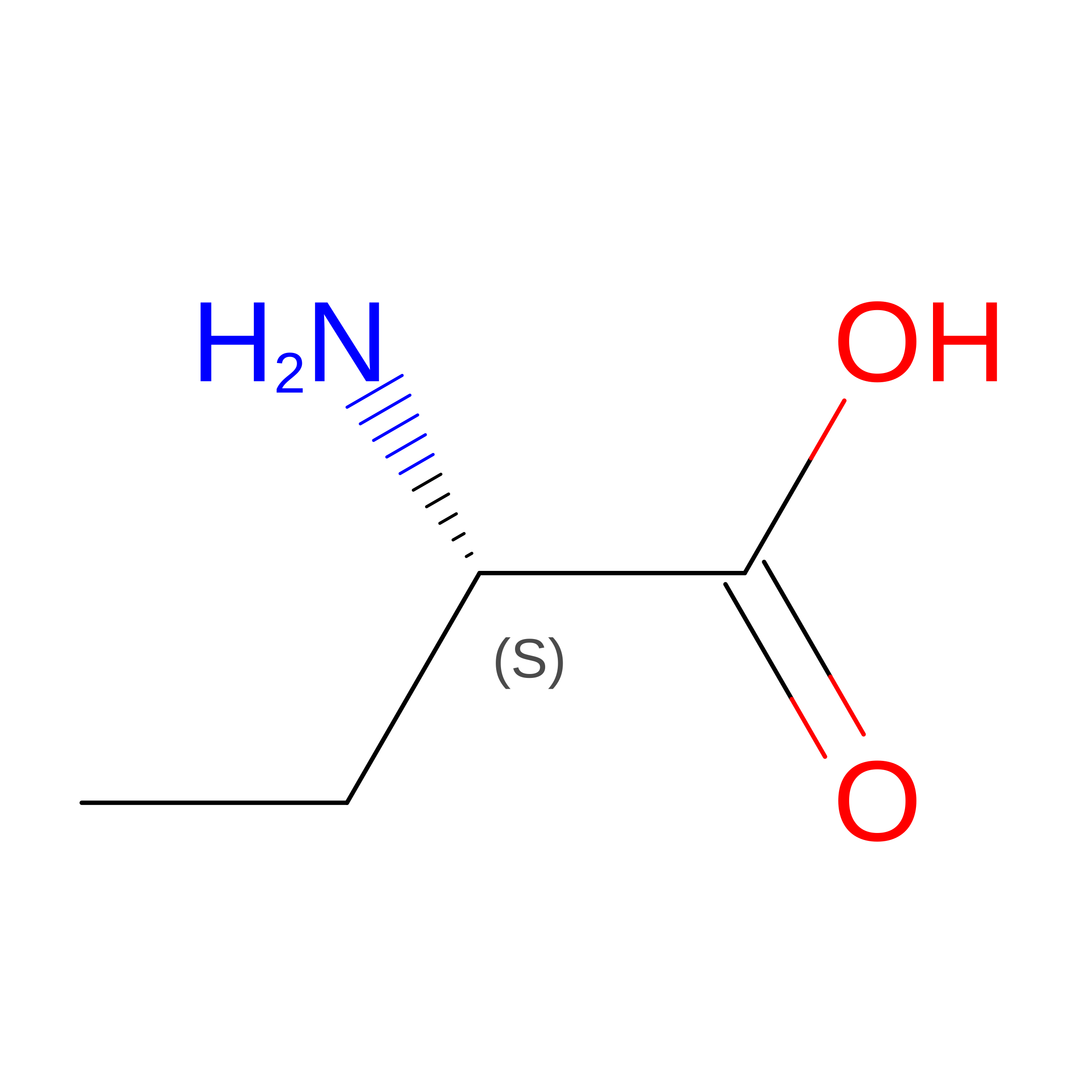
ABA
Query on ABA
B
L-PEPTIDE LINKINGC4 H9 N O2ALA
BMT
Query on BMT
B
L-PEPTIDE LINKINGC10 H19 N O3THR
DAL
Query on DAL
B
D-PEPTIDE LINKINGC3 H7 N O2

--

MLE
Query on MLE
B
L-PEPTIDE LINKINGC7 H15 N O2LEU
MVA
Query on MVA
B
L-PEPTIDE LINKINGC6 H13 N O2VAL

Biologically Interesting Molecules (External Reference) 

1 Unique

Experimental Data & Validation

Experimental Data

  • Method: X-RAY DIFFRACTION
  • Resolution: 1.67 Å
  • R-Value Free:  0.218 (Depositor), 0.217 (DCC) 
  • R-Value Work:  0.172 (Depositor), 0.180 (DCC) 
  • R-Value Observed: 0.174 (Depositor) 
Space Group: I 2 2 2
Unit Cell:
Length ( Å )Angle ( ˚ )
a = 54.18α = 90
b = 64.6β = 90
c = 80.07γ = 90
Software Package:
Software NamePurpose
MOSFLMdata reduction
SCALAdata scaling
PHASERphasing
REFMACrefinement
PDB_EXTRACTdata extraction
MAR345dtbdata collection

Structure Validation

View Full Validation Report


Entry History 

Deposition Data

Revision History  (Full details and data files)

  • Version 1.0: 2013-11-06
    Type: Initial release
  • Version 1.1: 2013-12-04
    Changes: Database references
  • Version 1.2: 2018-08-29
    Changes: Data collection, Source and taxonomy, Structure summary
  • Version 1.3: 2023-09-20
    Changes: Data collection, Database references, Derived calculations, Refinement description
  • Version 2.0: 2023-11-15
    Changes: Atomic model, Data collection, Derived calculations
  • Version 3.0: 2024-05-08
    Changes: Atomic model