3C3G | pdb_00003c3g

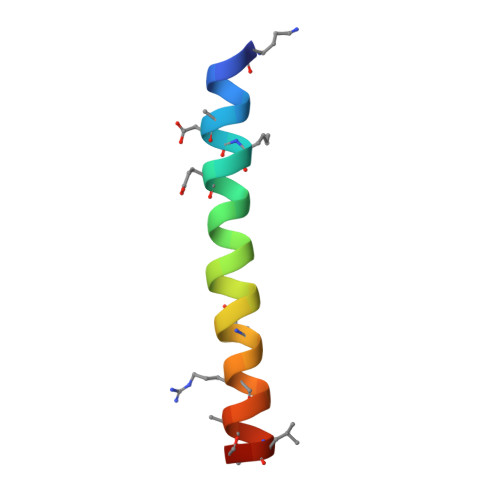
alpha/beta-Peptide helix bundles: The GCN4-pLI side chain sequence on an (alpha-alpha-beta) backbone


Experimental Data Snapshot

  • Method: X-RAY DIFFRACTION
  • Resolution: 1.80 Å
  • R-Value Free: 
    0.244 (Depositor), 0.232 (DCC) 
  • R-Value Work: 
    0.208 (Depositor), 0.207 (DCC) 
  • R-Value Observed: 
    0.209 (Depositor) 

wwPDB Validation 3D Report Full Report

Validation slider image for 3C3G

This is version 2.1 of the entry. See complete history

Literature

Interplay among side chain sequence, backbone composition, and residue rigidification in polypeptide folding and assembly.

Horne, W.S.Price, J.L.Gellman, S.H.

(2008) Proc Natl Acad Sci U S A 105: 9151-9156

  • DOI: https://doi.org/10.1073/pnas.0801135105
  • Primary Citation Related Structures: 
    3C3F, 3C3G, 3C3H

  • PubMed Abstract: 

    The extent to which polypeptide conformation depends on side-chain composition and sequence has been widely studied, but less is known about the importance of maintaining an alpha-amino acid backbone. Here, we examine a series of peptides with backbones that feature different repeating patterns of alpha- and beta-amino acid residues but an invariant side-chain sequence. In the pure alpha-backbone, this sequence corresponds to the previously studied peptide GCN4-pLI, which forms a very stable four-helix bundle quaternary structure. Physical characterization in solution and crystallographic structure determination show that a variety of alpha/beta-peptide backbones can adopt sequence-encoded quaternary structures similar to that of the alpha prototype. There is a loss in helix bundle stability upon beta-residue incorporation; however, stability of the quaternary structure is not a simple function of beta-residue content. We find that cyclically constrained beta-amino acid residues can stabilize the folds of alpha/beta-peptide GCN4-pLI analogues and restore quaternary structure formation to backbones that are predominantly unfolded in the absence of cyclic residues. Our results show a surprising degree of plasticity in terms of the backbone compositions that can manifest the structural information encoded in a sequence of amino acid side chains. These findings offer a framework for the design of nonnatural oligomers that mimic the structural and functional properties of proteins.


  • Organizational Affiliation
    • Department of Chemistry, University of Wisconsin, Madison, WI 53706, USA.

Macromolecule Content 

  • Total Structure Weight: 4.29 kDa 
  • Atom Count: 312 
  • Modeled Residue Count: 31 
  • Deposited Residue Count: 33 
  • Unique protein chains: 1

Macromolecules

Find similar proteins by:|  3D Structure
Entity ID: 1
MoleculeChains  Sequence LengthOrganismDetailsImage
alpha/beta peptide with the GCN4-pLI side chain sequence on an (alpha-alpha-beta) backbone33N/AMutation(s): 0 

Small Molecules

Ligands 1 Unique
IDChains Name / Formula / InChI Key2D Diagram3D Interactions
GOL

Query on GOL


Download:Ideal Coordinates CCD File
B [auth A]GLYCEROL
C3 H8 O3
PEDCQBHIVMGVHV-UHFFFAOYSA-N
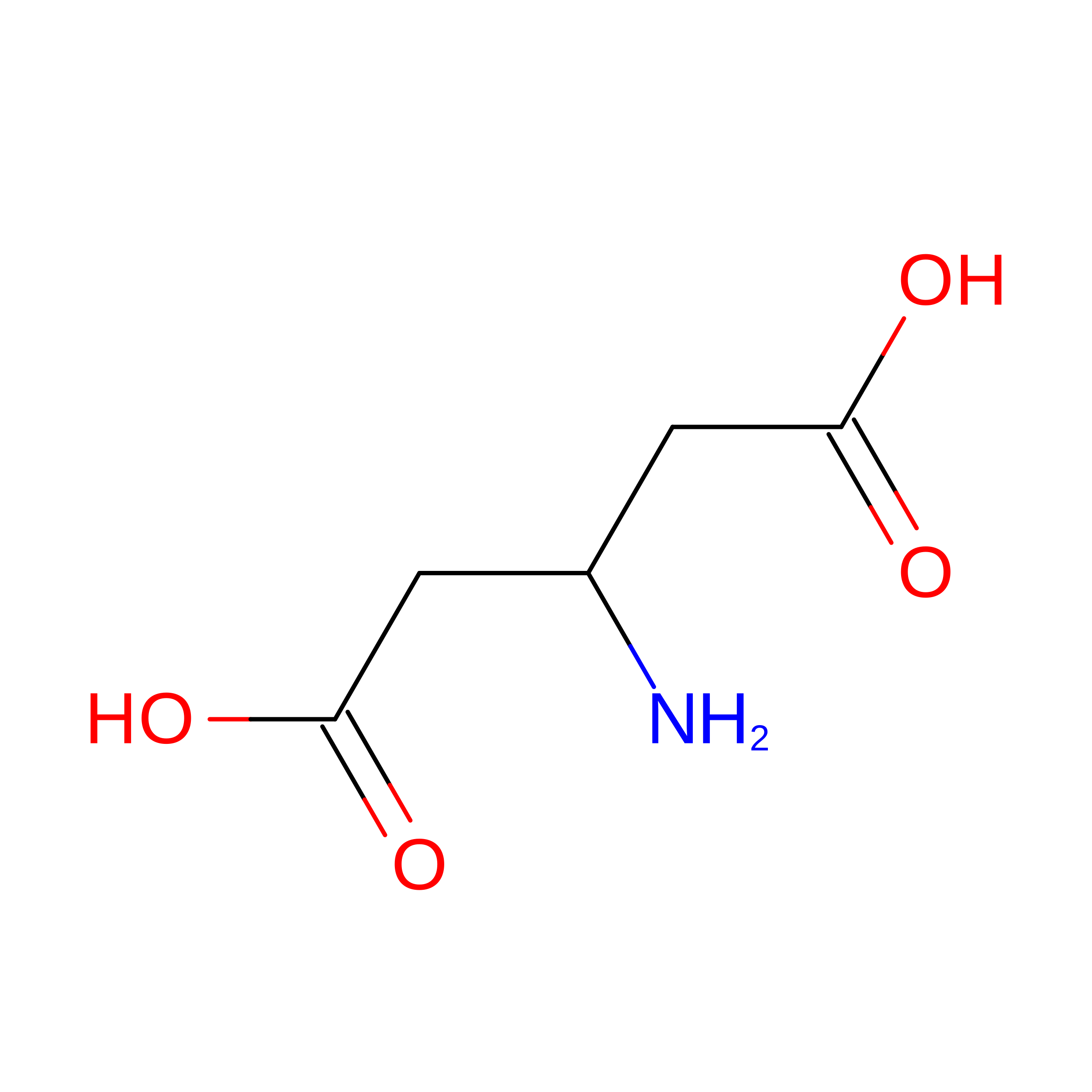
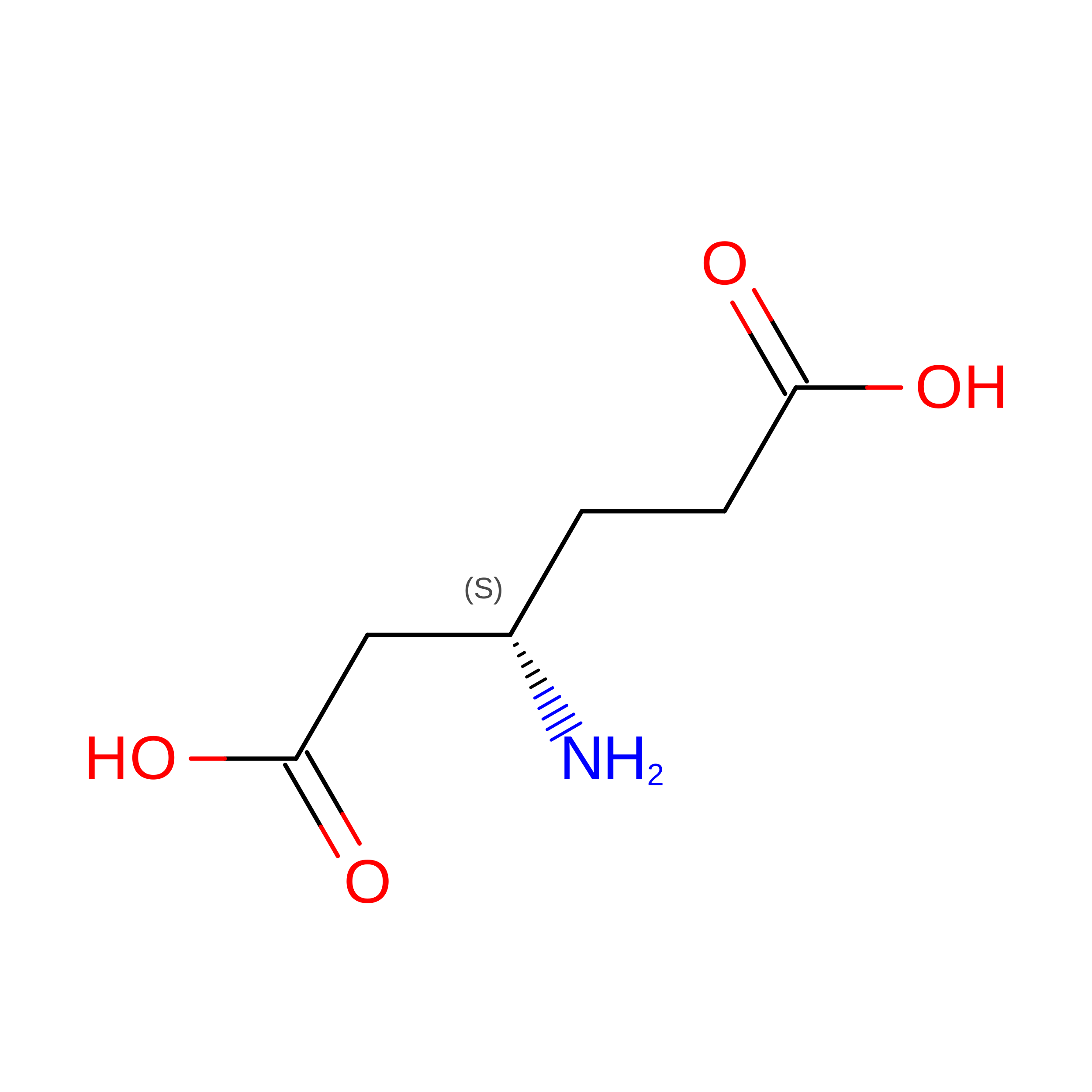
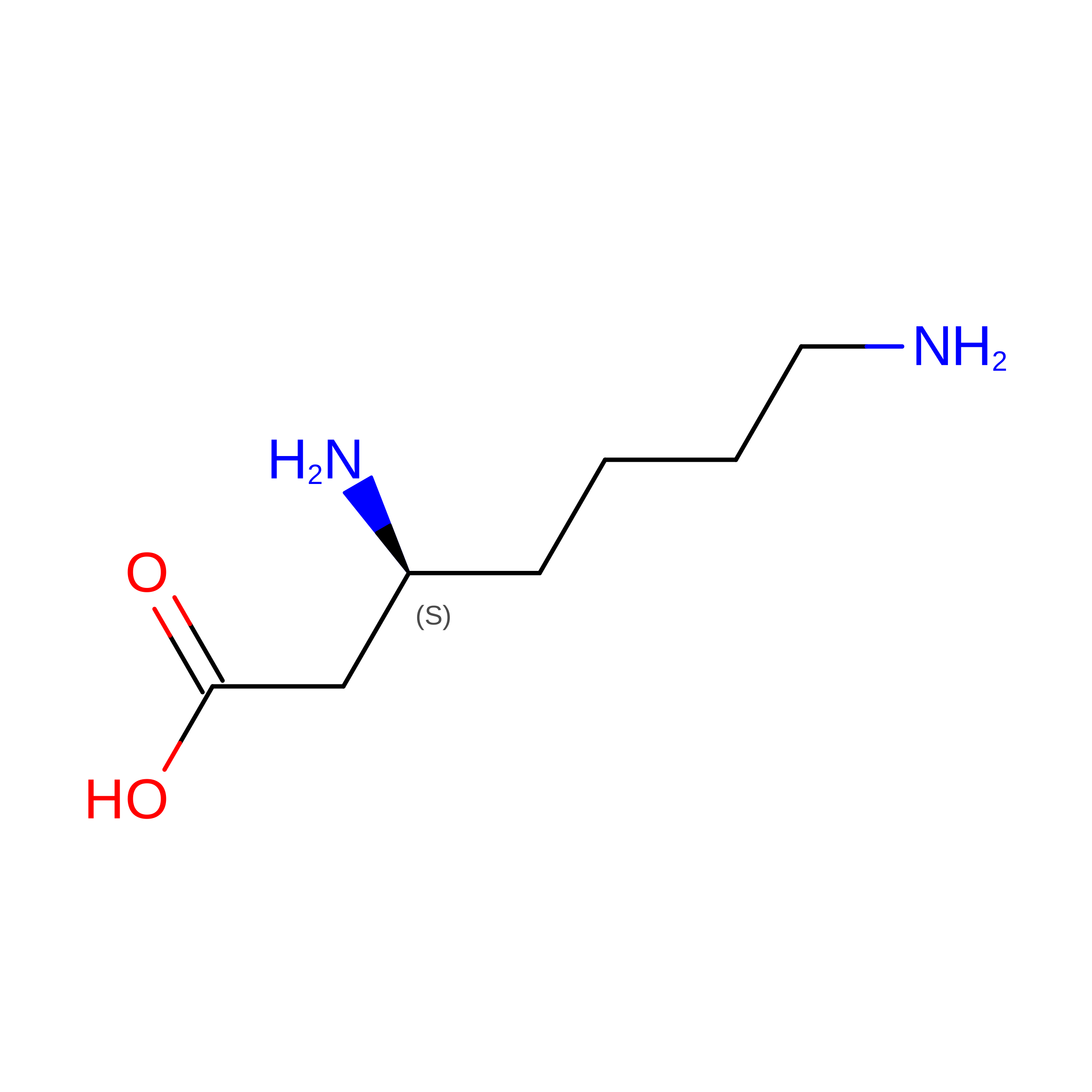
Modified Residues  4 Unique
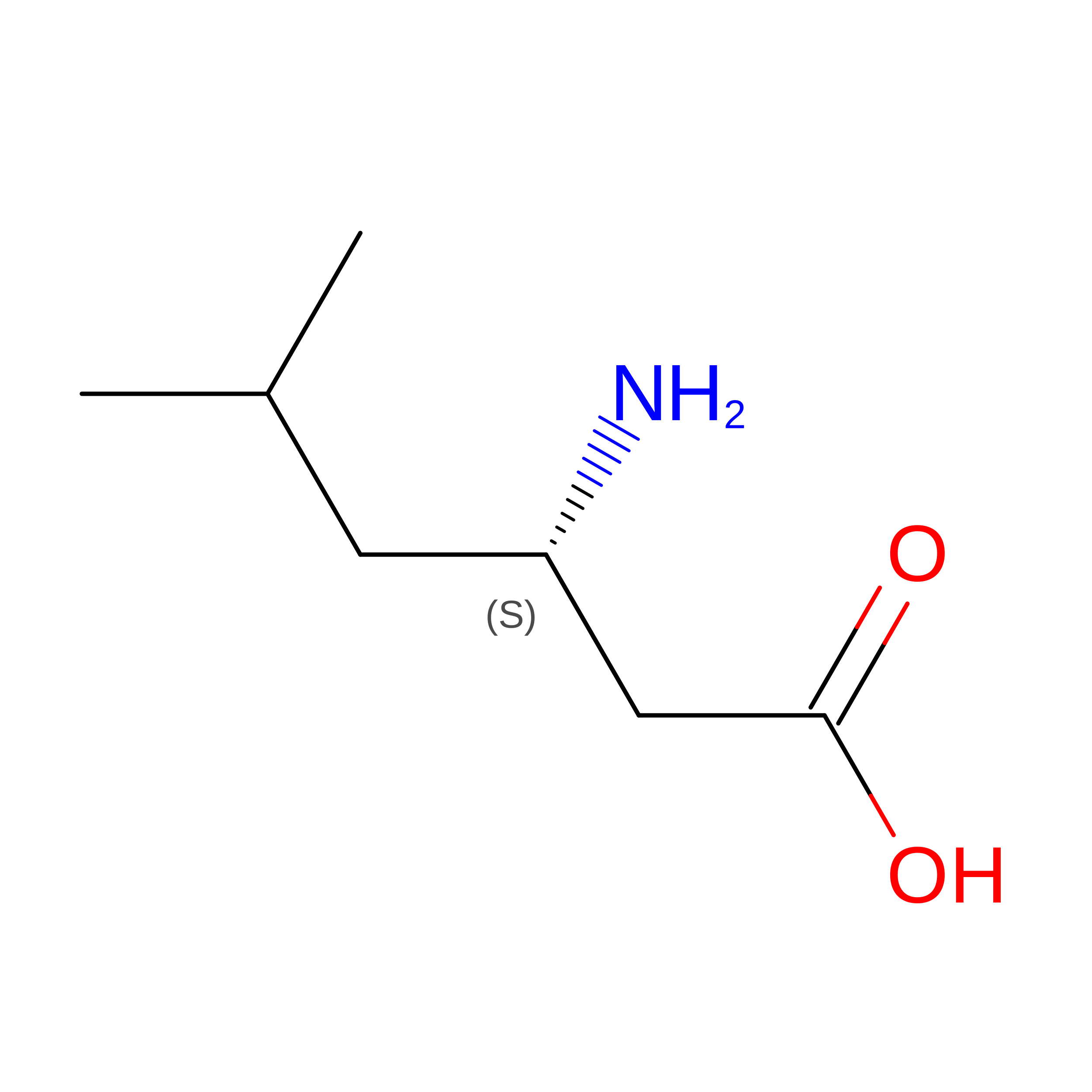
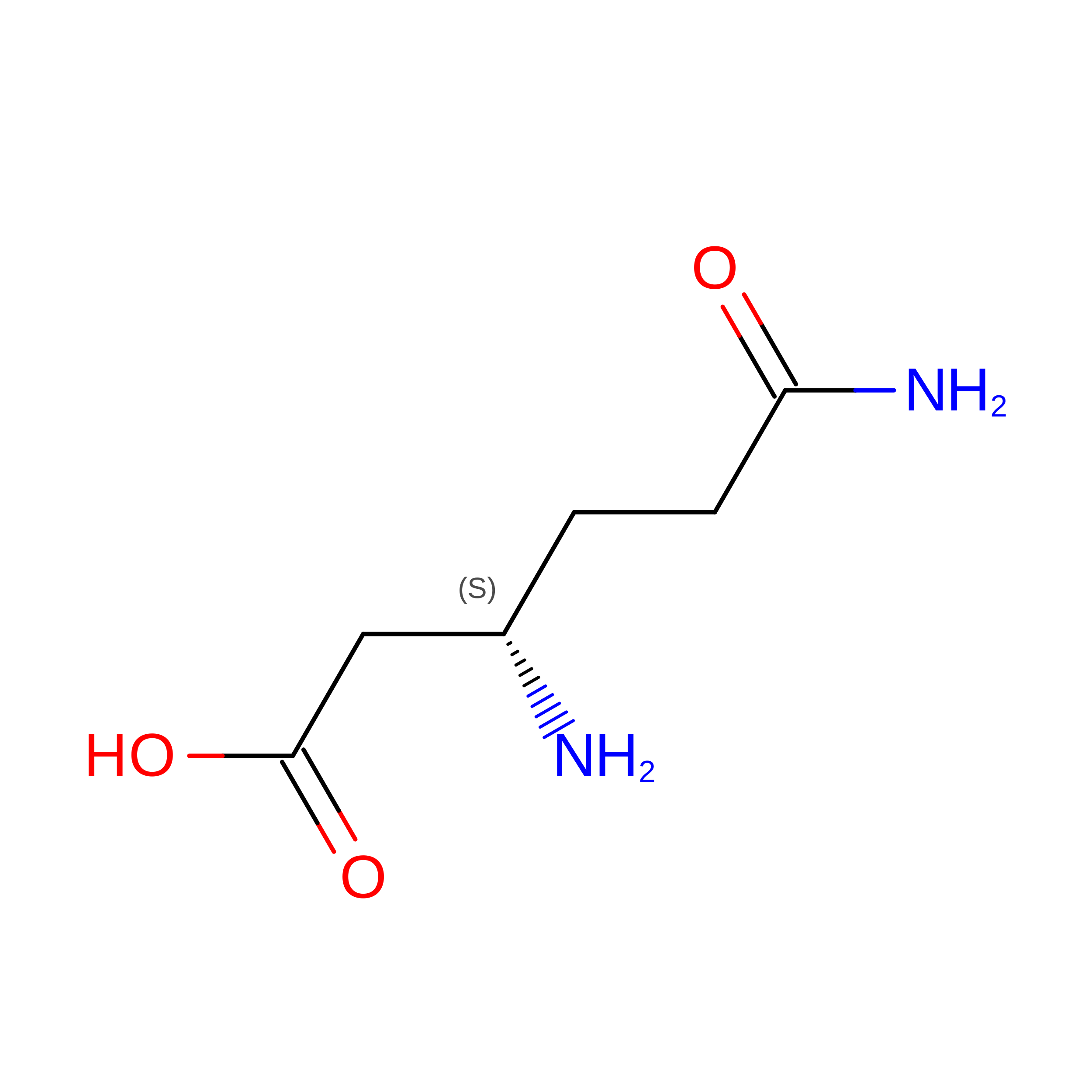
IDChains TypeFormula2D DiagramParent
B3D
Query on B3D
A
L-PEPTIDE LINKINGC5 H9 N O4ASP
B3E
Query on B3E
A
L-PEPTIDE LINKINGC6 H11 N O4GLU
B3K
Query on B3K
A
L-PEPTIDE LINKINGC7 H16 N2 O2LYS
B3L
Query on B3L
A
L-PEPTIDE LINKINGC7 H15 N O2

--

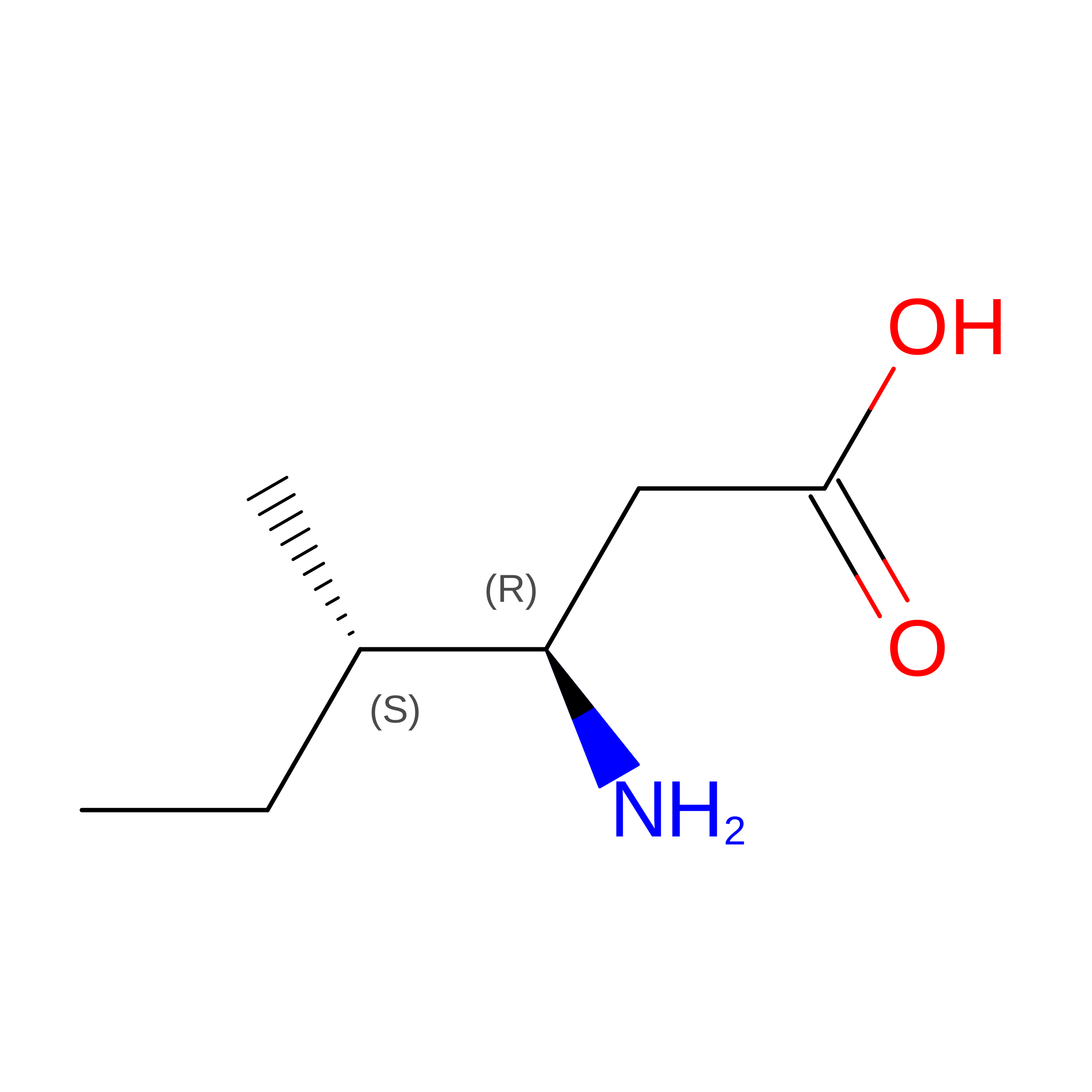
B3Q
Query on B3Q
A
L-PEPTIDE LINKINGC6 H12 N2 O3

--

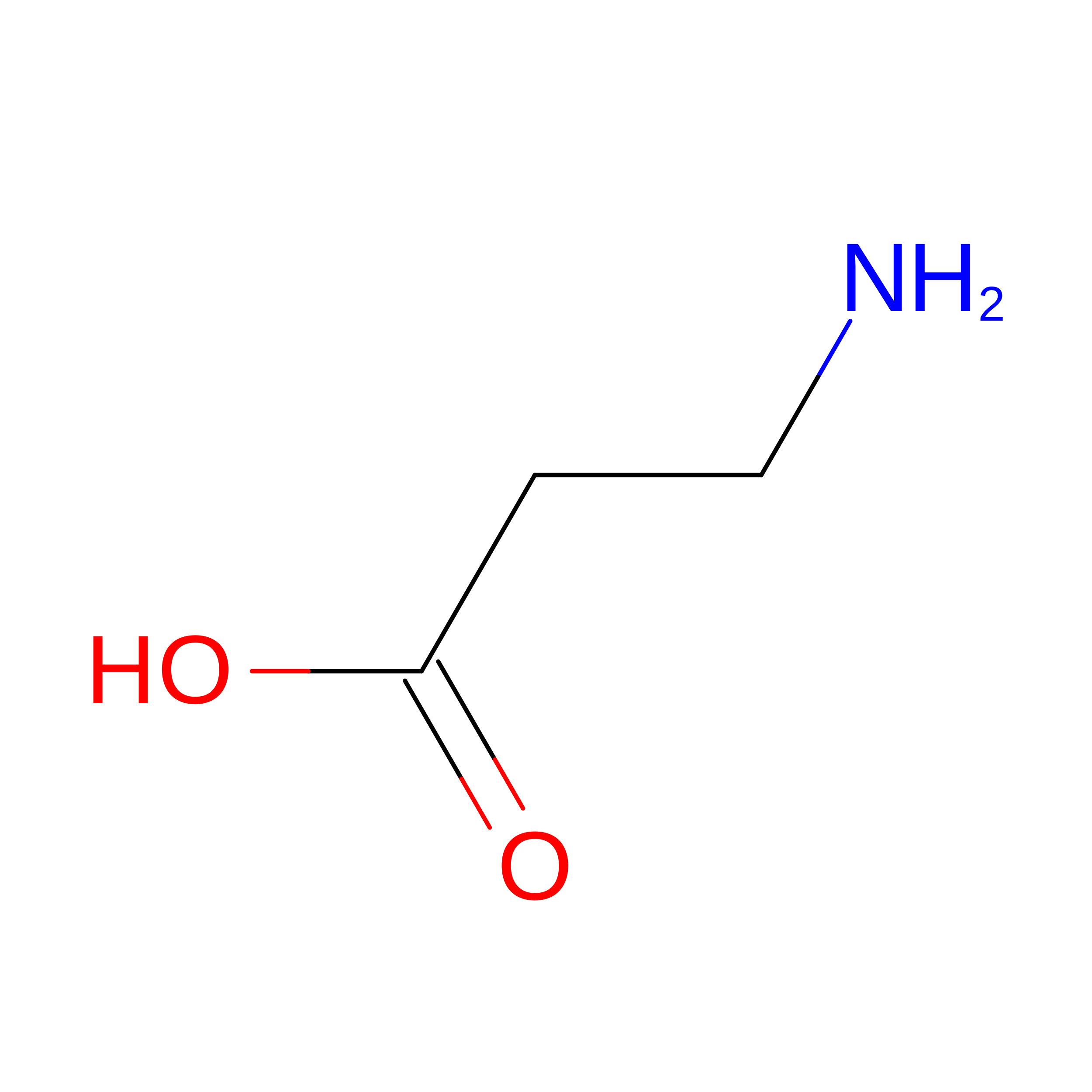
BAL
Query on BAL
A
PEPTIDE-LIKEC3 H7 N O2

--

BIL
Query on BIL
A
L-PEPTIDE LINKINGC7 H15 N O2

--

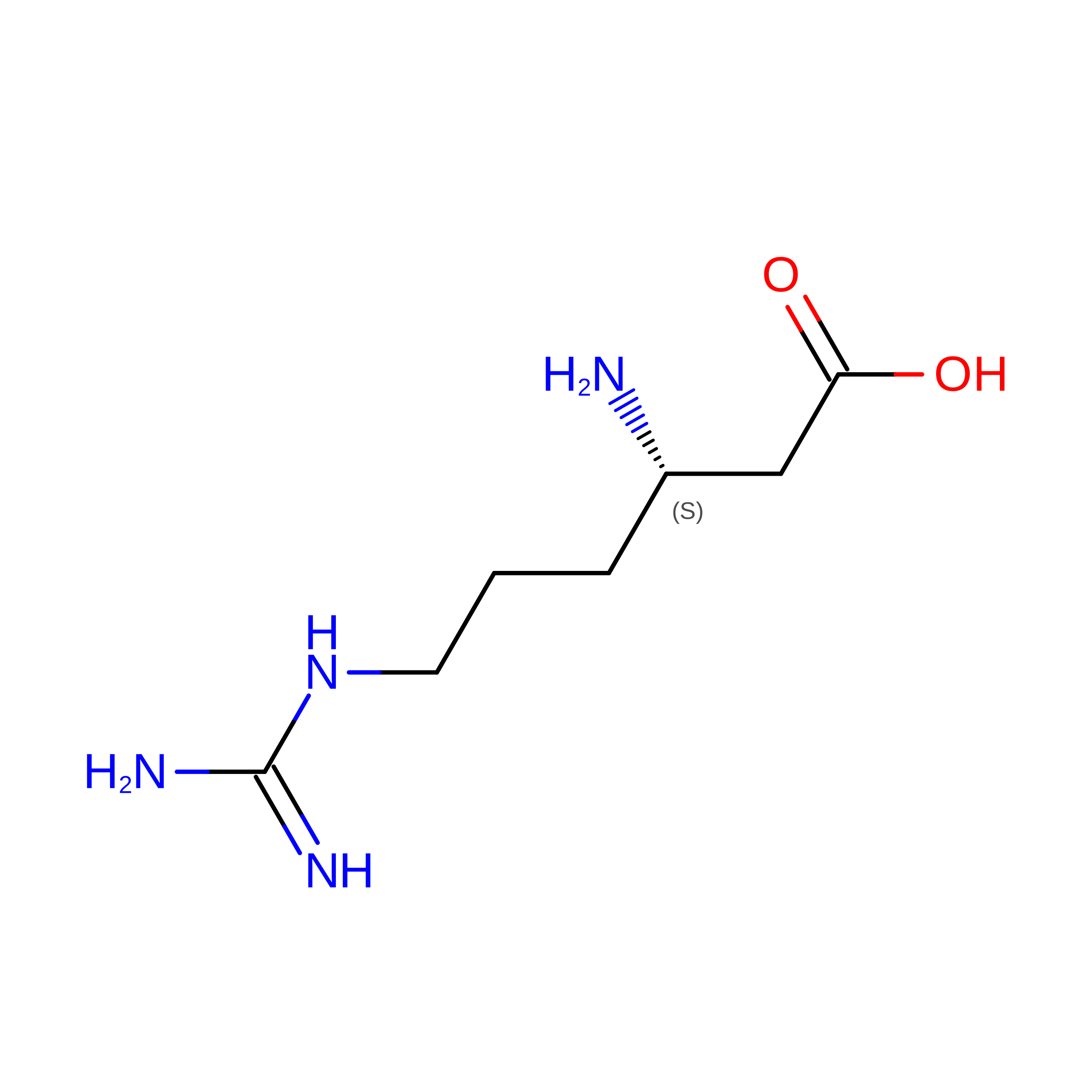
HMR
Query on HMR
A
L-PEPTIDE LINKINGC7 H16 N4 O2ARG

Experimental Data & Validation

Experimental Data

  • Method: X-RAY DIFFRACTION
  • Resolution: 1.80 Å
  • R-Value Free:  0.244 (Depositor), 0.232 (DCC) 
  • R-Value Work:  0.208 (Depositor), 0.207 (DCC) 
  • R-Value Observed: 0.209 (Depositor) 
Space Group: P 4 21 2
Unit Cell:
Length ( Å )Angle ( ˚ )
a = 38.414α = 90
b = 38.414β = 90
c = 46.494γ = 90
Software Package:
Software NamePurpose
REFMACrefinement
PROTEUM PLUSdata collection
PROTEUM PLUSdata reduction
PROTEUM PLUSdata scaling
PHASERphasing

Structure Validation

View Full Validation Report


Entry History 

Deposition Data

Revision History  (Full details and data files)

  • Version 1.0: 2008-06-17
    Type: Initial release
  • Version 1.1: 2011-07-13
    Changes: Atomic model, Version format compliance
  • Version 2.0: 2023-11-15
    Changes: Atomic model, Data collection, Database references, Derived calculations
  • Version 2.1: 2024-07-10
    Changes: Data collection