2KTO | pdb_00002kto

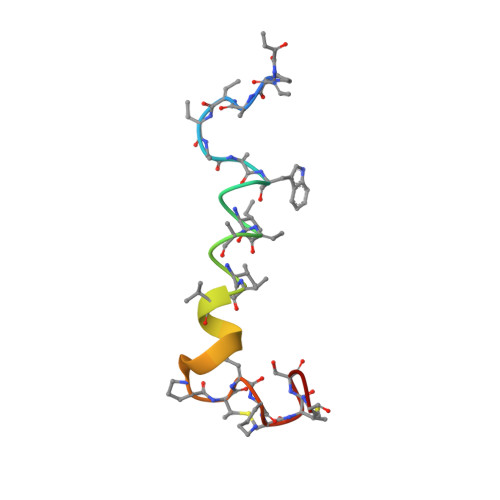
Spatial structure of Lch-beta peptide from two-component lantibiotic Lichenicidin VK21


Experimental Data Snapshot

  • Method: SOLUTION NMR
  • Conformers Calculated: 200 
  • Conformers Submitted: 20 
  • Selection Criteria: target function 

wwPDB Validation 3D Report Full Report

Validation slider image for 2KTO

This is version 3.0 of the entry. See complete history

Literature

Isolation, Structure Elucidation, and Synergistic Antibacterial Activity of a Novel Two-Component Lantibiotic Lichenicidin from Bacillus Licheniformis Vk21.

Shenkarev, Z.O.Finkina, E.I.Nurmukhamedova, E.K.Balandin, S.V.Mineev, K.S.Nadezhdin, K.D.Yakimenko, Z.A.Tagaev, A.A.Temirov, Y.V.Arseniev, A.S.Ovchinnikova, T.V.

(2010) Biochemistry 49: 6462

  • DOI: https://doi.org/10.1021/bi100871b
  • Primary Citation Related Structures: 
    2KTO

  • PubMed Abstract: 

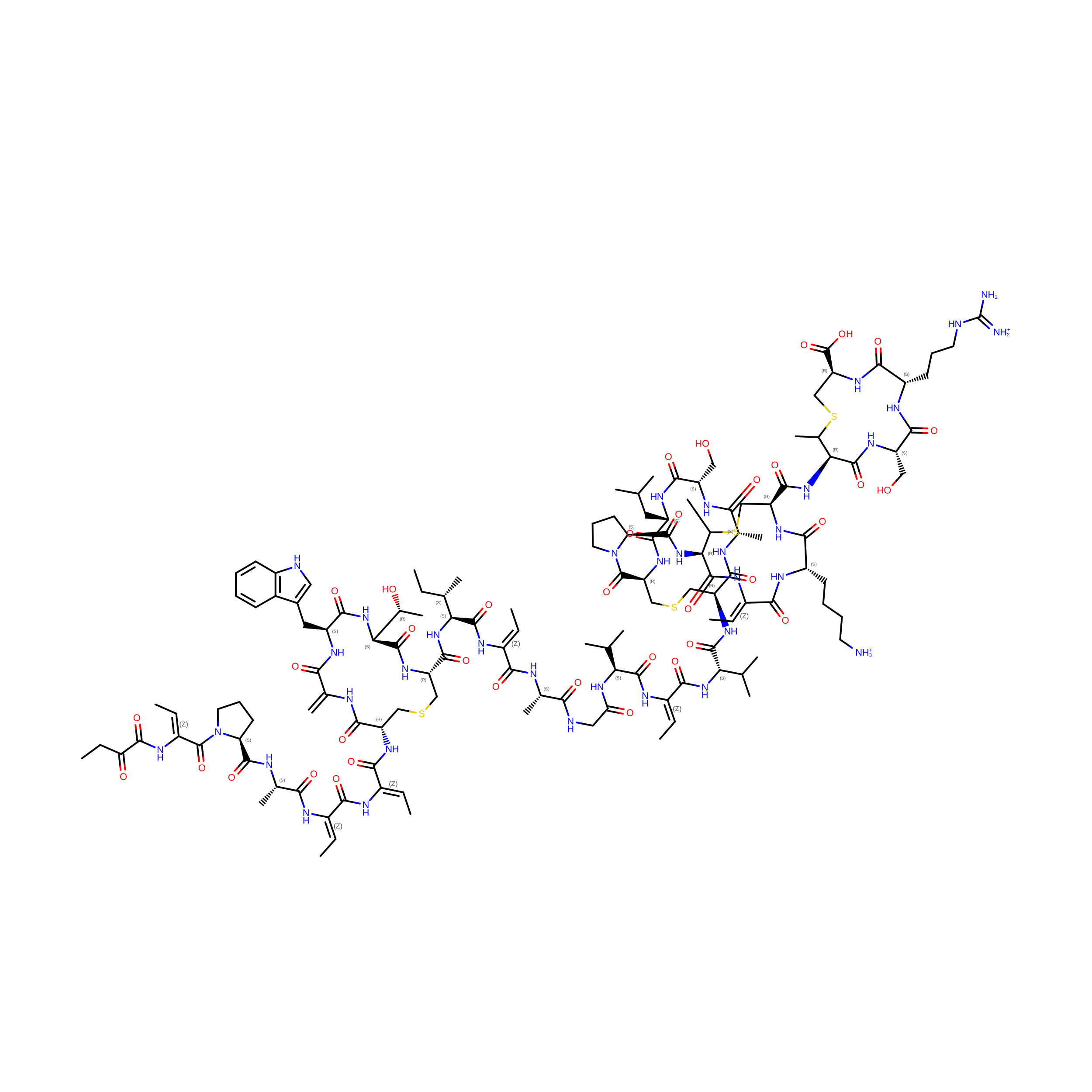
    A novel synergetic lantibiotic pair, Lchalpha (3249.51 Da) and Lchbeta (3019.36 Da), termed lichenicidin VK21, was isolated from the producer strain Bacillus licheniformis VK21. Chemical and spatial structures of Lchalpha and Lchbeta were determined. Each peptide contains 31 amino acid residues linked by 4 intramolecular thioether bridges and the N-terminal 2-oxobutyryl group. Spatial structures of Lchalpha and Lchbeta were studied by NMR spectroscopy in methanol solution. The Lchalpha peptide displays structural homology with mersacidin-like lantibiotics and involves relatively well-structured N- and C-terminal domains connected by a flexible loop stabilized by a thioether bridge Ala11-S-Ala21. In contrast, the Lchbeta peptide represents a prolonged hydrophobic alpha-helix flanked with more flexible N- and C-terminal domains. A lantibiotic cluster of the Bacillus licheniformis VK21 genome which comprises the structural genes, lchA1 and lchA2, encoding the lantibiotics precursors, as well as the gene of a modifying enzyme lchM1, was amplified and sequenced. The mature peptides, Lchalpha and Lchbeta, interact synergistically to possess antibiotic activity against Gram-positive bacteria within a nanomolar concentration range, though the individual peptides were shown to be active at micromolar concentrations. Our results afford molecular insight into the mechanism of lichenicidin VK21 action.


  • Organizational Affiliation
    • Shemyakin and Ovchinnikov Institute of Bioorganic Chemistry, Russian Academy of Sciences, Miklukho-Maklaya str. 16/10, Moscow, Russia.

Macromolecule Content 

  • Total Structure Weight: 3.03 kDa 
  • Atom Count: 209 
  • Modeled Residue Count: 32 
  • Deposited Residue Count: 32 
  • Unique protein chains: 1

Macromolecules

Find similar proteins by:|  3D Structure
Entity ID: 1
MoleculeChains  Sequence LengthOrganismDetailsImage
LCHB32Bacillus licheniformis DSM 13 = ATCC 14580Mutation(s): 0 
UniProt
Find proteins for P86476 (Bacillus licheniformis)
Explore P86476 
Go to UniProtKB:  P86476
Entity Groups
Sequence Clusters30% Identity50% Identity70% Identity90% Identity95% Identity100% Identity
UniProt GroupP86476
Sequence Annotations
Expand
Reference Sequence

Small Molecules

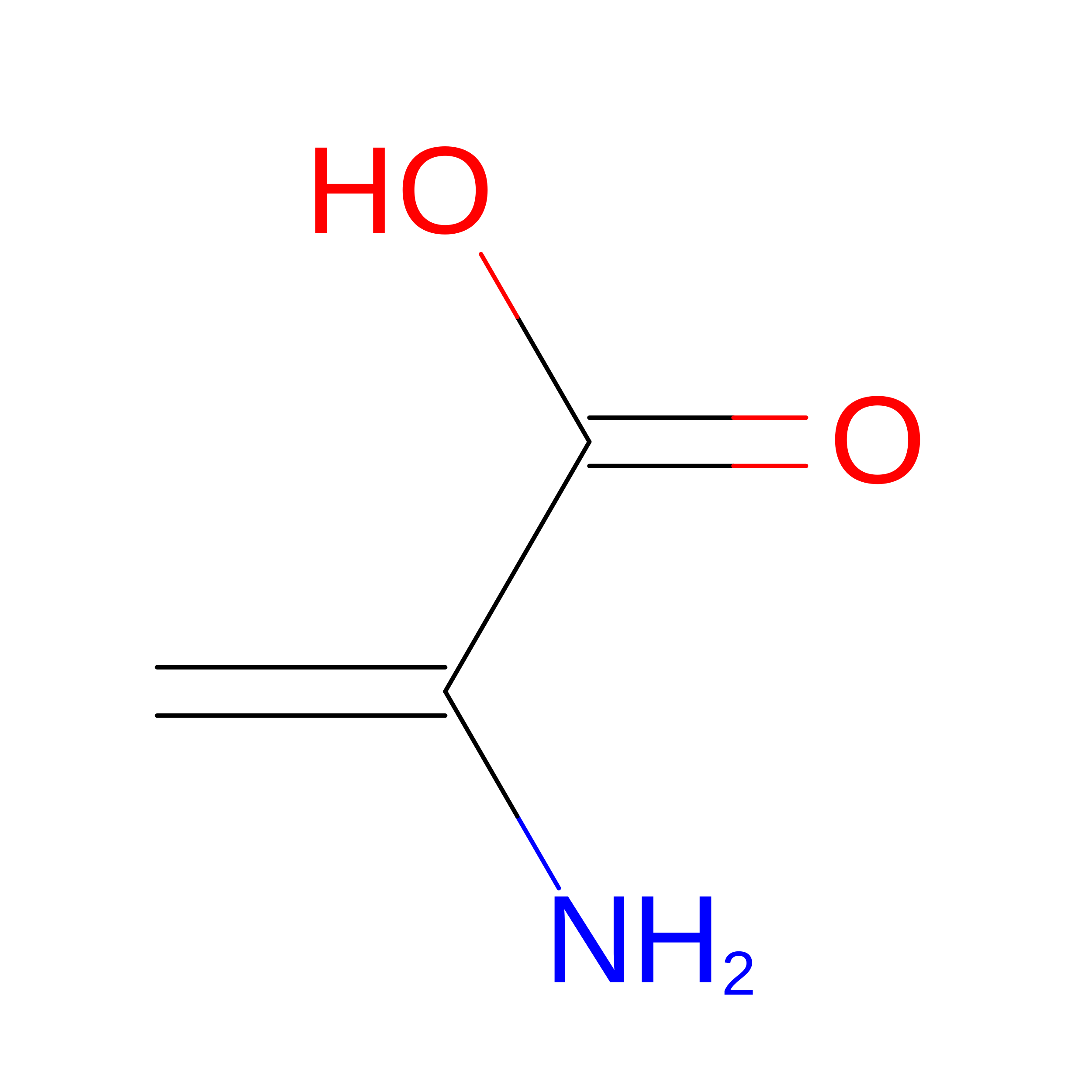
Modified Residues  2 Unique
IDChains TypeFormula2D DiagramParent
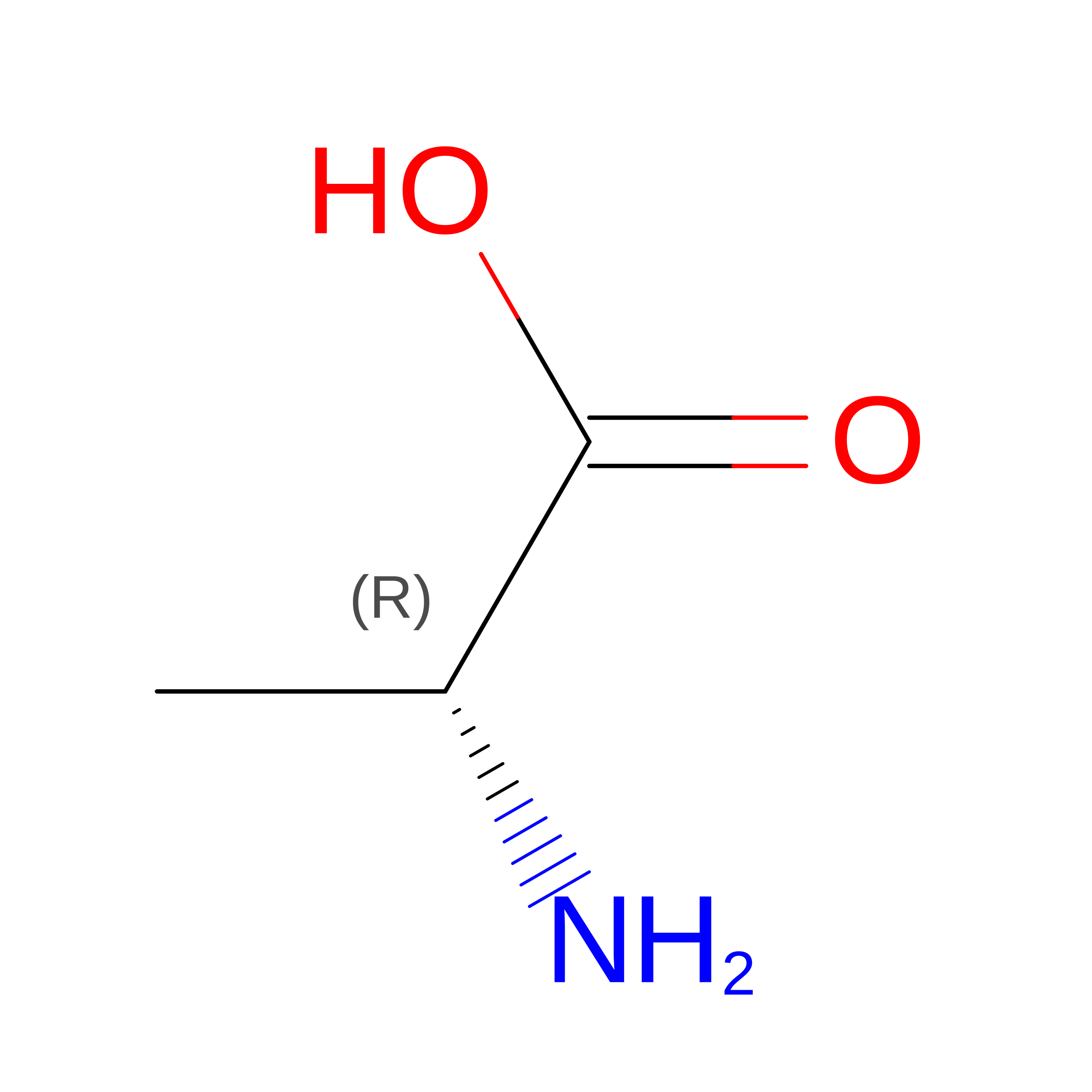
DAL
Query on DAL
A
D-PEPTIDE LINKINGC3 H7 N O2

--

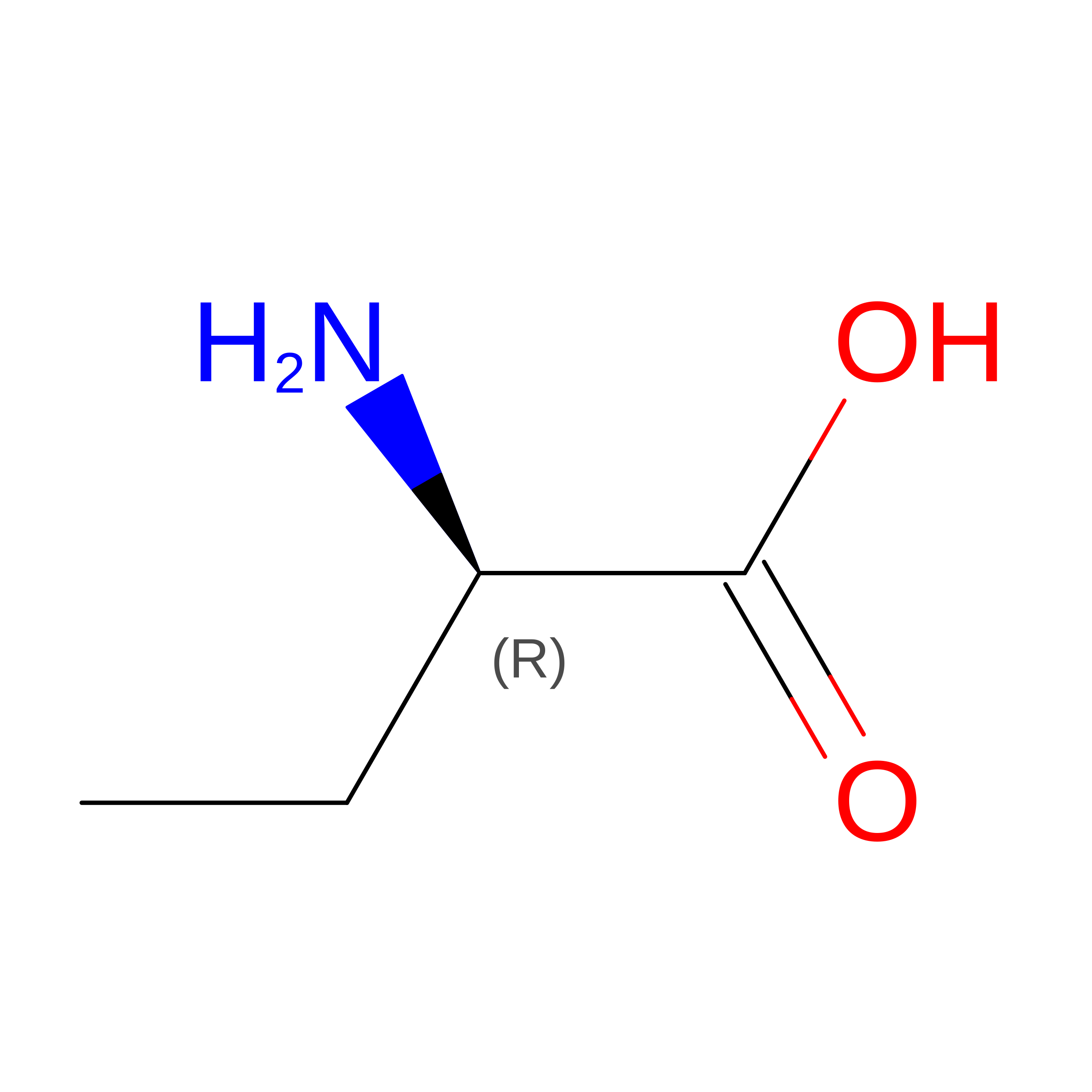
DBB
Query on DBB
A
D-PEPTIDE LINKINGC4 H9 N O2

--

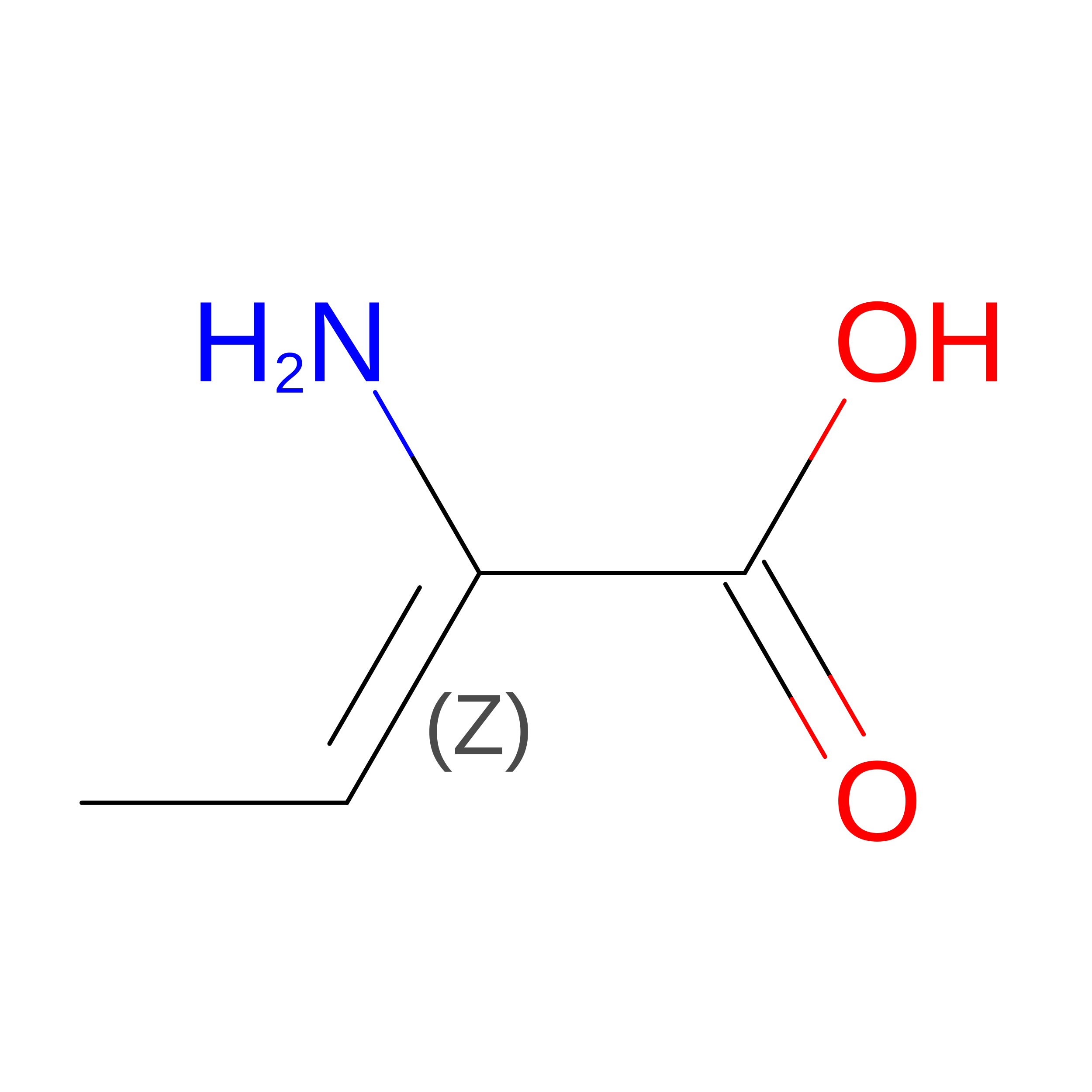
DBU
Query on DBU
A
PEPTIDE LINKINGC4 H7 N O2THR
DHA
Query on DHA
A
PEPTIDE LINKINGC3 H5 N O2SER

Biologically Interesting Molecules (External Reference) 

1 Unique

Experimental Data & Validation

Experimental Data

  • Method: SOLUTION NMR
  • Conformers Calculated: 200 
  • Conformers Submitted: 20 
  • Selection Criteria: target function 

Structure Validation

View Full Validation Report


Entry History 

Deposition Data

Revision History  (Full details and data files)

  • Version 1.0: 2010-07-21
    Type: Initial release
  • Version 1.1: 2011-06-14
    Changes: Version format compliance
  • Version 1.2: 2011-07-13
    Changes: Atomic model, Database references, Derived calculations, Non-polymer description, Structure summary, Version format compliance
  • Version 1.3: 2011-07-20
    Changes: Structure summary
  • Version 1.4: 2011-08-10
    Changes: Structure summary
  • Version 1.5: 2012-12-12
    Changes: Other
  • Version 2.0: 2023-11-15
    Changes: Atomic model, Data collection, Database references, Derived calculations
  • Version 3.0: 2024-07-10
    Changes: Polymer sequence