2IXB | pdb_00002ixb

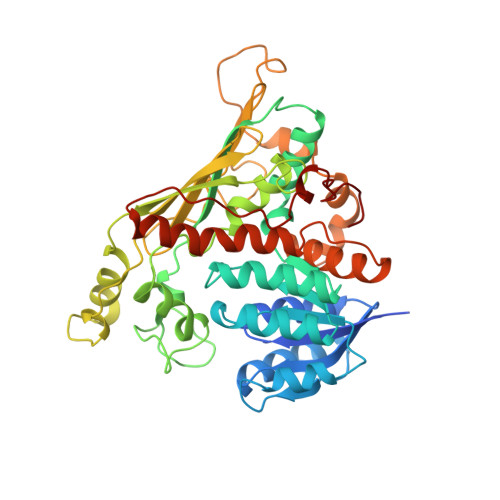
Crystal structure of N-ACETYLGALACTOSAMINIDASE in complex with GalNAC


Experimental Data Snapshot

  • Method: X-RAY DIFFRACTION
  • Resolution: 2.40 Å
  • R-Value Free: 
    0.200 (Depositor), 0.213 (DCC) 
  • R-Value Work: 
    0.173 (Depositor), 0.192 (DCC) 
  • R-Value Observed: 
    0.174 (Depositor) 

Starting Model: experimental
View more details

wwPDB Validation 3D Report Full Report

Validation slider image for 2IXB

Ligand Structure Quality Assessment 


This is version 2.1 of the entry. See complete history

Literature

Bacterial Glycosidases for the Production of Universal Red Blood Cells.

Liu, Q.P.Sulzenbacher, G.Yuan, H.Bennett, E.P.Pietz, G.Saunders, K.Spence, J.Nudelman, E.Levery, S.B.White, T.Neveu, J.M.Lane, W.S.Bourne, Y.Olsson, M.L.Henrissat, B.Clausen, H.

(2007) Nat Biotechnol 25: 454

  • DOI: https://doi.org/10.1038/nbt1298
  • Primary Citation Related Structures: 
    2IXA, 2IXB

  • PubMed Abstract: 

    Enzymatic removal of blood group ABO antigens to develop universal red blood cells (RBCs) was a pioneering vision originally proposed more than 25 years ago. Although the feasibility of this approach was demonstrated in clinical trials for group B RBCs, a major obstacle in translating this technology to clinical practice has been the lack of efficient glycosidase enzymes. Here we report two bacterial glycosidase gene families that provide enzymes capable of efficient removal of A and B antigens at neutral pH with low consumption of recombinant enzymes. The crystal structure of a member of the alpha-N-acetylgalactosaminidase family reveals an unusual catalytic mechanism involving NAD+. The enzymatic conversion processes we describe hold promise for achieving the goal of producing universal RBCs, which would improve the blood supply while enhancing the safety of clinical transfusions.


  • Organizational Affiliation
    • ZymeQuest Inc., 100 Cummings Center, Suite 436H, Beverly, Massachusetts 01915, USA.

Macromolecule Content 

  • Total Structure Weight: 51.52 kDa 
  • Atom Count: 3,688 
  • Modeled Residue Count: 426 
  • Deposited Residue Count: 444 
  • Unique protein chains: 1

Macromolecules

Find similar proteins by:|  3D Structure
Entity ID: 1
MoleculeChains  Sequence LengthOrganismDetailsImage
ALPHA-N-ACETYLGALACTOSAMINIDASE444Elizabethkingia meningosepticaMutation(s): 0 
EC: 3.2.1.49
UniProt
Find proteins for A4Q8F7 (Elizabethkingia meningoseptica)
Explore A4Q8F7 
Go to UniProtKB:  A4Q8F7
Entity Groups
Sequence Clusters30% Identity50% Identity70% Identity90% Identity95% Identity100% Identity
UniProt GroupA4Q8F7
Sequence Annotations
Expand
Reference Sequence

Small Molecules

Ligands 4 Unique
IDChains Name / Formula / InChI Key2D Diagram3D Interactions
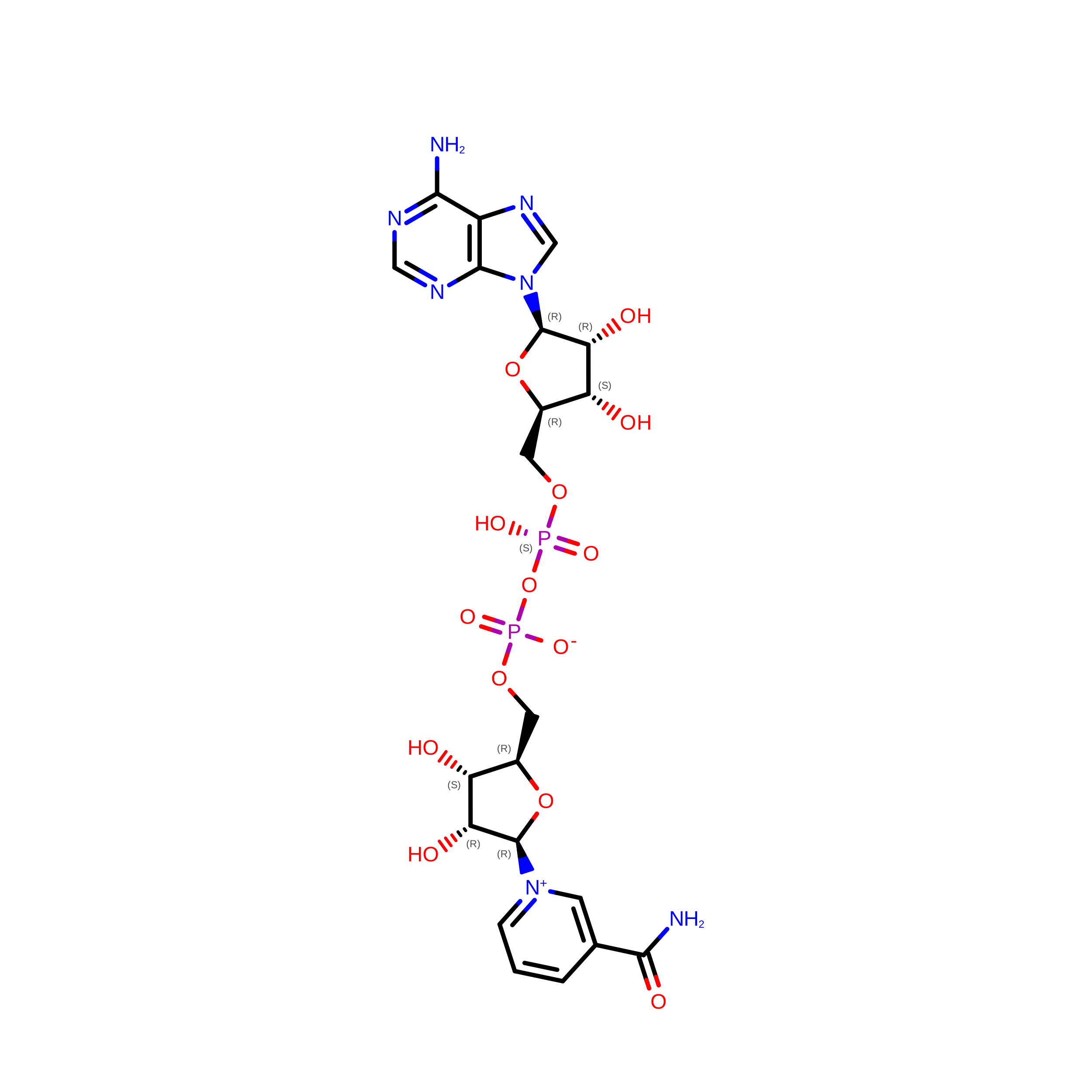
NAD

Query on NAD


Download:Ideal Coordinates CCD File
B [auth A]NICOTINAMIDE-ADENINE-DINUCLEOTIDE
C21 H27 N7 O14 P2
BAWFJGJZGIEFAR-NNYOXOHSSA-N
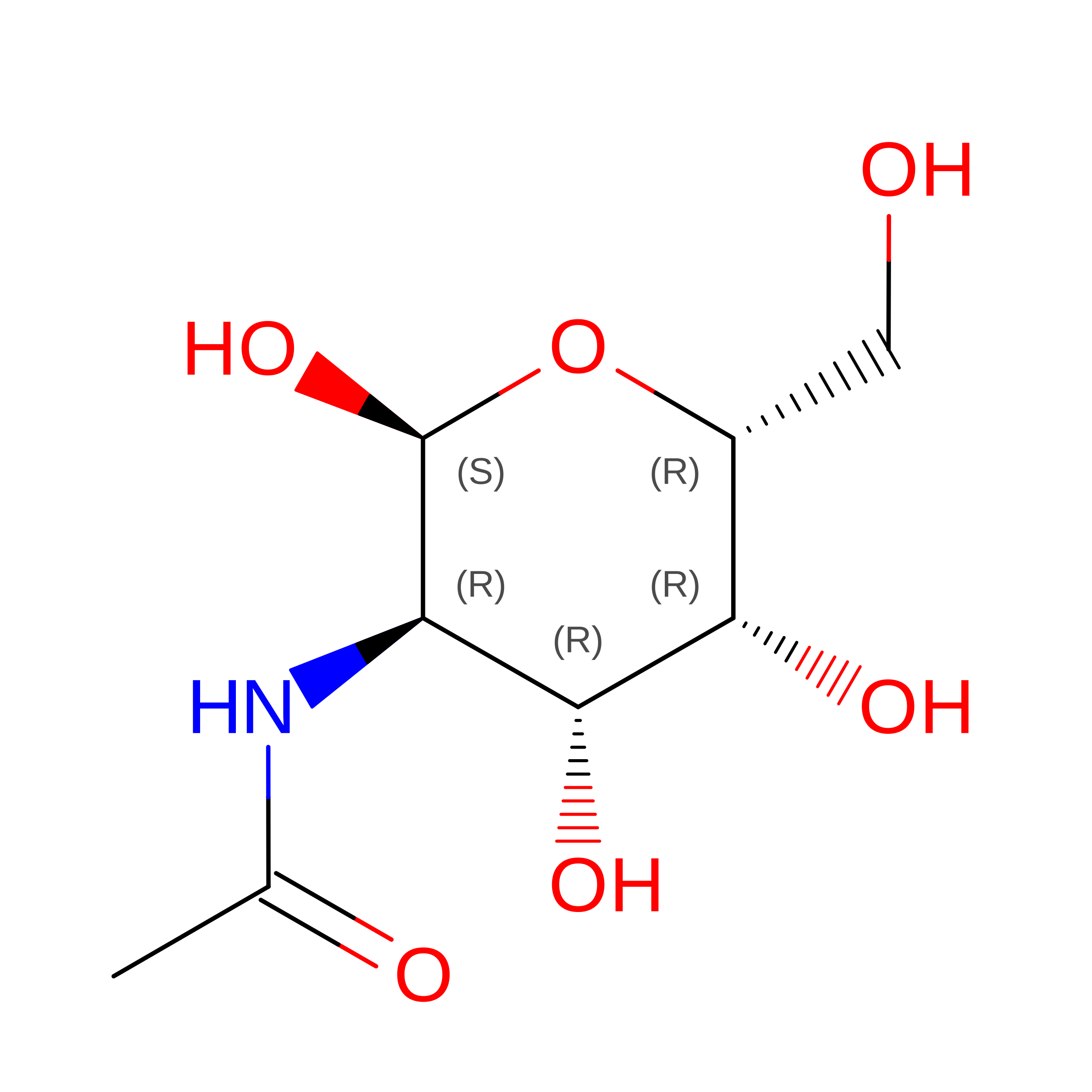
A2G

Query on A2G


Download:Ideal Coordinates CCD File
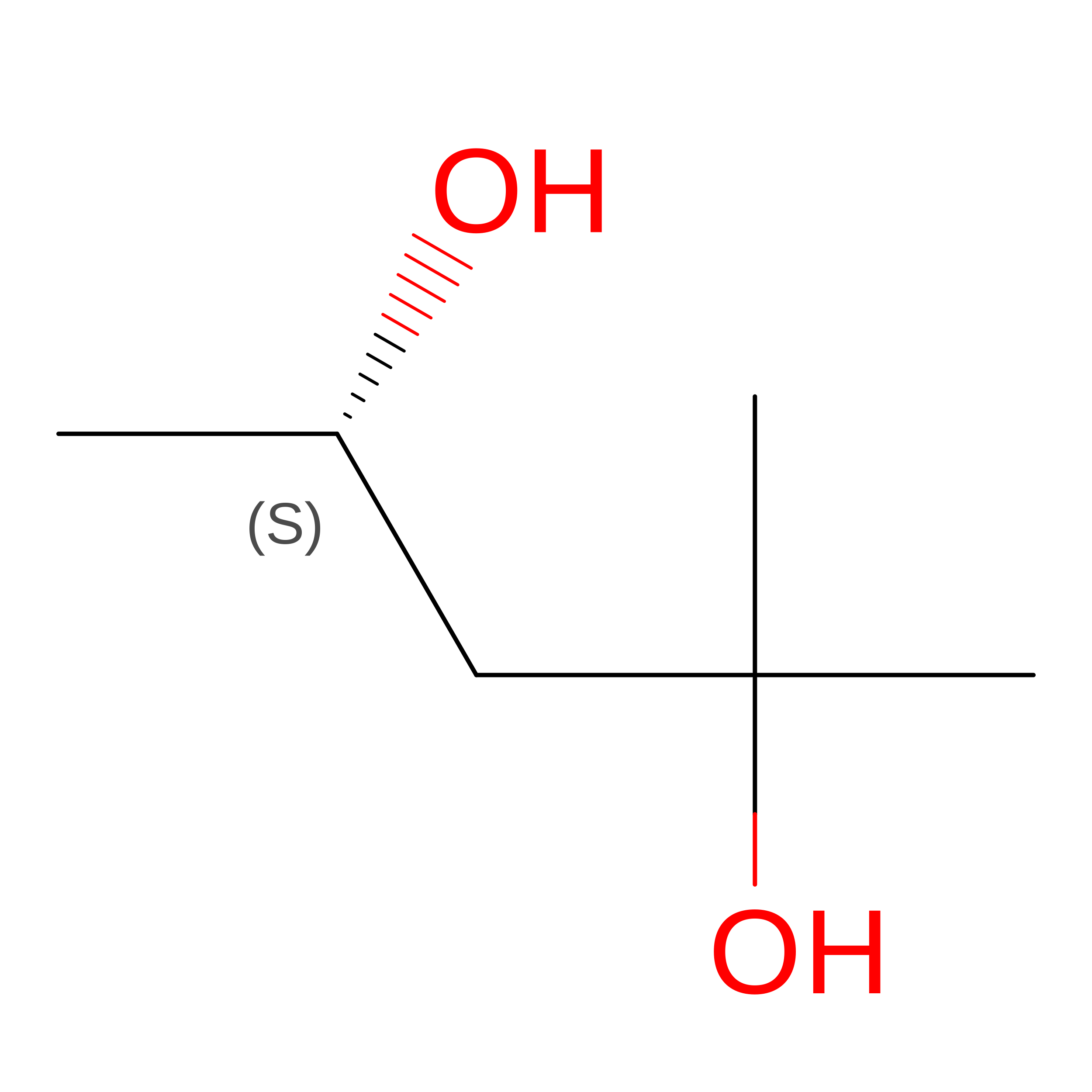
C [auth A]2-acetamido-2-deoxy-alpha-D-galactopyranose
C8 H15 N O6
OVRNDRQMDRJTHS-CBQIKETKSA-N
MPD

Query on MPD


Download:Ideal Coordinates CCD File
F [auth A](4S)-2-METHYL-2,4-PENTANEDIOL
C6 H14 O2
SVTBMSDMJJWYQN-YFKPBYRVSA-N
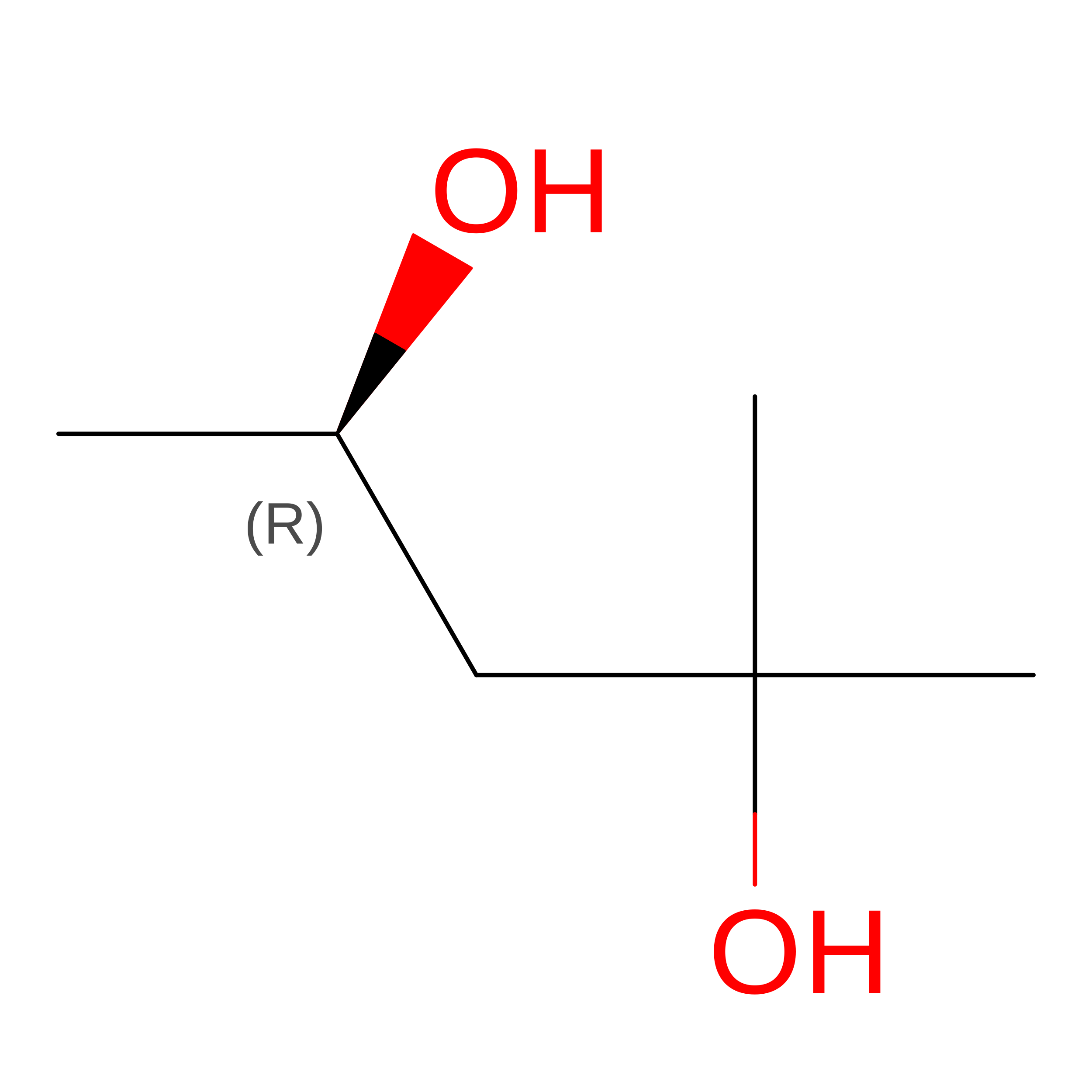
MRD

Query on MRD


Download:Ideal Coordinates CCD File
D [auth A],
E [auth A]
(4R)-2-METHYLPENTANE-2,4-DIOL
C6 H14 O2
SVTBMSDMJJWYQN-RXMQYKEDSA-N

Experimental Data & Validation

Experimental Data

  • Method: X-RAY DIFFRACTION
  • Resolution: 2.40 Å
  • R-Value Free:  0.200 (Depositor), 0.213 (DCC) 
  • R-Value Work:  0.173 (Depositor), 0.192 (DCC) 
  • R-Value Observed: 0.174 (Depositor) 
Space Group: P 65 2 2
Unit Cell:
Length ( Å )Angle ( ˚ )
a = 88.189α = 90
b = 88.189β = 90
c = 301.438γ = 120
Software Package:
Software NamePurpose
REFMACrefinement
MOSFLMdata reduction
SCALAdata scaling

Structure Validation

View Full Validation Report


Ligand Structure Quality Assessment 


Entry History 

Deposition Data

Revision History  (Full details and data files)

  • Version 1.0: 2007-04-10
    Type: Initial release
  • Version 1.1: 2011-05-08
    Changes: Version format compliance
  • Version 1.2: 2011-07-13
    Changes: Version format compliance
  • Version 1.3: 2018-03-07
    Changes: Source and taxonomy
  • Version 2.0: 2020-07-29
    Type: Remediation
    Reason: Carbohydrate remediation
    Changes: Atomic model, Data collection, Derived calculations, Other, Structure summary
  • Version 2.1: 2023-12-13
    Changes: Data collection, Database references, Refinement description, Structure summary