9NNL | pdb_00009nnl

Bordetella filamentous hemagglutinin (FhaB) C-terminal domain bound to microtubules

  • Classification: TOXIN
  • Organism(s): Sus scrofa, Bordetella bronchiseptica RB50
  • Expression System: Escherichia coli
  • Mutation(s): No 

  • Deposited: 2025-03-05 Released: 2026-02-25 
  • Deposition Author(s): Neumann, B., Gonen, S.
  • Funding Organization(s): National Institutes of Health/National Institute on Aging (NIH/NIA), National Institutes of Health/National Institute Of Allergy and Infectious Diseases (NIH/NIAID), National Institutes of Health/National Institute of General Medical Sciences (NIH/NIGMS)

Experimental Data Snapshot

  • Method: ELECTRON MICROSCOPY
  • Resolution: 2.42 Å
  • Aggregation State: FILAMENT 
  • Reconstruction Method: HELICAL 

Starting Models: experimental, in silico
View more details

wwPDB Validation 3D Report Full Report

Validation slider image for 9NNL

This is version 1.1 of the entry. See complete history

Literature

Bacteria deliver a microtubule-binding protein into mammalian cells to promote colonization.

Costello, M.S.Neumann, B.Raimondi, M.W.Cuthbert, B.J.Holubova, J.Garza-Sanchez, F.Samad, A.Bumba, L.Torres, J.A.Holznecht, N.Mendoza, J.Stanek, O.Prombhul, S.Weimbs, T.Morrissey, M.A.Acosta-Alvear, D.Low, D.A.Sebo, P.Goulding, C.W.Gonen, S.Hayes, C.S.

(2026) Science 391: 825-830

  • DOI: https://doi.org/10.1126/science.adz2737
  • Primary Citation Related Structures: 
    9NNL

  • PubMed Abstract: 

    Pathogenic Bordetella bacteria use protein adhesins to infect the ciliated respiratory epithelia of vertebrate hosts. In this work, we show that the filamentous hemagglutinin FhaB adhesin of Bordetella carries a C-terminal microtubule-binding domain (FhaB-CT), which is translocated into host cells to promote colonization. FhaB-CT delivery is required to occupy a niche at the base of cilia in airway epithelia, and mutant bacteria lacking this domain are defective for nasal colonization. These observations suggest that FhaB-CT is transferred into motile respiratory cilia to interact with core axonemal microtubules. We propose that Bordetella adheres initially to the tips of cilia and then deploys multiple FhaB adhesins to migrate to the base of the cilia forest, where the bacteria resist removal by the mucociliary "escalator" that normally clears the respiratory tract of microbes.


  • Organizational Affiliation
    • Department of Molecular, Cellular and Developmental Biology, University of California, Santa Barbara, Santa Barbara, CA, USA.

Macromolecule Content 

  • Total Structure Weight: 331.68 kDa 
  • Atom Count: 22,747 
  • Modeled Residue Count: 2,808 
  • Deposited Residue Count: 2,904 
  • Unique protein chains: 3

Macromolecules

Find similar proteins by:|  3D Structure
Entity ID: 1
MoleculeChains  Sequence LengthOrganismDetailsImage
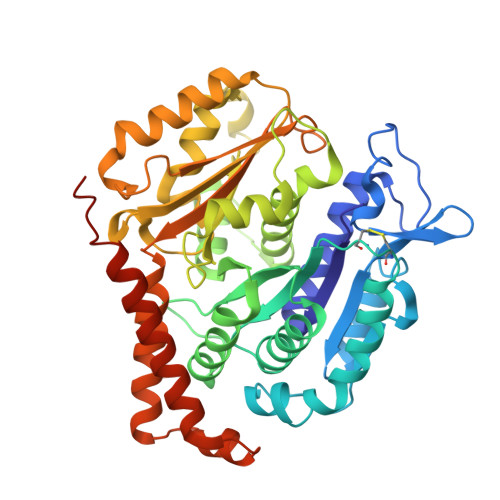
Tubulin beta chainA [auth B],
C [auth D],
D [auth F],
F [auth H]
445Sus scrofaMutation(s): 0 
UniProt
Find proteins for P02554 (Sus scrofa)
Explore P02554 
Go to UniProtKB:  P02554
Entity Groups
Sequence Clusters30% Identity50% Identity70% Identity90% Identity95% Identity100% Identity
UniProt GroupP02554
Sequence Annotations
Expand
Reference Sequence
Find similar proteins by:|  3D Structure
Entity ID: 2
MoleculeChains  Sequence LengthOrganismDetailsImage
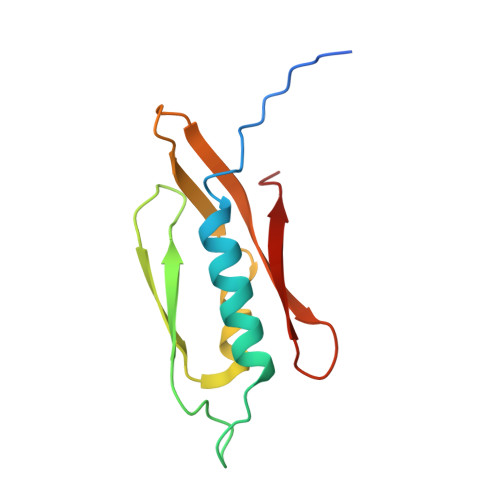
Filamentous hemagglutinin/adhesinB [auth C],
E [auth G]
111Bordetella bronchiseptica RB50Mutation(s): 0 
Gene Names: fhaBBB2993
UniProt
Find proteins for A0A0H3LWR4 (Bordetella bronchiseptica (strain ATCC BAA-588 / NCTC 13252 / RB50))
Explore A0A0H3LWR4 
Go to UniProtKB:  A0A0H3LWR4
Entity Groups
Sequence Clusters30% Identity50% Identity70% Identity90% Identity95% Identity100% Identity
UniProt GroupA0A0H3LWR4
Sequence Annotations
Expand
Reference Sequence
Find similar proteins by:|  3D Structure
Entity ID: 3
MoleculeChains  Sequence LengthOrganismDetailsImage
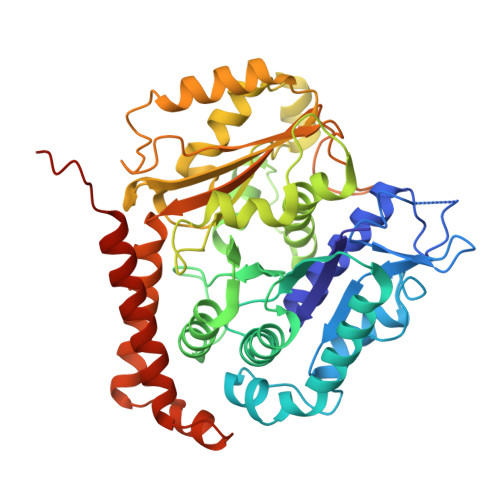
Tubulin alpha-1B chainG [auth A],
H [auth E]
451Sus scrofaMutation(s): 0 
EC: 3.6.5
UniProt
Find proteins for Q2XVP4 (Sus scrofa)
Explore Q2XVP4 
Go to UniProtKB:  Q2XVP4
Entity Groups
Sequence Clusters30% Identity50% Identity70% Identity90% Identity95% Identity100% Identity
UniProt GroupQ2XVP4
Sequence Annotations
Expand
Reference Sequence

Small Molecules

Ligands 4 Unique
IDChains Name / Formula / InChI Key2D Diagram3D Interactions
TA1

Query on TA1


Download:Ideal Coordinates CCD File
J [auth B],
L [auth D],
N [auth F],
P [auth H]
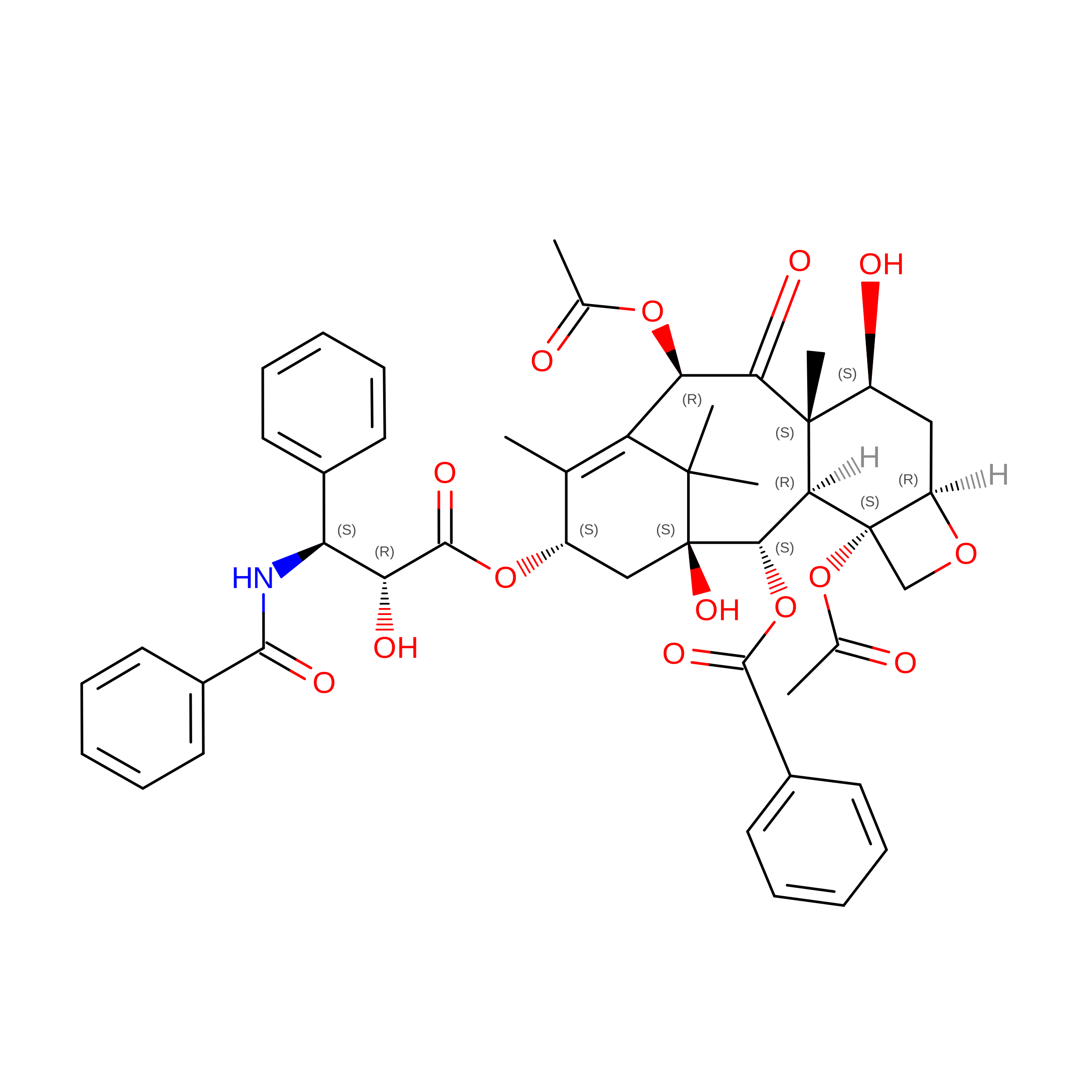
TAXOL
C47 H51 N O14
RCINICONZNJXQF-MZXODVADSA-N
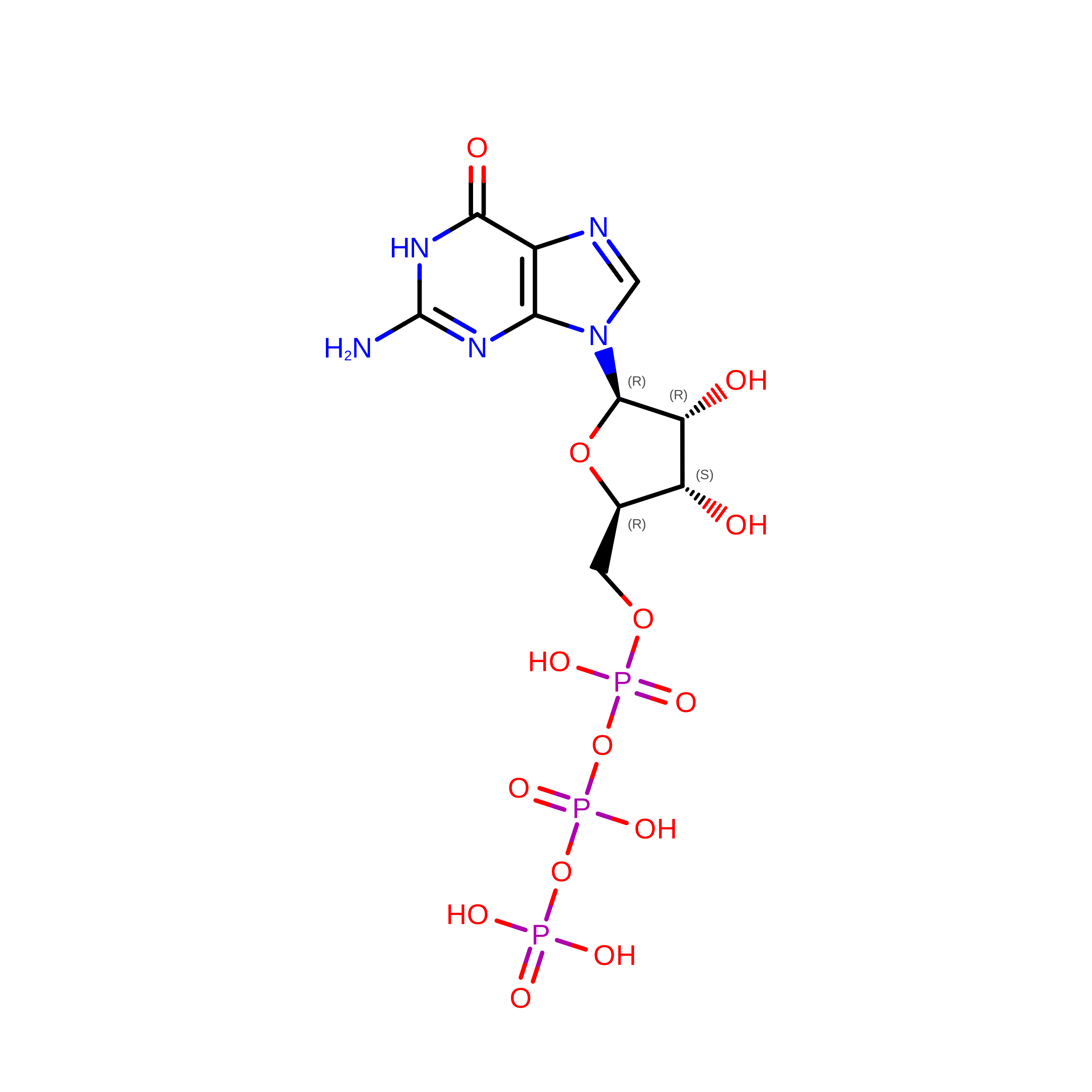
GTP

Query on GTP


Download:Ideal Coordinates CCD File
Q [auth A],
S [auth E]
GUANOSINE-5'-TRIPHOSPHATE
C10 H16 N5 O14 P3
XKMLYUALXHKNFT-UUOKFMHZSA-N
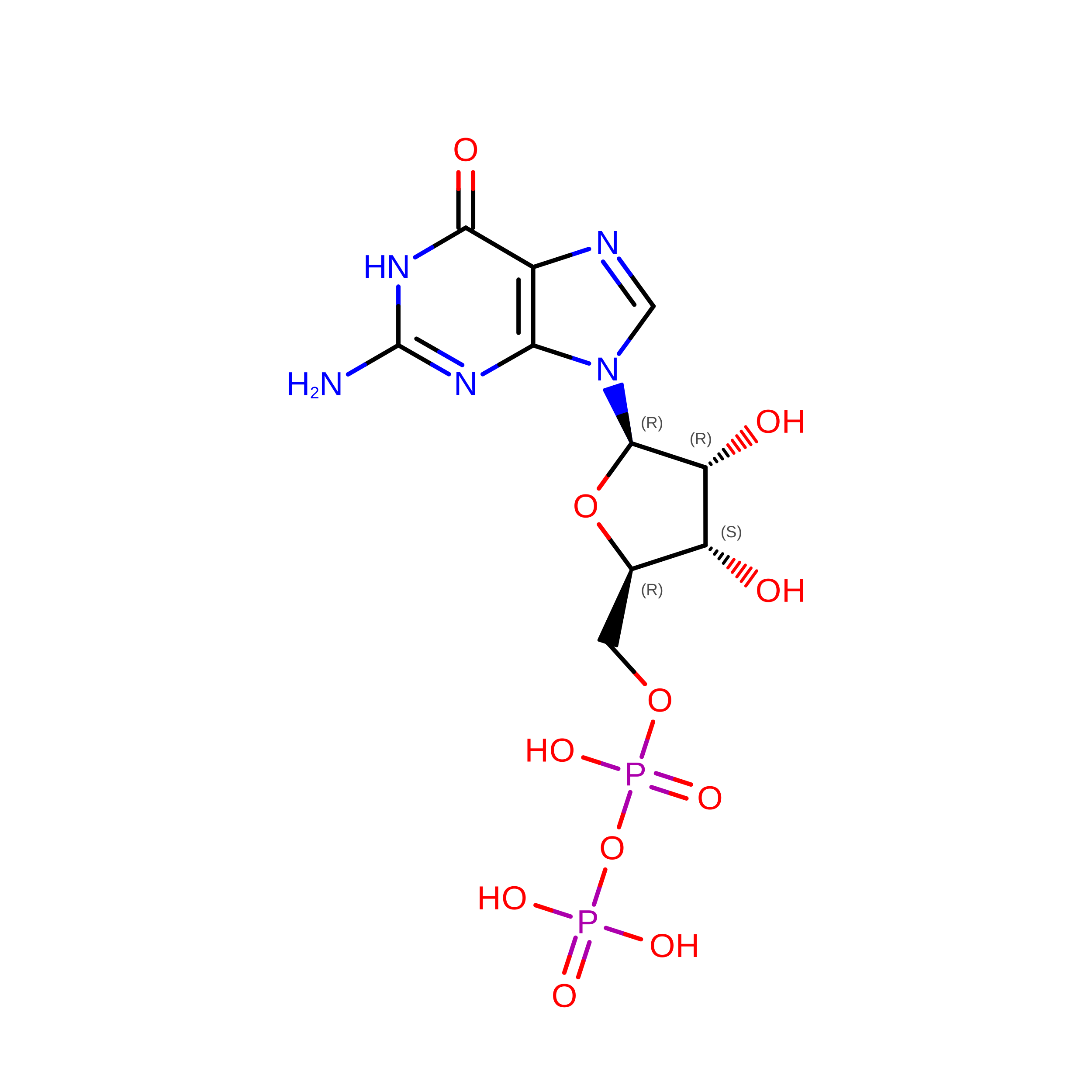
GDP

Query on GDP


Download:Ideal Coordinates CCD File
I [auth B],
K [auth D],
M [auth F],
O [auth H]
GUANOSINE-5'-DIPHOSPHATE
C10 H15 N5 O11 P2
QGWNDRXFNXRZMB-UUOKFMHZSA-N
MG

Query on MG


Download:Ideal Coordinates CCD File
R [auth A],
T [auth E]
MAGNESIUM ION
Mg
JLVVSXFLKOJNIY-UHFFFAOYSA-N

Experimental Data & Validation

Experimental Data

  • Method: ELECTRON MICROSCOPY
  • Resolution: 2.42 Å
  • Aggregation State: FILAMENT 
  • Reconstruction Method: HELICAL 
EM Software:
TaskSoftware PackageVersion
RECONSTRUCTIONcryoSPARC4.4.1
MODEL REFINEMENTPHENIX1.21.2_5419:
MODEL REFINEMENTCoot0.9.8.95

Structure Validation

View Full Validation Report


Entry History 

& Funding Information

Deposition Data


Funding OrganizationLocationGrant Number
National Institutes of Health/National Institute on Aging (NIH/NIA)United States1U24AG079683
National Institutes of Health/National Institute Of Allergy and Infectious Diseases (NIH/NIAID)United States1R21AI185695-01
National Institutes of Health/National Institute of General Medical Sciences (NIH/NIGMS)United StatesR35-GM142797

Revision History  (Full details and data files)

  • Version 1.0: 2026-02-25
    Type: Initial release
  • Version 1.1: 2026-09-02
    Changes: Data collection, Database references