9IXZ | pdb_00009ixz

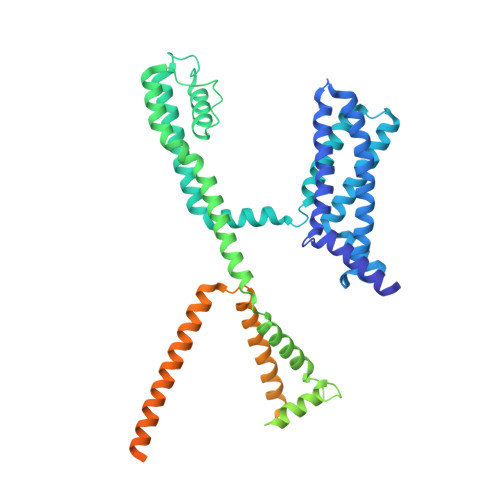
human KCNQ2-CaM-Ebio3 Complex in the Presence of PIP2


Experimental Data Snapshot

  • Method: ELECTRON MICROSCOPY
  • Resolution: 3.20 Å
  • Aggregation State: PARTICLE 
  • Reconstruction Method: SINGLE PARTICLE 

wwPDB Validation   3D Report Full Report


This is version 1.1 of the entry. See complete history


Literature

Small molecule inhibits KCNQ channels with a non-blocking mechanism.

Li, J.Yang, Z.Zhang, S.Ye, Y.He, J.Zhang, Y.Han, H.Kong, W.Liu, J.Min, Y.Shen, J.Mei, L.Chen, Z.Hou, P.Guo, J.Zhang, Q.Yang, H.

(2025) Nat Chem Biol 21: 1100-1109

  • DOI: https://doi.org/10.1038/s41589-024-01834-8
  • Primary Citation of Related Structures:  
    9IXY, 9IXZ

  • PubMed Abstract: 

    Voltage-gated ion channels (VGICs) are crucial targets for neuropsychiatric therapeutics owing to their role in controlling neuronal excitability and the established link between their dysfunction and neurological diseases, highlighting the importance of identifying modulators with distinct mechanisms. Here we report two small-molecule modulators with the same chemical scaffold, Ebio2 and Ebio3, targeting a potassium channel KCNQ2, with opposite effects: Ebio2 acts as a potent activator, whereas Ebio3 serves as a potent and selective inhibitor. Guided by cryogenic electron microscopy, patch-clamp recordings and molecular dynamics simulations, we reveal that Ebio3 attaches to the outside of the inner gate, employing a unique non-blocking inhibitory mechanism that directly squeezes the S6 pore helix to inactivate the KCNQ2 channel. Ebio3 also showed efficacy in inhibiting currents of KCNQ2 pathogenic gain-of-function mutations, presenting an avenue for VGIC-targeted therapies. Overall, these findings contribute to the understanding of KCNQ2 inhibition and provide insights into developing selective, non-blocking VGIC inhibitors.


  • Organizational Affiliation
    • Shanghai Key Laboratory of Regulatory Biology, Institute of Biomedical Sciences and School of Life Sciences, East China Normal University, Shanghai, China.

Macromolecules
Find similar proteins by:  (by identity cutoff)  |  3D Structure
Entity ID: 1
MoleculeChains Sequence LengthOrganismDetailsImage
Isoform 3 of Potassium voltage-gated channel subfamily KQT member 2
A, B, C, D
611Homo sapiensMutation(s): 0 
Gene Names: KCNQ2
UniProt & NIH Common Fund Data Resources
Find proteins for O43526 (Homo sapiens)
Explore O43526 
Go to UniProtKB:  O43526
PHAROS:  O43526
GTEx:  ENSG00000075043 
Entity Groups  
Sequence Clusters30% Identity50% Identity70% Identity90% Identity95% Identity100% Identity
UniProt GroupO43526
Sequence Annotations
Expand
  • Reference Sequence
Find similar proteins by:  (by identity cutoff)  |  3D Structure
Entity ID: 2
MoleculeChains Sequence LengthOrganismDetailsImage
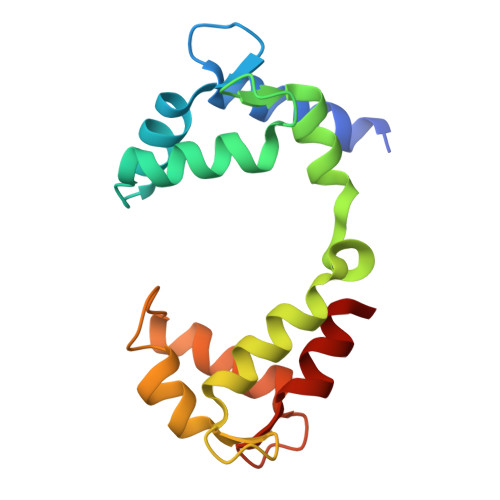
Calmodulin-1
E, F, G, H
149Homo sapiensMutation(s): 0 
Gene Names: CALM1CALMCAMCAM1
UniProt & NIH Common Fund Data Resources
Find proteins for P0DP23 (Homo sapiens)
Explore P0DP23 
Go to UniProtKB:  P0DP23
PHAROS:  P0DP23
GTEx:  ENSG00000198668 
Entity Groups  
Sequence Clusters30% Identity50% Identity70% Identity90% Identity95% Identity100% Identity
UniProt GroupP0DP23
Sequence Annotations
Expand
  • Reference Sequence
Experimental Data & Validation

Experimental Data

  • Method: ELECTRON MICROSCOPY
  • Resolution: 3.20 Å
  • Aggregation State: PARTICLE 
  • Reconstruction Method: SINGLE PARTICLE 

Structure Validation

View Full Validation Report


Entry History & Funding Information

Deposition Data


Funding OrganizationLocationGrant Number
National Natural Science Foundation of China (NSFC)China31870724

Revision History  (Full details and data files)

  • Version 1.0: 2025-03-19
    Type: Initial release
  • Version 1.1: 2025-08-13
    Changes: Data collection, Database references