Download Mendeley
Substrate-interacting pore loops of two ATPase subunits determine the degradation efficiency of the 26S proteasome.
Lopez-Alfonzo, E., Saurabh, A., Zarafshan, S., Arkinson, C., Gee, C.L., Hsieh, H.H., Presse, S., Martin, A.(2026) Nat Commun 17
- PubMed: 41876484 Search on PubMedSearch on PubMed Central
- DOI: https://doi.org/10.1038/s41467-026-70426-y
- Primary Citation Related Structures:
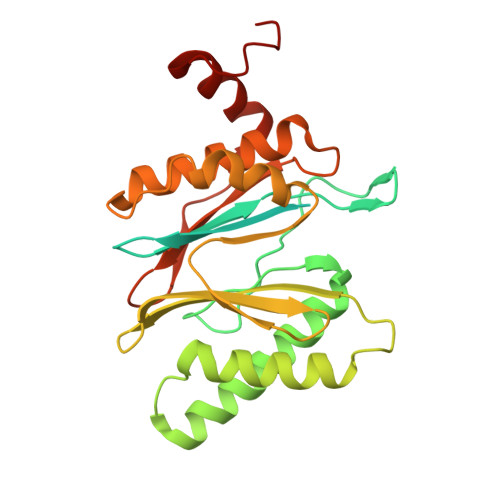
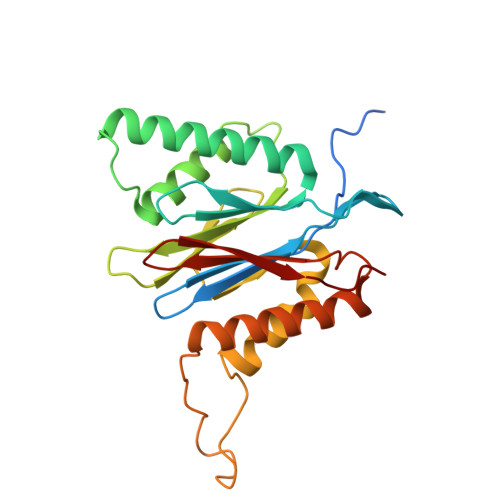
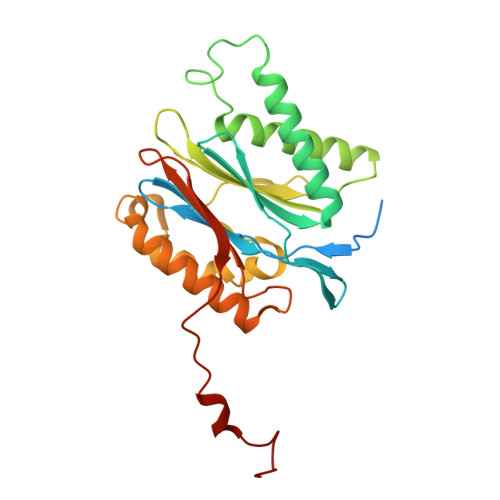
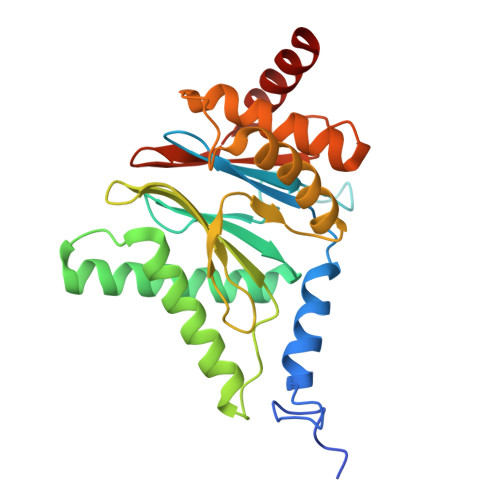
9CGC - PubMed Abstract:
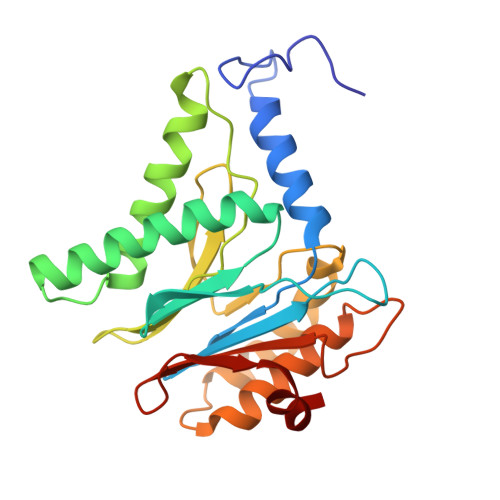
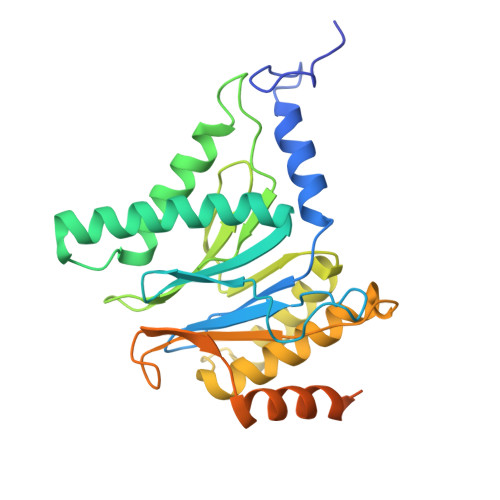
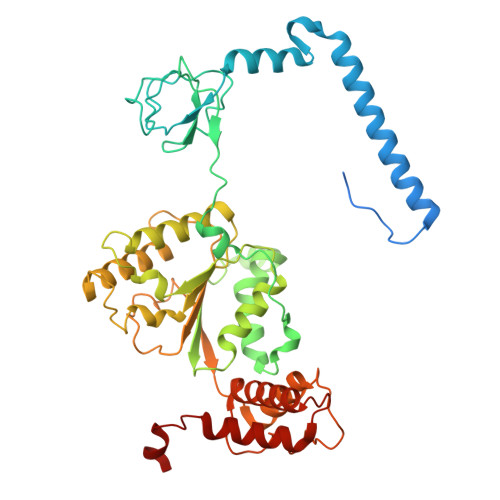
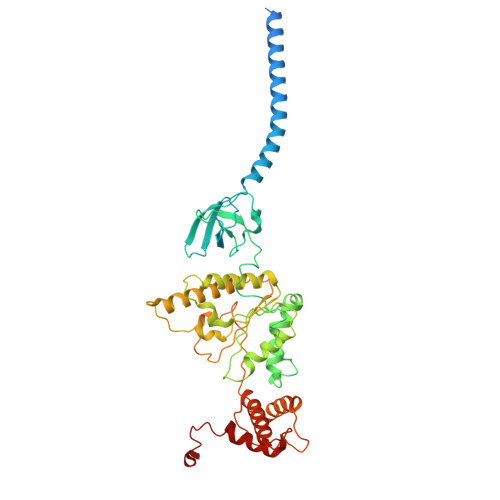
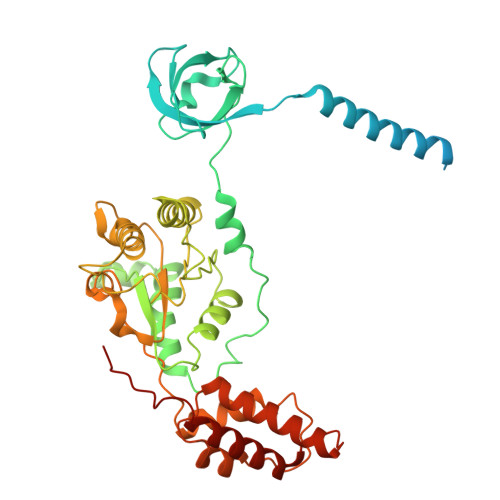
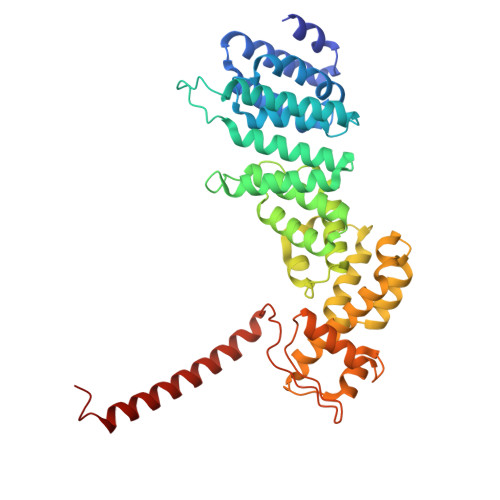
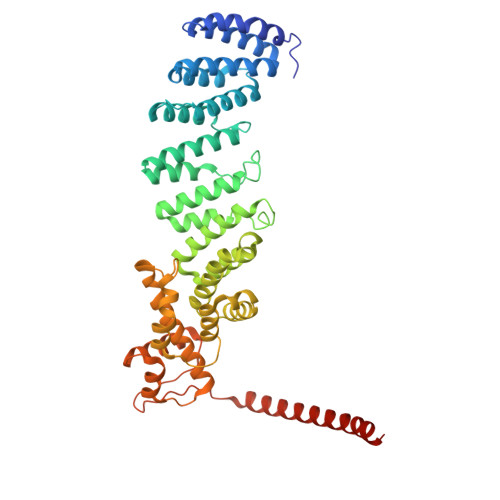
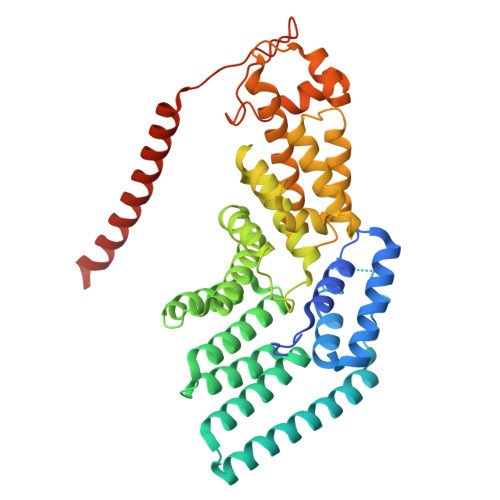
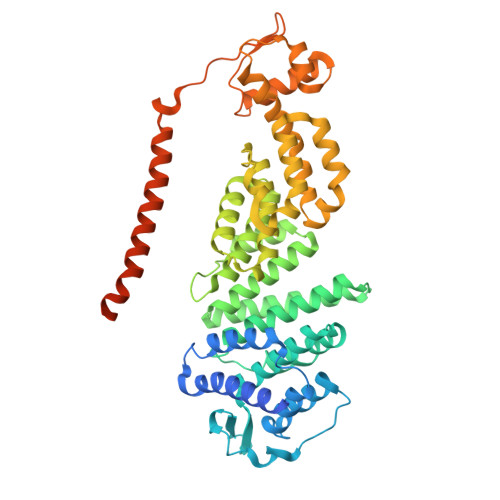
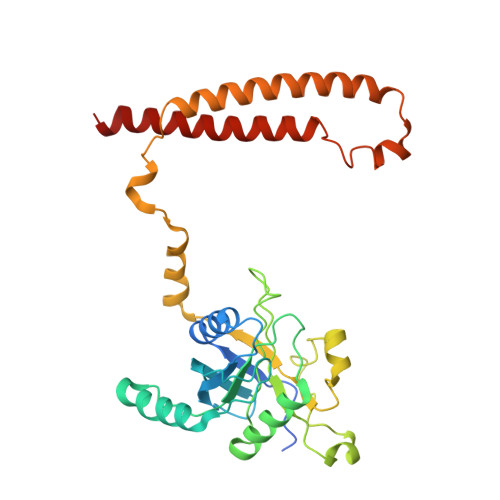
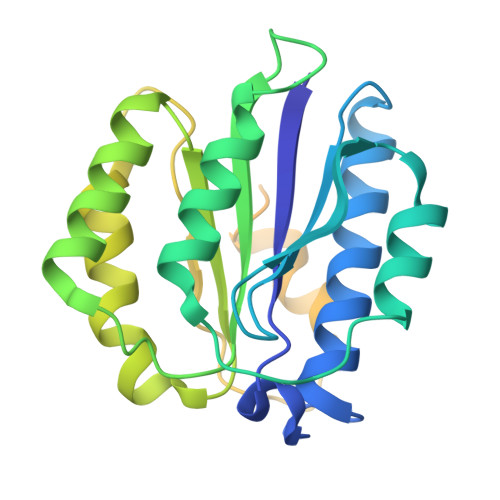
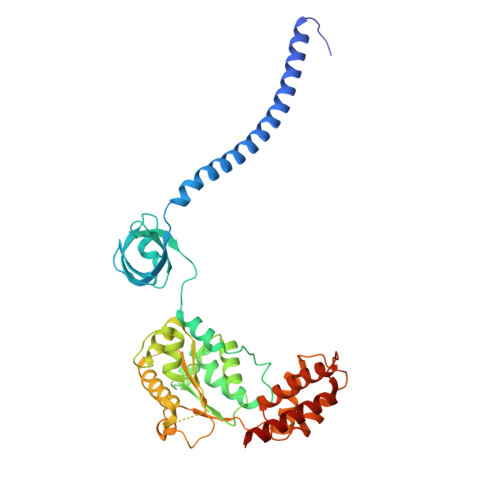
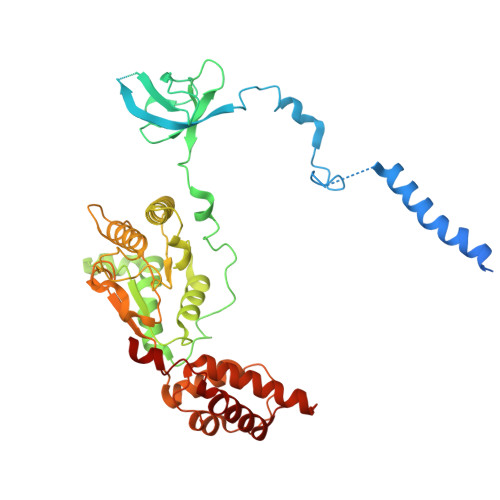
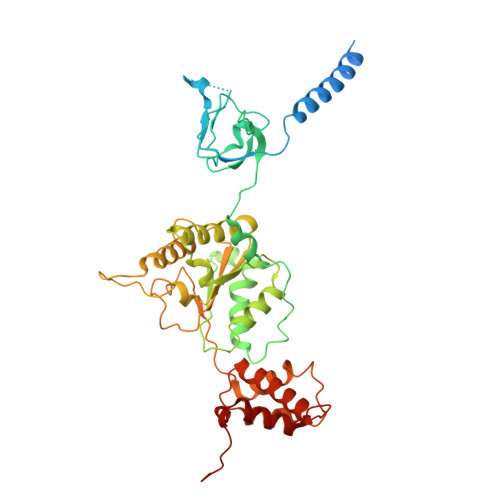
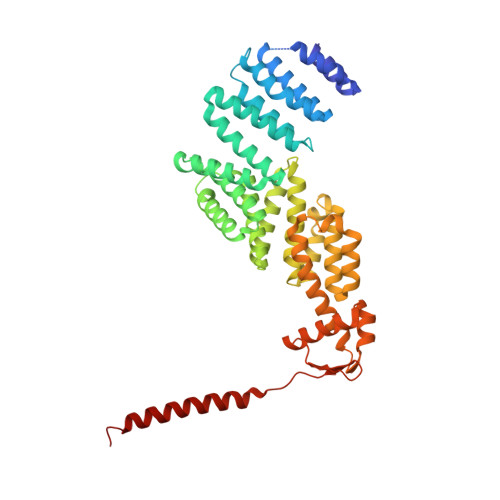
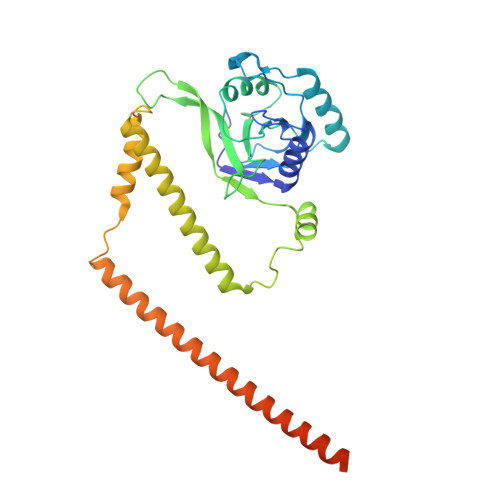
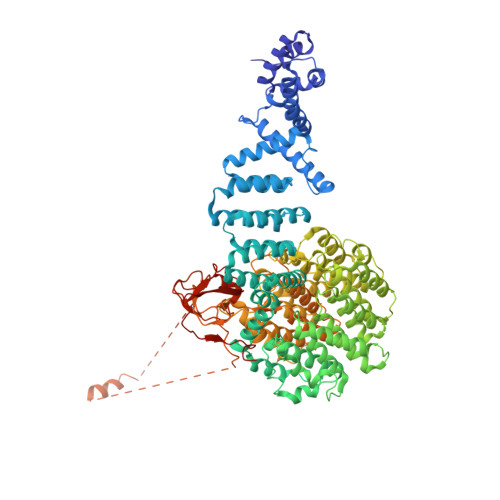
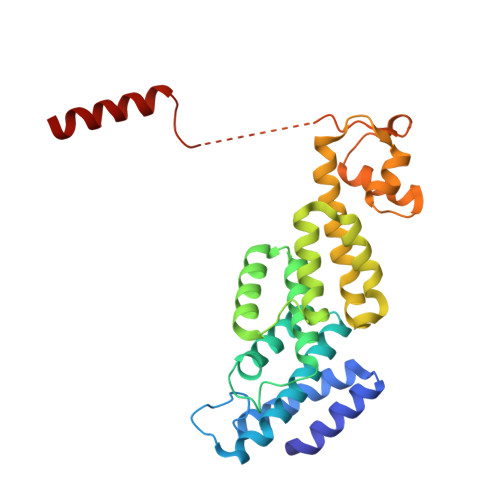
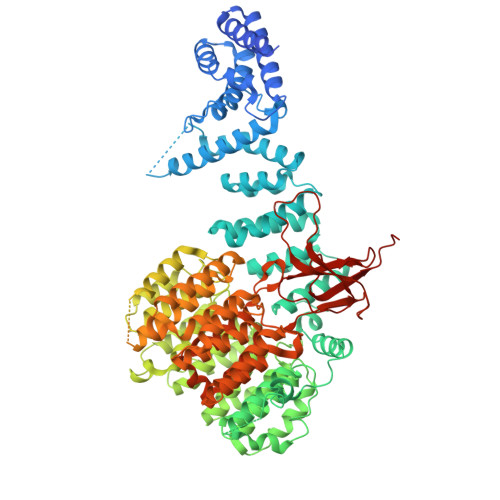
The 26S proteasome is the major eukaryotic protease responsible for the degradation of misfolded, damaged, and obsolete regulatory proteins. Commitment to degradation occurs when conserved pore loops in the heterohexameric ATPase motor of the proteasome engage the flexible initiation region of a polyubiquitinated protein substrate for subsequent mechanical unfolding and translocation into a proteolytic chamber. Here, we use in vitro biochemical assays, single-molecule FRET-based measurements, and cryo-EM structure determination to characterize how the pore-1 loops of individual ATPase subunits in the yeast 26S proteasome contribute to the different steps of substrate degradation and affect the proteasome conformational dynamics. We find that the pore-1 loops of the Rpt6 and Rpt4 ATPase subunits play particularly important, yet distinct roles in substrate capture and unfolding, and in holding the ATPase motor in a static state prior to substrate engagement. Interestingly, these pore-1 loop contributions correlate with the positions of ATPase subunits in spiral-staircase arrangements for the substrate-free and substrate-degrading proteasome, providing insights into the mechanisms of substrate processing by the 26S proteasome and related ATPase motors.
- Department of Molecular & Cell Biology, University of California at Berkeley, Berkeley, CA, USA.
Organizational Affiliation: