Download Mendeley
Nanoscale conformational dynamics of human propionyl-CoA carboxylase.
Yan, H., Ni, F., Wang, Q., Ma, J.(2026) Structure 34: 62
- PubMed: 41197621 Search on PubMed
- DOI: https://doi.org/10.1016/j.str.2025.10.009
- Primary Citation Related Structures:
8ZUX, 8ZUY, 8ZUZ, 8ZV0, 8ZV1, 8ZV2, 8ZV3, 8ZV4, 8ZV5, 8ZV6, 9UH1, 9UH2, 9UH5, 9UH6, 9UH8, 9UHB, 9UHR, 9UHS, 9UHY - PubMed Abstract:
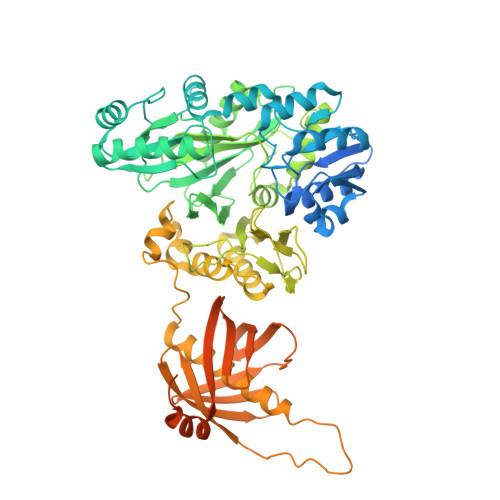
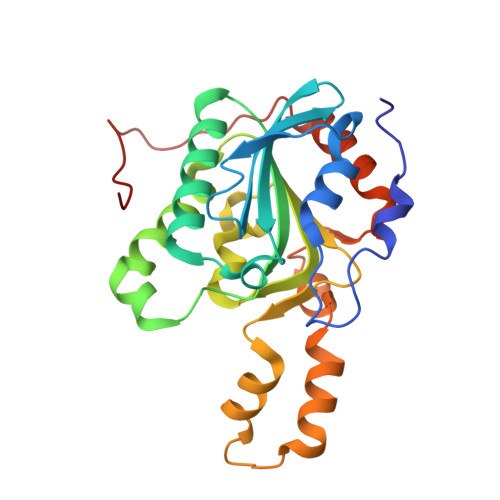
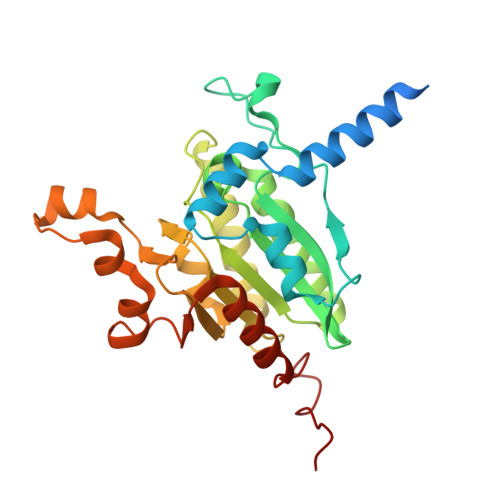
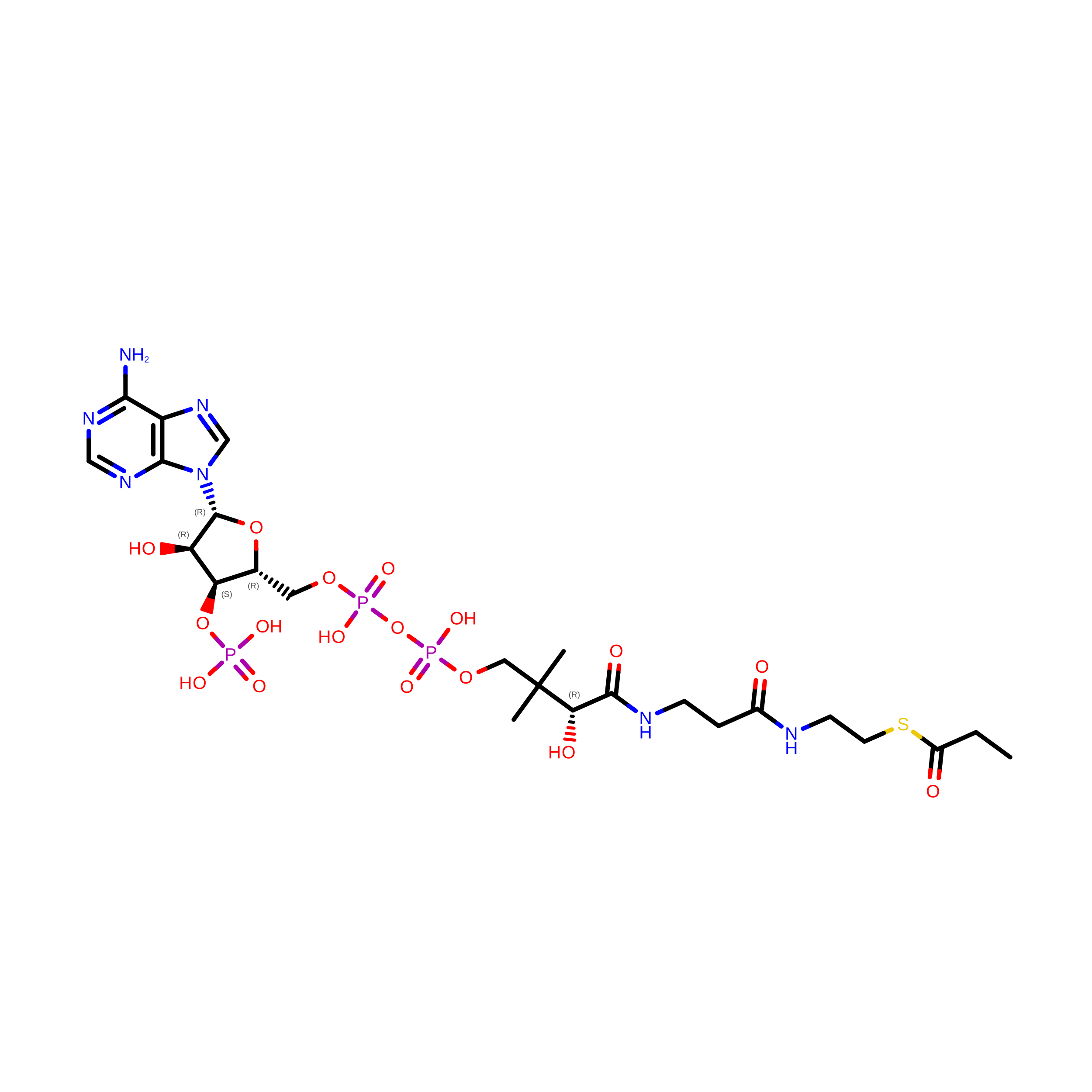
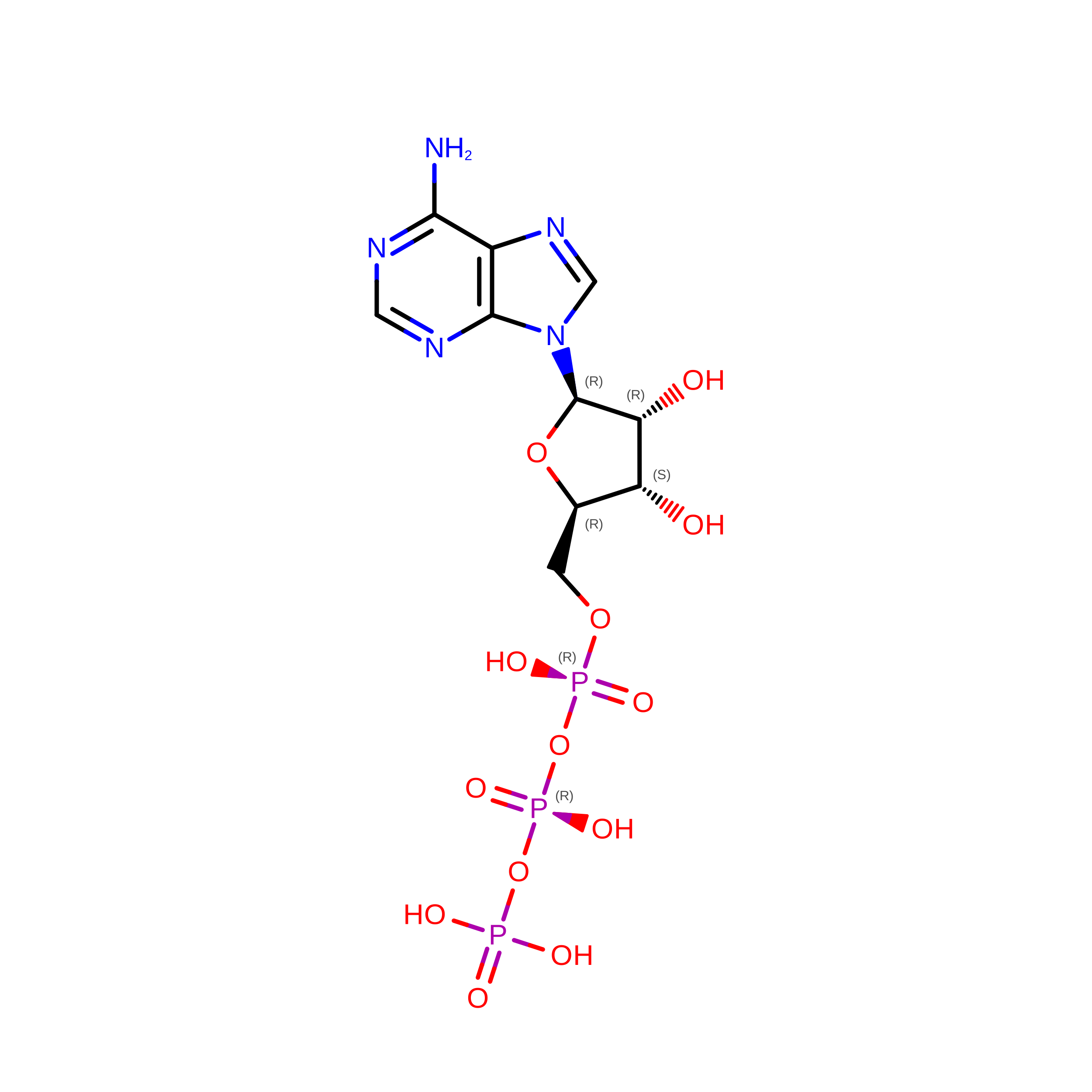
Propionyl-CoA carboxylase (PCC) is a biotin-dependent mitochondrial enzyme responsible for propionyl-CoA catabolism. Deficiencies in human PCC (hPCC) cause propionic acidemia, a severe metabolic disorder driven by toxic metabolite accumulation. Despite its therapeutic relevance, the structural basis of hPCC's catalytic function remains unresolved. Here, we present high-resolution cryo-EM structures of hPCC in four distinct states, unliganded, ADP-, AMPPNP-, and ATP-bound/substrate-bound, capturing the full trajectory of the biotin carboxyl carrier protein (BCCP) domain as it translocates between active sites. Our results reinforce the crucial role of nucleotide-gated B-lid subdomain in synchronizing catalysis through coupling with BCCP movement. Structural and biochemical analysis of 10 disease-associated variants reveals how mutations disrupt key domain interfaces and dynamic motions required for activity. These new insights define the mechanistic principles governing hPCC functions, establish a structural framework for understanding PCC-related disorders, and lay the groundwork for future efforts to engineer functional replacements or modulators for metabolic therapy.
- Multiscale Research Institute of Complex Systems, Fudan University, Shanghai 200433, China; School of Life Sciences, Fudan University, Shanghai 200433, China.
Organizational Affiliation: