7ZL3 | pdb_00007zl3

Signal peptide mimicry primes Sec61 for client-selective inhibition


Experimental Data Snapshot

  • Method: ELECTRON MICROSCOPY
  • Resolution: 3.20 Å
  • Aggregation State: PARTICLE 
  • Reconstruction Method: SINGLE PARTICLE 

Starting Model: experimental
View more details

wwPDB Validation   3D Report Full Report


This is version 2.0 of the entry. See complete history


Literature

Signal peptide mimicry primes Sec61 for client-selective inhibition.

Rehan, S.Tranter, D.Sharp, P.P.Craven, G.B.Lowe, E.Anderl, J.L.Muchamuel, T.Abrishami, V.Kuivanen, S.Wenzell, N.A.Jennings, A.Kalyanaraman, C.Strandin, T.Javanainen, M.Vapalahti, O.Jacobson, M.P.McMinn, D.Kirk, C.J.Huiskonen, J.T.Taunton, J.Paavilainen, V.O.

(2023) Nat Chem Biol 19: 1054-1062

  • DOI: https://doi.org/10.1038/s41589-023-01326-1
  • Primary Citation of Related Structures:  
    7ZL3

  • PubMed Abstract: 

    Preventing the biogenesis of disease-relevant proteins is an attractive therapeutic strategy, but attempts to target essential protein biogenesis factors have been hampered by excessive toxicity. Here we describe KZR-8445, a cyclic depsipeptide that targets the Sec61 translocon and selectively disrupts secretory and membrane protein biogenesis in a signal peptide-dependent manner. KZR-8445 potently inhibits the secretion of pro-inflammatory cytokines in primary immune cells and is highly efficacious in a mouse model of rheumatoid arthritis. A cryogenic electron microscopy structure reveals that KZR-8445 occupies the fully opened Se61 lateral gate and blocks access to the lumenal plug domain. KZR-8445 binding stabilizes the lateral gate helices in a manner that traps select signal peptides in the Sec61 channel and prevents their movement into the lipid bilayer. Our results establish a framework for the structure-guided discovery of novel therapeutics that selectively modulate Sec61-mediated protein biogenesis.


  • Organizational Affiliation
    • Institute of Biotechnology, HiLIFE, University of Helsinki, Helsinki, Finland.

Macromolecules
Find similar proteins by:  (by identity cutoff)  |  3D Structure
Entity ID: 1
MoleculeChains Sequence LengthOrganismDetailsImage
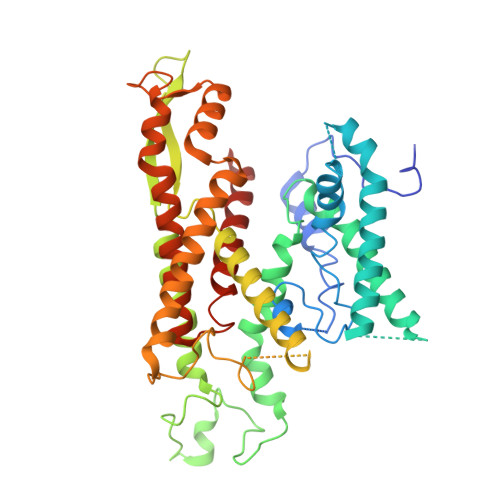
Protein transport protein Sec61 subunit alpha475Ovis ariesMutation(s): 0 
Membrane Entity: Yes 
UniProt
Find proteins for A0A6P3YN15 (Ovis aries)
Explore A0A6P3YN15 
Go to UniProtKB:  A0A6P3YN15
Entity Groups  
Sequence Clusters30% Identity50% Identity70% Identity90% Identity95% Identity100% Identity
UniProt GroupA0A6P3YN15
Sequence Annotations
Expand
  • Reference Sequence
Find similar proteins by:  (by identity cutoff)  |  3D Structure
Entity ID: 2
MoleculeChains Sequence LengthOrganismDetailsImage
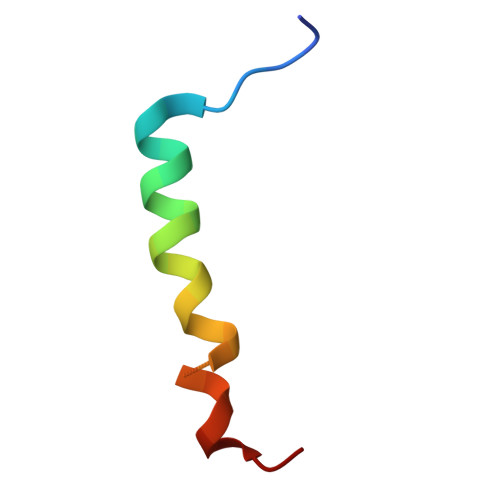
Protein transport protein Sec61 subunit gamma68Ovis ariesMutation(s): 0 
Membrane Entity: Yes 
UniProt
Find proteins for W5PP18 (Ovis aries)
Explore W5PP18 
Go to UniProtKB:  W5PP18
Entity Groups  
Sequence Clusters30% Identity50% Identity70% Identity90% Identity95% Identity100% Identity
UniProt GroupW5PP18
Sequence Annotations
Expand
  • Reference Sequence
Find similar proteins by:  (by identity cutoff)  |  3D Structure
Entity ID: 3
MoleculeChains Sequence LengthOrganismDetailsImage
Protein transport protein Sec61 subunit beta29Ovis ariesMutation(s): 0 
Sequence Annotations
Expand
  • Reference Sequence

Find similar proteins by:  Sequence   |   3D Structure  

Entity ID: 4
MoleculeChains Sequence LengthOrganismDetailsImage
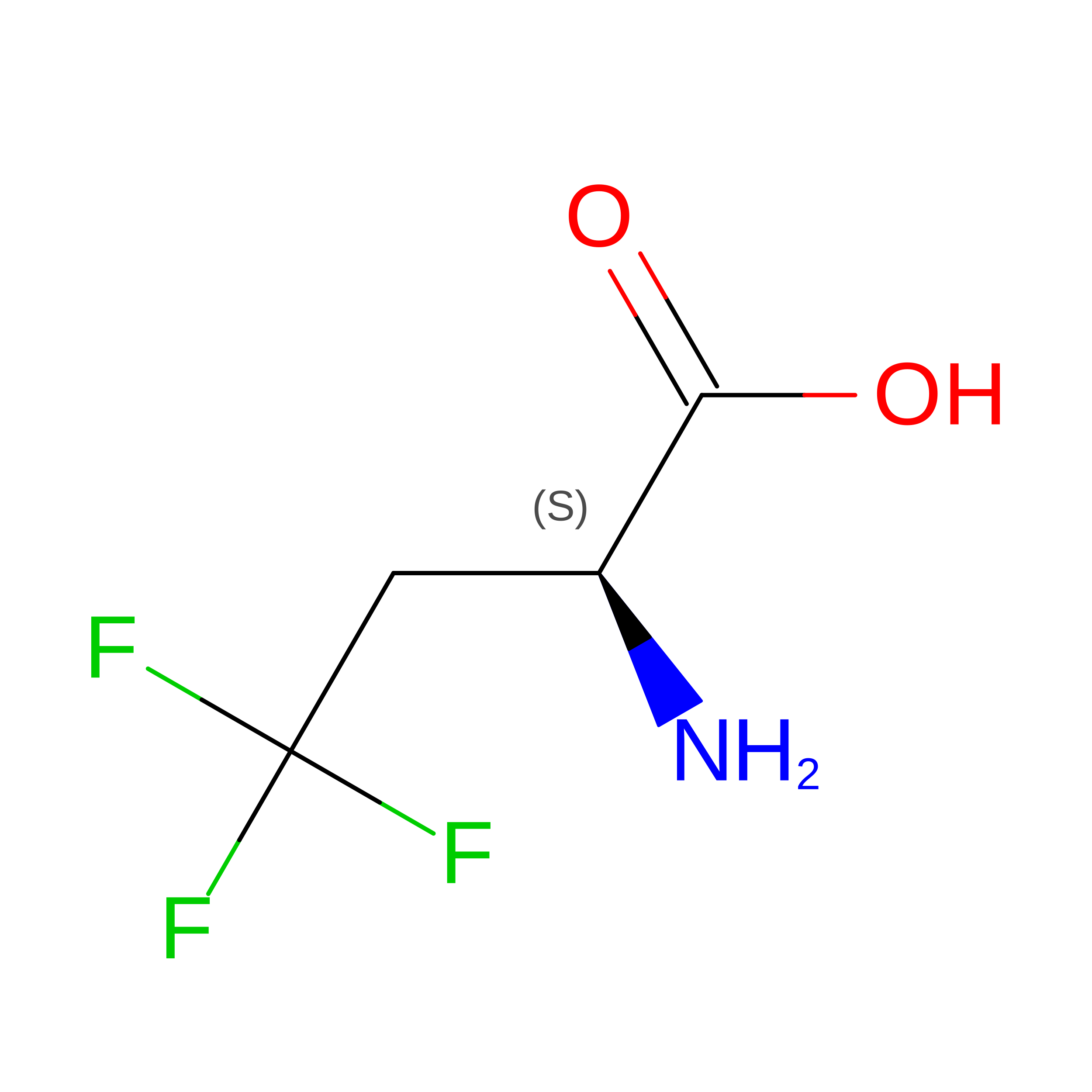
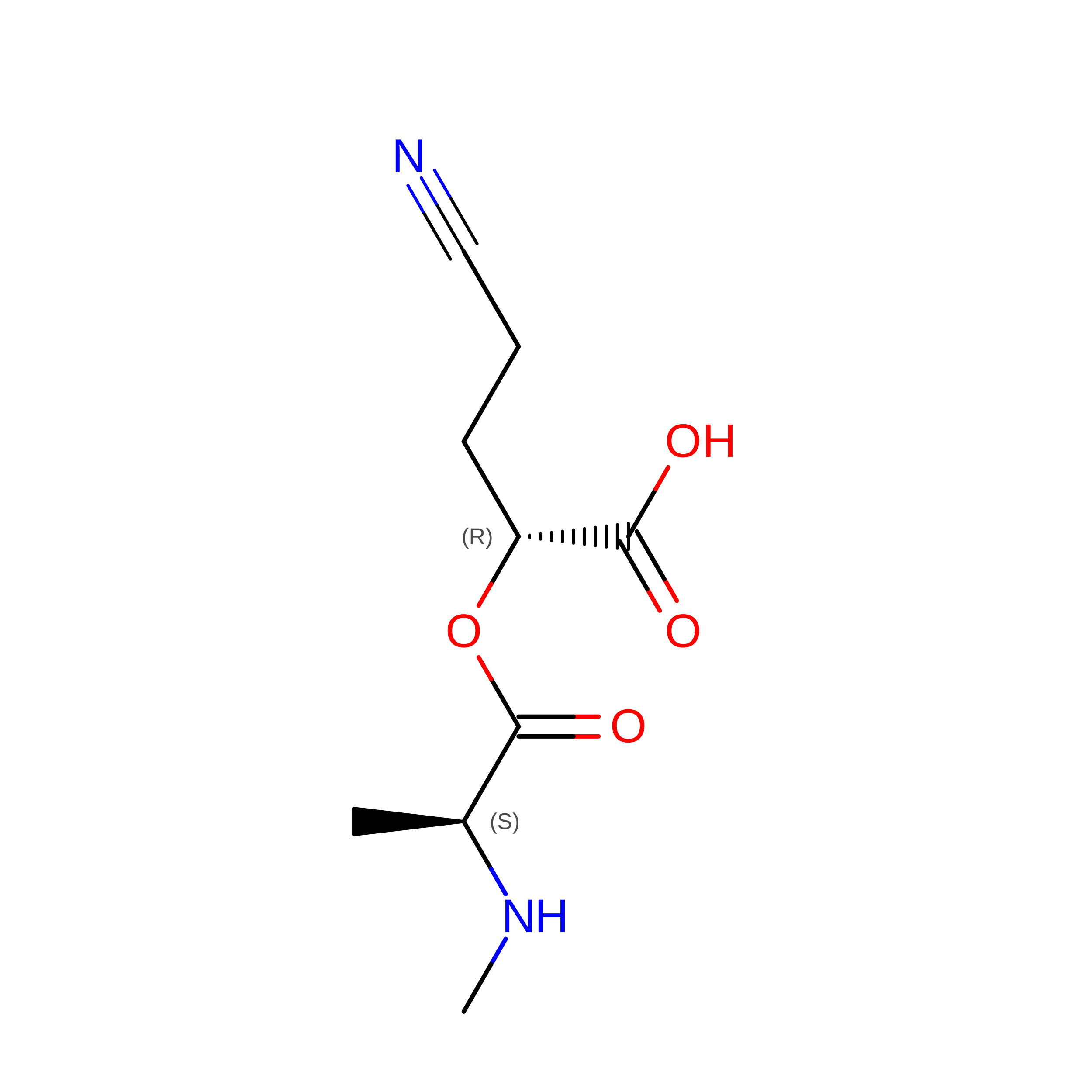
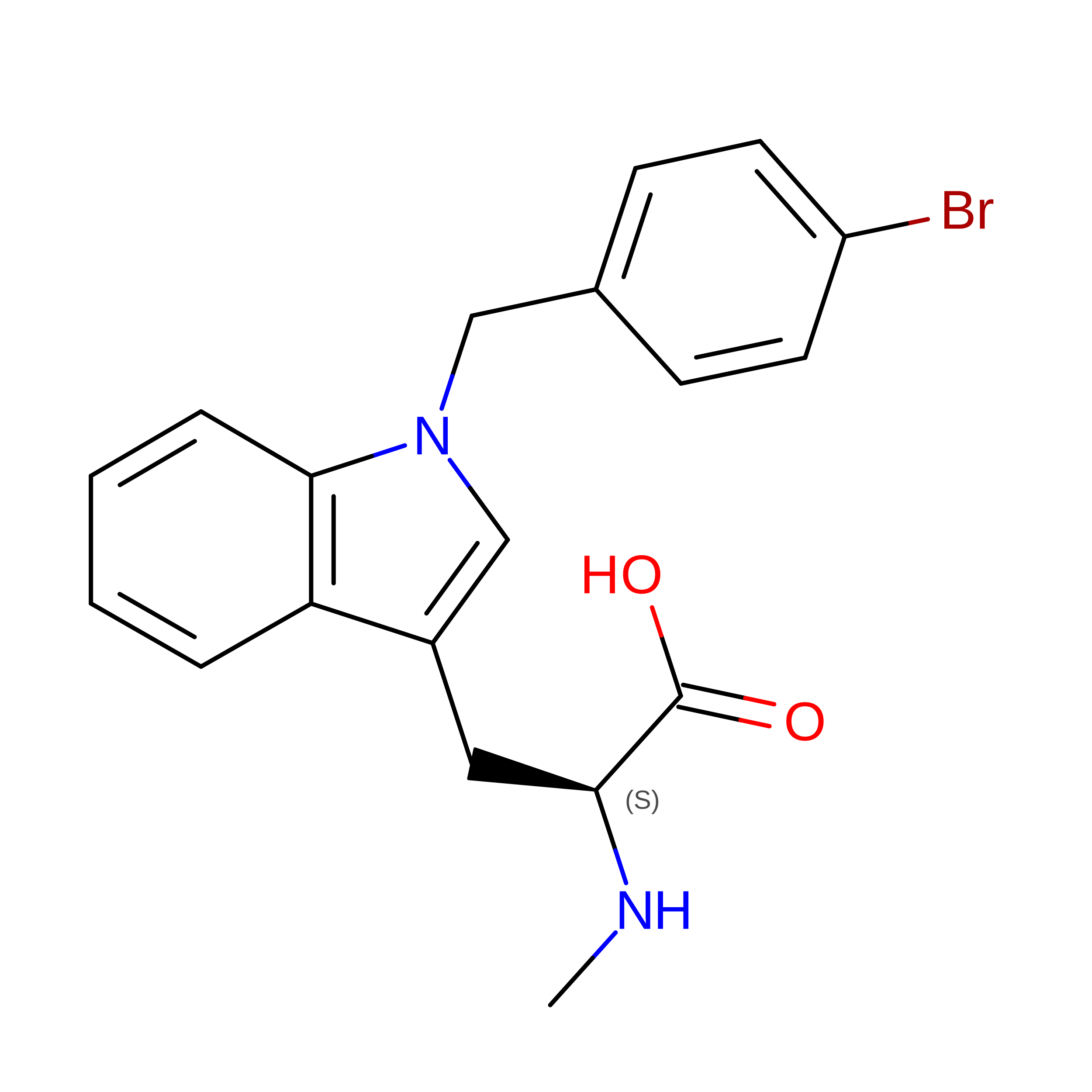
Cyclic depsipeptide signal peptide mimicD [auth E]6synthetic constructMutation(s): 0 
Sequence Annotations
Expand
  • Reference Sequence
Small Molecules
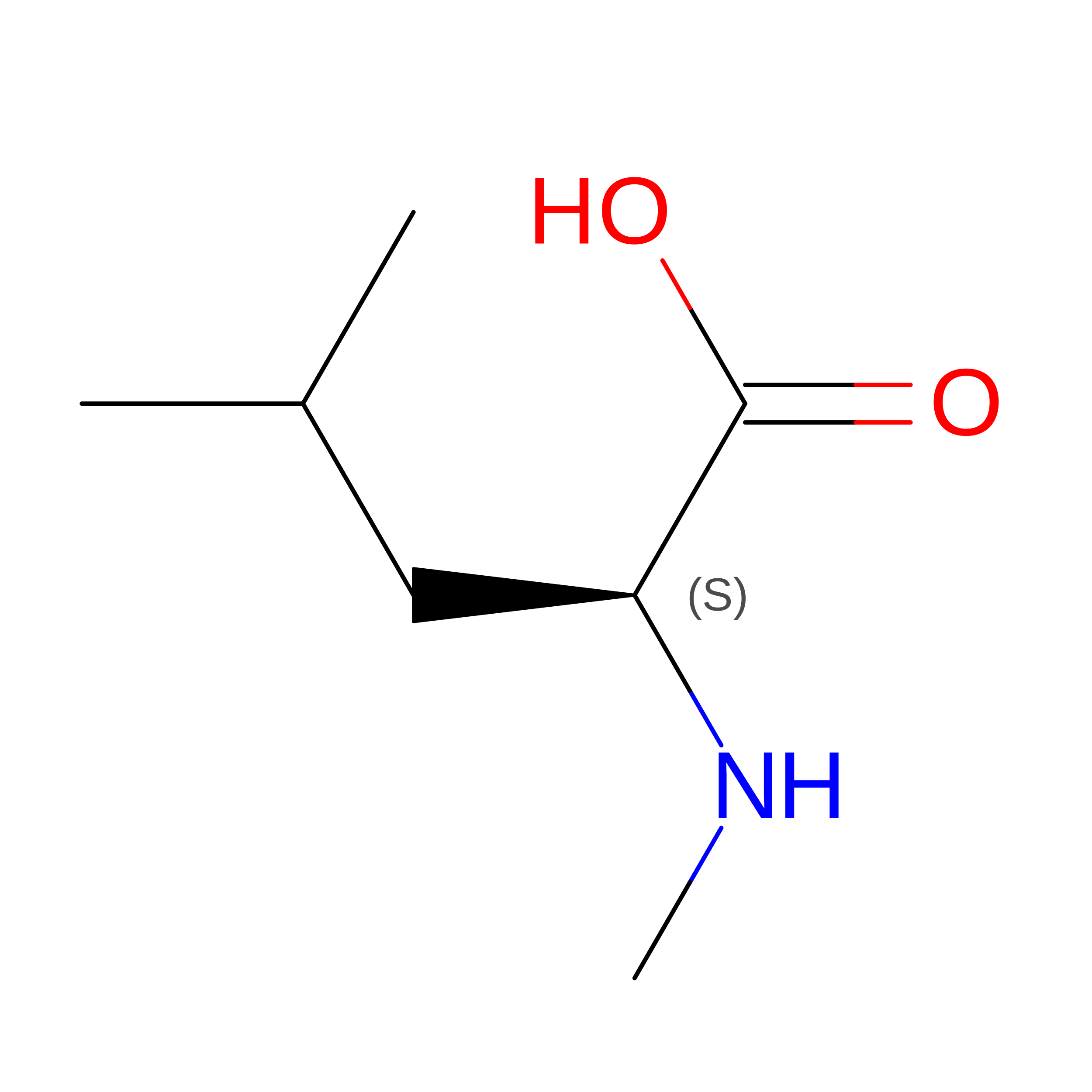
Modified Residues  1 Unique
IDChains TypeFormula2D DiagramParent
MLE
Query on MLE
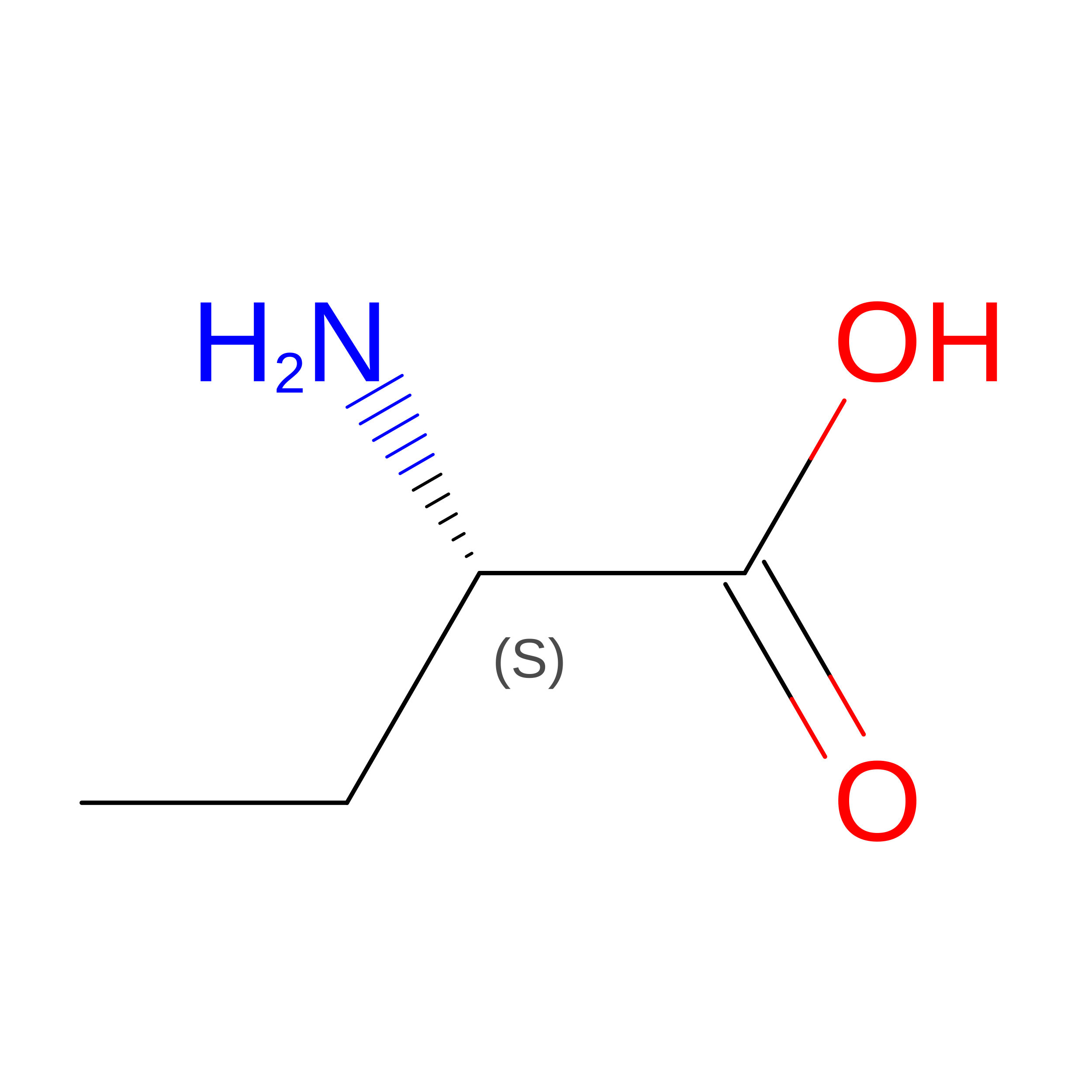
D [auth E]L-PEPTIDE LINKINGC7 H15 N O2LEU
Experimental Data & Validation

Experimental Data

  • Method: ELECTRON MICROSCOPY
  • Resolution: 3.20 Å
  • Aggregation State: PARTICLE 
  • Reconstruction Method: SINGLE PARTICLE 

Structure Validation

View Full Validation Report


Entry History & Funding Information

Deposition Data


Funding OrganizationLocationGrant Number
Academy of FinlandFinland314672

Revision History  (Full details and data files)

  • Version 1.0: 2023-03-22
    Type: Initial release
  • Version 1.1: 2023-05-24
    Changes: Database references
  • Version 1.2: 2023-09-06
    Changes: Data collection, Database references
  • Version 2.0: 2023-11-15
    Changes: Atomic model, Data collection, Derived calculations, Refinement description