Download Mendeley
Activation of GTP hydrolysis in mRNA-tRNA translocation by elongation factor G.
Li, W., Liu, Z., Koripella, R.K., Langlois, R., Sanyal, S., Frank, J.(2015) Sci Adv 1: e1500169-e1500169
- PubMed: 26229983 Search on PubMedSearch on PubMed Central
- DOI: https://doi.org/10.1126/sciadv.1500169
- Primary Citation Related Structures:
3J9Z, 3JA1 - PubMed Abstract:
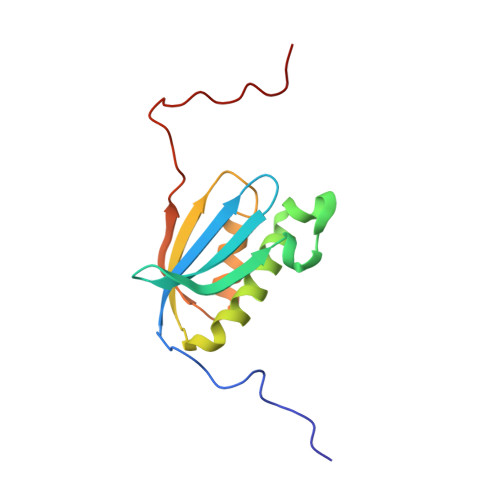
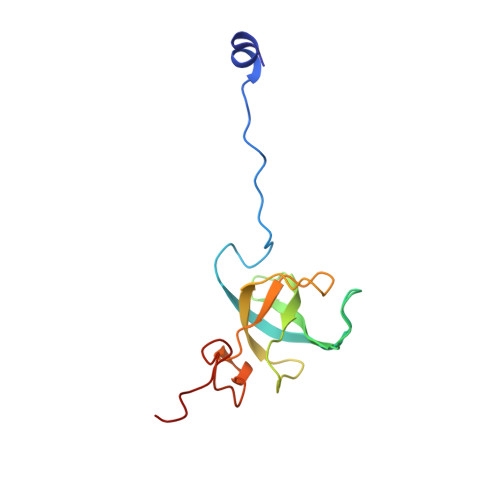
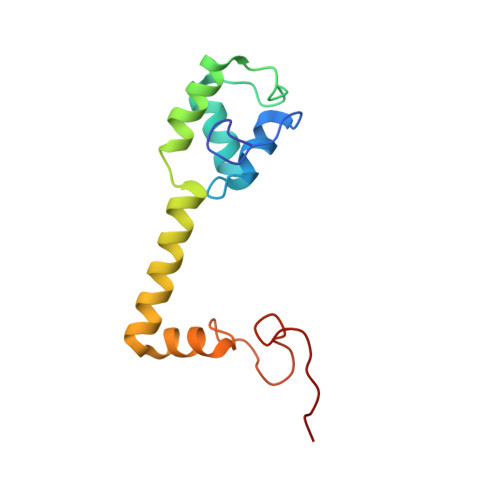
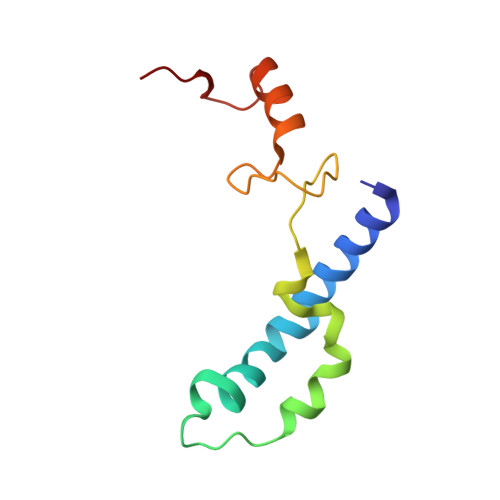
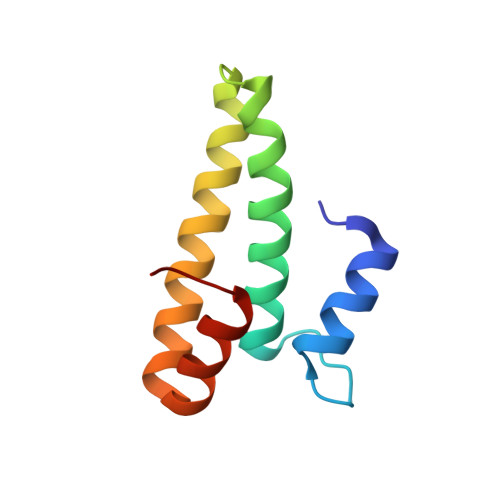
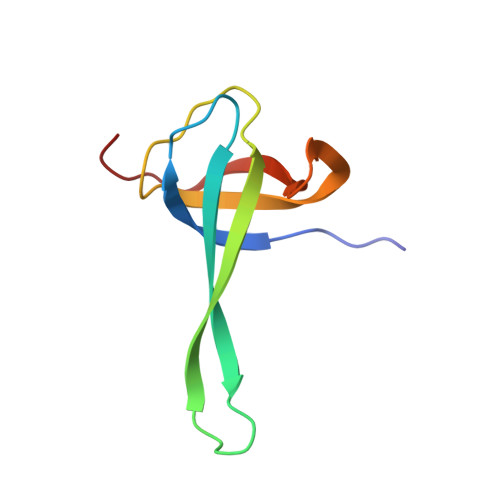
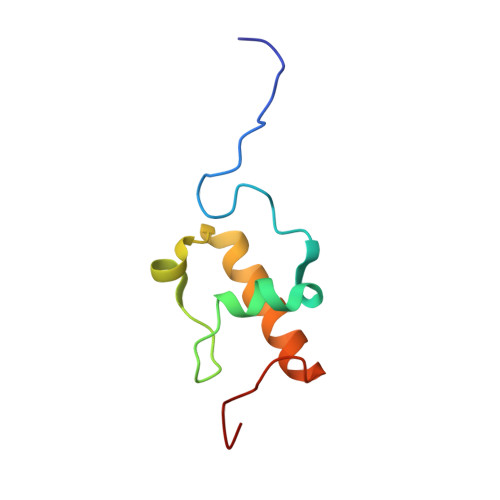
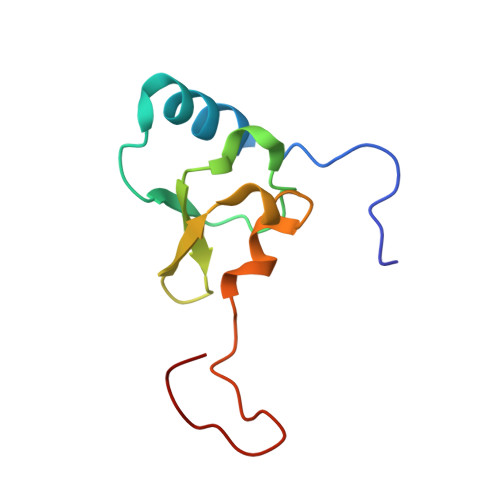
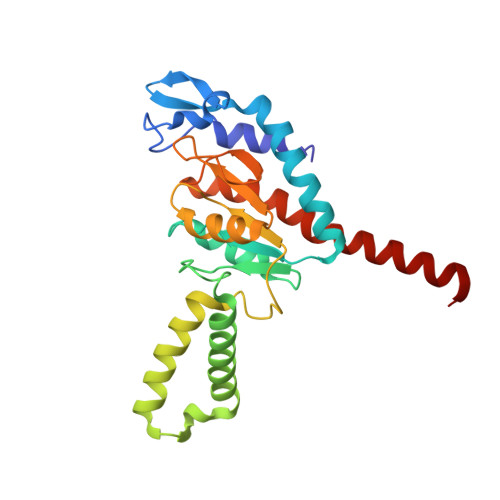
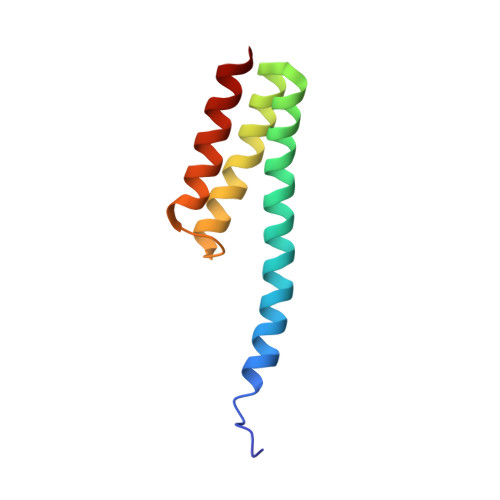
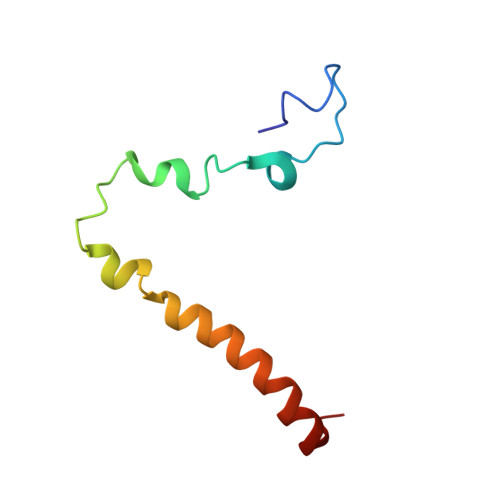
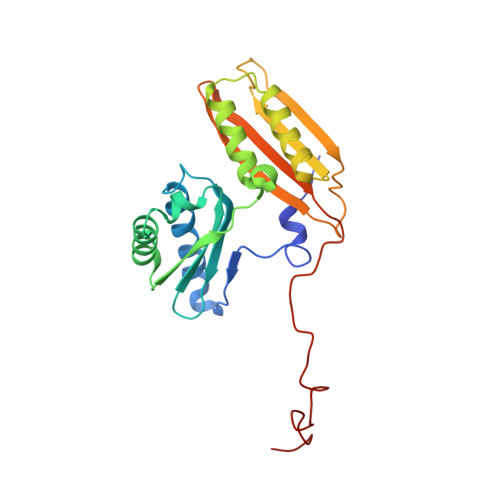
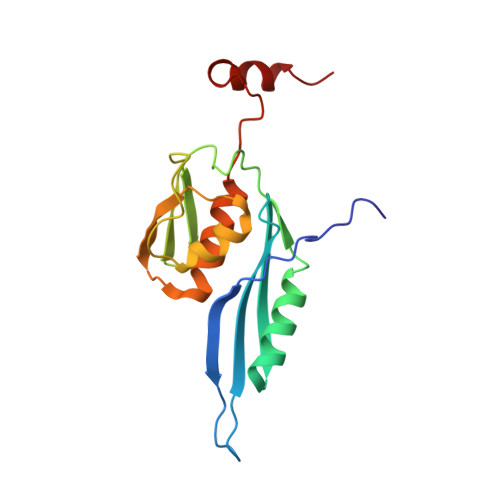
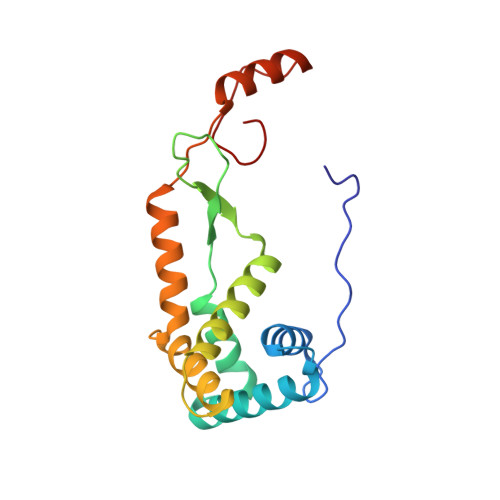
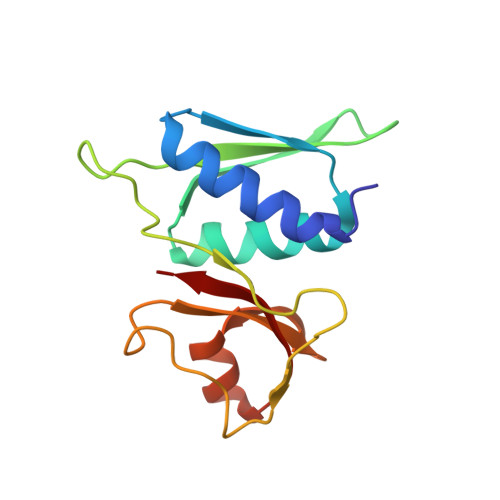
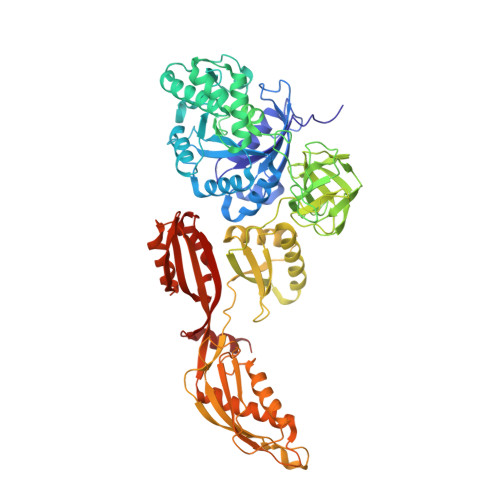
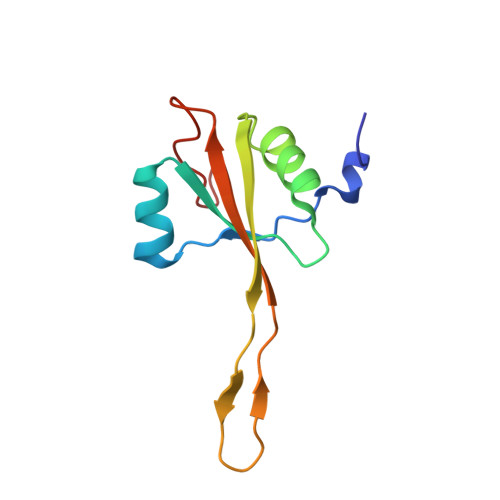
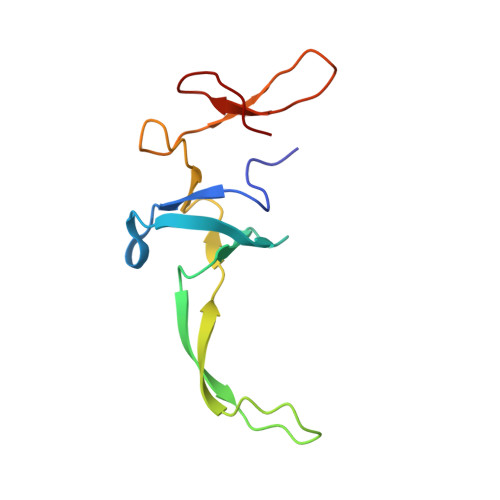
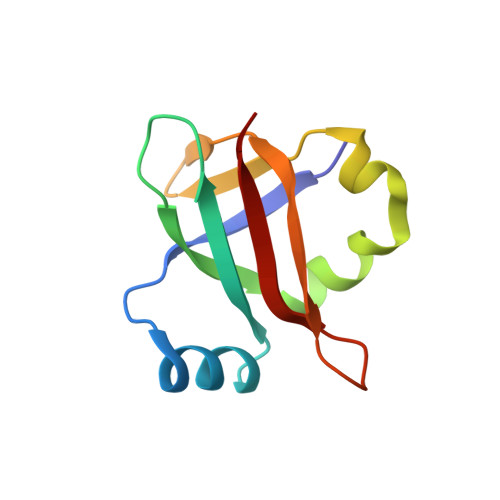
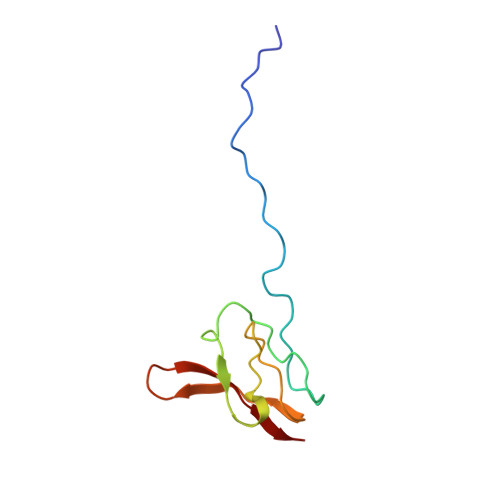
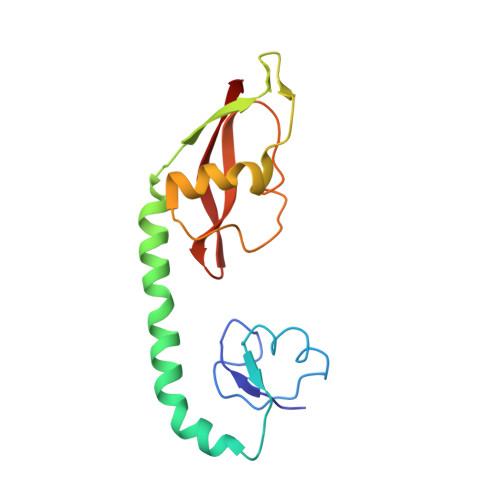
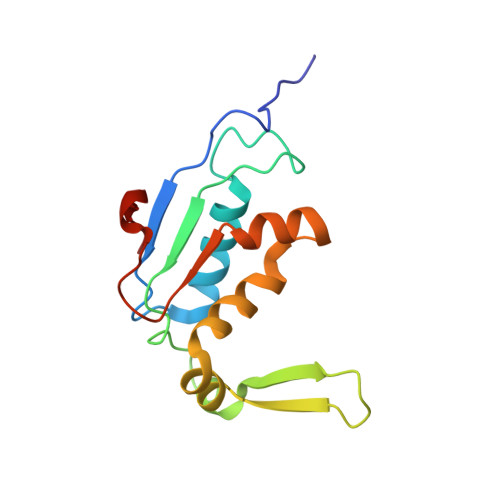
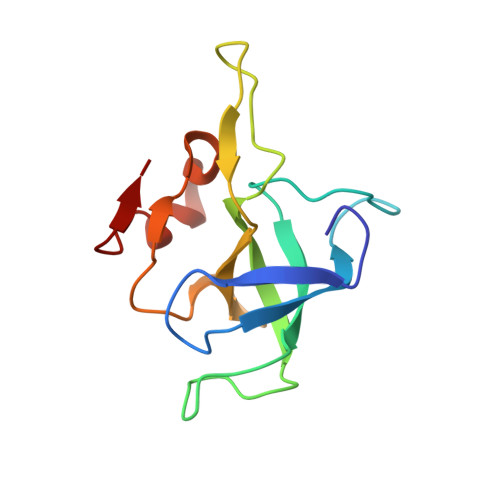
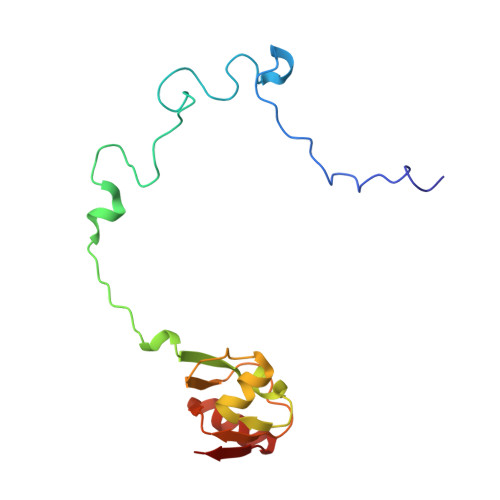
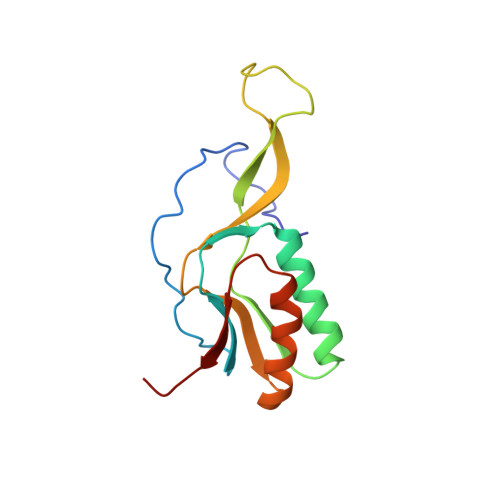
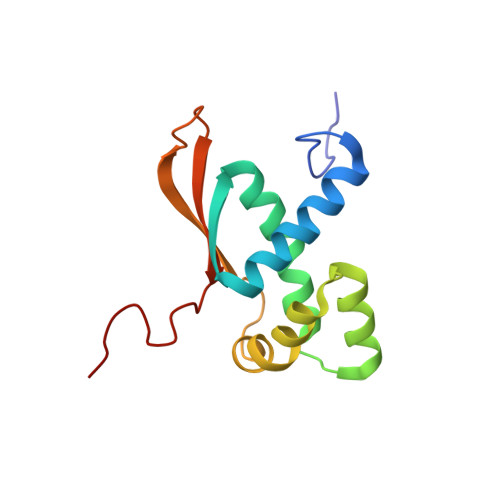
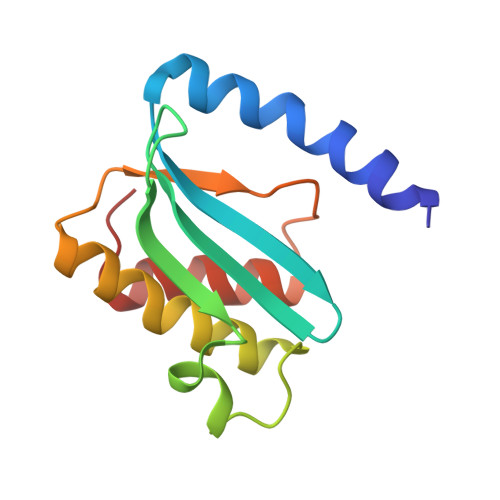
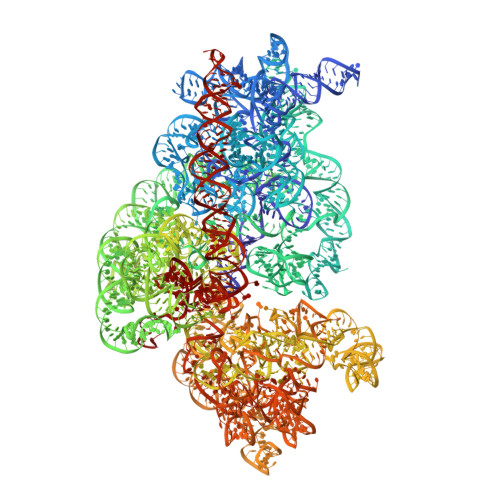
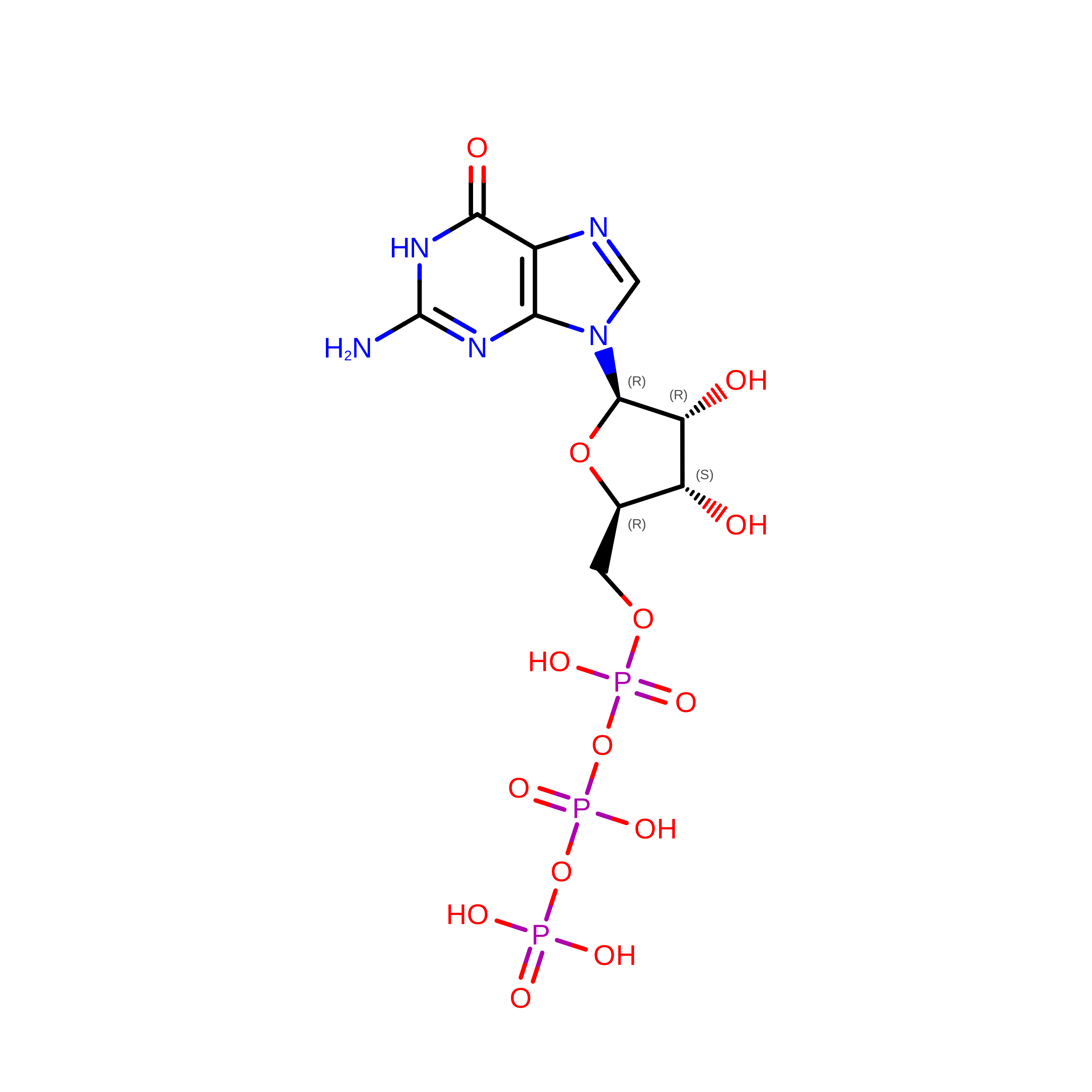
During protein synthesis, elongation of the polypeptide chain by each amino acid is followed by a translocation step in which mRNA and transfer RNA (tRNA) are advanced by one codon. This crucial step is catalyzed by elongation factor G (EF-G), a guanosine triphosphatase (GTPase), and accompanied by a rotation between the two ribosomal subunits. A mutant of EF-G, H91A, renders the factor impaired in guanosine triphosphate (GTP) hydrolysis and thereby stabilizes it on the ribosome. We use cryogenic electron microscopy (cryo-EM) at near-atomic resolution to investigate two complexes formed by EF-G H91A in its GTP state with the ribosome, distinguished by the presence or absence of the intersubunit rotation. Comparison of these two structures argues in favor of a direct role of the conserved histidine in the switch II loop of EF-G in GTPase activation, and explains why GTP hydrolysis cannot proceed with EF-G bound to the unrotated form of the ribosome.
- Department of Biochemistry and Molecular Biophysics, Columbia University, 2-221 Blackwell, 165 West 168th Street, New York, NY 10032, USA.
Organizational Affiliation: